
Navigating a new city, whether as a long-term visitor or a new resident, comes with its own unique set of logistical challenges and exciting discoveries. For those planning an extended stay or making a permanent move to the vibrant metropolis of Chicago, one practical question often arises: “Where can I buy a city sticker in Chicago?” This seemingly simple query opens the door to understanding local regulations, efficient transportation, and ultimately, how to seamlessly integrate into the daily rhythm of the Windy City. While the city sticker is a specific requirement, its discussion provides a perfect launchpad to explore the broader context of travel, accommodation, and lifestyle in one of America’s most captivating destinations. From its world-renowned architecture and bustling cultural scene to its diverse neighborhoods and culinary delights, Chicago offers an experience like no other. Understanding the practicalities, such as vehicle registration, ensures that your focus can remain on soaking in all that this incredible city has to offer, from iconic landmarks to hidden local gems.
Navigating the Essentials: Understanding Chicago’s City Sticker
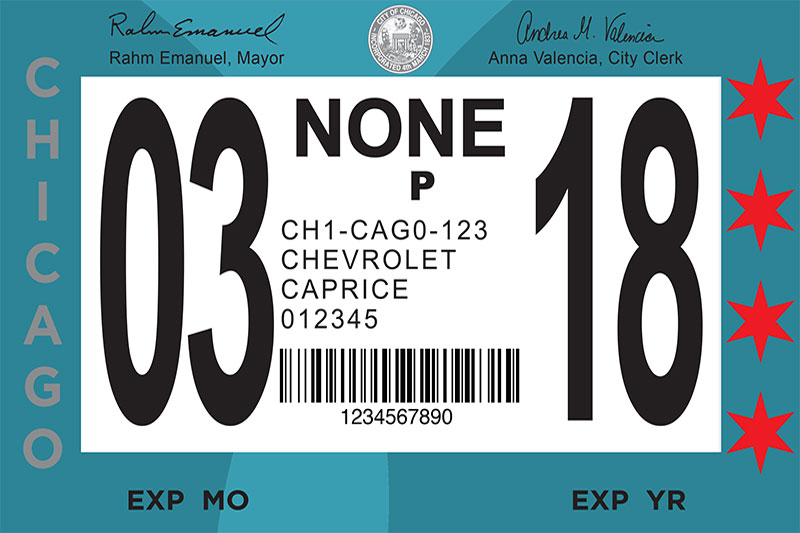
For vehicle owners residing in Chicago, or even those staying for an extended period, the city sticker is more than just a piece of adhesive – it’s a legal requirement that contributes to the city’s infrastructure and services. The sticker, officially known as the Chicago Wheel Tax, is mandated for all motor vehicles primarily garaged within the city limits. This includes cars, trucks, vans, and motorcycles. The revenue generated from these stickers helps fund essential city services, including road maintenance, public safety, and various community programs, directly impacting the quality of life for residents and the experience for visitors. Failing to display a valid sticker can result in hefty fines, which are easily avoidable with a little prior planning. This regulation is a prime example of how local ordinances shape the urban landscape and influence the daily lives of those who call Chicago home or a temporary base.
Who Needs a Chicago City Sticker and Why?
The primary demographic requiring a Chicago city sticker are its residents. If your vehicle is principally garaged within the corporate limits of the City of Chicago, you are legally obligated to purchase and display a current city sticker. This applies whether you own your vehicle outright, lease it, or it’s provided by an employer. New residents have a grace period, typically 30 days, from the date they establish residency or purchase a vehicle, to comply with this requirement.
For visitors, the situation is usually different. If you are merely passing through Chicago or visiting for a short duration (e.g., a few days or weeks), and your vehicle is registered and plated in another municipality or state, a Chicago city sticker is generally not required. Rental cars also typically fall under this exemption, as the rental companies handle their own vehicle compliance. However, if a visitor plans a long-term stay, perhaps for several months, and their vehicle will be routinely parked on city streets, it’s wise to consult the Chicago City Clerk’s office for specific guidance. Understanding these nuances is key to a hassle-free visit and demonstrates respect for local laws, an essential aspect of responsible tourism.
Your Guide to Purchasing a City Sticker
The good news is that purchasing a Chicago city sticker is a straightforward process, offering several convenient options to accommodate different preferences.
- Online: The most convenient method for many is to purchase or renew the sticker online through the official website of the Chicago City Clerk. This option allows you to complete the transaction from the comfort of your home or accommodation, often with the sticker mailed directly to your address. You’ll need your vehicle’s license plate number, Vehicle Identification Number (VIN), and proof of current address.
- In Person at the City Clerk’s Office: For those who prefer a face-to-face transaction or require immediate assistance, you can visit one of the Chicago City Clerk’s office locations. There are several branches conveniently located throughout the city. This option is particularly useful for new residents who might have questions or need to present specific documentation.
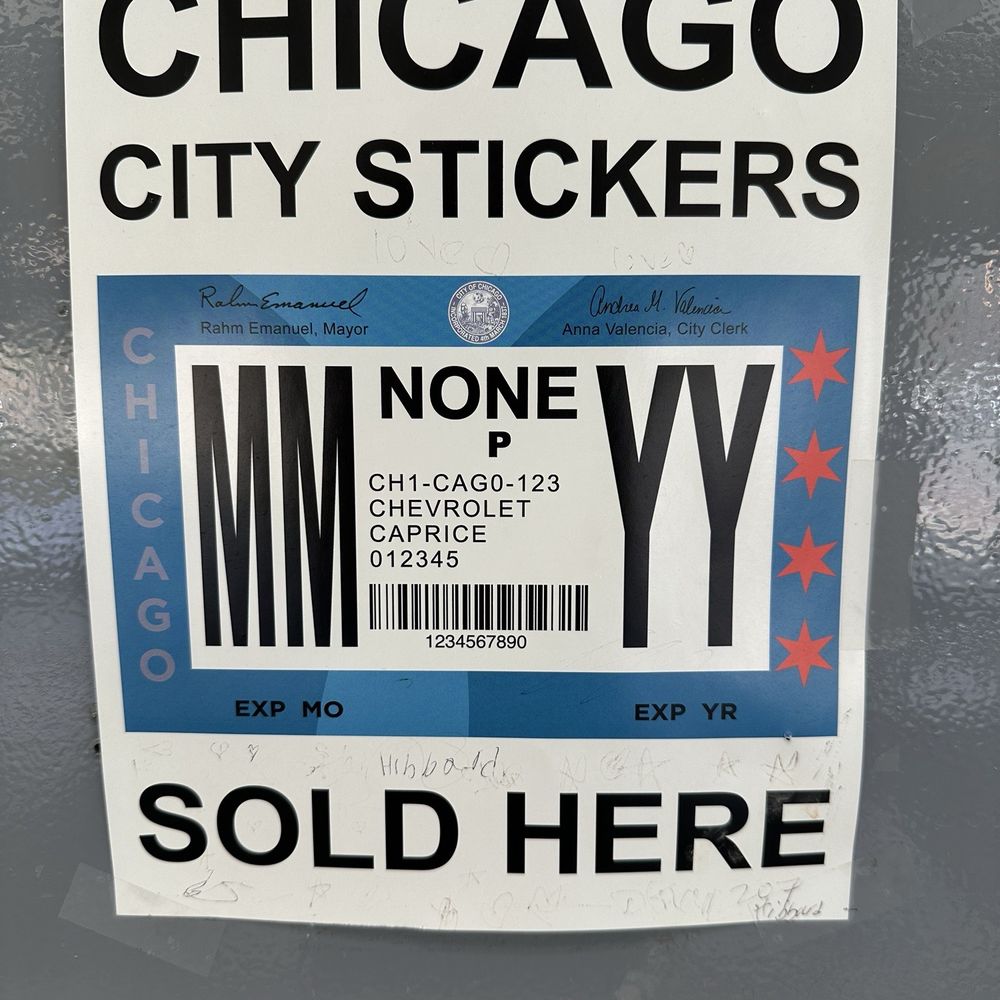
- Authorized Vendors: Many currency exchanges and some grocery stores are authorized to sell city stickers. These locations offer extended hours and can be found in various neighborhoods, providing a convenient alternative to the official clerk’s offices. Look for signs indicating “Authorized City Sticker Sales.”
- Illinois Secretary of State Facilities: While the primary responsibility for city stickers lies with the Chicago City Clerk, some Illinois Secretary of State facilities might offer assistance or information regarding the process, particularly for new vehicle registrations.

Regardless of the method chosen, you will typically need to provide your Illinois vehicle registration, proof of residency (e.g., utility bill, lease agreement), and a valid form of identification. The cost of the sticker varies based on the vehicle type and weight, with certain discounts available for seniors and persons with disabilities.
What to Know About Sticker Renewals and Penalties
City stickers are typically valid for one year and must be renewed annually. The expiration date usually coincides with your vehicle’s Illinois license plate sticker expiration. It’s crucial to mark this date on your calendar, as failing to renew on time can lead to significant penalties. A late fee is often assessed for renewals made after the expiration date, and parking enforcement officers are vigilant. A vehicle found without a current city sticker displayed faces tickets that can accumulate quickly, turning a minor oversight into a costly mistake.
For new residents or those purchasing a new vehicle, the sticker must be obtained within 30 days of establishing residency or vehicle acquisition. The city’s enforcement system is sophisticated, using license plate recognition technology, making it difficult to evade compliance. Therefore, proactive planning and timely action are strongly advised to ensure a smooth and compliant experience with vehicle ownership in Chicago.
Beyond the Sticker: Seamless Transportation in the Windy City
While understanding the city sticker is essential for vehicle owners, it’s just one piece of the larger puzzle of navigating Chicago. For many visitors and even some residents, relying on a personal vehicle might not be the most efficient or enjoyable way to explore the city. Chicago boasts an extensive and highly efficient public transportation system, alongside a plethora of other travel options that cater to various lifestyles and preferences. Embracing these alternatives can significantly enhance your travel experience, allowing you to bypass traffic, parking woes, and the need for a city sticker altogether.
Embracing Public Transit and Ride-Sharing
The Chicago Transit Authority (CTA) is the backbone of the city’s public transportation network, offering comprehensive bus and rail (the “L” train) services that connect virtually every neighborhood and major attraction. The “L” train, with its iconic elevated tracks and subway lines, is not just a mode of transport but an experience in itself, offering unique perspectives of the city’s architecture. Visitors can purchase Ventra cards, reloadable transit passes, for easy access to all CTA services. A day pass or multi-day pass often proves to be a cost-effective and convenient solution for tourists eager to explore sites from Millennium Park to Lincoln Park Zoo.
Ride-sharing services like Uber and Lyft are also widely available and popular in Chicago, providing on-demand transportation that can be particularly useful for late-night outings, direct routes to specific hotels, or when traveling with luggage. Taxis are also readily available, particularly in downtown areas and at major transportation hubs like O’Hare International Airport and Midway International Airport. For the adventurous, Chicago is also a very walkable and bike-friendly city, especially during warmer months. The city features numerous bike lanes and Divvy bike-share stations, making it easy to rent a bicycle and explore scenic routes like the Lakefront Trail.
Parking Considerations for Visitors and Residents
For those who do choose to drive, whether a resident or a visitor with their own vehicle, understanding Chicago’s parking landscape is crucial. Street parking can be notoriously challenging, especially in dense urban areas, and often requires a residential parking permit in specific zones – a permit that is separate from the city sticker and specific to a limited geographic area. Metered parking is available throughout the city, payable via kiosks or mobile apps, but costs can add up quickly.
When choosing accommodation, especially for travelers with a car, it’s highly advisable to inquire about parking options. Many downtown hotels offer valet parking, which provides convenience but comes at a premium. Some may offer self-parking garages, while others might direct you to nearby public garages. For those on a budget or considering longer stays, seeking out apartments or vacation rentals in neighborhoods slightly outside the immediate city center might offer more accessible and affordable parking solutions. Always confirm parking availability and costs beforehand to avoid surprises, a key tip for any successful travel guide.
Experiencing Chicago: World-Class Attractions and Lifestyle
Beyond the practicalities of city stickers and transportation, Chicago truly shines as a premier global destination. Its rich history, stunning architecture, vibrant cultural scene, and diverse experiences make it a must-visit for any traveler. Understanding the logistical aspects, like vehicle compliance, frees you up to immerse yourself fully in the beauty and excitement of the Windy City.
Iconic Landmarks and Architectural Wonders
Chicago is synonymous with breathtaking architecture. A great way to appreciate this is through an architectural boat tour on the Chicago River, offering unparalleled views of iconic skyscrapers and historical buildings. Must-see landmarks include the towering Willis Tower (formerly Sears Tower), where the Skydeck offers panoramic city views, and 360 Chicago at the former John Hancock Center.
Millennium Park is another jewel, home to the famous “Cloud Gate” sculpture, affectionately known as “The Bean,” and the stunning Crown Fountain. Adjacent to it, Grant Park, often called “Chicago’s Front Yard,” hosts major festivals and is home to the majestic Buckingham Fountain. For nature lovers, the free Lincoln Park Zoo offers a delightful escape, nestled within the expansive Lincoln Park.
Cultural Immersion and Culinary Delights
Chicago’s cultural scene is incredibly rich. The “Museum Campus” is a must-visit, featuring the world-renowned Art Institute of Chicago, the fascinating Field Museum of Natural History, and the aquatic wonders of the Shedd Aquarium. The Adler Planetarium offers incredible views of the city skyline while exploring the cosmos. Navy Pier provides entertainment for all ages, with rides, restaurants, and boat tours.
The city is also a global culinary capital, famous for its deep-dish pizza, but offering so much more. From Michelin-starred fine dining to vibrant ethnic eateries in neighborhoods like Pilsen and Andersonville, there’s a taste for every palate and budget. Exploring local markets and food tours can offer unique insights into Chicago’s diverse food scene. For shoppers, the Magnificent Mile on Michigan Avenue is an upscale paradise, boasting flagship stores and luxury boutiques.
Accommodations to Enhance Your Chicago Stay
Whether you’re visiting for a luxury getaway, a family trip, or a business stay, Chicago offers an unparalleled range of accommodation options. From elegant suites in five-star hotels to cozy apartments and boutique hotels, there’s something to suit every preference and budget.
For those seeking opulence and top-tier amenities, luxury hotels along the Magnificent Mile or near the Loop provide world-class service, breathtaking views, and easy access to attractions. Options might include properties with renowned spas, gourmet dining, and concierge services that can arrange anything from theater tickets to private tours. For families or longer stays, serviced apartments or villas in residential neighborhoods offer more space, kitchen facilities, and a taste of local living. These options often provide a home-away-from-home feel, making them ideal for those who prefer to cook some of their meals or simply have more room to relax. When booking, consider factors like proximity to public transport, availability of parking (if you have a car), and guest reviews to find the perfect match for your Chicago experience.
Planning Your Perfect Chicago Visit: Essential Tips
A well-planned trip to Chicago can transform a good travel experience into an unforgettable one. While the city sticker might be a specific concern for vehicle owners, it highlights the broader need for thoughtful preparation, encompassing everything from transportation choices to financial considerations.
Maximizing Your Trip: Car vs. Public Transport
One of the most crucial decisions for any visitor to Chicago is whether to bring or rent a car. For most tourists focused on exploring downtown attractions, museums, and popular neighborhoods, a car is often more of a hindrance than a help. The efficient CTA system, combined with ride-sharing, taxis, and the city’s walkability, makes it incredibly easy to get around without a personal vehicle. This not only saves on parking fees and potential city sticker fines (for extended stays) but also allows you to relax and enjoy the scenery without the stress of navigating urban traffic.
However, if your itinerary includes extensive travel to suburban areas, specific resorts outside the city, or if you prefer the flexibility of having your own transport, then renting a car might be appropriate. In such cases, remember to factor in potential parking costs, tolls, and always confirm whether your rental agreement includes any local taxes or fees related to city compliance.
Budgeting for Your Chicago Adventure
Chicago can accommodate a range of budgets, from luxury travel to budget-friendly trips. When planning your finances, consider:
- Accommodation: This will likely be your largest expense. Booking in advance, especially during peak season, can secure better rates.
- Transportation: Public transit passes are economical. If driving, factor in parking, gas, and potential city sticker costs or fines.
- Attractions: Many museums offer free days or discounted rates. Exploring free attractions like Millennium Park and the Lincoln Park Zoo can help keep costs down.
- Food: Chicago offers everything from cheap eats to fine dining. Balance your culinary experiences to stay within budget.
- Shopping and Entertainment: Set aside a discretionary fund for souvenirs, shows, or unexpected delights.
By taking these factors into account, you can craft a personalized Chicago guide that aligns with your financial plan, ensuring that your focus remains on creating lasting memories rather than worrying about unexpected expenses.
In conclusion, while the initial question “Where can I buy a city sticker in Chicago?” addresses a very specific logistical need, it serves as a valuable entry point into understanding the multifaceted nature of visiting and living in this incredible city. From mastering local regulations to leveraging its robust public transportation and immersing yourself in its world-class attractions, Chicago offers a complete and enriching travel destination. By preparing for the practicalities, whether it’s obtaining a city sticker or planning your daily itinerary, you empower yourself to fully enjoy the unforgettable experiences that the Windy City promises.
LifeOutOfTheBox is a participant in the Amazon Services LLC Associates Program, an affiliate advertising program designed to provide a means for sites to earn advertising fees by advertising and linking to Amazon.com. Amazon, the Amazon logo, AmazonSupply, and the AmazonSupply logo are trademarks of Amazon.com, Inc. or its affiliates. As an Amazon Associate we earn affiliate commissions from qualifying purchases.