
Nestled along the sun-drenched coast of the Pacific Ocean in Southern California, the sprawling metropolis of Los Angeles is a global icon, known for its entertainment industry, diverse culture, and vibrant lifestyle. But beneath the glitz and glamour, a fundamental question often arises for curious travelers and demographers alike: just how many people call this dynamic urban landscape home? Understanding the population of Los Angeles is not merely a statistical exercise; it’s key to comprehending the city’s unique character, its challenges, and the myriad experiences it offers to visitors.
The population of Los Angeles is a tale of two numbers: the city proper and the vastly larger metropolitan area. As of recent estimates (typically derived from the United States Census Bureau data, which can fluctuate slightly year by year), the City of Los Angeles itself boasts a population exceeding 3.8 million residents. This makes it the most populous city in California and the second-most populous city in the entire United States, trailing only New York City.
However, to truly grasp the scale and influence of Los Angeles, one must look beyond its municipal boundaries to the Greater Los Angeles Area. This immense urban agglomeration, also known as the Los Angeles-Long Beach-Anaheim metropolitan statistical area, encompasses Los Angeles County and parts of adjacent counties like Orange County, Ventura County, Riverside County, and San Bernardino County. Within this broader region, the population swells to well over 18 million people, making it one of the largest metropolitan economies and cultural centers in the world. This sprawling demographic footprint profoundly shapes everything from the city’s infrastructure and housing market to its unparalleled diversity and vibrant tourism industry. For travelers, understanding this distinction is crucial, as many iconic attractions associated with Los Angeles (like Disneyland Park) are actually located within the Greater Los Angeles Area but outside the city limits. This vast population base is the engine that drives its dynamic lifestyle, supporting an incredible array of destinations, attractions, and experiences that draw millions of visitors annually.
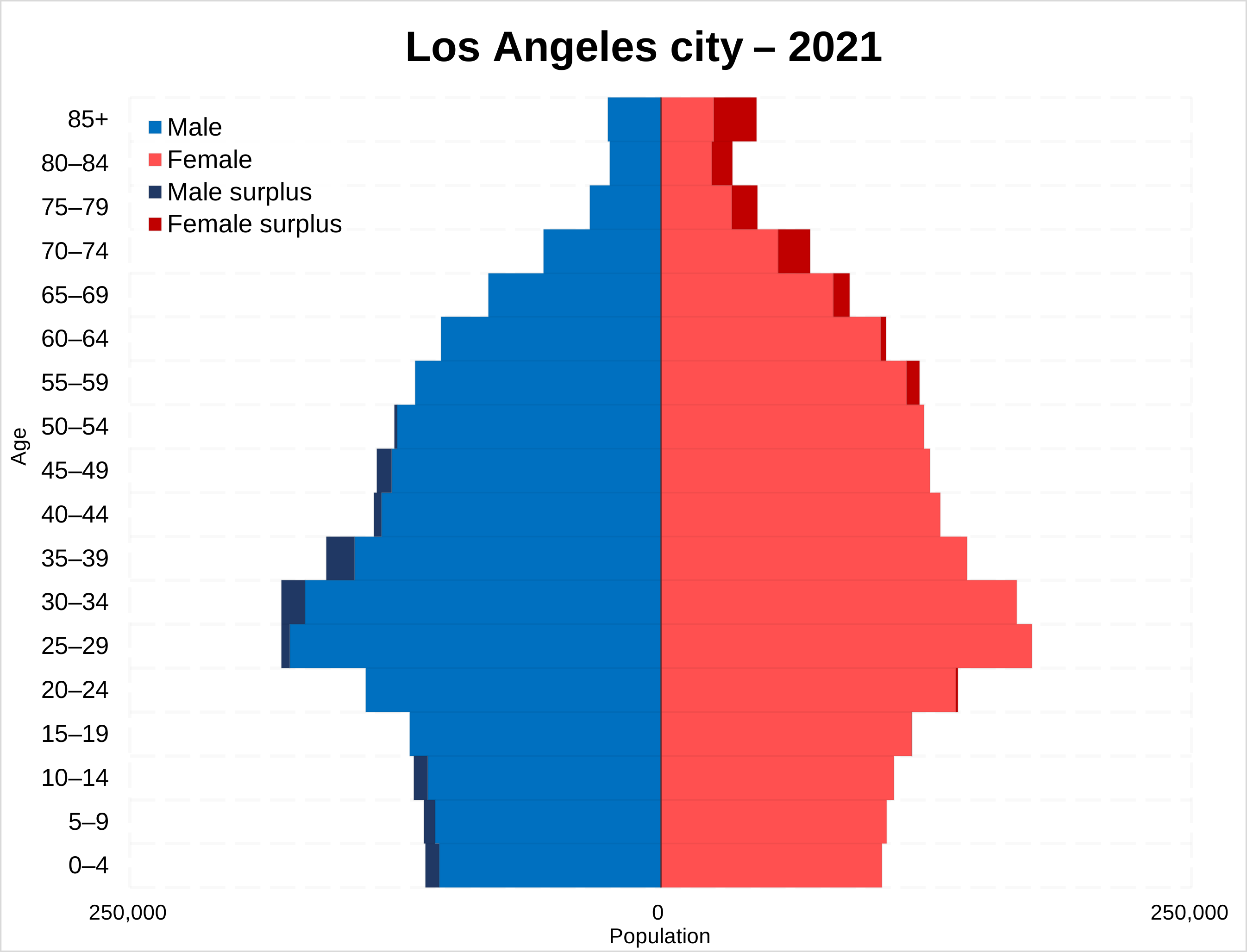
Understanding Los Angeles’s Demographic Landscape
The sheer volume of people residing in Los Angeles is just one aspect of its demographic story; the rich tapestry of cultures, languages, and lifestyles woven into its fabric is what truly defines the City of Angels. This complex demographic profile has a direct and significant impact on how travelers experience the city, from the food they eat to the neighborhoods they explore.
A Melting Pot of Cultures
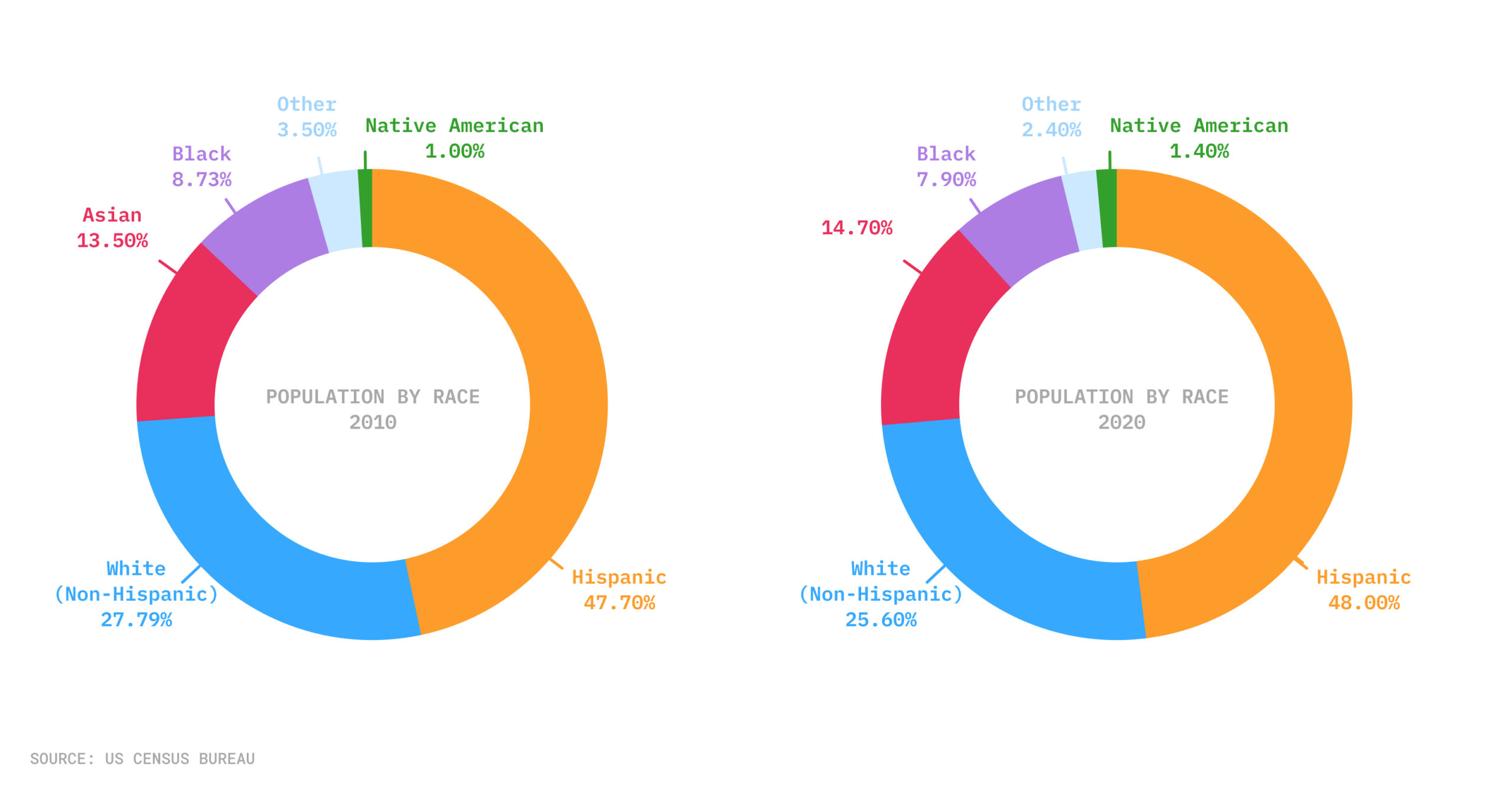
Los Angeles is renowned globally as a cultural mosaic, a place where the world truly comes together. Its immense population is incredibly diverse, with residents hailing from virtually every corner of the globe. This multiculturalism is not merely a statistical fact; it’s a palpable force that shapes the city’s identity. English is, of course, widely spoken, but a stroll through various neighborhoods quickly reveals a vibrant linguistic landscape where Spanish, Korean, Mandarin, Tagalog, Armenian, Farsi, and countless other languages are heard daily. This incredible diversity stems from waves of immigration, primarily from Mexico and Central America, Asia (especially China, Korea, the Philippines, and Vietnam), and Europe.
For visitors, this translates into an unparalleled opportunity to experience global cultures without leaving California. Imagine starting your day with authentic Korean BBQ in Koreatown, exploring historic murals and tasting delicious tacos on Olvera Street, and ending with a serene stroll through the Japanese Garden in Little Tokyo. Each neighborhood often feels like a distinct micro-destination, offering unique local culture, food, and activities that enrich the travel experience beyond typical tourist attractions. This cultural depth contributes significantly to the city’s allure as a top travel destination, promising varied experiences for luxury travelers, budget explorers, family trips, and even business stays seeking authentic local flavor.
Population Density and Urban Sprawl
Despite its vast population, Los Angeles is often characterized by its urban sprawl rather than extreme density in a traditional sense, particularly when compared to cities like New York or Tokyo. The city’s geography is diverse, ranging from the dense high-rises of Downtown Los Angeles to the expansive suburban tracts of the San Fernando Valley and the coastal communities of Santa Monica and Malibu. This sprawling nature means that while the metropolitan area is home to millions, the population is spread out across a vast geographic expanse, influencing daily life and travel patterns significantly.
This spread impacts how travelers navigate the city and choose their accommodation. Traffic, for instance, is a notorious byproduct of this large, distributed population, making efficient travel planning essential. On the flip side, the sprawl also means that there isn’t just one central hub for everything; instead, diverse districts like Hollywood, Beverly Hills, Venice Beach, and Downtown Los Angeles each offer distinct atmospheres, attractions, and accommodation options. From luxury hotels like The Beverly Hills Hotel and Waldorf Astoria Beverly Hills to charming boutique hotels, resorts, and apartments, the options are as varied as the neighborhoods themselves. This encourages visitors to explore different facets of the city, potentially even staying in multiple locations to fully immerse themselves in the diverse L.A. experience.

The Population’s Impact on Travel & Tourism in Los Angeles
The enormous and diverse population of Los Angeles is not just a statistical footnote; it is the very engine that drives its world-renowned travel and tourism industry. This bustling human landscape creates a constant demand for entertainment, dining, and unique experiences, which in turn fuels the development and vibrancy of its attractions, hospitality sector, and cultural offerings.
A Hub of Attractions and Experiences
With millions of residents, Los Angeles naturally needs a vast array of amenities and entertainment options to cater to its populace, and these very resources become major draws for tourists. From theme parks to world-class museums, iconic landmarks, and natural wonders, the city’s offerings are incredibly diverse. The presence of a massive local audience ensures that these attractions are continuously invested in and remain vibrant.
Consider landmarks like Griffith Observatory, offering breathtaking views and astronomical insights, or the historic Hollywood Walk of Fame and TCL Chinese Theatre, which are continually bustling. Theme parks such as Universal Studios Hollywood thrive on both local and tourist attendance, ensuring cutting-edge rides and immersive experiences. Cultural institutions like the Getty Center, The Broad, Walt Disney Concert Hall, the California Science Center, and the Natural History Museum of Los Angeles County provide enriching experiences that appeal to all ages and interests. The sports and entertainment venues, including the Crypto.com Arena, host major events that draw crowds from both within and outside the region. The sheer volume of people sustains this rich ecosystem of attractions, providing endless possibilities for any traveler.
Culinary Delights and Local Flavors
The diverse population directly translates into an astonishing culinary scene, making Los Angeles a veritable paradise for food lovers. Every ethnic group, every community, brings its traditional flavors and cooking techniques, resulting in an incredible array of dining options that range from Michelin-starred fine dining to humble food trucks serving authentic street food. This constant innovation and competition ensure high quality and a vast selection.
Travelers can embark on a gastronomic journey across continents without leaving the city. Indulge in innovative Mexican cuisine, savor traditional Ethiopian stews, explore the vibrant flavors of Thai Town, or enjoy classic American comfort food. Iconic spots like Grand Central Market and the Original Farmers Market are testaments to this culinary diversity, bringing together various vendors under one roof. The food scene is an integral part of Los Angeles’s local culture, offering tourists a taste of its vibrant community life and providing unforgettable culinary experiences, whether they seek luxury dining or budget-friendly eats.
The Accommodation Landscape
The massive population, coupled with a booming tourism industry, has shaped Los Angeles’s accommodation landscape into one of immense variety and competitiveness. The demand for places to stay, from short-term tourist visits to long-term business trips or family relocation, has led to a proliferation of options across all price points and styles.
From ultra-luxury resorts and hotels in Beverly Hills like Hotel Bel-Air or The London West Hollywood to trendy boutique hotels in Downtown Los Angeles such as the Ace Hotel Downtown Los Angeles or InterContinental Downtown Los Angeles, visitors have a wealth of choices. There are also numerous budget-friendly hotels, extended-stay apartments, and vacation rentals catering to diverse travel styles, from family trips to business stays. The presence of a large local population also means a robust market for home-sharing platforms, offering travelers more localized and authentic experiences. This extensive range of accommodation ensures that every type of traveler, with any budget or preference for amenities, can find their ideal stay, often benefiting from competitive pricing driven by the sheer volume of available options.
Navigating Los Angeles: Tips for Travelers in a Populous City
Exploring a city as vast and populous as Los Angeles requires a strategic approach. While the sheer number of people creates its unique charm and opportunities, it also presents specific considerations for travelers. Thoughtful planning can transform potential challenges into seamless and enjoyable experiences.
Transportation Challenges and Solutions
One of the most immediate impacts of Los Angeles’s large population and sprawling layout is its notorious traffic. Navigating the city can be daunting, especially during peak hours. However, with preparation, it’s entirely manageable. Relying solely on personal cars can lead to frustration, so consider a multi-modal approach.
Public transportation in Los Angeles, while not as extensive as in New York or London, is steadily improving. The Metro system (subway and light rail) connects key areas like Downtown Los Angeles, Hollywood, and Santa Monica. Bus lines fill in many gaps. For travelers on a budget, a Metro pass can be an economical way to get around. Ride-sharing services (Uber, Lyft) are widely available and often the most convenient option for point-to-point travel, especially when visiting areas not well-served by public transit. For exploring specific neighborhoods like Venice Beach or Santa Monica, biking or walking can be delightful. Planning your routes using navigation apps that factor in real-time traffic is crucial, and always allocate extra travel time, particularly if you have scheduled tours or flights.
Discovering Hidden Gems Amidst the Crowds
While major attractions draw significant crowds, the vast population of Los Angeles also ensures an incredible number of local haunts, independent businesses, and cultural enclaves that remain relatively undiscovered by the typical tourist. Seeking out these hidden gems can lead to truly authentic experiences and a deeper connection with the city’s local culture.
Venture beyond the well-trodden paths of Hollywood Boulevard and Rodeo Drive. Explore art galleries in the Downtown Los Angeles Arts District, discover charming cafes in Silver Lake, or browse vintage shops in Los Feliz. The city is full of smaller museums like the Petersen Automotive Museum, The Getty Villa, or unique outdoor spaces beyond Griffith Park, such as the Exposition Park Rose Garden or the historic sites around Olvera Street. Engaging with locals, whether through guided walking tours focusing on specific neighborhoods or simply by striking up conversations in local coffee shops, can often reveal the best-kept secrets. This approach caters to those seeking unique experiences and authentic local culture, moving beyond the typical tourist itinerary.
Planning Your Stay: Neighborhoods and Lifestyle Choices
Given the extensive urban sprawl, choosing the right neighborhood for your accommodation is perhaps the most critical decision for a fulfilling Los Angeles trip. Your base will significantly influence your daily commute, access to attractions, and the overall vibe of your stay. Consider your priorities:
- For Beach Lovers: Santa Monica, Venice Beach, or Malibu offer stunning coastal views, outdoor activities, and a relaxed atmosphere. Hotels and apartments here provide easy access to the Pacific Ocean and vibrant boardwalks.
- For Entertainment and Nightlife: Hollywood or the Sunset Strip are ideal, placing you at the heart of the action, close to iconic landmarks, theaters, and a buzzing nightlife. W Hollywood is a notable option here.
- For Culture and Business: Downtown Los Angeles offers a vibrant arts scene, numerous museums, excellent dining, and convenient access to business districts. It’s home to a range of hotels from luxury to more budget-friendly options.
- For Luxury and Shopping: Beverly Hills provides an opulent experience, with high-end hotels, world-class shopping on Rodeo Drive, and fine dining.
- For Family Trips: Areas closer to theme parks, like parts of Orange County or the San Fernando Valley, might be more suitable, offering resorts and family-friendly amenities.
Consider the type of lifestyle you want to experience during your trip – luxury travel, budget travel, family-focused, or a business stay – and choose your accommodation accordingly. Researching reviews and comparing various options, from suites to villas, is always recommended to ensure your chosen spot perfectly complements your L.A. adventure.
The Future of Los Angeles: Growth, Sustainability, and the Visitor Experience
The dynamic population of Los Angeles continues to evolve, bringing both opportunities and challenges for the City of Angels. As a global hub, Los Angeles is constantly adapting, investing in its infrastructure, and striving for sustainability, all of which will inevitably shape the future visitor experience.
Evolving Infrastructure and Urban Development
With millions of residents and a steady influx of new people, Los Angeles is in a perpetual state of development. Significant investments are being made in expanding public transportation networks, including new Metro lines and enhancements to existing ones, aiming to alleviate traffic congestion and improve connectivity between distant neighborhoods and attractions. This ongoing infrastructure development will make the city more navigable and accessible for both residents and tourists, potentially reducing reliance on private vehicles.
Urban planning initiatives are also focusing on creating more walkable, mixed-use communities, particularly in areas like Downtown Los Angeles and along transit corridors. This shift towards greater density and pedestrian-friendliness will foster new clusters of hotels, restaurants, and entertainment venues, diversifying the offerings for travelers. As Los Angeles prepares for major international events, such as future Olympic Games, these developments are accelerated, promising a more streamlined and enjoyable experience for future visitors.
Preserving Culture and Attracting Future Visitors
Balancing growth with the preservation of its rich cultural heritage is a critical endeavor for Los Angeles. The city’s diverse population is its greatest asset, and efforts are continuously made to protect and promote the unique character of its various ethnic enclaves and historic landmarks. Initiatives to support local businesses, artists, and cultural institutions ensure that the authentic spirit of Los Angeles remains vibrant amidst urban expansion.
From the historic missions and plazas of Olvera Street to the burgeoning art scene in the Arts District, the city understands that its appeal lies not just in its famous places but also in its deep-rooted history and the diverse stories of its people. Future tourism efforts will likely emphasize sustainable travel practices, encouraging visitors to explore off-the-beaten-path destinations, support local economies, and engage respectfully with the city’s multicultural communities. This forward-looking approach ensures that Los Angeles remains a captivating destination, offering both its iconic glamour and its authentic, evolving local culture to generations of travelers.
In conclusion, the population of Los Angeles is far more than a statistic; it is the very heart and soul of this extraordinary city. Whether you consider the nearly 4 million residents within its city limits or the vast 18+ million across the Greater Los Angeles Area, this immense and multicultural populace shapes every aspect of its identity. From the unparalleled diversity of its culinary scene to the sprawling network of attractions, hotels, and vibrant neighborhoods, the human element defines the Los Angeles experience. For any traveler, understanding this demographic tapestry provides invaluable insight, transforming a mere visit into a deeper, more enriching exploration of one of the world’s most dynamic and exciting destinations.
LifeOutOfTheBox is a participant in the Amazon Services LLC Associates Program, an affiliate advertising program designed to provide a means for sites to earn advertising fees by advertising and linking to Amazon.com. Amazon, the Amazon logo, AmazonSupply, and the AmazonSupply logo are trademarks of Amazon.com, Inc. or its affiliates. As an Amazon Associate we earn affiliate commissions from qualifying purchases.