
The question “How many people in New York?” seems straightforward, yet its answer is anything but simple. New York City is a megalopolis, a vibrant tapestry woven from millions of permanent residents, augmented daily by an astonishing influx of tourists, business travelers, students, and commuters. It’s a city that pulsates with an energy unique to places where humanity converges on such a grand scale. Understanding the true “people count” means looking beyond mere population statistics to encompass the dynamic flow of individuals who call it home, even if only for a few unforgettable days.
From the bustling streets of Manhattan to the diverse neighborhoods of Brooklyn, Queens, The Bronx, and Staten Island, New York is a testament to urban density and multiculturalism. For travelers seeking adventure, culture, or commerce, this constant human motion is both an integral part of its charm and a practical consideration for planning any visit. Delving into the layers of its demographic reality reveals why New York remains an unparalleled global destination, constantly reinventing itself with the ebb and flow of its human tide.

The Dynamic Demographics of the Big Apple
To truly grasp the scale of human life within New York, one must distinguish between its permanent population and the temporary visitors who swell its numbers daily. Both contribute significantly to the city’s character, economy, and the overall experience of navigating its iconic streets.
New York City’s Permanent Residents: A Melting Pot
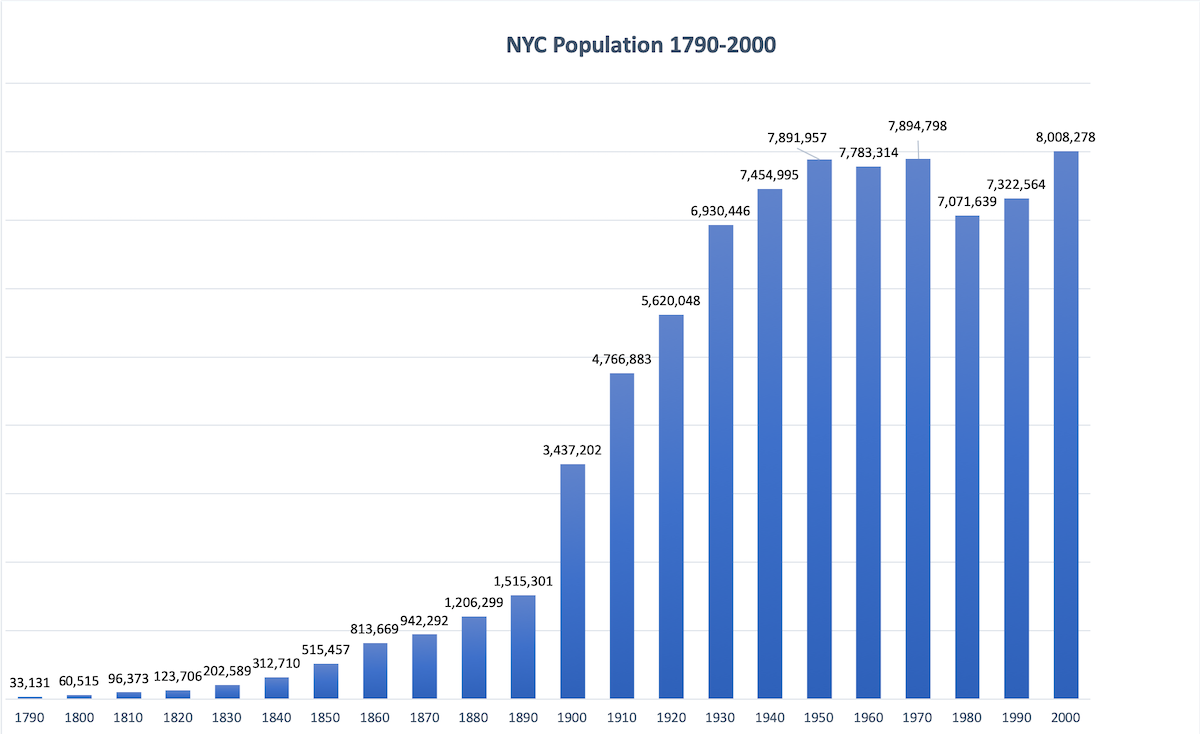
As one of the world’s most populous and densely packed major cities, New York City boasts a staggering official residential population. The five boroughs—Manhattan, Brooklyn, Queens, The Bronx, and Staten Island—collectively house over 8 million people. This makes it the most populous city in the United States, an astounding concentration of diverse cultures, languages, and lifestyles.
Manhattan, though not the most populous borough, is the most densely packed, with over 1.6 million residents crammed into a relatively small island. This density is a defining feature, giving rise to its iconic skyscrapers and the constant, hurried pace of life. Brooklyn holds the title for the largest population, exceeding 2.6 million, reflecting its vibrant neighborhoods, artistic communities, and burgeoning family presence. Queens is the largest borough by area and incredibly diverse, home to over 2.3 million people, speaking an estimated 130 different languages – a true microcosm of global society. The Bronx, with over 1.4 million residents, is the only borough primarily located on the mainland United States, famed as the birthplace of hip-hop and for its historical parks and cultural institutions. Finally, Staten Island, often considered the greenest borough, has a population of just under 500,000, offering a quieter, more suburban feel while still being an integral part of the metropolitan fabric.
This residential population represents an extraordinary blend of people from every corner of the globe, creating a truly unique social and cultural landscape. Generations of immigrants have shaped New York’s identity, contributing to its unparalleled culinary scene, diverse festivals, and a pervasive sense of opportunity and resilience. Living in New York is an experience in itself, characterized by tight-knit communities within a bustling metropolis, constant innovation, and an unwavering spirit.
The Ever-Flowing Tide of Tourists and Visitors
Beyond its millions of permanent residents, New York City annually welcomes tens of millions of visitors from across the globe. Pre-pandemic, the city consistently hosted over 60 million tourists each year, a figure that dramatically increases the number of people present in the city on any given day. Even with recent fluctuations, visitor numbers remain incredibly high, solidifying New York’s status as a top global tourism destination.
This massive influx includes international tourists eager to see famous landmarks, domestic travelers exploring one of their nation’s most iconic cities, business professionals attending conferences or meetings, students pursuing educational opportunities, and individuals visiting friends and family. This transient population adds an incredible layer of dynamism to the city. During peak seasons, especially around holidays like Christmas or in the summer, certain areas like Times Square, Central Park, and major shopping districts can feel overwhelmingly crowded, testament to the city’s magnetic appeal.

The economic impact of this tourism wave is colossal, supporting hundreds of thousands of jobs in the hospitality, retail, entertainment, and transportation sectors. Hotels, from lavish five-star properties to charming boutique accommodations, are constantly busy catering to this demand. Restaurants thrive on a steady stream of diners, and attractions rely on ticket sales to maintain their operations. For those wondering how many people are truly in New York at any moment, it’s safe to assume a number significantly higher than its official residential count, often swelling by millions during peak hours and seasons.
New York’s Irresistible Pull: What Draws the Crowds?
The sheer volume of people in New York is no accident; it’s a direct result of the city’s unparalleled attractions, cultural richness, and vibrant lifestyle offerings. From world-renowned landmarks to an endless array of experiences, New York caters to every taste and interest.
Iconic Landmarks and World-Class Attractions
One of the primary drivers of New York’s enduring popularity is its collection of instantly recognizable landmarks and world-class attractions. These sites not only define the city’s skyline but also represent milestones in history, art, and human endeavor.
The Statue of Liberty, a symbol of freedom and democracy, welcomes visitors arriving by sea and ferry, offering breathtaking views of the city skyline. Nearby, Ellis Island tells the powerful story of immigration to the United States. Soaring above the streets, the Empire State Building provides panoramic vistas from its observation decks, a truly quintessential New York experience. Its Art Deco architecture and historical significance make it a must-see.
Central Park, an 843-acre urban oasis, offers a serene escape from the concrete jungle, with its sprawling lawns, picturesque lakes, walking paths, and famous landmarks like Bethesda Terrace and Strawberry Fields. It’s a beloved spot for both locals and tourists to relax, exercise, or simply soak in the city’s atmosphere.
Times Square, often called “The Crossroads of the World,” is an electrifying hub of flashing billboards, street performers, and massive crowds. It’s the heart of the Broadway theater district, where visitors can catch world-class musicals and plays, an experience synonymous with New York entertainment. Just a stone’s throw away, Rockefeller Center becomes a magical destination during the holidays with its famous Christmas tree and ice-skating rink, while offering stunning city views from Top of the Rock year-round.
For those interested in history and reflection, the 9/11 Memorial & Museum provides a poignant tribute to the victims of the 2001 terrorist attacks, a powerful and moving experience. Architectural marvels like the Brooklyn Bridge offer stunning pedestrian walks with iconic views of the Manhattan skyline.
Art and culture enthusiasts are spoiled for choice. The Metropolitan Museum of Art (The Met), one of the world’s largest and finest art museums, houses an encyclopedic collection spanning 5,000 years of art. The Museum of Modern Art (MoMA) showcases groundbreaking works of modern and contemporary art, while the Guggenheim Museum, an architectural masterpiece by Frank Lloyd Wright, offers unique exhibitions within its spiral ramps. These institutions alone could keep a visitor occupied for days, representing a fraction of New York’s vibrant museum scene.
A Hub for Culture, Cuisine, and Commerce
Beyond the iconic landmarks, New York’s enduring appeal lies in its unparalleled cultural diversity, world-class culinary scene, and status as a global center for commerce, fashion, and media. Each neighborhood offers a distinct personality and a wealth of experiences, making it a dream destination for explorers.
The city’s culinary landscape is legendary. From Michelin-starred restaurants to humble food trucks, New York offers every imaginable cuisine. Explore the vibrant street food scene in Jackson Heights, sample authentic Italian fare in Little Italy, or delve into the incredible array of dim sum and noodle shops in Chinatown. The West Village and Greenwich Village are renowned for their charming cafes, trendy eateries, and historic bars, while the Lower East Side buzzes with innovative dining concepts and nightlife. Visitors can embark on culinary tours, attend cooking classes, or simply wander and discover hidden gems.
New York is also a fashion capital, with Fifth Avenue showcasing flagship stores of international luxury brands and SoHo offering a mix of high-end boutiques and independent designers. For arts and entertainment beyond Broadway, the city boasts countless live music venues, comedy clubs, and performance spaces across all boroughs. From jazz clubs in Harlem to indie rock venues in Brooklyn, there’s always a show to catch.
The city’s cultural institutions extend beyond museums to include prestigious universities, research centers, and a thriving intellectual scene. This constant intellectual and creative ferment attracts bright minds from around the world, contributing to the city’s dynamic energy. Whether you’re interested in literature, history, science, or performing arts, New York has an institution or an event to satisfy your curiosity. This vibrant mix of culture, cuisine, and commerce creates an environment where both residents and visitors find endless opportunities for discovery and engagement.
Navigating the Urban Jungle: Accommodation and Lifestyle in NYC
With so many people converging on New York, understanding accommodation options and how to navigate the city becomes paramount for a comfortable and enjoyable visit. The lifestyle here is fast-paced, demanding adaptability, but also incredibly rewarding.
Choosing Your New York Stay: From Luxury to Budget
The sheer volume of visitors means New York offers an extensive range of accommodation options, catering to every budget and preference. From ultra-luxury hotels to more economical long-term stays, planning your lodging is a crucial step.
For those seeking an opulent experience, New York is home to some of the world’s most iconic luxury hotels. The Plaza Hotel, overlooking Central Park, is a timeless landmark synonymous with grandeur and impeccable service. The Waldorf Astoria, currently undergoing renovation but an enduring symbol of luxury, has hosted royalty and celebrities for decades. Other prestigious options include the St. Regis Hotel with its classic elegance and personalized butler service, and the modern chic of The Greenwich Hotel in Tribeca, known for its serene spa and celebrity appeal. These establishments offer unparalleled amenities, exquisite dining, and often boast historic significance, making them destinations in themselves.
Boutique hotels are also plentiful, offering unique designs, personalized service, and a more intimate atmosphere. These can be found in trendy neighborhoods like SoHo, the Meatpacking District, and Greenwich Village, providing a distinct local flavor to your stay.
Mid-range hotels provide a comfortable balance of amenities and affordability, often located conveniently near major attractions and transportation hubs. For budget-conscious travelers, hostels, guesthouses, and economy hotels offer more wallet-friendly options, particularly outside of Manhattan. It’s always advisable to book well in advance, especially during peak seasons, as demand can drive up prices significantly.
Beyond traditional hotels, the rise of short-term apartment rentals has provided another popular avenue for visitors, particularly for families or those planning a longer stay. These offer the flexibility of a home away from home, often with kitchen facilities, which can be a boon for budget travel and experiencing a more local lifestyle. However, it’s essential to be aware of local regulations regarding short-term rentals, which vary by borough and building. Regardless of choice, researching reviews, comparing prices, and considering the proximity to desired attractions and subway lines are key steps in securing the ideal New York accommodation.
Experiencing New York: Tips for Thriving Amidst the Crowds
Navigating a city with millions of residents and visitors can be daunting, but with a few practical tips, you can truly thrive amidst the crowds and make the most of your New York experience.
Firstly, public transportation is your best friend. The New York City Subway system is extensive, running 24/7, and is often the quickest way to get around, especially in Manhattan. Purchase a MetroCard for easy access. While walking is also an excellent way to explore neighborhoods, be prepared for long distances and comfortable shoes are a must. Taxis and ride-sharing services are readily available but can be slow and expensive, especially during rush hour.
To avoid the heaviest crowds at popular attractions, consider visiting early in the morning or later in the evening. Many museums offer late-night hours, and major landmarks like the Empire State Building can be less crowded after dark. Purchasing tickets online in advance is highly recommended for all major attractions, as it often allows you to bypass long lines.
Dining in New York can be an adventure. While many restaurants are walk-in friendly, especially casual eateries, booking reservations for popular restaurants, particularly for dinner, is essential. Utilize apps like OpenTable to secure your spot. Don’t be afraid to venture beyond the main tourist areas for dining; local spots often offer more authentic experiences and better value.
Managing expenses is also key. New York can be an expensive city, but there are plenty of free or low-cost activities. Walking across the Brooklyn Bridge, exploring Central Park, window shopping along Fifth Avenue, or taking the Staten Island Ferry past the Statue of Liberty all cost nothing but offer invaluable experiences. Look for happy hour deals, lunch specials, and consider self-catering some meals if staying in an apartment.
Embrace the energy of the city. While the crowds can sometimes be overwhelming, they are an intrinsic part of what makes New York so vibrant. Be patient, be aware of your surroundings, and allow yourself to get lost in the unique rhythm of this incredible metropolis.
The Economic and Social Impact of New York’s Populousness
The sheer number of people living in and visiting New York has profound economic and social implications, shaping the city’s infrastructure, services, and unique community dynamics.
Boosting the Economy: Jobs and Services
The massive population of New York City, coupled with its status as a global tourism hub, is an undeniable engine for its robust economy. Millions of residents require services, goods, and infrastructure, creating a vast job market. The constant influx of tens of millions of visitors further amplifies this, fueling a multi-billion dollar tourism industry.
This dynamic ecosystem supports an incredible diversity of jobs. The hospitality sector, encompassing hotels, restaurants, bars, and event spaces, directly employs hundreds of thousands of people. From concierges at the St. Regis Hotel to chefs in Greenwich Village bistros, the demand for services is continuous. Retail, from the luxury boutiques of Fifth Avenue to the diverse shops in Chinatown, thrives on both resident and tourist spending. The transportation network – from the subway operators to taxi drivers and ride-share services – is another major employer, essential for moving millions daily.
Beyond direct tourism, New York is a global financial capital, a media and fashion powerhouse, and a hub for technology and healthcare. The sheer density of people provides a massive talent pool and a captive market, attracting businesses from around the world. Construction is almost perpetually underway, supporting jobs in building and infrastructure development. The high population density necessitates a massive public service infrastructure, including sanitation, emergency services, and education, all of which create stable employment opportunities. This economic vitality is cyclical: more people mean more demand, leading to more jobs, which in turn attracts more people, reinforcing New York’s status as a powerhouse.
The Human Experience: Connecting in a City of Millions
Living or visiting a city as populous as New York offers a unique human experience, characterized by both an invigorating anonymity and surprising opportunities for connection. The sheer volume of people can initially feel overwhelming, a constant flow of humanity moving with purpose. Yet, amidst this grand scale, distinct communities and social structures thrive.
For residents, the city fosters a sense of resilience and adaptability. Navigating crowded subways, busy sidewalks, and competitive housing markets becomes a part of daily life. However, this shared experience often creates a strong bond and a unique New York camaraderie. Neighbors, even in a city of millions, form support systems, and local businesses become community anchors. There’s a pervasive feeling that everyone is chasing a dream, contributing to a collective ambition that drives the city forward.
For visitors, the anonymity can be liberating. One can observe, explore, and participate without the constant scrutiny sometimes found in smaller communities. However, genuine connections can also be forged, whether it’s through a conversation with a street vendor, a fellow traveler, or the welcoming staff at a boutique hotel. The city’s diversity means that one can find like-minded individuals or discover entirely new perspectives around every corner. From cultural festivals in Queens to community events in Brooklyn, opportunities for engagement are abundant. The constant presence of millions of stories, dreams, and aspirations creates an energetic, almost palpable atmosphere that defines the New York experience, making it a place where one feels both a tiny part of something immense and an individual witnessing the world unfold.
In conclusion, the question of “How many people in New York?” is a gateway to understanding the city’s very essence. It’s a metropolis where over 8 million residents build their lives, and where tens of millions of visitors contribute to an ever-changing population count, drawn by the promise of iconic landmarks like the Statue of Liberty and Times Square, world-class culture, and an unparalleled lifestyle. This dynamic human tapestry is what fuels New York’s economy, shapes its identity, and ensures its enduring legacy as a truly global and unforgettable destination. Whether you come for a short stay in a luxury hotel or to experience the vibrant rhythm of daily life, you become part of the millions who make New York what it is: an endlessly fascinating urban marvel.
LifeOutOfTheBox is a participant in the Amazon Services LLC Associates Program, an affiliate advertising program designed to provide a means for sites to earn advertising fees by advertising and linking to Amazon.com. Amazon, the Amazon logo, AmazonSupply, and the AmazonSupply logo are trademarks of Amazon.com, Inc. or its affiliates. As an Amazon Associate we earn affiliate commissions from qualifying purchases.