
Embarking on an Alaska cruise is an unparalleled journey, a gateway to a world of majestic glaciers, abundant wildlife, and captivating wilderness. This unique Travel experience promises breathtaking landscapes and unforgettable moments, but the “best time” to embark on such an adventure is a question many prospective travelers ponder. Unlike conventional Destinations, Alaska’s cruise season is relatively short, primarily spanning from late April or early May through late September. Within this window, each month offers distinct advantages and potential trade-offs, making the optimal choice highly dependent on individual priorities, whether they involve wildlife viewing, weather preferences, crowd avoidance, or budget considerations.
Choosing the ideal time means aligning your expectations with what the Alaskan wilderness provides in different periods. Do you dream of seeing humpback whales breach, brown bears fishing for salmon, or the vibrant hues of autumn? Are you seeking the warmest temperatures and longest daylight hours, or are you hoping to snag a bargain and avoid the peak season rush? This comprehensive Guide will delve into the nuances of each part of the season, helping you plan an Alaska cruise that perfectly matches your desired Experiences. From understanding the local Nature and typical weather patterns to navigating Accommodation options and maximizing your Tourism Activities, we’ll explore all aspects to ensure your Alaskan adventure is nothing short of spectacular.
Understanding the Alaska Cruise Season: A Month-by-Month Guide
The Alaskan cruise season is traditionally divided into three main periods: the early season, the peak season, and the late season. Each phase presents a unique tapestry of conditions, wildlife opportunities, and crowd levels, significantly influencing the overall cruise experience.
Early Season Cruises: May (Late April – Early June)
The early season, typically kicking off in late April and running through May, is often considered the domain of the seasoned traveler or those on a tighter budget. It’s a time when Alaska begins to awaken from its winter slumber, offering a serene and often spectacular introduction to the Last Frontier.
Pros:
- Fewer Crowds and Lower Prices: One of the most significant advantages of traveling during the early season is the noticeable decrease in tourist traffic. Ships are less crowded, popular Attractions and excursions are more accessible, and you’re more likely to find attractive deals on cruise fares and pre/post-cruise Hotels. This makes it an excellent choice for Budget Travel enthusiasts and those seeking a more tranquil journey.
- Spectacular Scenery: May showcases Alaska at its most pristine, with snow still clinging to mountain peaks, creating dramatic contrasts against the emerging greenery. The waterfalls are often at their most powerful due to melting snow, and the fjords sparkle with a fresh, crisp clarity.
- Wildlife Watching Opportunities: While some wildlife may still be emerging, May is an excellent time for whale watching. Humpback whales begin to return to Alaskan waters, often with their calves, offering intimate viewing opportunities. Bears are also more active as they forage for early spring vegetation, and migratory birds make their return.
- Longer Daylight Hours: Even in May, you’ll experience a significant increase in daylight, providing ample time to enjoy the scenery and participate in shore excursions.
Cons:
- Colder and Potentially Wetter Weather: Temperatures in May can still be quite cool, often ranging from 40s to 50s Fahrenheit (4-15°C). While sunshine is common, rain showers are also a possibility, and some days can feel quite chilly, especially on the water. Proper layering is essential.
- Limited Excursion Availability: A small number of shore excursions or land Attractions, particularly those at higher elevations or requiring warmer conditions, might not yet be fully operational in early May.
- Less Lush Foliage: The landscape is still transitioning from winter, so while the mountains are snow-capped and dramatic, the greenery won’t be as vibrant or dense as it is in the peak summer months.
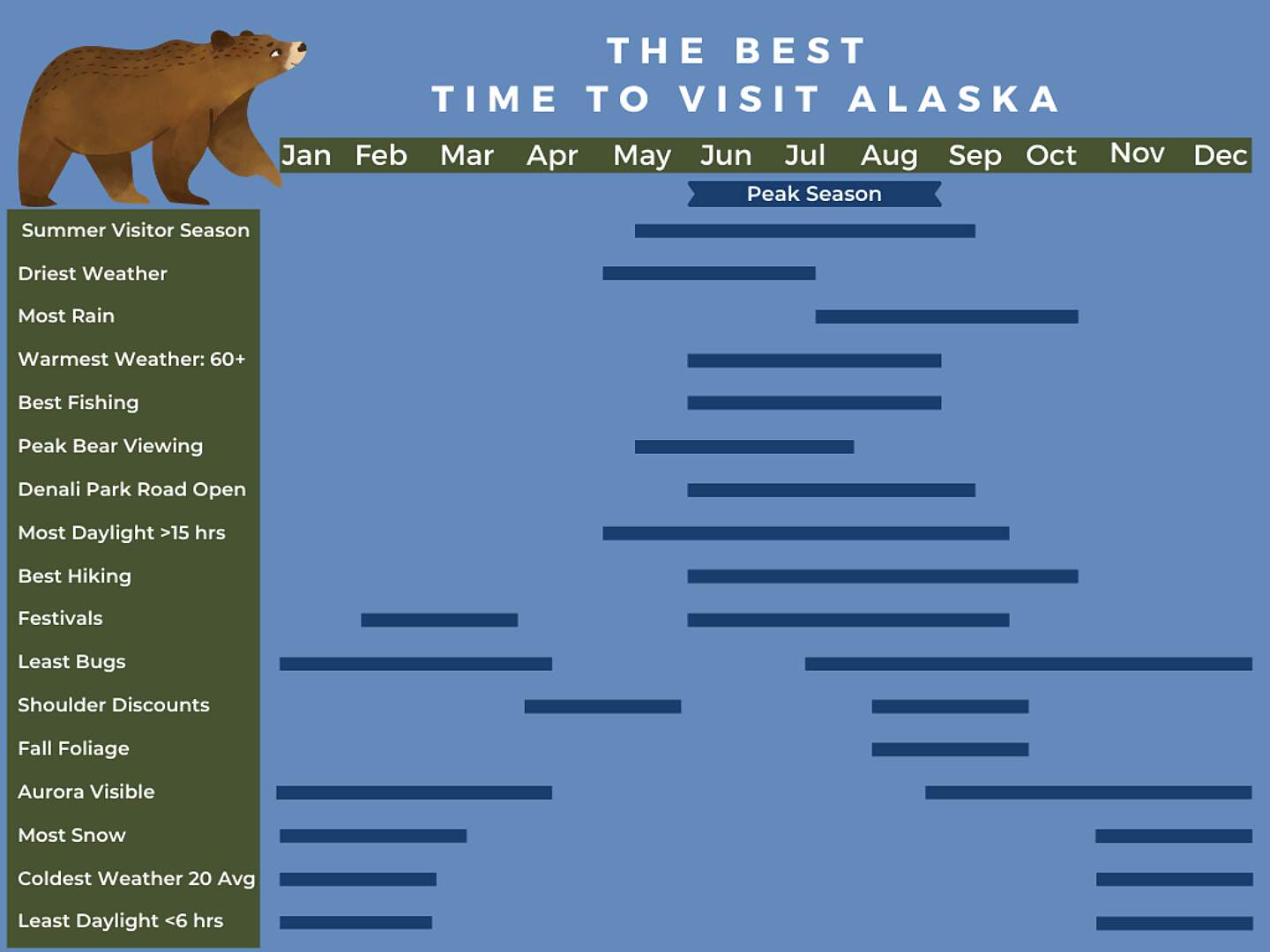
Traveler Profile: The early season is ideal for nature photographers, budget-conscious travelers, those who prefer a quieter atmosphere, and anyone particularly interested in whale watching and the raw, untamed beauty of a still-waking wilderness.
Peak Season Cruises: June, July, and Early August
The heart of the Alaska cruise season, spanning June, July, and early August, is when the region truly comes alive with warmth, endless daylight, and a flurry of activity. This is the most popular time to visit, and for good reason, though it comes with its own set of considerations.
Pros:
- Warmest and Driest Weather: These months typically offer the most favorable weather conditions, with average temperatures ranging from the 50s to 70s Fahrenheit (10-21°C). While rain is always possible in Alaska, these months generally see less precipitation, making for comfortable exploration.
- Longest Daylight Hours: Mid-summer brings the “midnight sun” phenomenon, with incredibly long daylight hours, particularly in June around the summer solstice. This maximizes sightseeing and excursion time, allowing for extended enjoyment of the stunning scenery.
- Prime Wildlife Viewing: The peak season is superb for spotting a wide array of Alaskan wildlife. Bears are highly active, especially as salmon runs begin in July and August. Whales, seals, sea lions, and marine birds are abundant, with eagles soaring overhead. Denali National Park is fully open and bustling with opportunities to see moose, caribou, and more.
- All Excursions and Attractions Fully Open: Every adventure option, from glacier treks and kayaking to fishing charters and cultural tours, is typically available. This provides the widest range of Activities and Experiences.
- Lush, Vibrant Scenery: The landscape bursts with life, featuring vibrant green forests, blooming wildflowers, and clear blue skies, creating a picturesque backdrop for your journey.

Cons:
- Most Expensive and Largest Crowds: Demand during the peak season drives up prices for cruise fares, flights, and land-based Accommodation. Popular ports of call like Juneau, Skagway, and Ketchikan can be very busy, with multiple ships in port daily. Early Booking is essential, often 9-12 months in advance, especially for specific Suites or desirable excursion slots.
- Potential for Mosquitoes: With warmer weather and lush vegetation comes the potential for mosquitoes, especially on land excursions away from coastal breezes.
Traveler Profile: This period is ideal for first-time Alaskan cruisers, Family Trips, those who prioritize comfort and optimal weather, and anyone who wants to ensure access to the full spectrum of available Activities and wildlife viewing.
Late Season Cruises: Late August and September
As summer begins its graceful exit, the late season from late August through September offers a distinct charm, appealing to those who appreciate autumn’s beauty and a more subdued travel experience.
Pros:
- Stunning Fall Foliage: One of the main draws of the late season is the explosion of vibrant fall colors. The tundra transforms into a canvas of reds, oranges, and yellows, providing spectacular photographic opportunities.
- Fewer Crowds and Better Prices: Similar to the early season, crowds begin to thin out, and cruise fares often drop as the season winds down. This presents another excellent opportunity for Budget Travel or for finding value in more upscale Resorts or Luxury Travel options.
- Excellent Wildlife Viewing: Bears are particularly active in late summer and early fall, gorging on the abundant salmon runs to prepare for hibernation, making it a prime time for bear-watching excursions. Whales are still present, and bird migrations begin.
- Potential for the Aurora Borealis: As daylight hours shorten, the chances of seeing the mesmerizing Northern Lights (Aurora Borealis) increase, especially on land extensions in interior Alaska away from city lights.
- Active Local Culture: Many local communities hold fall festivals and events before winter sets in, offering unique insights into Alaskan Lifestyle and Food.

Cons:
- Colder and Wetter Weather: The weather in September can be noticeably cooler and wetter than in July or August. Temperatures typically range from the 30s to 50s Fahrenheit (0-15°C), and rain showers are more frequent. Layers, waterproof outer gear, and warm clothing are essential.
- Shorter Daylight Hours: The days get progressively shorter, meaning less time for sightseeing later in the day, though this is a trade-off for the chance to see the aurora.
- Some Excursions May Close: As the season nears its end, some outdoor Activities or small tour operators may begin to close down or offer reduced schedules.
Traveler Profile: The late season is perfect for repeat cruisers, photographers, aurora seekers, value-conscious travelers, and those who appreciate the tranquil beauty of autumn in Alaska. It’s also a good choice for those combining a cruise with a land tour into the interior.
Tailoring Your Alaska Cruise Experience to Your Priorities
Beyond the general seasonal breakdown, your specific interests should guide your decision. Alaska offers a myriad of Experiences, and timing can profoundly impact which ones you get to savor.
For Wildlife Enthusiasts: When to Spot Alaska’s Iconic Animals
Alaska is a wildlife paradise, but the visibility of different species varies throughout the season.
- Whales (Humpback, Orca, Gray): Whale watching is generally excellent throughout the entire season (May-September), with peak activity often observed from June to August as the whales are actively feeding. Tours in places like Juneau and Icy Strait Point are consistently productive.
- Bears (Brown, Black, Grizzly): For prime bear viewing, late July through September is often best, coinciding with the salmon runs in rivers and streams. This is when bears are most concentrated and actively fishing. Consider land excursions to special viewing Attractions such as Pack Creek Bear Viewing Area or flightseeing tours.
- Marine Life (Otters, Seals, Sea Lions): These charismatic creatures are common sightings throughout the season in coastal waters and near glaciers like Hubbard Glacier or within Glacier Bay National Park.
- Birds (Bald Eagles, Puffins): Migratory birds, including puffins and many seabirds, are typically most active from May to July. Bald eagles are a common sight year-round, but their nests are most visible in the spring and early summer.
For Budget-Conscious Travelers: Maximizing Value
If cost is a primary concern, focusing on the shoulder seasons (May and September) is your best strategy. These months typically offer significantly lower cruise fares and often better deals on pre- and post-cruise Accommodation in embarkation cities like Seattle or Vancouver. Booking far in advance, especially for popular itineraries or specific Hotels, can also secure better rates. Look for Reviews and perform Comparison shopping for cabins, shore excursions, and flights. Some cruise lines also offer early Booking perks, such as onboard credit or complimentary drink packages, which can further enhance your Budget Travel experience.
For Weather-Wary Explorers: Best Bet for Sunshine
While Alaska’s weather is notoriously unpredictable, June and July generally offer the warmest temperatures and the highest likelihood of sunny days. However, it’s crucial to remember that coastal Alaska is a rainforest, meaning rain can occur at any time. The key to enjoying Alaska, regardless of the month, is to pack in layers. A waterproof and windproof outer shell, fleece layers, and quick-drying clothing will ensure comfort in various conditions. Don’t let a bit of rain deter you; it often creates stunning misty landscapes and vibrant rainbows.
For Photography and Scenic Views: Capturing Alaska’s Beauty
Alaska is a photographer’s dream, and each part of the season offers unique visual appeal.
- Early Season (May): Captures the dramatic contrast of snow-capped mountains against emerging green, powerful waterfalls, and often clearer skies. The calving of glaciers (e.g., Mendenhall Glacier, Hubbard Glacier) can be more frequent.
- Peak Season (June-August): Showcases lush landscapes, vibrant wildflowers, abundant wildlife in action, and the iconic “golden hour” extending for hours due to long daylight. This is prime time for capturing wildlife portraits and expansive green vistas.
- Late Season (Late August-September): Unveils the breathtaking tapestry of fall foliage, with mountainsides ablaze in fiery hues. The dramatic light and increased potential for the Northern Lights make it ideal for landscape and aurora photography.
Regardless of the timing, Landmarks like Glacier Bay National Park and the various glaciers offer consistently stunning backdrops for any photographer.
Beyond the Ship: Pre and Post-Cruise Adventures
An Alaska cruise offers a deep dive into coastal wonders, but many travelers choose to extend their Travel with land-based explorations, providing a fuller picture of this vast state.
Enhancing Your Journey with Land Extensions
Many cruise lines offer “cruisetours,” which combine a 7-day cruise with a 3-7 day land tour into the interior of Alaska. These extensions typically include visits to Anchorage, Denali National Park, and often Fairbanks or the Kenai Peninsula. This allows you to experience the diverse ecosystems and famous Landmarks not accessible from the coast.
- Denali National Park: This is often the highlight of any land extension, offering incredible wildlife viewing (bears, moose, caribou, wolves) and unparalleled views of Denali, North America’s highest peak. The park’s full road system is usually open from early June to mid-September.
- Anchorage: As Alaska’s largest city, Anchorage serves as a common hub for pre or post-cruise stays, offering a blend of urban Amenities, Local Culture, and access to outdoor Activities.
- Embarkation/Disembarkation Cities: Consider spending extra time in your port city, whether it’s Seattle or Vancouver to the south, or Seward or Whittier in Alaska. These cities offer their own unique Attractions, from Famous Places and Architecture to vibrant culinary scenes and opportunities for additional Activities.
Planning Your Accommodation and Travel Logistics
Regardless of your chosen cruise season, careful planning is paramount.
- Accommodation: For pre- and post-cruise stays, especially in peak season, booking Hotels, Suites, or even Apartments and Villas well in advance is crucial. Popular choices in Seattle, Vancouver, and Anchorage fill up quickly. For extended stays, exploring Long-term Stay options might be beneficial. Look for hotels near cruise terminals or with easy access to public transport.
- Flights: Airfare to Alaska or the departure cities can be a significant cost. Booking flights early, especially for summer Travel, is advisable. Consider connecting flights and transfer logistics to ensure a smooth transition to and from your cruise ship.
- Excursions: Some popular shore excursions, particularly those with limited capacity like small group wildlife tours or flightseeing trips, can sell out months in advance, especially during peak season. Pre-Booking these through your cruise line or independent operators is highly recommended.
- Tips for a Seamless Experience: Stay flexible with your itinerary if possible, be prepared for all types of weather, and embrace the unexpected. Reading Reviews and doing a thorough Comparison of various cruise lines and itineraries can greatly enhance your planning process.
Conclusion
Ultimately, there is no single “best” time to cruise Alaska; rather, there is a best time for you, depending on what you value most in your travel experience.
- Choose May for fewer crowds, lower prices, snow-dusted landscapes, and excellent early-season whale watching. It’s perfect for budget-conscious travelers and those seeking tranquility.
- Opt for June, July, or early August if you prioritize the warmest weather, longest daylight hours, peak wildlife viewing across all species, and access to all Activities and excursions. Be prepared for higher costs and larger crowds.
- Select late August or September for stunning fall foliage, active bear viewing, reduced prices, and the captivating possibility of witnessing the Northern Lights. This period appeals to photographers and those who enjoy a more serene atmosphere.
An Alaska cruise offers a truly unique fusion of Nature’s grandeur, rich History, and vibrant Local Culture. By carefully considering these seasonal nuances and aligning them with your personal preferences and budget, you can plan an unforgettable voyage to the Last Frontier. Whether you’re seeking a Luxury Travel escape or an adventurous Family Trip, Alaska awaits with its majestic beauty, ready to leave an indelible mark on your memory.
LifeOutOfTheBox is a participant in the Amazon Services LLC Associates Program, an affiliate advertising program designed to provide a means for sites to earn advertising fees by advertising and linking to Amazon.com. Amazon, the Amazon logo, AmazonSupply, and the AmazonSupply logo are trademarks of Amazon.com, Inc. or its affiliates. As an Amazon Associate we earn affiliate commissions from qualifying purchases.