
Embarking on a culinary journey, whether it’s through the bustling markets of Marrakech or the serene countryside of Tuscany, often leads to delightful discoveries and intriguing questions about local ingredients and preparations. One such common query that perplexes many home cooks and food enthusiasts alike, especially those exploring the rich tapestry of American barbecue, is the distinction between a pork shoulder and a Boston Butt. While frequently used interchangeably, these two cuts, though both derived from the same general area of the pig, possess subtle yet significant differences that impact their cooking methods, textures, and ultimately, the final gastronomic experience. Understanding these nuances is not just about mastering a recipe; it’s about appreciating the heritage of culinary traditions and empowering oneself to seek out authentic flavors during travels. From the smoky pits of Texas to the vibrant kitchens of Mexico City, the humble pork shoulder, in its various guises, plays a starring role in countless dishes, reflecting the diverse palates and histories of communities around the globe.
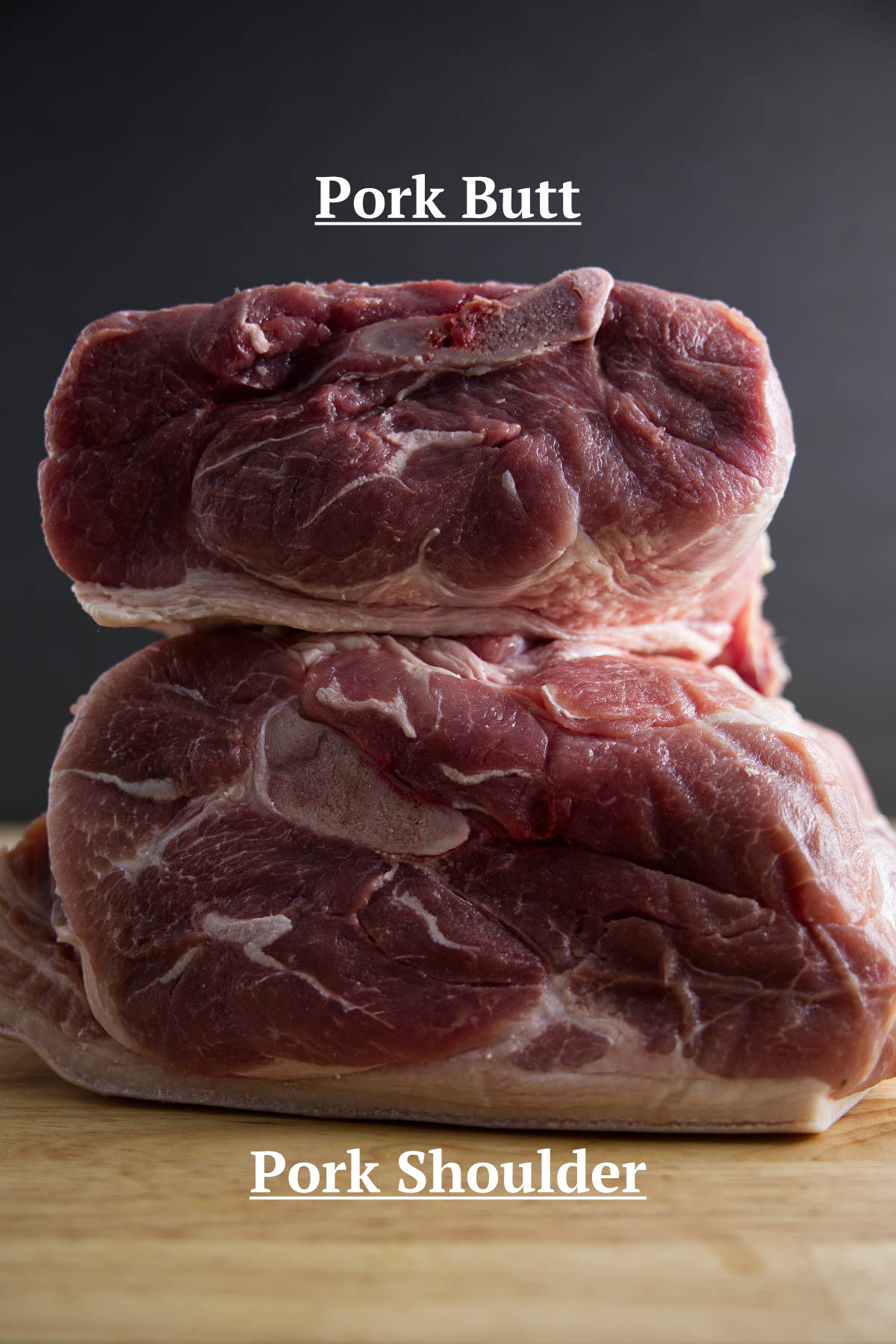
Unraveling the Culinary Mystery: Pork Shoulder vs. Boston Butt
At first glance, the terms “pork shoulder” and “Boston Butt” might seem synonymous, and indeed, they are both sourced from the front leg of a pig. However, the nomenclature hides a more specific reality that is crucial for achieving desired results in dishes like pulled pork or succulent roasts. Understanding their anatomical origins and compositional differences is the first step in demystifying this common culinary conundrum. For any traveler passionate about local cuisine, recognizing these distinctions can be the key to ordering the perfect dish or even attempting to recreate a cherished memory in a self-catering apartment rental abroad.
The Anatomy of a Pork Shoulder
The term “pork shoulder” generally refers to the entire shoulder primal cut of the pig. This large cut encompasses both the upper part of the front leg and a portion of the picnic shoulder. It’s often sold as two distinct sub-primal cuts: the picnic shoulder and the Boston Butt. The pork shoulder is known for its robust flavor and high collagen content, making it ideal for slow cooking methods. When you encounter a whole pork shoulder, you’re looking at a versatile piece of meat that can be deboned, rolled, and roasted, or sectioned for various preparations. Its inherent toughness, due to the muscles being heavily used by the pig, translates into incredibly tender and flavorful results when cooked low and slow, allowing the connective tissues to break down into gelatin. This characteristic is particularly sought after in many global cuisines, from the slow-roasted delights found in European countryside villas to the savory stews enjoyed in bustling Asian food markets.
Understanding the Boston Butt: A North American Specialty
The Boston Butt, despite its name, is not from the rear end of the pig. In fact, it is the upper portion of the pork shoulder, specifically the square-cut primal that includes the blade bone (scapula). The intriguing name is believed to have originated in New England before the American Revolution, when butchers in Boston packed less prized cuts of pork into wooden barrels called “butts.” This cut is characterized by its rectangular shape, generous marbling of fat, and a good balance of muscle and connective tissue. It typically weighs between six and nine pounds and is the preferred cut for classic American pulled pork barbecue due to its ideal fat-to-meat ratio and the bone-in structure that contributes to its rich flavor and moisture retention. Travelers visiting the Southern United States will undoubtedly encounter the Boston Butt as the cornerstone of regional barbecue traditions, from the vinegary sauces of North Carolina to the savory rubs of Kansas City.
Key Differences in Cut and Composition
The primary difference lies in the specific location on the pig and the resulting composition. The Boston Butt is a subset of the larger pork shoulder. While the whole pork shoulder (sometimes called “picnic shoulder” or “picnic roast” when sold with the lower arm bone) includes more of the leg muscle and can be somewhat leaner with more varied muscle groups, the Boston Butt is consistently well-marbled. This higher fat content in the Boston Butt renders beautifully during slow cooking, basting the meat from within and contributing to an unparalleled juiciness and tenderness. Furthermore, the presence of the blade bone in the Boston Butt not only adds flavor but also helps to conduct heat evenly throughout the roast, leading to a more consistently cooked product. While both cuts benefit from low and slow cooking, the Boston Butt is arguably the superior choice for applications where ultimate tenderness, moisture, and “shreddability” are desired, such as pulled pork. For those exploring the culinary offerings of various destinations, understanding these distinctions can elevate the experience, allowing one to appreciate the subtle art behind local dishes and perhaps even book a culinary workshop at a boutique resort to learn these techniques firsthand.
A Global Gastronomic Journey: Pork Cuts Across Cultures
The versatility of pork shoulder extends far beyond American barbecue, playing a pivotal role in traditional cuisines across continents. As a staple protein, its ability to transform into incredibly tender and flavorful dishes through slow cooking has made it a favorite in cultures where comfort food and communal meals are central. For the intrepid food traveler, seeking out these regional specialties is a rewarding aspect of exploring local culture and an unparalleled experience in culinary tourism. From rustic farm stays to luxury hotel suites, the aroma of slowly cooked pork often signals an authentic and memorable dining opportunity.
From Southern United States to Mexico: Regional Preparations
In the Southern United States, the Boston Butt reigns supreme as the undisputed king of pulled pork. Whether smoked over hickory in Memphis, doused in vinegar in North Carolina, or spiced with a dry rub in Texas, the preparation of this cut is a serious affair, deeply rooted in regional pride and tradition. Barbecue joints, from humble roadside stands to acclaimed establishments in cities like New Orleans, often become landmarks for food lovers. Across the border, in Mexico, pork shoulder is transformed into carnitas, a dish where chunks of pork are slowly simmered in lard until incredibly tender, then often crisped up, resulting in a rich, flavorful experience that’s a must-try for any visitor. The vibrant markets of Oaxaca or Puebla offer prime opportunities to savor authentic carnitas and other pork shoulder delights, highlighting the immense influence of local culture on food.
European Delicacies: Germany and France’s Approach to Pork
Europe also boasts a rich tradition of utilizing pork shoulder. In Germany, the pork shoulder (often the picnic shoulder) is famously prepared as Schweinshaxe, a crispy-skinned roasted ham hock that is a quintessential dish in Bavarian beer halls, especially during Oktoberfest. The slow roasting ensures the meat is fall-off-the-bone tender while the skin achieves an irresistible crackle. Likewise, in France, pork shoulder is used in hearty stews like potée or transformed into savory pâtés and rillettes, often found in charming village markets or served in traditional bistros in Paris or the Loire Valley. These preparations showcase the French culinary philosophy of respecting every part of the animal and transforming humble cuts into gourmet delights. Exploring these distinct cooking styles offers a profound insight into the local lifestyle and culinary heritage, often best experienced during a long-term stay in a regional villa or charming boutique hotel.
Asian Inspirations: Pork in China and Japan
The Asian continent showcases an incredible array of pork shoulder dishes, reflecting its integral role in daily cuisine. In China, especially Cantonese cuisine, pork shoulder is a key ingredient for Char Siu, or Chinese BBQ pork, marinated and roasted to a beautiful glaze, often found hanging in the windows of restaurants in Hong Kong or Singapore. The same cut is also simmered for long hours in savory red-braised pork dishes, a staple in many family meals. In Japan, while pork loin is often favored for Tonkatsu, pork shoulder makes appearances in slow-cooked stews and ramen toppings, such as chashu, where it’s typically rolled and braised until incredibly tender and flavorful. For travelers venturing to cities like Kyoto or Tokyo, exploring these pork-centric dishes offers a delicious dive into the local gastronomy, often highlighting a balance of sweet, savory, and umami flavors. Many luxury hotels in these regions offer exquisite dining experiences featuring these traditional preparations, providing an accessible way to sample high-quality local fare.
Exploring Culinary Tourism: Savoring Local Flavors on Your Travels
Culinary tourism has become a major draw for travelers, transforming the act of eating into an immersive cultural experience. It’s not just about trying new foods; it’s about understanding their origins, the traditions behind them, and how they reflect the identity of a place and its people. For those fascinated by the pork shoulder and Boston Butt, delving into their local manifestations offers a particularly rich vein of discovery. From seeking out hidden gems in bustling cities to participating in hands-on experiences, food becomes the ultimate guide, enhancing every aspect of travel, from choosing the right accommodation to planning daily activities.
Finding Authentic Pork Dishes in New Orleans or Kansas City
To truly appreciate the art of pulled pork and its regional variations, a trip to the Southern United States is a must. In New Orleans, while famous for Creole and Cajun cuisine, you’ll find incredible barbecue joints tucked away, offering smoky, tender pork shoulder sandwiches that embody the soulful flavors of the South. Kansas City, on the other hand, is a mecca for barbecue, with its distinct sweet and tangy sauces and slow-smoked meats. Visiting these cities offers an authentic glimpse into the lifestyle of barbecue aficionados, often found in casual, family-run establishments that have perfected their craft over generations. Many hotels in these destinations can provide excellent local tips and guides to the best barbecue spots, some even offering special packages that include food tours.

Food Festivals and Culinary Workshops: An Immersive Experience
For a truly immersive experience, time your travels to coincide with a food festival focused on barbecue or slow-cooked meats. Events like the Memphis in May World Championship Barbecue Cooking Contest offer an unparalleled opportunity to sample diverse styles of pork shoulder preparations and engage directly with pitmasters. Beyond festivals, many destinations offer culinary workshops where you can learn to prepare traditional dishes using pork shoulder. Imagine taking a cooking class in Mexico to master the art of carnitas or a hands-on session in Germany to perfect Schweinshaxe. Such activities not only provide practical skills but also offer a deeper understanding of local ingredients and cooking philosophies, making for unforgettable travel experiences. Many resorts and specialized accommodation providers are now incorporating these types of cultural activities into their offerings, catering to the growing demand for experiential travel.
Accommodating Your Palate: Hotels with Exceptional Dining
When planning a trip centered around food, the choice of hotel or accommodation can significantly enhance the experience. Many luxury hotels and resorts pride themselves on their exceptional dining options, often featuring signature restaurants that highlight local cuisine with a refined touch. A Four Seasons in Mexico City might offer a gourmet take on carnitas, while a Mandarin Oriental in Bangkok could present exquisite pork dishes with a Thai flair. These establishments not only provide a high standard of service and comfort but also serve as culinary destinations in their own right. For those on a budget travel plan, even simpler hotels or guesthouses can offer invaluable tips on where to find the best local eateries, ensuring that every meal is an adventure. Some modern accommodations even come equipped with full kitchens, allowing travelers to experiment with local ingredients themselves, turning a simple apartment stay into a personal culinary retreat.
The Lifestyle of a Food Traveler: Budget, Luxury, and Family Adventures
The pursuit of delicious food knows no bounds, fitting seamlessly into various travel lifestyles. Whether one is embarking on a lavish culinary tour, seeking out affordable local bites, or planning a family adventure that introduces children to global flavors, the journey through the world of pork shoulder and Boston Butt can be tailored to any preference. This adaptability makes food tourism a universally appealing aspect of travel, enriching experiences from the most budget-conscious backpacker to the most discerning luxury connoisseur.
Budget-Friendly Bites: Street Food and Local Markets
For travelers keen on budget travel, the street food scene and local markets are treasure troves of affordable and authentic pork dishes. In places like Vietnam, you can find savory pork belly or shoulder in bánh mì sandwiches for just a few dollars. The night markets of Thailand offer an incredible array of grilled pork skewers and stir-fries. These bustling attractions not only provide delicious meals but also offer a vibrant glimpse into the local lifestyle and culture, often becoming memorable experiences in themselves. Exploring these food stalls allows travelers to interact directly with vendors, learn a few local phrases, and truly immerse themselves in the rhythm of the city. Finding these hidden gems is often one of the most rewarding aspects of a culinary adventure, providing both gastronomic delight and cultural enrichment.
Luxury Dining Experiences: Michelin-Starred Adventures
At the other end of the spectrum, luxury travel often involves seeking out Michelin-starred restaurants and fine dining establishments that elevate humble ingredients, including pork shoulder, to exquisite culinary art. A chef in a high-end restaurant in London or New York City might transform a slow-cooked pork shoulder into a sophisticated dish with innovative techniques and elegant presentation. Many luxury hotels and resorts house these celebrated dining rooms, offering impeccable service and curated menus. Booking a stay at a Ritz-Carlton or a Four Seasons often means having direct access to some of the world’s most acclaimed chefs and an opportunity to indulge in a truly memorable gastronomic journey. These experiences are not just about the food but about the entire ambiance, the expert wine pairings, and the unparalleled level of service, making them perfect for special occasions or business stays.
Family-Friendly Feasts: Introducing Kids to Global Cuisine
Traveling with family presents a wonderful opportunity to introduce children to diverse global cuisines. Pork shoulder, being a versatile and generally appealing meat, can be a great starting point. Whether it’s ordering pulled pork sandwiches at a casual barbecue joint in Austin, enjoying sweet and savory Char Siu in Singapore, or trying tender carnitas tacos in Mexico, these dishes are often crowd-pleasers. Many family-friendly resorts and hotels offer children’s menus that include local specialties in simplified forms, encouraging young palates to explore. Furthermore, opting for accommodation with kitchenettes or fully equipped kitchens, such as apartments or villas, allows families to prepare simple meals with local ingredients, turning cooking into a fun and educational activity. Engaging kids in the food experience, from visiting local markets to trying new flavors, fosters a lifelong appreciation for travel and diverse cultures, making every family trip an enriching adventure.
In conclusion, while the pork shoulder and the Boston Butt are intrinsically linked, they are not precisely the same. The Boston Butt is a specific, well-marbled cut from the upper portion of the pork shoulder, making it the preferred choice for iconic dishes like pulled pork. Understanding this distinction not only enhances one’s culinary knowledge but also enriches the entire travel experience. Whether you’re seeking out the best barbecue in the Southern United States, savoring carnitas in Mexico, or exploring the diverse pork dishes of Europe and Asia, the world of slow-cooked pork offers an incredible journey for the senses, tying together destinations, cultures, and unforgettable flavors.
LifeOutOfTheBox is a participant in the Amazon Services LLC Associates Program, an affiliate advertising program designed to provide a means for sites to earn advertising fees by advertising and linking to Amazon.com. Amazon, the Amazon logo, AmazonSupply, and the AmazonSupply logo are trademarks of Amazon.com, Inc. or its affiliates. As an Amazon Associate we earn affiliate commissions from qualifying purchases.