
Resorts represent a distinct evolution in the hospitality industry, moving beyond mere lodging to offer comprehensive experiences designed for relaxation, recreation, and escape. They are more than just hotels; they are destinations in themselves, meticulously crafted to provide guests with a seamless and immersive getaway. Understanding what defines a resort is key to appreciating the multifaceted nature of modern travel and leisure.
The Essence of the Resort Experience
At its core, a resort is a type of hospitality establishment that provides lodging, entertainment, and dining, often in a setting that emphasizes leisure and rejuvenation. Unlike a standard hotel, which primarily offers a place to sleep and basic services, a resort aims to provide a complete vacation experience within its premises. This is achieved through a combination of extensive facilities, curated activities, and a deliberate atmosphere designed to facilitate relaxation and enjoyment.

Beyond the Room: Comprehensive Amenities
The defining characteristic of a resort lies in its comprehensive array of amenities. These can span a vast spectrum, catering to diverse interests and needs.
Recreational Facilities
A hallmark of most resorts is their commitment to recreation. This typically includes:
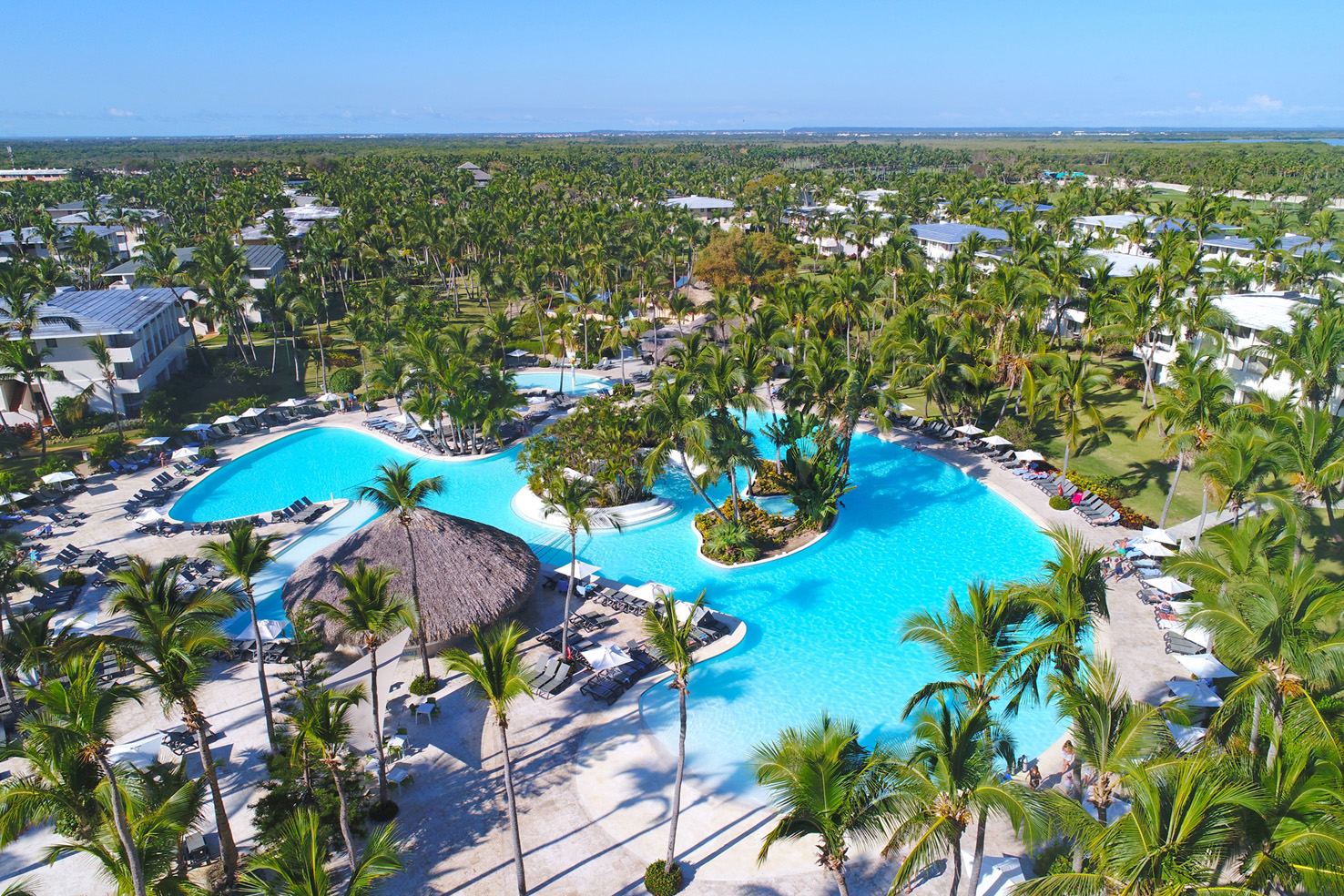
- Swimming Pools: Often multiple, including infinity pools, indoor pools, and children’s pools, frequently complemented by poolside bars and loungers.
- Fitness Centers: State-of-the-art gymnasiums offering a range of equipment and sometimes group fitness classes.
- Sports Facilities: Courts for tennis, basketball, or squash, as well as access to outdoor activities like golf, water sports (kayaking, paddleboarding, snorkeling), hiking trails, or even ski slopes depending on the location.
- Spas and Wellness Centers: Dedicated areas offering a variety of treatments, from massages and facials to hydrotherapy and yoga. These spaces are designed for ultimate relaxation and well-being.
Dining and Entertainment
Resorts excel in providing diverse culinary and entertainment options, ensuring guests rarely need to venture off-site for meals or evening activities.
- Multiple Restaurants and Bars: Offering a range of cuisines, from fine dining to casual buffets, and a variety of bar experiences, including lounges, sports bars, and themed establishments.
- Entertainment Venues: Some resorts feature live music, shows, nightclubs, casinos, or cinemas.
- Event Spaces: Many resorts are equipped to host conferences, weddings, and other special events.
Family-Friendly Features
For family resorts, a particular focus is placed on accommodating guests of all ages.
- Kids’ Clubs and Activities: Supervised programs offering games, crafts, and age-appropriate entertainment.
- Water Parks and Play Areas: Dedicated zones for children’s aquatic fun and exploration.
- Family Suites and Connecting Rooms: Accommodation options designed to suit families traveling together.
Types of Resorts and Their Specialties
The term “resort” is broad, encompassing various types of establishments tailored to specific niches and guest preferences. Recognizing these distinctions helps in choosing the ideal destination.
All-Inclusive Resorts
Perhaps one of the most popular types, all-inclusive resorts offer a package deal that typically covers accommodation, meals, beverages (alcoholic and non-alcoholic), and a range of activities and entertainment. This model provides guests with budget predictability and the convenience of not having to constantly pay for individual services. Popular in destinations like the Caribbean and Mexico, these resorts often focus on beach access and water-based activities.
Beach Resorts
Situated along coastlines, beach resorts capitalize on their proximity to the sea. Their primary draw is the beach itself, offering opportunities for sunbathing, swimming, and water sports. Amenities often include direct beach access, beachfront dining, and water sports equipment rental. Destinations like Bora Bora and the Maldives are synonymous with luxurious beach resorts.
Ski Resorts
Located in mountainous regions, ski resorts cater to winter sports enthusiasts. They offer access to ski slopes, snowboarding runs, and other snow-based activities. Beyond the slopes, they provide amenities such as ski schools, equipment rentals, and often cozy, alpine-themed accommodations. Aspen and Whistler Blackcomb are prime examples of world-renowned ski resorts.
Golf Resorts
Designed for golf aficionados, these resorts feature championship golf courses, practice facilities, and golf instruction. They often combine golfing with other leisure activities and luxurious accommodations. Pebble Beach Golf Links in California is an iconic example.
Casino Resorts
These resorts integrate extensive gaming facilities with accommodation, dining, and entertainment. They are often large complexes designed to keep guests engaged within the resort itself. Las Vegas is a global hub for such establishments, with iconic names like Bellagio and The Venetian defining the genre.
Spa and Wellness Resorts
Focusing on health and rejuvenation, these resorts offer extensive spa services, fitness programs, and often healthy dining options. They are sanctuaries for those seeking to de-stress, detoxify, or improve their overall well-being. Destinations like Sedona in Arizona are known for their wellness retreats.
Eco-Resorts and Sustainable Resorts
With a growing emphasis on environmental consciousness, eco-resorts are designed to minimize their impact on the natural surroundings. They often utilize sustainable building materials, renewable energy sources, and promote conservation efforts. These resorts offer a chance to connect with nature responsibly.
Theme Resorts
These resorts are built around a specific theme, such as a historical period, a fantasy world, or a particular interest. They offer immersive experiences that extend beyond typical amenities, often incorporating themed attractions, entertainment, and décor. Disneyland Resort in Anaheim, California, is a prime example of a resort built around a powerful theme.
The Strategic Location and Design of Resorts
The success of a resort is often dictated by its location and thoughtful design. Resorts are typically situated in desirable or scenic areas, chosen for their natural beauty, recreational potential, or cultural significance.
Setting the Scene: Location Matters
- Natural Beauty: Resorts are frequently found in breathtaking settings – along pristine beaches, nestled in mountains, overlooking vast forests, or beside tranquil lakes. This natural allure serves as a primary attraction.
- Accessibility: While exclusivity is often a factor, accessibility also plays a role. Resorts aim to be reachable, whether through dedicated airports, private transport services, or scenic drives, balancing seclusion with convenience.
- Climate: The prevailing climate of a region heavily influences the type of resort and the activities offered. Tropical climates lend themselves to beach and water sports, while cooler climates are ideal for ski resorts.
Architectural Harmony and Themed Environments
The architecture and design of a resort are integral to creating its unique atmosphere.
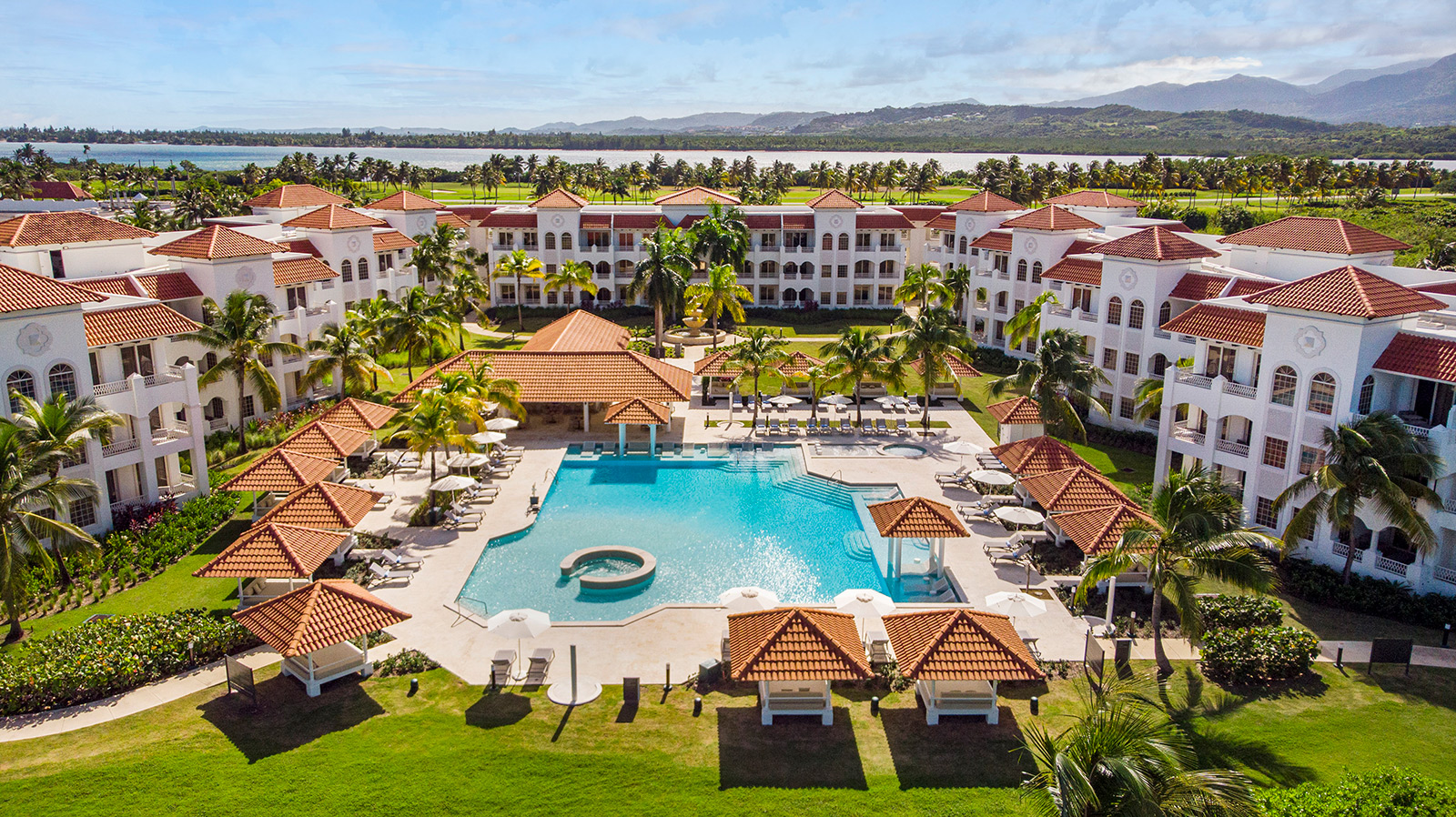
- Architectural Styles: Resorts often adopt architectural styles that complement their surroundings, whether it’s Mediterranean villas, Balinese pavilions, or modern minimalist structures.
- Themed Immersion: For themed resorts, the architecture, landscaping, and interior design work in concert to transport guests into a specific world or era.
- Integration with Nature: Many resorts prioritize a seamless integration with their natural environment, using open-air designs, natural materials, and landscaping that respects the local flora and fauna.
The Resort as a Self-Contained World
What truly distinguishes a resort is its ability to function as a self-contained ecosystem of leisure and service. Guests can arrive and spend their entire vacation within the resort’s boundaries, rarely feeling the need to leave. This is achieved through meticulous planning that anticipates guest desires.
Services Beyond Accommodation
- Concierge Services: Dedicated staff are available to assist with everything from booking excursions and restaurant reservations to arranging transportation and providing local insights.
- On-site Shopping: Many resorts include boutiques, gift shops, and convenience stores, offering everything from souvenirs to essentials.
- Activity Coordination: Resorts employ activity directors and staff who organize and lead a variety of daily programs, from fitness classes and guided tours to evening entertainment.
Creating an Atmosphere of Escape
The overarching goal of a resort is to provide an escape from the stresses of everyday life. This is fostered through:
- Impeccable Service: High staff-to-guest ratios and a culture of attentive, personalized service ensure that guests feel pampered and well-cared for.
- Ambiance: Lighting, music, landscaping, and décor are all carefully curated to create a specific mood, whether it’s serene and relaxing, vibrant and energetic, or luxurious and sophisticated.
- Privacy and Exclusivity: While open to guests, resorts often create pockets of privacy and exclusivity, whether through private villas, secluded pools, or designated quiet zones.
In conclusion, a resort is far more than just a place to stay. It is a carefully constructed environment designed to offer a holistic vacation experience, blending accommodation, recreation, dining, and relaxation into a cohesive and immersive getaway. From the sprawling all-inclusive complexes in the Caribbean to the serene spa retreats in Sedona, resorts provide distinct and memorable escapes tailored to a wide range of traveler preferences.
LifeOutOfTheBox is a participant in the Amazon Services LLC Associates Program, an affiliate advertising program designed to provide a means for sites to earn advertising fees by advertising and linking to Amazon.com. Amazon, the Amazon logo, AmazonSupply, and the AmazonSupply logo are trademarks of Amazon.com, Inc. or its affiliates. As an Amazon Associate we earn affiliate commissions from qualifying purchases.