
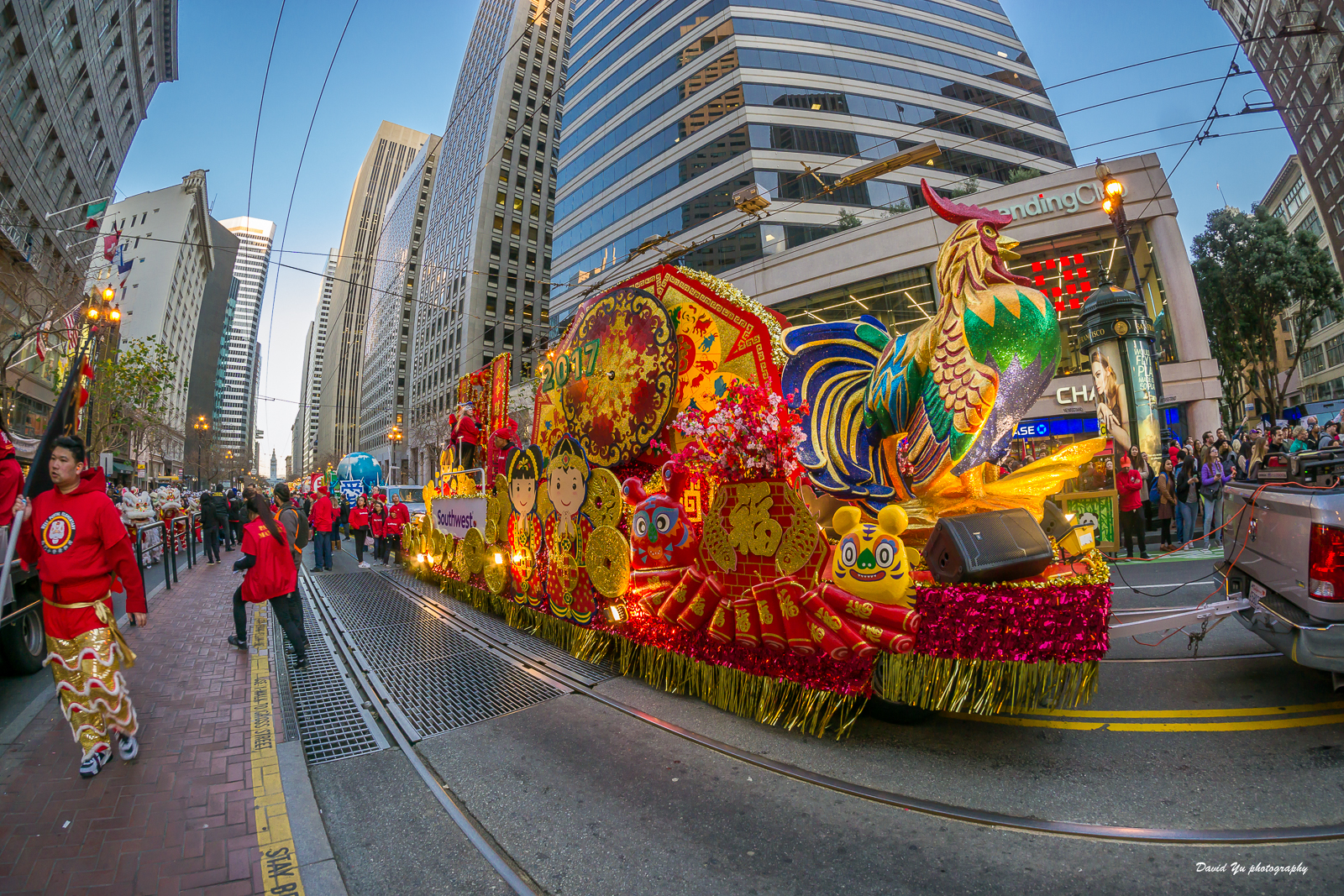
The San Francisco Chinese New Year Parade, a vibrant spectacle of culture, community, and festivity, is a highlight of the year for both locals and visitors. Held annually in the heart of the city’s historic Chinatown, this iconic event marks the beginning of the lunar new year with an explosion of color, sound, and tradition. Understanding when to experience this grand celebration is key to planning an unforgettable trip to San Francisco. The parade typically takes place on the Saturday following the Lunar New Year’s Day itself, ensuring a weekend of festivities for those wishing to immerse themselves in the celebrations.
The Significance of the Lunar New Year and the Parade
The Lunar New Year, also known as the Spring Festival, is the most important traditional festival in Chinese culture. It is a time for family reunions, feasting, and reflecting on the year past while welcoming prosperity and good fortune for the year ahead. Each year is represented by one of the twelve animals of the zodiac cycle: Rat, Ox, Tiger, Rabbit, Dragon, Snake, Horse, Goat, Monkey, Rooster, Dog, and Pig. The parade in San Francisco serves as a magnificent embodiment of these traditions, bringing the rich heritage of Chinese culture to life for a global audience.
A Historical Tapestry
The San Francisco Chinese New Year Parade boasts a history stretching back over a century, making it one of the oldest and largest celebrations of its kind outside of Asia. It originated in the late 19th century, evolving from humble beginnings into the elaborate parade seen today. The early parades were more akin to community processions, designed to celebrate the arrival of the new year and foster a sense of belonging among the Chinese immigrant population. Over the decades, as Chinatown grew and its influence expanded, the parade became a major civic event, attracting increasing attention and participation. It has weathered economic downturns, social changes, and even pandemics, consistently emerging as a symbol of resilience and cultural pride. The parade’s historical significance is deeply interwoven with the narrative of Chinese Americans in San Francisco, reflecting their contributions and their enduring connection to their ancestral homeland.
Zodiac Animals and Their Influence
Each year’s celebration is subtly influenced by its corresponding zodiac animal. The traits associated with that animal are believed to imbue the year with specific characteristics, shaping the mood and fortunes of those born under it. For instance, a Year of the Dragon might be characterized by dynamism and ambition, while a Year of the Rabbit could bring peace and gentleness. The parade often incorporates imagery and themes related to the current zodiac animal, from elaborate dragon dances to creative floats depicting the animal’s attributes. Understanding the zodiac animal of the year can add an extra layer of appreciation to the parade’s symbolism and its cultural resonance.
Planning Your Visit to the Parade
Attending the San Francisco Chinese New Year Parade requires a bit of foresight to ensure you can fully enjoy the experience. The event draws immense crowds, and making arrangements well in advance is highly recommended. The date of the Lunar New Year itself shifts each year according to the lunisolar calendar, but the parade’s timing is generally consistent. It almost always falls on the Saturday after the official Lunar New Year Day. For instance, if Lunar New Year falls on a Tuesday, the parade will likely be the following Saturday.
Identifying the Date
The precise date of the San Francisco Chinese New Year Parade is tied to the Lunar New Year, which is determined by the cycles of the moon and the sun. The Lunar New Year can fall anywhere between January 21st and February 20th on the Gregorian calendar. Once the Lunar New Year date is established, the parade is almost invariably scheduled for the subsequent Saturday. This ensures that people have the opportunity to observe the actual New Year’s Day with their families before participating in the larger public celebration. It’s always advisable to check the official San Francisco Chinese New Year Parade website or local event listings closer to the time to confirm the exact date for the specific year you plan to attend.
Navigating the Crowds
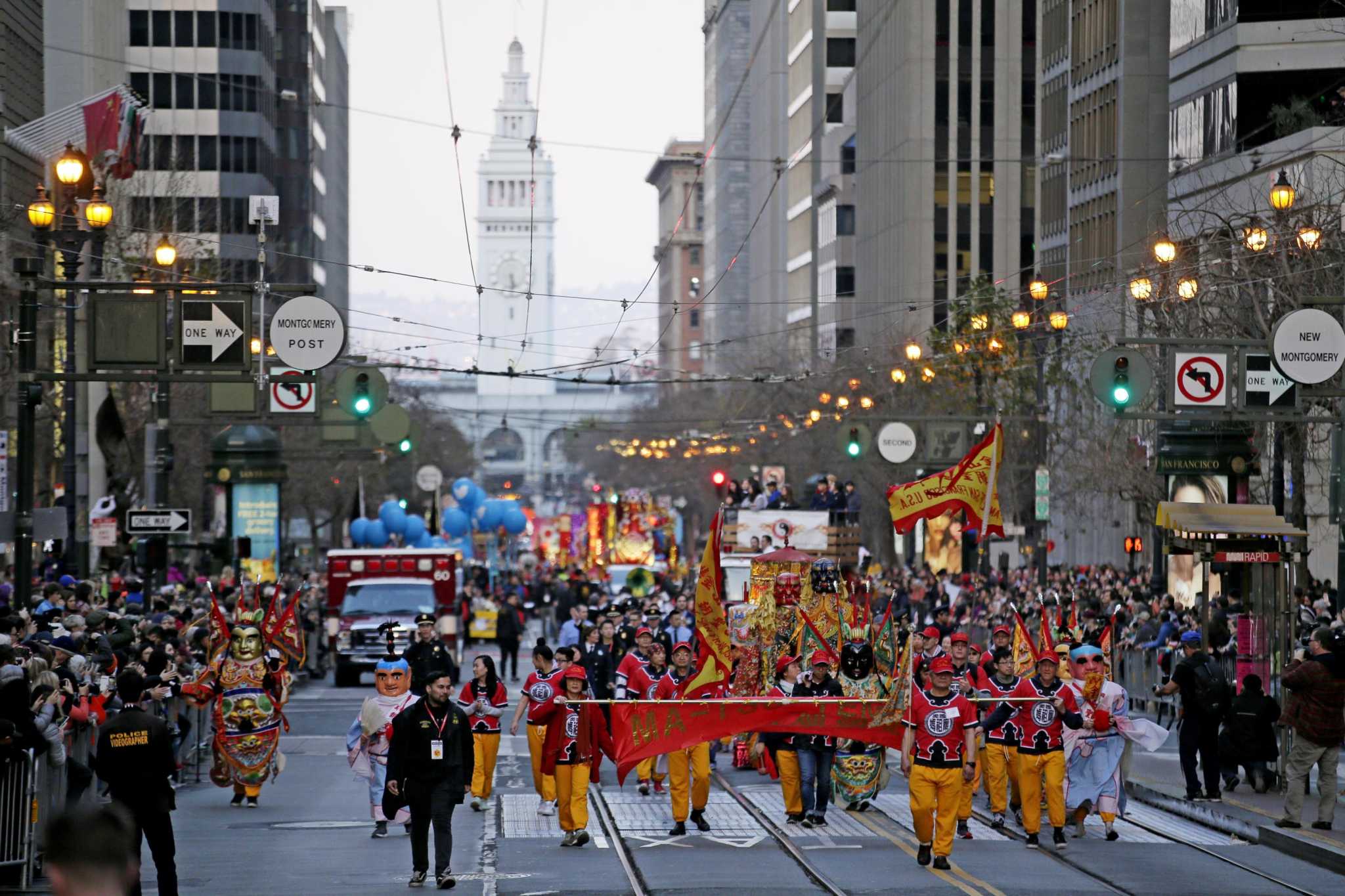
Given the parade’s immense popularity, expect large crowds. The parade route, typically running through the streets of Chinatown, becomes a densely packed viewing area. To secure a good vantage point, arrive early. Many spectators stake out their spots hours before the procession begins. Consider arriving the night before or very early on the morning of the parade to find a prime location. Public transportation is highly recommended, as parking in and around Chinatown is extremely limited and traffic will be heavily congested. Utilize BART or Muni to reach the vicinity of the parade and then walk to your chosen viewing spot.
Viewing and Accessibility
The parade route usually commences around Fisherman’s Wharf or Union Square and proceeds through the vibrant streets of Chinatown, often concluding near the heart of the district. Viewing areas are generally free and open to the public, with no assigned seating. For those with accessibility needs, it is important to note that the sidewalks can be crowded, and navigating uneven surfaces might present challenges. While some areas along the route may offer better accessibility than others, planning ahead and communicating any specific requirements to event organizers, if possible, can be beneficial. The energy of the parade is infectious, and even from less ideal spots, the sights and sounds create an unforgettable atmosphere.

Experiencing the Festival Beyond the Parade
The San Francisco Chinese New Year Parade is but one component of a much larger festival that spans several weeks. The entire period leading up to and following Lunar New Year’s Day is filled with a variety of cultural events and activities, offering a comprehensive immersion into the spirit of the celebration. These encompass everything from traditional performances and temple fairs to special culinary experiences and community gatherings.
The Golden Dragon Parade
Often preceding the main parade, the Golden Dragon Parade is another significant event that captures the essence of the Lunar New Year. This particular parade is renowned for its magnificent, illuminated dragon, a powerful symbol of strength, good luck, and prosperity in Chinese culture. The dragon, often stretching for hundreds of feet, is manipulated by a team of performers, creating a mesmerizing dance through the streets. The Golden Dragon Parade typically takes place in the evening, its grandeur amplified by the glow of lanterns and the festive illuminations of Chinatown. It’s a visually stunning prelude to the main parade, offering a different, but equally captivating, spectacle.
Community Festivals and Temple Fairs
Throughout the festival period, Chinatown and surrounding neighborhoods buzz with activity. Community organizations and businesses host a range of events, including traditional music and dance performances, martial arts demonstrations, and educational workshops. Temple fairs are a particularly engaging experience, offering opportunities to sample traditional street food, purchase unique crafts, and partake in cultural activities. These gatherings provide a more intimate glimpse into the daily life and traditions of the Chinese community in San Francisco, allowing visitors to connect with the culture on a deeper level.
Culinary Delights
The Lunar New Year is synonymous with abundant feasts, and San Francisco offers an unparalleled culinary journey during this time. Restaurants in Chinatown and beyond often feature special New Year’s menus, showcasing auspicious dishes believed to bring good fortune. Dumplings, symbolic of wealth, are a staple, as is fish, representing abundance. Sweet rice cakes, signifying progress and sweetness, are also a must-try. Exploring the diverse culinary landscape, from high-end dining to humble street vendors, is an integral part of the celebration and a delightful way to engage with the traditions.
Accommodation and Practical Tips
When planning your attendance at the San Francisco Chinese New Year Parade, securing accommodation is a crucial step. Given the event’s popularity, it’s wise to book your lodging well in advance, especially if you aim to stay in or near the Chinatown area.
Staying Near the Action
For the most immersive experience, consider hotels located within walking distance of Chinatown or along the parade route. The Mandarin Oriental, San Francisco or hotels near Union Square offer convenient access. Booking a room with a view of the parade route, if available, can provide a unique perspective without having to navigate the dense crowds. Alternatively, hotels in adjacent neighborhoods like the Financial District or North Beach are also viable options, often with good public transport links to the parade area. Remember that prices can surge during this peak period, so early booking is essential to secure desirable rates and availability.
Weather and Packing
San Francisco weather in late January or February can be unpredictable. While generally mild, the city is known for its microclimates and can experience chilly winds, fog, and occasional rain. Layers are key. Pack comfortable walking shoes, as you’ll likely be doing a lot of walking, and bring a waterproof jacket or umbrella. Evenings can be cool, so a warm sweater or jacket is advisable.
Embracing the Spirit
To truly appreciate the San Francisco Chinese New Year Parade, approach it with an open mind and a festive spirit. Engage with the local community, try new foods, and soak in the vibrant atmosphere. It’s a celebration of heritage, resilience, and the enduring power of cultural traditions. By understanding when the parade takes place and planning accordingly, you can ensure a memorable and enriching experience at one of San Francisco’s most spectacular events.
LifeOutOfTheBox is a participant in the Amazon Services LLC Associates Program, an affiliate advertising program designed to provide a means for sites to earn advertising fees by advertising and linking to Amazon.com. Amazon, the Amazon logo, AmazonSupply, and the AmazonSupply logo are trademarks of Amazon.com, Inc. or its affiliates. As an Amazon Associate we earn affiliate commissions from qualifying purchases.