
Planning a trip to the vibrant city of Chicago during the colder months often brings one crucial question to mind: “When will it start snowing?” For many travelers, witnessing the iconic skyline dusted in a blanket of white is a quintessential winter experience. Understanding Chicago’s snowfall patterns is essential for packing appropriately, planning activities, and ensuring a smooth and enjoyable visit to the Windy City. While predicting the exact first snowflake is impossible, historical data and meteorological trends offer valuable insights for prospective visitors.
Understanding Chicago’s Winter Climate
Chicago’s geographical location in the Midwest, coupled with its proximity to Lake Michigan, significantly influences its winter weather. The city experiences distinct seasons, with winters characterized by cold temperatures, strong winds, and, inevitably, snow. Travelers should expect temperatures to consistently drop below freezing from late November through March, creating ideal conditions for snowfall.
Historical Averages and Early Snowfall
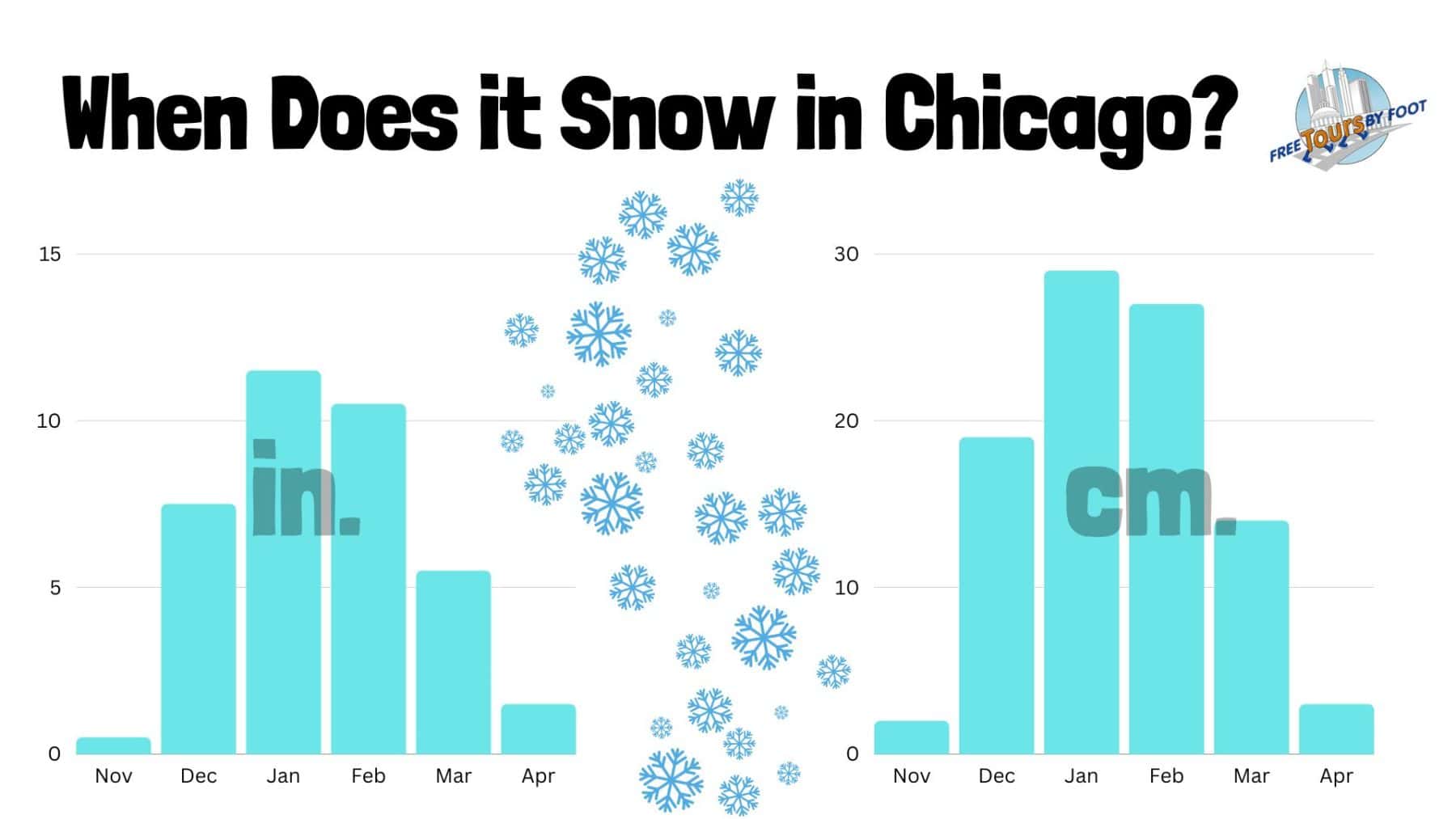
Historically, the first measurable snowfall in Chicago typically occurs in late November. While sporadic flurries might be observed earlier, accumulations substantial enough to whiten the ground usually begin around this time. For instance, the average date for the first inch of snow often falls in the first week of December. However, Chicago’s weather can be notoriously unpredictable. There have been instances of light snow as early as October, and significant snowfall has sometimes held off until mid-December. The city’s official climate records show that the earliest measurable snowfall ever recorded was on October 12th, offering a glimpse into the potential variability. On the flip side, some years have seen very little snow until after the New Year. This variability underscores the importance of staying updated on weather forecasts as your travel date approaches. Generally, if you’re aiming to experience a snow-covered Chicago, planning your visit from December through February offers the highest probability.
Factors Influencing Snow Arrival
Several meteorological factors contribute to when Chicago receives its first significant snowfall. The most prominent is the interaction between cold air masses, typically from Canada, and moisture. As these cold fronts sweep across the Midwest, they encounter moisture from various sources, including the Gulf of Mexico or, more locally, Lake Michigan. The “lake effect” phenomenon is particularly crucial for Chicago’s snow patterns. When bitterly cold air moves across the relatively warmer waters of Lake Michigan, it picks up moisture and heat, leading to instability and the formation of snow bands. While true lake-effect snow typically impacts areas directly downwind from the lake, Chicago can experience enhanced snowfall, especially in its eastern neighborhoods, when conditions are just right. Furthermore, large-scale weather patterns like El Niño or La Niña can also influence the overall winter severity and snowfall totals. La Niña winters, for example, often bring colder and snowier conditions to the Upper Midwest.
Preparing for a Chicago Winter Trip
Visiting Chicago in winter can be a truly magical experience, especially when the city is adorned with snow and holiday lights. However, adequate preparation is key to making your trip comfortable and enjoyable. The cold temperatures and potential for heavy snow require careful consideration of what to pack and how to navigate the city.
What to Pack
The golden rule for a Chicago winter is layering. Start with a moisture-wicking base layer, followed by an insulating middle layer (fleece or down), and topped with a waterproof and windproof outer shell. A high-quality winter coat, preferably one rated for sub-zero temperatures, is non-negotiable. Don’t underestimate the power of accessories: a warm hat that covers your ears, a thick scarf, and waterproof gloves or mittens are essential for protecting exposed skin from the biting winds. For footwear, opt for waterproof, insulated boots with good traction to handle slush, ice, and snow. Wool socks are also recommended to keep your feet warm and dry. Even if snow isn’t forecast for your arrival, conditions can change rapidly, so it’s always better to be over-prepared than under-prepared. Consider bringing hand warmers for extra comfort during outdoor explorations.
Transportation in Snowy Conditions

Chicago’s public transportation system, managed by the Chicago Transit Authority (CTA), is generally very efficient and continues to operate even during heavy snowfalls. The ‘L’ train system, being elevated, is less affected by snow accumulation on streets compared to buses. However, buses might experience delays due to slower traffic and challenging road conditions. If you plan to rely on public transit, allow extra travel time, especially during or immediately after a snowstorm. Taxis and rideshares are available but may also face delays and surge pricing during inclement weather. For those considering driving, be aware that parking can be significantly more difficult due to snow piles, and road conditions can be hazardous. The city is usually quick to clear major roadways, but side streets may take longer. Walking around the city center is manageable with proper footwear, but always be mindful of icy patches. O’Hare International Airport and Midway International Airport are well-equipped to handle snow, but severe blizzards can still lead to flight delays or cancellations, so it’s wise to check your flight status before heading to the airport.
Experiencing Winter in the Windy City
Once the snow begins to fall, Chicago transforms into a picturesque winter wonderland, offering a unique array of activities and experiences for travelers. From outdoor adventures to cozy indoor pursuits, there’s plenty to enjoy even when temperatures drop.
Iconic Winter Activities
When snow blankets the city, some of Chicago’s most famous attractions take on a new charm. Ice skating is a beloved winter pastime, with popular rinks at Millennium Park (the McCormick Tribune Ice Rink beneath Cloud Gate, or “The Bean”) and the Maggie Daley Park Skating Ribbon offering stunning skyline views. For those who enjoy a bit of winter hiking or photography, the snow-covered paths of Lincoln Park Zoo provide serene vistas and unique photo opportunities of animals adapted to the cold. The annual Christkindlmarket in Daley Plaza, a traditional German Christmas market, is a must-visit during early winter, offering festive food, drinks, and handcrafted gifts amidst a potentially snowy backdrop. Even a simple walk along the Magnificent Mile, with holiday decorations twinkling against a fresh snowfall, becomes an unforgettable experience.
Cozy Indoor Retreats
For those seeking refuge from the cold or after a day of outdoor exploration, Chicago boasts an impressive array of indoor attractions. World-class museums such as the Art Institute of Chicago, the Field Museum, and the Shedd Aquarium offer hours of warmth and cultural enrichment. Catch a Broadway show in the historic theater district, explore the boutiques and eateries along State Street, or ascend to the observation decks of the Willis Tower (Skydeck Chicago) or 875 North Michigan Avenue (360 Chicago, formerly the John Hancock Center) for breathtaking snowy cityscapes from above. Chicago’s renowned culinary scene also offers endless opportunities for cozy dining. Enjoy a deep-dish pizza, warm up with a bowl of hearty chili, or savor a craft beer at one of the city’s many welcoming pubs. A winter trip to Chicago truly combines the best of invigorating outdoor activities with comforting indoor escapes.
Navigating Chicago During Snowfall
While the beauty of a snow-covered Chicago is undeniable, being prepared for potential challenges and knowing the best times to visit can enhance your travel experience. Safety and smart planning are paramount to making the most of your winter adventure.
Safety Tips for Travelers
When snow or ice covers the ground, walking surfaces can become slippery. Always wear appropriate footwear with good traction and watch your step, especially on sidewalks, stairs, and public transport platforms. Be aware of falling ice from buildings or snow falling off awnings. When crossing streets, be extra cautious as braking distances for vehicles increase significantly on slick roads. It’s also wise to dress in layers, even for short distances, to prevent hypothermia, and to seek immediate shelter if you start feeling excessively cold or numb. Staying hydrated is important even in cold weather. Carry a fully charged phone for emergencies and keep friends or family updated on your whereabouts, especially if you plan to be outdoors for extended periods. While Chicago is generally safe, common sense precautions apply year-round.
Best Time to Visit for Snow Lovers
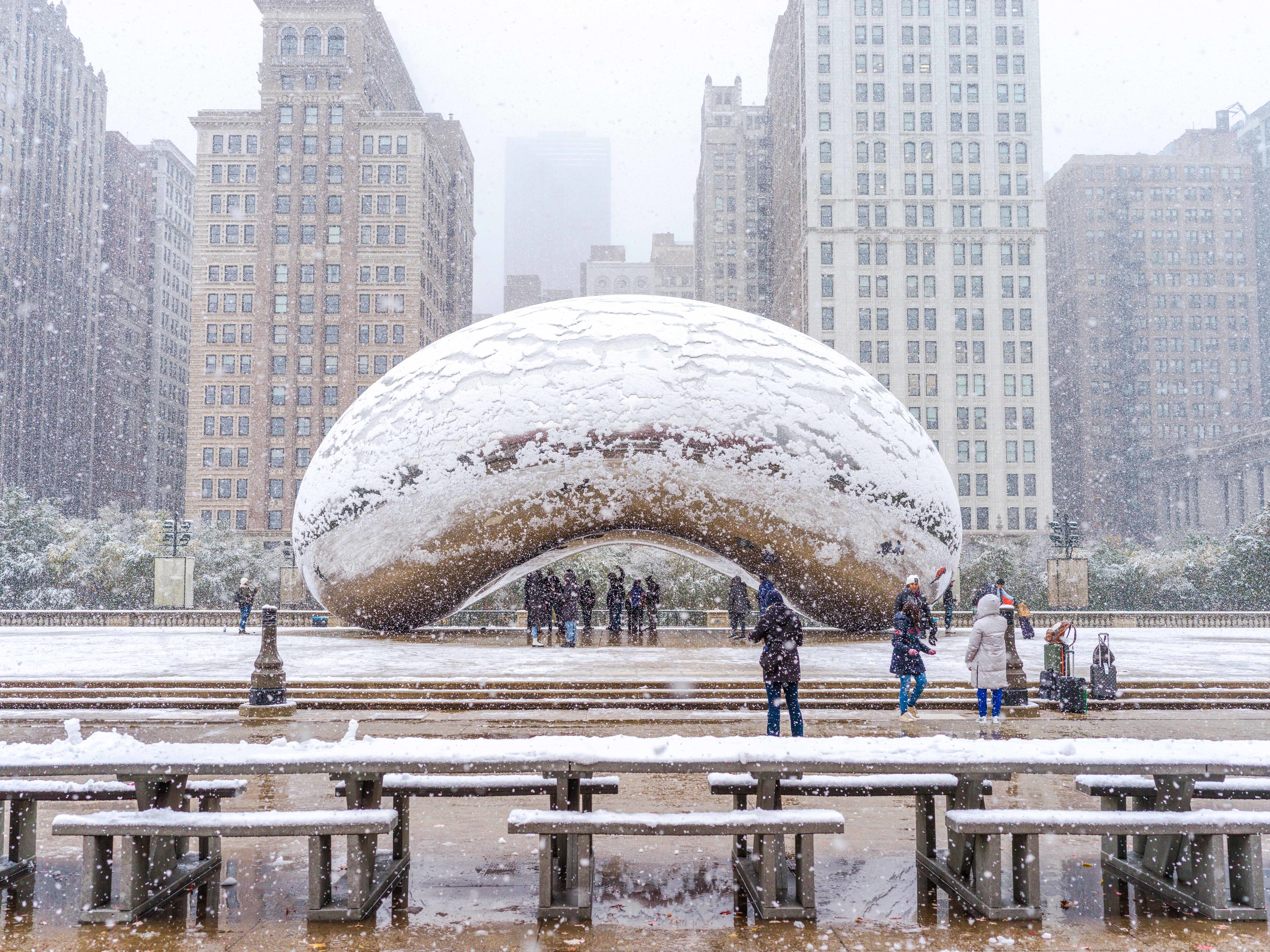
For travelers specifically hoping to experience Chicago under a blanket of snow, the optimal window for a visit is typically from late December through February. This period offers the highest probability of significant snowfall and consistently cold temperatures that keep the snow on the ground. Early December can be a good bet if you also want to catch the tail end of the holiday festive season, with the Christkindlmarket in full swing and the city adorned with lights. January and February are generally the coldest months, often delivering the heaviest snowfalls and the most enduring white landscapes. While March can still bring snow, it tends to be wetter and less consistent as the city transitions towards spring. By planning your trip within this peak winter timeframe, you maximize your chances of witnessing Chicago transform into the stunning, snow-dusted metropolis that many dream of experiencing. Always consult extended weather forecasts a week or two before your departure for the most up-to-date information.
LifeOutOfTheBox is a participant in the Amazon Services LLC Associates Program, an affiliate advertising program designed to provide a means for sites to earn advertising fees by advertising and linking to Amazon.com. Amazon, the Amazon logo, AmazonSupply, and the AmazonSupply logo are trademarks of Amazon.com, Inc. or its affiliates. As an Amazon Associate we earn affiliate commissions from qualifying purchases.