
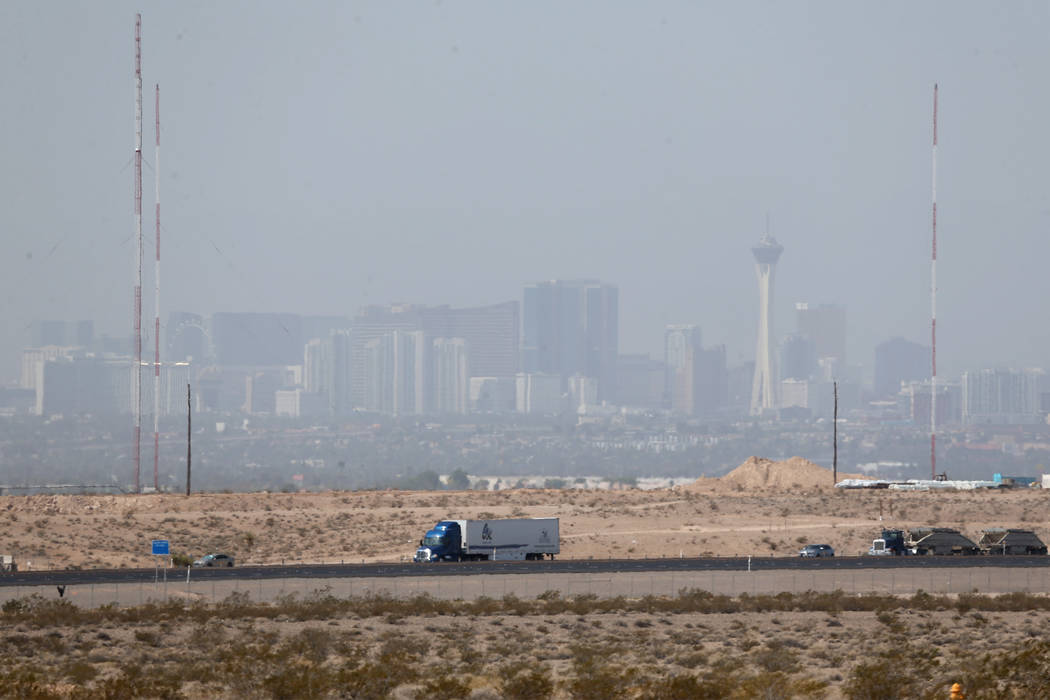
The iconic Las Vegas skyline, often bathed in the artificial glow of neon and illuminated by the desert sun, can sometimes be obscured by an unexpected haze. This phenomenon, described by many as “smoky,” is not typically a direct result of the city’s famed casinos or entertainment venues, though they contribute to its overall urban character. Instead, the frequent smoky conditions in the Las Vegas Valley are primarily influenced by natural factors and regional events, rather than the immediate ambiance of the Strip. Understanding these causes offers a deeper insight into the environmental dynamics of this unique desert metropolis.
Wildfires: The Primary Culprit
The most significant and widespread contributor to smoky conditions in Las Vegas is the occurrence of wildfires. While Nevada may not immediately conjure images of dense forests prone to conflagration like California, vast tracts of arid and semi-arid land surround the state, including nearby regions in California, Arizona, and Utah. These areas, characterized by dry vegetation, high temperatures, and strong winds, are highly susceptible to wildfires, especially during the hotter, drier months of the year.
The Impact of Prevailing Winds
Las Vegas is situated in a valley, a geographical feature that can trap air and pollutants. However, it also means that prevailing winds play a crucial role in transporting smoke from distant sources. During wildfire season, particularly in late spring, summer, and early fall, winds can carry smoke plumes hundreds, and sometimes even thousands, of miles. When these plumes are carried towards the Las Vegas Valley, they can significantly degrade air quality and create the hazy, smoky appearance that visitors and residents often observe.
Understanding Smoke Plume Behavior
The behavior of smoke plumes is complex and influenced by several atmospheric factors. Altitude, wind speed and direction at different elevations, and atmospheric stability all contribute to how far and in what direction smoke travels. Satellite imagery and air quality monitoring networks often track these plumes, allowing meteorologists and environmental agencies to predict when Las Vegas might experience reduced visibility and poorer air quality due to wildfire smoke. Sometimes, the smoke is at higher altitudes, creating a hazy sun or a reddish tint to the sky. At other times, it descends closer to the ground, leading to more noticeable smoky conditions at street level.
Seasonal Patterns and Wildfire Frequency
The frequency and intensity of wildfires in the Western United States have seen an increase in recent decades, driven by climate change, drier conditions, and fuel buildup in natural areas. This trend directly correlates with more frequent instances of smoky skies in Las Vegas. Regions like the Sierra Nevada in California, the Kaibab National Forest in Arizona, and various wilderness areas across the Southwest can all become sources of smoke that drifts towards Las Vegas.
Dust Storms and Air Quality
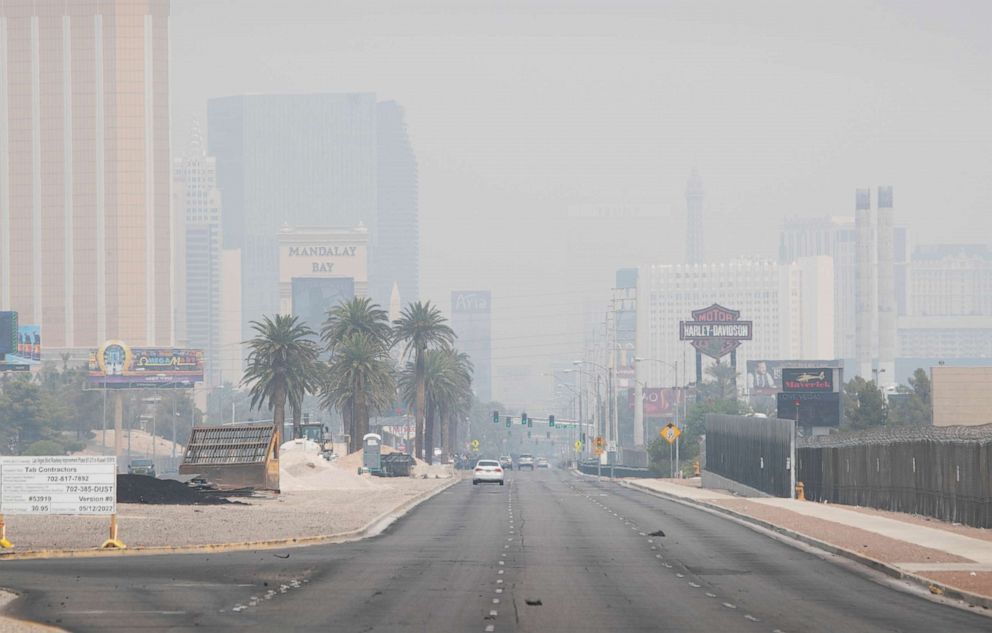
While wildfires are the primary driver of widespread smoky conditions, Las Vegas is also prone to dust storms. These events, often referred to as “haboobs,” are common in desert environments. They occur when a weather front moves through, creating strong downdrafts that lift large quantities of dust and sand from the dry, arid terrain into the atmosphere.
The Nature of Desert Dust
The desert landscape surrounding Las Vegas, including the Mojave Desert, is rich in fine particulate matter. When high winds occur, these particles are easily suspended in the air, creating a dense cloud that can dramatically reduce visibility. While visually distinct from wildfire smoke, dust storms can contribute to a similar hazy appearance and can also impact air quality by introducing fine dust particles into the breathing air.
Seasonal Dust Events
Dust storms can occur at various times of the year, but they are often associated with thunderstorm activity in the late summer and early fall monsoonal season. These storms can generate powerful winds that carry dust for miles. Unlike smoke, which is a product of combustion, dust storms are mechanical phenomena, driven by the force of wind interacting with dry, loose soil and sand.
Urban Emissions and Local Factors
While less impactful than wildfires or major dust storms on a regional scale, urban emissions and localized factors can also contribute to a general haze or a more localized “smoky” feel in Las Vegas. The sheer density of vehicles, particularly along major thoroughfares like the Strip, releases exhaust fumes. Additionally, the concentration of large resorts, with their extensive energy consumption for lighting, air conditioning, and entertainment, can contribute to localized air pollution.
Casino Ventilation and Smoke
It is important to distinguish between the smoky atmosphere that might be encountered inside some casinos (due to smoking policies) and the smoky conditions affecting the outdoor environment of the city. While indoor smoking in casinos is a well-known aspect of Las Vegas culture, the smoke generated within these enclosed spaces is typically managed through sophisticated ventilation systems and does not significantly contribute to the broader atmospheric haze visible across the valley. The “smoky” air experienced outdoors is almost exclusively due to external sources.
Industrial and Construction Activity
Like any major metropolitan area, Las Vegas experiences periods of construction and some level of industrial activity. These can release particulate matter into the air, contributing to a general reduction in air quality and visibility, especially in localized areas. However, these contributions are typically minor compared to the vast plumes of smoke from wildfires that can engulf the entire region.
Air Quality and Visitor Experience
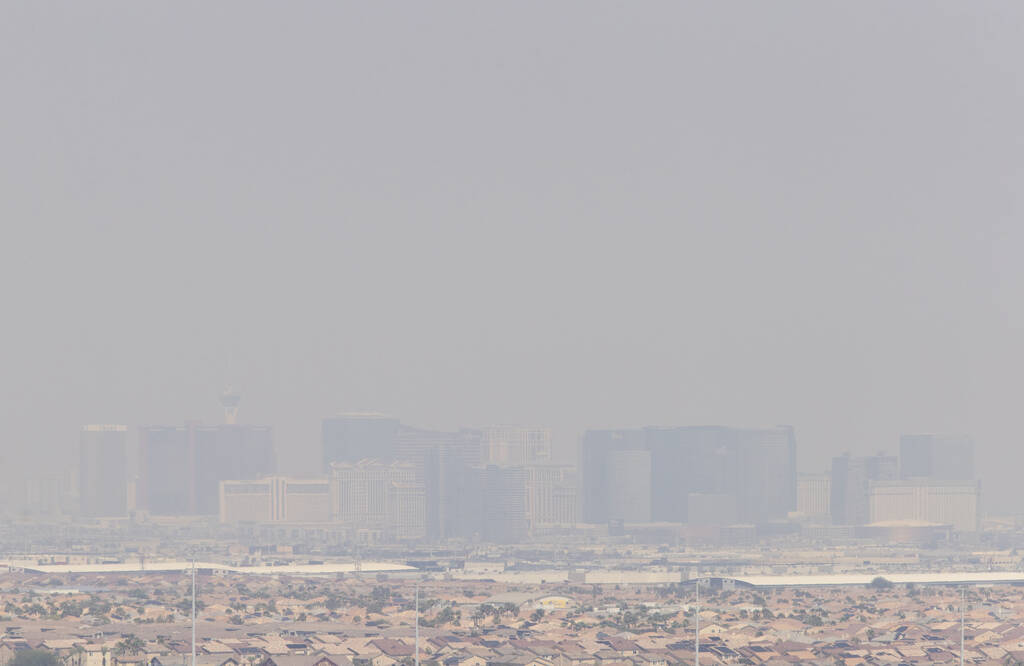
The prevalence of smoky conditions can have a direct impact on the visitor experience in Las Vegas. Reduced visibility can affect scenic views, particularly those of the surrounding mountains, and can detract from the clear desert skies that are characteristic of the region. More significantly, poor air quality can pose health risks.
Health Considerations
Particulate matter from wildfires and dust storms can irritate the respiratory system, exacerbate existing conditions like asthma and bronchitis, and contribute to other health problems. Visitors and residents are advised to check local air quality indexes (AQI) during periods of smoky conditions. If the AQI is unhealthy, it is recommended to limit outdoor activities, especially strenuous exercise.
Tips for Visitors
When visiting Las Vegas during times when smoky conditions are likely, it is advisable to:
- Stay Informed: Monitor local weather reports and air quality advisories.
- Adjust Plans: Consider indoor activities or less strenuous outdoor pursuits when air quality is poor.
- Protect Yourself: If experiencing respiratory irritation, consider wearing an N95 mask when outdoors.
- Stay Hydrated: The desert climate, combined with potential respiratory irritation, makes hydration even more critical.
In conclusion, the smoky skies occasionally observed over Las Vegas are largely a consequence of natural phenomena originating outside the immediate urban environment. Wildfires in the Western United States, carried by prevailing winds, are the most common cause. While dust storms and urban emissions contribute to the atmospheric mix, they are secondary factors. Understanding these influences helps to demystify a frequent visitor experience and appreciate the complex interplay between environment and urban life in this dynamic desert city.
LifeOutOfTheBox is a participant in the Amazon Services LLC Associates Program, an affiliate advertising program designed to provide a means for sites to earn advertising fees by advertising and linking to Amazon.com. Amazon, the Amazon logo, AmazonSupply, and the AmazonSupply logo are trademarks of Amazon.com, Inc. or its affiliates. As an Amazon Associate we earn affiliate commissions from qualifying purchases.