
Understanding the administrative divisions of a vast state like Texas is fundamental to grasping its geography, governance, and the diverse tapestry of its communities. While the question of “how many counties” might seem straightforward, the answer unlocks a deeper appreciation for the intricate network that defines this iconic Southern state. For travelers, history buffs, and those seeking to immerse themselves in the local culture, knowing the number of counties provides a crucial framework for exploring its numerous destinations, understanding regional nuances, and planning efficient itineraries across its expansive landscapes.
The Administrative Backbone of Texas
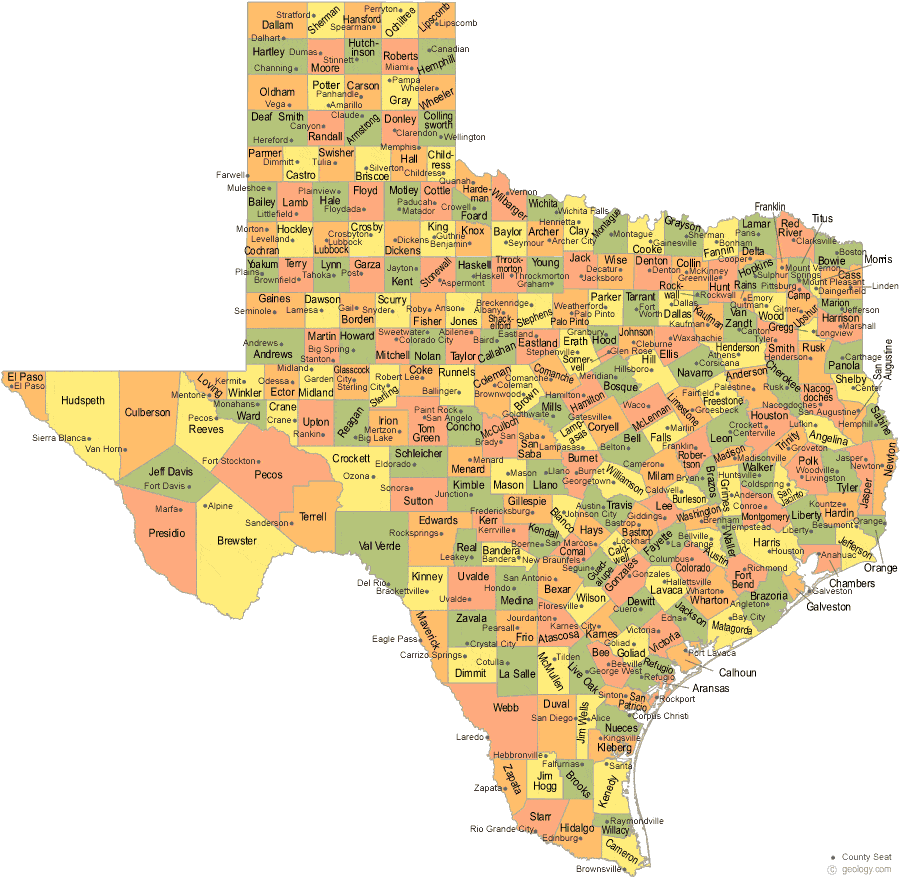
The state of Texas is divided into a specific number of counties, each serving as a primary administrative subdivision. These counties are the building blocks of the state’s governance, responsible for a wide range of local services, law enforcement, and record-keeping. Understanding this structure is key for any visitor who wishes to navigate the state effectively, from the bustling metropolises to the most remote ranches. Each county has its own unique identity, shaped by its history, economy, and the people who call it home.
The Official Count: A Definitive Number
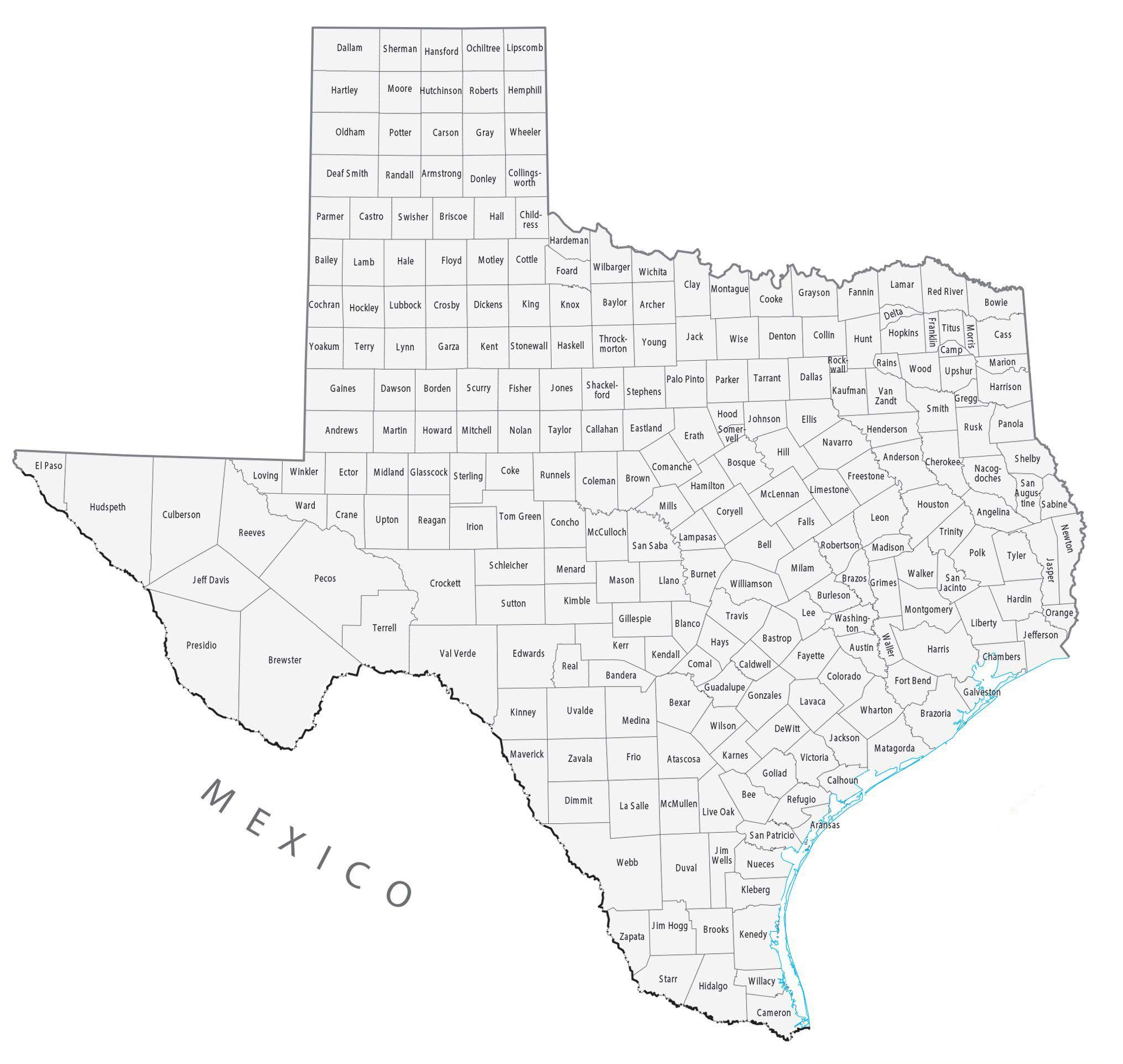
The State of Texas officially comprises 254 counties. This number is the largest of any state in the United States, a testament to the sheer size and historical development of Texas. This extensive network of counties allows for a more localized approach to governance and service delivery, catering to the diverse needs of its population spread across such a wide geographical area.
Historical Context: The Evolution of Texas Counties
The creation and delineation of Texas counties are deeply intertwined with the state’s rich and often tumultuous history. From its days as part of Mexico to its time as an independent republic and eventually as a United States state, the administrative divisions have evolved significantly.
Early Settlements and Expansion
As settlers moved into Texas, the need for local governance and organization became paramount. The first counties were established during the Mexican period, and their number grew rapidly during the Republic and early statehood eras. The process of county creation often followed patterns of settlement, with new counties being formed as populations increased and distances from existing county seats became prohibitive.
The Role of the Republic of Texas
During the period of the Republic of Texas (1836-1845), the legislative body established numerous counties, often naming them after prominent figures, geographical features, or significant historical events. This laid the groundwork for the county system that largely persists today. The expansion westward and the growth of agriculture and cattle ranching fueled the continued establishment of new counties.
Statehood and Modernization
Upon joining the United States in 1845, Texas continued its county formation, though the pace slowed as much of the populated territory was already organized. The current structure of 254 counties reflects this historical process, with each county having a unique origin story. For those interested in genealogy or local history, exploring the creation of specific counties can be a fascinating journey.
Exploring Texas: Navigating by County
For travelers, understanding the county structure of Texas offers a practical and insightful way to explore. It provides a geographical framework for understanding the state’s diverse regions, from the piney woods of East Texas to the arid landscapes of West Texas and the sprawling coastal plains.
Planning Your Texas Adventure
When planning a trip to Texas, a regional approach is often more effective than a city-by-city plan, especially given the state’s immense size. Thinking in terms of counties can help you discover hidden gems and understand the local character of different areas. For instance, a journey through the Hill Country might involve exploring counties like Blanco, Gillespie, and Kerr, each offering unique attractions, wineries, and small-town charm.
Major Cities and Their Counties
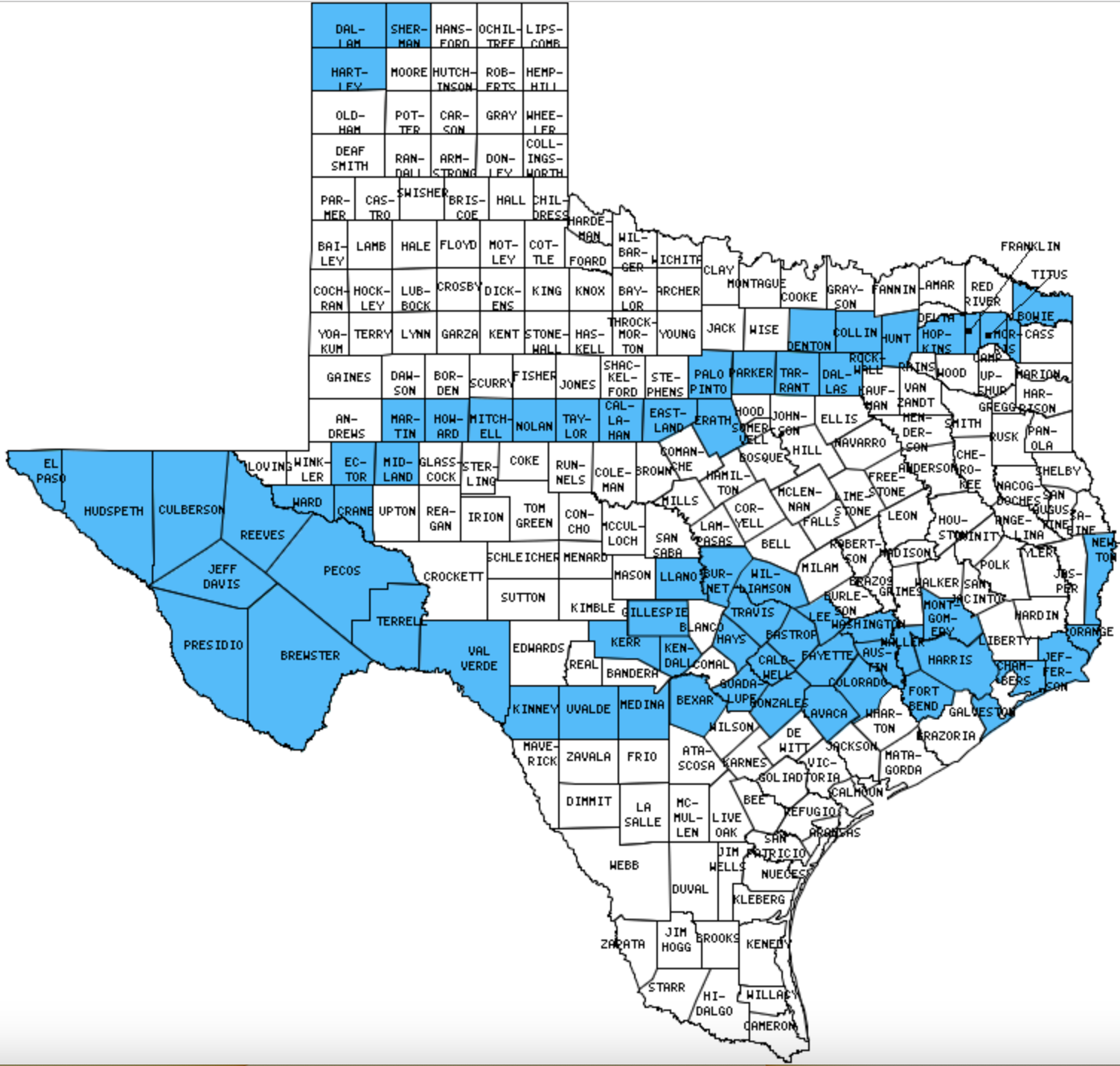
Most major Texas cities are located within larger counties, but they also serve as hubs for surrounding rural areas. For example, Houston, the largest city, is primarily in Harris County, but its influence extends into neighboring counties like Fort Bend and Montgomery. Similarly, Dallas and Fort Worth form a metropolitan area spanning several counties, including Dallas County and Tarrant County. Understanding these boundaries helps in appreciating the urban sprawl and the distinct communities that exist within and around these major centers.
Discovering Rural Texas
The true essence of Texas often lies in its less populated counties. These areas are home to landmarks, natural wonders, and a pace of life that is distinctly Texan. Exploring counties like Presidio County for its proximity to the Big Bend National Park and the historic town of Presidio, or venturing into the Texas Panhandle to discover the unique geological formations in counties like Palo Duro Canyon State Park in Randall County, offers a profoundly different experience than the urban centers.
County Seats: The Heart of Local Governance
Each of the 254 Texas counties has a designated county seat. These towns and cities serve as the administrative and judicial centers for their respective counties. Many county seats are historic communities, boasting beautiful courthouses, museums, and a strong sense of local pride. Visiting a county seat can offer a glimpse into the daily life and the historical roots of the region. For example, Goliad, the county seat of Goliad County, is a significant historical site, renowned for its role in the Texas Revolution.
Experiencing the Diversity Across Texas Counties
The sheer number of counties in Texas underscores the state’s incredible diversity. From the Gulf Coast to the Oklahoma border, and from the New Mexico state line to the Louisiana border, each county possesses its own unique character, shaped by geography, history, and the predominant industries.
Regional Highlights: A Taste of Texas
To truly appreciate the 254 counties, one must experience the varied landscapes and cultures they encompass.
East Texas: Piney Woods and Southern Charm
The eastern part of Texas is characterized by its lush pine forests and rolling hills. Counties here, such as Nacogdoches County (home to the oldest town in Texas, Nacogdoches), offer a distinct Southern charm, with a focus on agriculture, timber, and a slower pace of life. Visitors can explore antique shops, local festivals, and the natural beauty of the region.
Central Texas: The Hill Country and Beyond
The Texas Hill Country is perhaps one of the most popular regions for tourism, and it is spread across multiple counties. These counties are known for their picturesque rolling hills, clear rivers, and a vibrant cultural scene, often influenced by German heritage. Towns like Fredericksburg in Gillespie County and Boerne in Kendall County are prime examples of the unique blend of natural beauty and cultural experiences found here.
West Texas: Vast Landscapes and Frontier Spirit
West Texas embodies the iconic image of the frontier. Counties here are vast and sparsely populated, dominated by dramatic desert landscapes, rugged mountains, and a pervasive sense of open space. The Big Bend region, encompassing counties like Brewster County (which is larger than the state of West Virginia), offers unparalleled opportunities for outdoor adventure, from hiking in Big Bend National Park to exploring the unique art scene in Marfa.
The Panhandle: Prairies and Canyons
The Texas Panhandle offers a different kind of grandeur with its wide-open prairies and the dramatic geological formations of Palo Duro Canyon. Counties in this region, such as Potter County (home to Amarillo), are known for their agricultural roots and a resilient spirit shaped by the elements.
Local Culture and Traditions
Each county in Texas contributes to the state’s rich cultural mosaic. From the country music heritage in Central Texas counties to the deep-rooted traditions of the Gulf Coast region, exploring these counties allows for an authentic immersion into local life. Festivals, historical reenactments, and community events are abundant, offering visitors a chance to connect with the people and traditions that make Texas so unique.
Beyond the Number: The Significance of Texas Counties
While the number 254 is a simple factual answer, it represents much more than just an administrative division. It signifies the historical development of Texas, the commitment to local governance, and the incredible diversity that defines this vast and varied state. For anyone planning to explore, understand, or simply appreciate Texas, grasping the concept of its 254 counties provides an essential lens through which to view its geography, history, and culture. Each county, in its own way, is a vital thread in the grand tapestry that is the Lone Star State.
LifeOutOfTheBox is a participant in the Amazon Services LLC Associates Program, an affiliate advertising program designed to provide a means for sites to earn advertising fees by advertising and linking to Amazon.com. Amazon, the Amazon logo, AmazonSupply, and the AmazonSupply logo are trademarks of Amazon.com, Inc. or its affiliates. As an Amazon Associate we earn affiliate commissions from qualifying purchases.