
Understanding the Veterinary Profession’s Earning Potential in the Lone Star State
The allure of Texas extends beyond its vast landscapes and vibrant cities; it also presents a compelling career landscape for professionals across various fields. For those with a passion for animal welfare and a dedication to veterinary medicine, understanding the earning potential within Texas is a crucial aspect of career planning. The role of a veterinarian is multifaceted, demanding extensive education, continuous learning, and a deep commitment to the health and well-being of animals. In Texas, a state renowned for its agricultural heritage and growing urban centers, the demand for skilled veterinarians is consistent, leading to a diverse range of salary expectations.

Several factors influence how much a veterinarian earns in Texas. These include experience level, specialization, geographic location within the state, the type of practice they work in, and their educational background. For instance, a veterinarian just starting their career will likely earn less than someone with a decade of experience and a proven track record. Similarly, specialists in fields like surgery or cardiology often command higher salaries due to their advanced skills and the complex nature of their work. The cost of living and the demand for veterinary services also vary significantly between major metropolitan areas like Houston, Dallas, and Austin, and more rural parts of the state.
Factors Influencing Veterinary Salaries in Texas
The earning potential for veterinarians in Texas is not a monolithic figure. Instead, it’s a dynamic spectrum influenced by a confluence of professional and economic forces. A detailed examination of these elements provides a clearer picture of what to expect.
Experience and Seniority
As with most professions, a veterinarian’s tenure and accumulated expertise play a significant role in their salary. Entry-level veterinarians, often referred to as associates, typically start with salaries that reflect their foundational knowledge and the need for on-the-job training. As they gain experience, develop a reputation, and take on more responsibility, their earning potential increases. Senior veterinarians, particularly those who have demonstrated leadership, managed practices, or built a substantial client base, can command substantially higher salaries. This progression is often marked by increases in base pay, bonuses tied to practice performance, and potentially ownership stakes in the practice.
Specialization and Advanced Training
Veterinary medicine, much like human medicine, has become increasingly specialized. Veterinarians who pursue advanced training and board certification in areas such as small animal surgery, internal medicine, cardiology, oncology, or dermatology often earn more than general practitioners. These specialists possess a deeper understanding of complex medical conditions and perform advanced procedures that are in high demand. The rigorous training and commitment required for specialization are reflected in their compensation packages. For example, a board-certified veterinary surgeon in Texas will typically earn more than a veterinarian who focuses on routine wellness care for companion animals.
Practice Type and Ownership
The type of veterinary practice a professional joins significantly impacts their earnings. The options range from private small animal clinics, large animal practices, mixed-animal practices, emergency and critical care hospitals, specialty referral centers, to corporate veterinary groups and academic institutions.
- Private Practices: In privately owned practices, salaries can vary widely depending on the owner’s financial success, the practice’s location, and its client base. Practice owners, while taking on more risk and responsibility, have the potential for the highest earnings, directly benefiting from the practice’s profitability.
- Corporate Groups: Large veterinary corporations, such as Mars Veterinary Health (which owns brands like VCA and Banfield Pet Hospital), often offer more standardized salary ranges and benefits packages, which can be competitive, especially for newer graduates.
- Emergency and Specialty Hospitals: These facilities, often operating 24/7, typically employ veterinarians with specialized skills or those comfortable with high-pressure, urgent care situations. Compensation here tends to be higher due to the demanding nature of the work and the critical role these hospitals play in animal healthcare.
- Academia and Research: Veterinarians pursuing careers in research or teaching at veterinary schools, such as Texas A&M University College of Veterinary Medicine & Biomedical Sciences, may have different compensation structures. While their base salaries might not always match the highest private practice earnings, they benefit from research grants, academic freedom, and the satisfaction of shaping future veterinarians.
Geographic Location Within Texas
Texas is a vast state, and the cost of living and demand for services differ dramatically from one region to another. Veterinarians in major metropolitan areas like Dallas, Houston, San Antonio, and Austin tend to earn more, reflecting the higher cost of living and greater population density, which translates to a larger pet-owning population. However, salaries in these areas might be offset by higher living expenses. In contrast, veterinarians in smaller towns or more rural areas might earn a lower base salary but could benefit from a lower cost of living and potentially a greater need for their services, especially in large animal practice.
Salary Benchmarks and Averages for Veterinarians in Texas

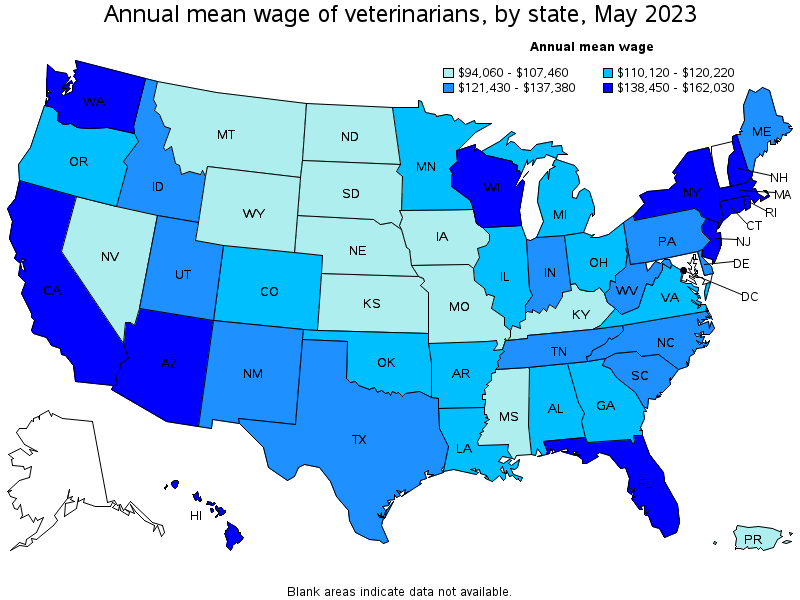
While exact figures can fluctuate, available data and industry reports provide valuable insights into the salary landscape for veterinarians in Texas. It’s important to remember that these are averages, and individual salaries can fall above or below these benchmarks based on the aforementioned factors.
Entry-Level Veterinarian Salaries
For recent veterinary graduates in Texas, the starting salary typically ranges from $75,000 to $95,000 annually. This figure can be influenced by the specific job market at the time of graduation, the type of practice, and the location. Some highly competitive roles or practices in high-demand areas might offer slightly higher starting compensation.
Mid-Career Veterinarian Salaries
As veterinarians gain 5-10 years of experience, their earning potential increases significantly. The average salary for a veterinarian with mid-level experience in Texas can range from $90,000 to $130,000 per year. At this stage, veterinarians may be taking on more complex cases, mentoring junior staff, or managing certain aspects of a practice.
Experienced and Specialist Veterinarian Salaries
Veterinarians with over 10 years of experience, especially those who are board-certified specialists or practice owners, can expect to earn considerably more. Salaries for highly experienced veterinarians and specialists in Texas can range from $120,000 to $200,000 or even higher, with practice owners potentially earning substantially more based on their business’s profitability. For example, a veterinary surgeon with a strong reputation in Dallas could be in the top percentile of earners.
Large Animal vs. Small Animal Practice
The type of animals a veterinarian primarily treats also impacts their income.
- Small Animal Practitioners: These veterinarians, who focus on companion animals like dogs and cats, often work in urban and suburban areas. Their salaries are generally within the ranges previously discussed for general practitioners and specialists.
- Large Animal Practitioners: Veterinarians who treat livestock such as cattle, horses, and sheep, are more common in rural Texas. While their base salaries might sometimes appear lower on average compared to some urban specialists, they often benefit from being essential to the agricultural economy. Some may also earn additional income through on-call services or by owning their own mobile veterinary units. The demand for large animal vets in agricultural regions is consistently strong.
Compensation Beyond Base Salary
It is important to recognize that a veterinarian’s total compensation package often extends beyond their base salary. Many employers in Texas offer a variety of benefits that add significant value. These can include:
- Health Insurance: Comprehensive medical, dental, and vision insurance plans.
- Retirement Savings Plans: Such as 401(k)s with employer matching contributions.
- Paid Time Off: Vacation days, sick leave, and paid holidays.
- Continuing Education (CE) Allowances: Financial support for attending conferences, workshops, and courses to maintain licensure and expand knowledge. This is particularly crucial in a field that evolves rapidly.
- Professional Liability Insurance: Coverage for malpractice claims.
- Bonuses: Performance-based bonuses, signing bonuses, or retention bonuses.
- Relocation Assistance: For veterinarians moving to take a new position.
- Veterinary Care Discounts: For their own pets.
For practice owners, profits, equity, and business growth represent additional significant forms of financial reward, albeit with associated risks.
Outlook for Veterinarians in Texas
The veterinary profession in Texas remains a stable and rewarding career choice. The increasing humanization of pets, leading to greater investment in their healthcare, along with the continued importance of livestock in the state’s economy, ensures a steady demand for qualified veterinarians. While economic fluctuations can influence the market, the fundamental need for animal health services provides a strong foundation for career stability and earning potential.
Aspiring veterinarians in Texas are encouraged to research specific practice types, locations, and specialization opportunities that align with their career goals and financial aspirations. Networking with established professionals, attending industry events, and actively seeking diverse clinical experiences during their education can provide invaluable insights and open doors to lucrative career paths. The journey to becoming a veterinarian is demanding, but for those passionate about animals, the financial rewards in Texas are competitive and can lead to a fulfilling and prosperous career.
LifeOutOfTheBox is a participant in the Amazon Services LLC Associates Program, an affiliate advertising program designed to provide a means for sites to earn advertising fees by advertising and linking to Amazon.com. Amazon, the Amazon logo, AmazonSupply, and the AmazonSupply logo are trademarks of Amazon.com, Inc. or its affiliates. As an Amazon Associate we earn affiliate commissions from qualifying purchases.