
The question of whether Fliff is legal in Texas is a complex one, touching upon the evolving landscape of sports betting and sweepstakes-style gaming. As Texans increasingly seek entertainment options that blend the thrill of competition with the possibility of rewards, understanding the legal nuances of platforms like Fliff becomes paramount. This exploration delves into the current regulatory environment in Texas, the nature of Fliff’s operations, and what this means for residents interested in participating.
Understanding the Texas Gaming Landscape
Texas has historically maintained a conservative stance on gambling. Unlike many other states that have embraced fully legalized sports betting, the Lone Star State has not yet established a framework for regulated sportsbooks. This means that traditional sports betting, where individuals wager directly on the outcome of sporting events with licensed operators, is generally not permitted.

However, the absence of traditional sports betting does not equate to a complete ban on all forms of gaming or prize-winning opportunities. The legal interpretation of what constitutes “gambling” in Texas is crucial. Generally, gambling involves the consideration of money or something of value, an element of chance, and a prize. If any of these elements are absent or interpreted differently, an activity might fall outside the scope of illegal gambling.
The Sweepstakes Distinction
In many jurisdictions, including Texas, businesses can operate under a “sweepstakes” model to offer prize-winning opportunities without directly engaging in traditional gambling. Sweepstakes are often characterized by the absence of a “consideration” to enter. This means that participants can enter to win prizes without making a purchase or paying a fee. The purchase, if offered, is for a product or service, and the sweepstakes entry is provided as a bonus or a separate, free method of entry is available.
The legality of these sweepstakes hinges on their design and how they are advertised and operated. Regulators scrutinize these models to ensure they are not merely a guise for illegal gambling. Key factors include the clarity of terms and conditions, the availability of free entry methods, and the absence of any requirement to pay for a chance to win.
Fantasy Sports in Texas
Fantasy sports, a popular form of simulated gaming, occupy a unique space within the Texas legal framework. In fantasy sports, participants draft virtual teams of real athletes and score points based on their actual statistical performance in real-world games. The legality of fantasy sports in Texas has been a subject of debate, but the prevailing interpretation generally allows for their operation, provided they do not resemble traditional gambling.
The distinction often lies in the perceived element of skill versus chance. While luck is undoubtedly a factor in any sporting event, fantasy sports proponents argue that success relies heavily on a participant’s knowledge of sports, player statistics, and strategic team management. This emphasis on skill is often what differentiates fantasy sports from prohibited gambling activities.
How Fliff Operates in Texas
Fliff operates as a social sports picks platform that uses a sweepstakes model. This approach is designed to navigate the existing legal landscape in Texas and other states where traditional sports betting is not fully legalized. Understanding this operational model is key to determining its legality for Texas residents.
The Social Sports Picks Model
At its core, Fliff allows users to make predictions on the outcomes of real-world sporting events. Users select teams or outcomes and are awarded virtual currency. The platform distinguishes itself by not requiring users to wager real money on their picks. Instead, users can play for free using “Coins” or “Prizes.”
- Coins: This virtual currency is used for entertainment purposes. Picks made with Coins do not have the potential to win real money prizes. They are for fun and to track performance.
- Prizes: This is the sweepstakes component of Fliff. Users can obtain “Prizes” through various means, such as daily logins, completing promotions, or as a bonus when purchasing virtual currency (though the purchase itself is for the virtual currency, not for entry into the sweepstakes). Picks made with Prizes have the potential to be converted into real money rewards.
Sweepstakes Rules and Free Entry
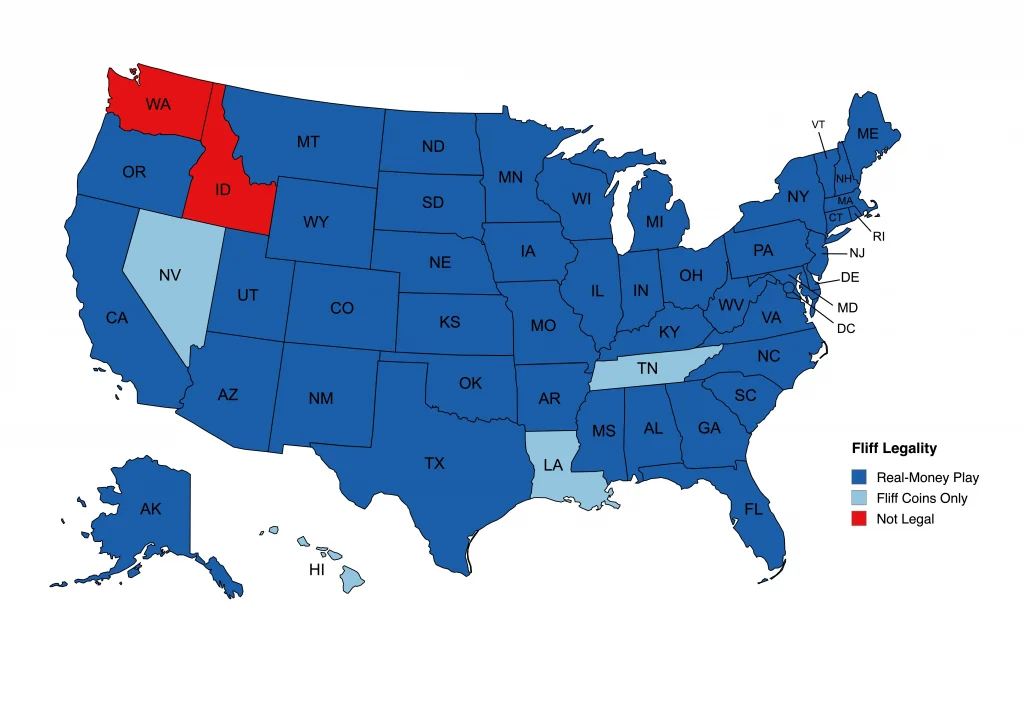
The legality of Fliff in Texas, under this sweepstakes model, is largely dependent on its adherence to sweepstakes regulations. A critical aspect is the availability of a free method of entry. Fliff’s terms of service typically outline how users can acquire “Prizes” without making a purchase. This often includes mechanisms like daily check-ins, promotional offers, or direct requests for free entries through mail.
The platform’s design aims to ensure that participation does not require a monetary wager. The emphasis is on “picks” and “predictions” rather than direct betting. When a user makes a “pick” with “Prizes,” they are essentially participating in a sweepstakes where the outcome is determined by the results of the actual sporting event. If their prediction is correct, they may be eligible for a reward of real money.
Age and Location Restrictions
Like most gaming platforms, Fliff has age restrictions. Users must typically be 18 years or older to participate. Furthermore, while Fliff operates in many parts of the United States, its availability and the specific rules governing its use can vary by state due to differing regulations. For Texas residents, the key is that Fliff’s sweepstakes model is designed to comply with Texas law as it pertains to these types of prize promotions.
Legal Status of Fliff in Texas: A Nuanced Perspective
Given the legal framework in Texas, Fliff’s sweepstakes-based social sports picks model is generally considered permissible. The state does not have specific laws that prohibit sweepstakes of this nature, provided they are conducted in accordance with established legal principles.
Adherence to Sweepstakes Laws
The primary legal defense for platforms like Fliff is their structure as a sweepstakes. By offering free entry and ensuring that no purchase is necessary to win, they aim to differentiate themselves from illegal gambling operations. Texas law, like that in many other states, permits sweepstakes where prize eligibility is not contingent on a purchase.
The critical question for any user in Texas is whether Fliff provides genuine free methods of entry and whether their terms and conditions clearly articulate this. If a platform requires users to pay for a chance to win, or if the purchase of goods or services is inextricably linked to the possibility of winning prizes, it could be deemed illegal gambling. Fliff’s model, as presented, suggests an effort to avoid this pitfall.
Potential Legal Challenges and Interpretations
While Fliff operates under the sweepstakes umbrella, the line between skill-based games, sweepstakes, and gambling can sometimes be blurry and subject to interpretation by legal authorities. If state regulators were to scrutinize Fliff’s operations more closely, they might examine whether the element of chance is more dominant than skill, or if the “free entry” provisions are sufficiently accessible and transparent.
However, as of current understanding and the general acceptance of similar platforms in other states with comparable legal frameworks, Fliff’s model is positioned to be legal in Texas. It’s important for users to be aware that the legal landscape for online gaming and related activities is constantly evolving. What is permissible today may be subject to change with new legislation or judicial interpretations.

What This Means for Texas Residents
For Texans interested in using Fliff, the platform appears to offer a legal way to engage with sports predictions and the potential to win rewards. The key is to understand that it is not traditional sports betting. Users are participating in a sweepstakes, and their ability to win real money is tied to the “Prizes” they acquire and the accuracy of their predictions.
It is always advisable for users to:
- Read the Terms and Conditions: Understand how the platform operates, how to acquire “Prizes,” and the process for redeeming any winnings.
- Utilize Free Entry Methods: Ensure they are taking advantage of all available free methods to obtain “Prizes.”
- Be Aware of Age Requirements: Confirm they meet the minimum age to participate.
- Stay Informed: Keep abreast of any changes in Texas law regarding sweepstakes, fantasy sports, or online gaming.
In conclusion, while traditional sports betting remains off-limits in Texas, platforms like Fliff, which operate under a sweepstakes model for social sports picks, appear to be legally permissible. Their compliance hinges on their adherence to sweepstakes regulations, particularly regarding free entry and the distinction from direct gambling. For residents of the Lone Star State, Fliff offers an avenue for engaging with sports predictions within these established legal boundaries.
LifeOutOfTheBox is a participant in the Amazon Services LLC Associates Program, an affiliate advertising program designed to provide a means for sites to earn advertising fees by advertising and linking to Amazon.com. Amazon, the Amazon logo, AmazonSupply, and the AmazonSupply logo are trademarks of Amazon.com, Inc. or its affiliates. As an Amazon Associate we earn affiliate commissions from qualifying purchases.