
The vast and diverse landscape of Texas dictates a varied and dynamic climate, offering a unique experience for every visitor. From the arid West Texas plains to the humid Gulf Coast, understanding the prevailing weather patterns is crucial for planning an unforgettable trip, whether you’re seeking outdoor adventures, cultural immersion, or simply a relaxing getaway. This guide delves into the climatic nuances across the Lone Star State, helping you pack appropriately and make the most of your Texas exploration.
Understanding Texas’s Climatic Zones
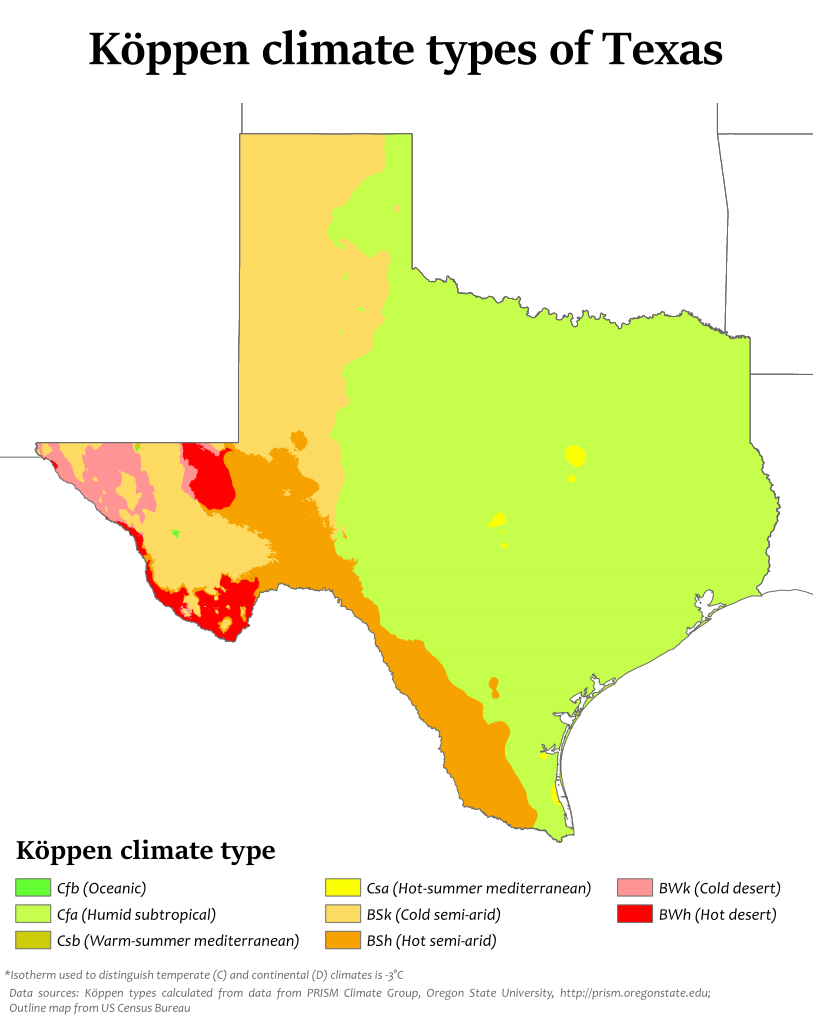
Texas is not a monolithic entity when it comes to climate. Its sheer size, spanning over 268,000 square miles, results in distinct climatic regions, each with its own temperature ranges, precipitation levels, and seasonal characteristics. These variations are influenced by factors such as proximity to the Gulf of Mexico, elevation, and prevailing wind patterns.
The Panhandle and West Texas: Arid and Extreme
The northernmost part of Texas, the Panhandle, and the vast expanse of West Texas share a semi-arid to arid climate. This region experiences hot summers with average high temperatures often exceeding 90°F (32°C), and cold winters with sub-freezing temperatures common. Rainfall is scarce, averaging around 15 to 25 inches annually, primarily falling during spring thunderstorms. Dust storms, known as “haboobs,” can occur, especially during dry spells. The stark beauty of places like the Palo Duro Canyon is best appreciated with knowledge of these extremes. Visitors should be prepared for significant diurnal temperature swings, where daytime highs can be dramatically different from nighttime lows. The wind can also be a significant factor, particularly in open plains.
Central Texas: A Blend of Subtropical and Continental
Central Texas, encompassing major cities like Austin, San Antonio, and Waco, offers a transitional climate, blending subtropical and continental influences. Summers here are hot and humid, with average highs in the mid-90s°F (around 35°C), and heatwaves can push temperatures well over 100°F (38°C). Humidity from the Gulf often makes these temperatures feel even more intense. Spring and fall are generally pleasant, with mild temperatures and beautiful foliage, making them ideal times for exploring historical sites or enjoying outdoor festivals. Winters are mild, with average temperatures in the 50s and 60s°F (10-15°C), though occasional cold fronts can bring freezing temperatures and even light snow. Precipitation is more abundant than in West Texas, typically ranging from 30 to 40 inches per year, with most falling in late spring and early fall. This region is also prone to severe thunderstorms, which can bring heavy rain, hail, and tornadoes.
The Gulf Coast: Humid Subtropical and Tropical
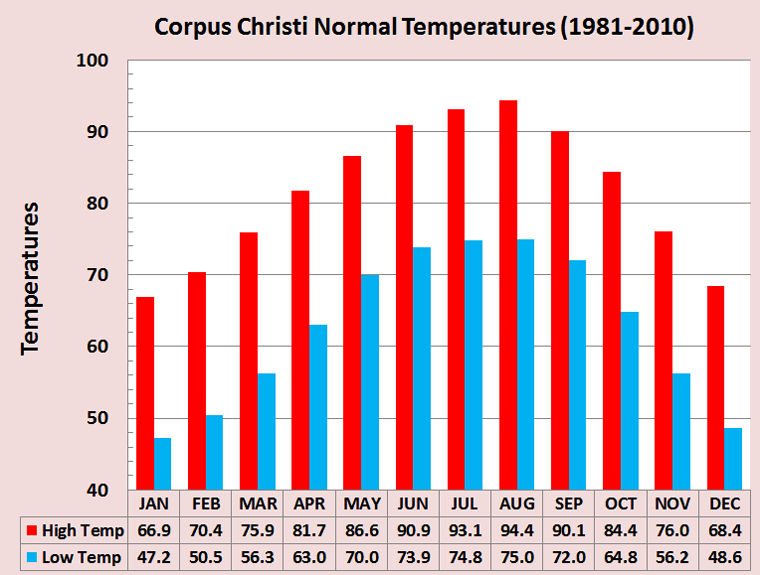
Stretching from Beaumont to Brownsville, the Texas Gulf Coast boasts a humid subtropical to tropical climate. Summers are long, hot, and extremely humid, with average highs in the upper 80s to low 90s°F (30-33°C). The proximity to the Gulf of Mexico moderates winter temperatures, making them significantly milder than inland areas. Freezing temperatures are rare, and snow is almost unheard of. This region receives the most rainfall in the state, often exceeding 50 inches annually, with much of it occurring in the summer months as thunderstorms. The primary concern for visitors during the hurricane season, which runs from June 1st to November 30th, is tropical storms and hurricanes, which can bring heavy winds and significant flooding. However, this climate also supports lush vegetation, making coastal areas vibrant and green.
East Texas: Piney Woods and Mild Winters
East Texas, known for its dense pine forests, experiences a humid subtropical climate similar to the Gulf Coast, but with slightly cooler temperatures and more consistent rainfall. Summers are hot and humid, with highs in the upper 80s to low 90s°F (30-33°C). Winters are mild and wet, with average temperatures in the 40s and 50s°F (4-10°C). Snowfall is infrequent but possible. This region receives ample rainfall throughout the year, typically between 40 and 50 inches, contributing to its verdant landscape. The humidity can be high year-round, so visitors should dress accordingly. This region is also susceptible to thunderstorms, particularly in the spring.
Seasonal Considerations for Travelers
Understanding the climate by season is essential for tailoring your Texas travel experience. Each season brings its own set of opportunities and challenges.
Spring (March-May): A Time of Blooming and Storms
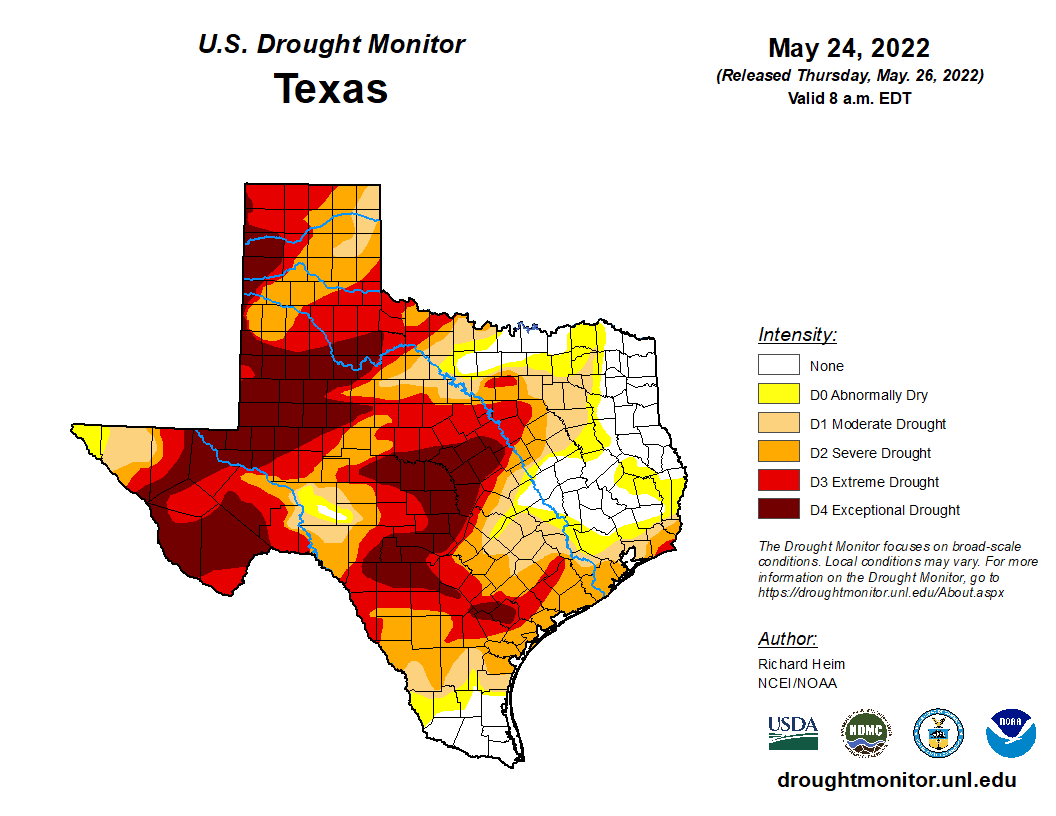
Spring is often considered the most pleasant season to visit much of Texas. Temperatures are generally mild and comfortable, with average highs ranging from the 60s to 80s°F (15-27°C) across the state. Wildflowers, such as the iconic Bluebonnets, bloom across the countryside, creating a spectacular visual display, particularly in the Hill Country. This is an ideal time for outdoor activities like hiking in Big Bend National Park, exploring the historic missions of San Antonio, or enjoying the vibrant music scene in Austin. However, spring is also the peak season for severe thunderstorms, including tornadoes, especially in North and Central Texas. Visitors should stay informed about weather alerts.
Summer (June-August): Heat and Humidity Dominate
Summers in Texas are undeniably hot and humid, particularly in the eastern and southern parts of the state. Average daily high temperatures frequently reach the 90s°F (32-37°C) and can soar above 100°F (38°C) for extended periods, especially in inland areas. The Gulf Coast experiences a pervasive humidity that makes the heat feel even more oppressive. Outdoor activities are best planned for early mornings or late evenings. Hydration is paramount, and seeking air-conditioned indoor attractions like museums, art galleries, or the numerous shopping malls is advisable. This is a popular time for families to visit, and many attractions offer indoor entertainment. Despite the heat, the long daylight hours and numerous festivals make summer a lively period for tourism.
Fall (September-November): A Welcome Respite
Autumn brings a welcome relief from the summer heat to Texas. Temperatures begin to cool, especially in October and November, with daytime highs in the 70s and 80s°F (21-27°C) becoming common. The humidity also decreases, making outdoor exploration significantly more enjoyable. Fall is an excellent time for visiting national parks, exploring the scenic drives of the Hill Country, or enjoying the state’s renowned barbecue and culinary scene. The colors of fall foliage can be observed in East Texas. While the risk of severe weather lessens, occasional cold fronts can still bring cooler temperatures, so packing layers is recommended. This season is perfect for experiencing the authentic Texan lifestyle and engaging in activities without the intense heat of summer.
Winter (December-February): Mild and Occasionally Chilly
Winters in Texas are generally mild, especially compared to many other states. The southern and coastal regions experience the mildest winters, with average daytime temperatures in the 50s and 60s°F (10-15°C). Freezing temperatures are rare and usually brief. However, cold fronts from the north can sweep through, bringing temporary dips in temperature, occasional ice, and even light snow, particularly in the Panhandle and North Texas. This is an ideal time for visitors seeking to escape harsher winter climates. It’s perfect for exploring the historic streets of cities like Galveston or enjoying indoor attractions without the oppressive summer heat. While not ideal for extensive outdoor activities in the cooler months, the lack of crowds and lower accommodation prices can make winter a strategic time for budget-conscious travelers.
Navigating Texas’s Climate for Your Travel Plans
To truly maximize your Texas adventure, understanding how the climate impacts specific travel plans is key. Whether you’re heading to a major metropolitan area or a remote natural wonder, a little preparation goes a long way.
Packing Essentials for Every Season
Regardless of the season, a few essentials are always recommended for any Texas trip. Lightweight, breathable clothing is a must for the warmer months. Sunscreen, a hat, and sunglasses are crucial year-round due to the strong Texas sun. Comfortable walking shoes are essential for exploring cities and natural landscapes. For spring and fall, packing layers is advisable, as temperatures can fluctuate. Winters in the northern parts of the state may require a heavier jacket, gloves, and a hat. For the Gulf Coast, a light rain jacket or umbrella is always a good idea, and be prepared for potential humidity.
Outdoor Activities and Weather Preparedness
Texas offers an abundance of outdoor activities, from hiking and camping in its state and national parks to exploring its vast coastlines and charming small towns. When planning outdoor excursions, always check the local weather forecast immediately before you depart. For regions prone to severe weather, such as thunderstorms or potential tornadoes in spring, have a plan in place in case of inclement weather. This might involve identifying safe shelter locations or having alternative indoor activities planned. For those visiting during hurricane season on the coast, staying informed about tropical weather advisories from the National Hurricane Center is paramount.
Embracing Indoor Attractions
When the Texas sun becomes too intense or the weather turns unpredictable, the state offers a wealth of indoor attractions. Major cities like Houston, Dallas, and San Antonio boast world-class museums, art galleries, performing arts centers, and vibrant culinary scenes. Even in smaller towns, you’ll often find historical museums, unique shops, and cozy cafes that provide a perfect respite from the elements. This allows for a rich and varied travel experience, ensuring that you can enjoy the best of Texas no matter the climate.
LifeOutOfTheBox is a participant in the Amazon Services LLC Associates Program, an affiliate advertising program designed to provide a means for sites to earn advertising fees by advertising and linking to Amazon.com. Amazon, the Amazon logo, AmazonSupply, and the AmazonSupply logo are trademarks of Amazon.com, Inc. or its affiliates. As an Amazon Associate we earn affiliate commissions from qualifying purchases.