
Navigating the vast and diverse landscape of Texas can feel like embarking on an expedition in itself. From the sprawling metropolises to the remote, windswept plains, understanding your precise location within its intricate administrative fabric is not just a matter of curiosity but a practical necessity for various purposes. Whether you’re a new resident seeking to understand local governance, a traveler planning an itinerary, or a business owner looking to comply with regulations, pinpointing your Texas district is fundamental. This guide aims to demystify the process, breaking down the primary types of districts you might encounter and offering pathways to identify your specific designation.
Understanding the Layers of Texas Governance
Texas is characterized by a multi-layered system of governance, encompassing federal, state, and local entities. When we talk about “districts,” we are typically referring to subdivisions created for specific administrative, political, or service-oriented functions. These can range from the broad strokes of congressional representation to highly localized bodies managing essential services like water or education.
Political Districts: Your Voice in Government
At the forefront of civic engagement are the political districts, which determine how your vote is cast and who represents your interests at various levels of government. These districts are crucial for democratic participation.
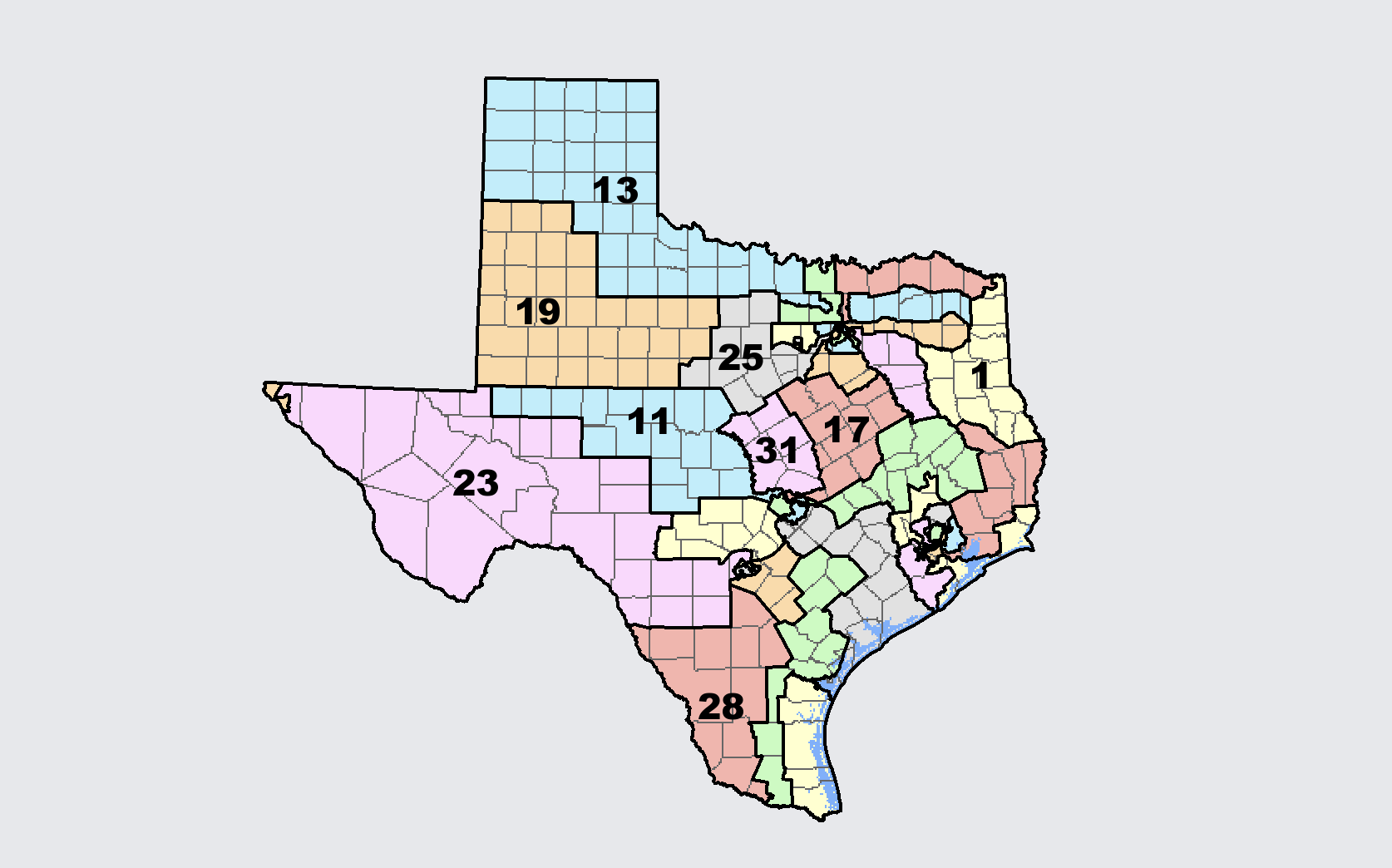
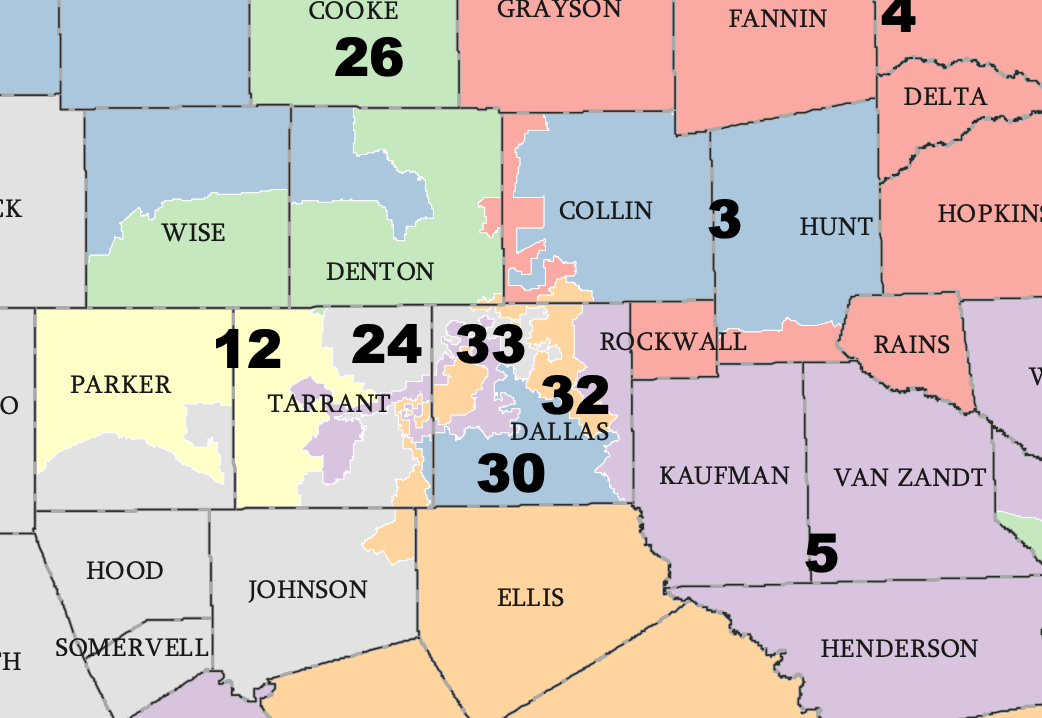
Congressional Districts
These are the electoral areas from which representatives are sent to the United States House of Representatives. Texas is divided into numerous congressional districts, each representing a substantial population. Knowing your congressional district ensures you vote for the correct federal representative who advocates for your region in Washington D.C..
State Legislative Districts
Within Texas itself, the state is further divided into districts for its state legislature. This includes districts for the Texas State Senate and the Texas House of Representatives. These representatives make laws that govern the state and address issues specific to Texas.
Judicial Districts
The judicial system also operates through districts. Texas has various judicial districts, encompassing different levels of courts, from local municipal courts to higher state courts like the Texas Court of Criminal Appeals and the Texas Supreme Court. Understanding your judicial district is important for legal matters and knowing which court has jurisdiction over your area.
Other Political Subdivisions
Beyond these primary political districts, you might also fall within the jurisdiction of county precincts and city council districts, depending on your specific address. These further refine local representation and governance.
Specialized Service Districts: Essential Infrastructure and Public Services
Beyond political representation, Texas is structured with numerous specialized districts designed to provide and manage essential services that often transcend traditional municipal boundaries. These districts are vital for the functioning of communities and ensuring a high quality of life.
School Districts
Perhaps one of the most widely recognized types of districts, school districts are responsible for public education within their designated boundaries. Whether you have children attending public schools, or simply pay property taxes that contribute to their funding, understanding your school district is essential. This includes knowing which school you are zoned for and the educational policies and initiatives impacting your community.
Water and Utility Districts
The management of crucial resources like water, wastewater, and drainage is often handled by specialized districts. These public utility districts (PUDs) or municipal utility districts (MUDs) ensure the provision of clean water, efficient wastewater treatment, and effective flood control. For residents and businesses, these districts dictate service providers, billing, and infrastructure development related to these vital utilities.
Special Purpose Districts
Texas also features a wide array of special purpose districts, each established to address a specific need or provide a particular service. These can include:
- Hospital Districts: Responsible for managing and operating public hospitals and healthcare services in their area.
- Emergency Services Districts (ESDs): Primarily focused on funding and providing emergency medical services (EMS) and fire protection.
- Transportation Districts: Such as metropolitan transit authorities, which plan, develop, and operate public transportation systems.
- Park and Recreation Districts: Dedicated to acquiring, developing, and maintaining public parks and recreational facilities.
These districts play a critical role in the daily lives of Texans, often operating with their own taxing authority and administrative structures.
How to Determine Your Texas District
Given the complexity of these overlapping districts, accurately identifying your specific designation can seem daunting. Fortunately, several reliable methods can help you pinpoint your location within the Texas administrative map.
Utilizing Online Resources
The most efficient way to determine your district is through online government portals and official websites.
Official Government Websites
- Voter Registration and Election Information: Websites like the Texas Secretary of State or your local county elections office provide tools to look up your registration status, which will often confirm your political districts, including congressional, state legislative, and precinct information.
- Property Tax Records: County appraisal districts often have online property search tools that can reveal which special districts, such as school and utility districts, your property falls within.
- School District Websites: Your local school district’s website will typically have a “Find My School” or “Attendance Zone” tool where you can enter your address to confirm your zoned school and district.
Address Look-up Tools
Many governmental agencies and third-party services offer address look-up tools. By simply entering your street address, you can often retrieve a comprehensive list of the districts you belong to, from your congressional representative down to your specific water district.
Contacting Local Authorities
If online resources are insufficient or you prefer direct assistance, contacting local government offices is a viable option.
County Clerk’s Office
Your county clerk’s office is a central hub for information related to county governance and elections. They can often assist in identifying your political districts and may have information on other local entities.
City Hall
For issues related to municipal services and local representation, your city hall is the appropriate point of contact. They can provide details about your city council district and any city-specific service districts.
School District Administration
If your primary concern is education, the administration office of the relevant school district can confirm your enrollment zone and district information.
Understanding Property Records
For homeowners and property owners, your property tax statement or county appraisal district records are invaluable resources. These documents typically list the various taxing entities to which you contribute, which directly correlates to the districts you are part of. This is particularly helpful for identifying special purpose districts that may not be immediately obvious through political representation searches.
The Importance of Knowing Your Texas District
Understanding your Texas district is more than an academic exercise; it has tangible implications for your daily life and civic participation.
Informed Civic Engagement
Knowing your representatives at all levels – federal, state, and local – empowers you to communicate your concerns, participate in elections with confidence, and hold your elected officials accountable. It ensures your voice is heard on issues ranging from national policy to local zoning laws.
Access to Services and Resources
Your district designation directly impacts your access to essential services. Whether it’s the quality of education your children receive, the reliability of your water supply, or the responsiveness of emergency services, these are all governed by the districts you belong to. Awareness allows you to advocate for improvements or understand the limitations of existing services.
Navigating Regulations and Compliance
For businesses and property owners, knowledge of specific districts is often crucial for compliance with local ordinances, zoning regulations, and tax structures. Understanding these boundaries ensures lawful operation and responsible stewardship of property.
Community Planning and Development
Special districts are often at the forefront of community development projects, from infrastructure improvements to park enhancements. Being aware of these districts allows residents to participate in public hearings, provide input on planning processes, and contribute to the future shape of their communities.
In conclusion, while Texas may be a vast state, its intricate district system is designed to manage governance and services effectively. By utilizing the resources available and understanding the different types of districts, you can confidently determine your precise location within Texas and engage more fully with the opportunities and responsibilities that come with it.
LifeOutOfTheBox is a participant in the Amazon Services LLC Associates Program, an affiliate advertising program designed to provide a means for sites to earn advertising fees by advertising and linking to Amazon.com. Amazon, the Amazon logo, AmazonSupply, and the AmazonSupply logo are trademarks of Amazon.com, Inc. or its affiliates. As an Amazon Associate we earn affiliate commissions from qualifying purchases.