
The question of whether online voting is a viable option for residents of Texas is one that garners significant attention, particularly as technological advancements offer new possibilities for civic engagement. While the allure of casting a ballot from the comfort of one’s home is undeniable, the reality in Texas is more nuanced, rooted in a complex interplay of security concerns, legislative frameworks, and the state’s commitment to maintaining the integrity of its electoral process. This exploration delves into the current landscape of voting in Texas, examining the limitations and the potential future of online voting.

The Current Voting Landscape in Texas
Texas prides itself on a robust and secure election system. The state’s approach to voting is characterized by a preference for established, verifiable methods that have long been considered the bedrock of democratic elections. This includes in-person voting at polling stations on Election Day, as well as early voting periods, which allow citizens more flexibility in choosing when and where they cast their ballot. Absentee voting, for specific qualifying reasons, further expands accessibility.
In-Person Voting: The Traditional Method
The cornerstone of Texas’s voting system is in-person voting. Residents are encouraged to visit their assigned polling locations on Election Day to cast their votes. This method offers a high degree of transparency and security, as each vote is cast and recorded physically or through validated electronic voting machines, and can be subject to rigorous audits and recounts. The presence of poll workers and observers also contributes to the perceived integrity of the process.
Early Voting: Enhancing Accessibility
To accommodate the diverse schedules and needs of its populace, Texas offers an early voting period. This allows registered voters to cast their ballots at designated early voting centers for a set number of days before Election Day. Early voting sites are typically equipped with the same voting technology as Election Day polling places, ensuring a consistent and secure voting experience. This initiative has proven popular, significantly increasing voter turnout by providing greater convenience.
Absentee Voting: For Specific Circumstances
Absentee voting in Texas is not a general option for any voter who prefers not to vote in person. Instead, it is reserved for individuals who meet specific eligibility criteria. These criteria often include being 65 years of age or older, being disabled, expecting to be out of their county on Election Day and during the early voting period, or being confined in jail but otherwise eligible to vote. To cast an absentee ballot, voters must request an application, complete it, and then return the ballot by mail or in person to the appropriate election official. This method aims to ensure that those who cannot physically reach a polling place due to legitimate reasons still have a means to participate in elections.
The Question of Online Voting: Security and Feasibility
The prospect of online voting, often referred to as internet voting or remote electronic voting, presents a significant departure from Texas’s established voting practices. While proponents highlight potential benefits such as increased convenience, expanded access for certain demographics, and potentially higher voter turnout, significant hurdles remain, primarily centered on security and verifiability.
Cybersecurity Concerns
The most substantial barrier to implementing online voting in Texas is the inherent vulnerability of online systems to cyber threats. The internet, by its very nature, is susceptible to hacking, malware, denial-of-service attacks, and sophisticated forms of manipulation. Election officials and cybersecurity experts express grave concerns about the potential for:
- Ballot Tampering: Malicious actors could potentially alter votes as they are transmitted online, leading to inaccurate election results.
- Voter Impersonation: Ensuring the identity of the person casting a vote online is a significant challenge. Sophisticated identity theft could allow unauthorized individuals to cast ballots in place of legitimate voters.
- DDoS Attacks: Distributed Denial of Service attacks could overwhelm online voting platforms, making them inaccessible to legitimate voters and disrupting the election process.
- Lack of Transparency: The complex nature of online systems can make it difficult to ensure transparency and allow for independent verification of the vote count, a critical component of democratic elections.
- Coercion and Vote Selling: Online voting could make it easier for voters to be coerced into voting a certain way or to sell their votes, as they would be voting in private, unobserved environments.
Verifiability and Auditing
A fundamental principle of elections is the ability to verify the integrity of the results. This is typically achieved through auditable paper trails or secure, verifiable electronic voting machines that produce a physical record. With online voting, the process of creating a verifiable audit trail that is impervious to manipulation is exceedingly complex. Ensuring that the digital record of a vote accurately reflects the voter’s intent and can be reliably recounted if necessary is a significant technical and logistical challenge.
Legislative Hurdles
Currently, Texas state law does not permit online voting for the general electorate. Any significant shift towards online voting would require extensive legislative action. This would involve not only passing new laws but also establishing comprehensive regulations and standards for the secure development and implementation of such systems. The political will and consensus required to overcome the deeply ingrained security concerns and to navigate the complex legislative process are considerable.
The Role of Technology in Enhancing Voting
While direct online voting for all Texas residents is not currently an option, technology plays a crucial role in modernizing and improving the existing voting infrastructure. The state has invested in technologies that enhance efficiency, accuracy, and accessibility within the current framework.
Electronic Voting Machines
Many polling places across Texas utilize modern electronic voting machines. These machines are designed to be user-friendly and to reduce the incidence of human error in vote tabulation. They often feature touchscreens or optical scanners to record votes, and many are equipped with features that allow voters to review their selections before casting their ballot. Importantly, these machines are designed to produce a voter-verifiable paper audit trail (VVPAT), which allows for manual recounts in the event of disputes or concerns about the electronic results.
Voter Registration Systems
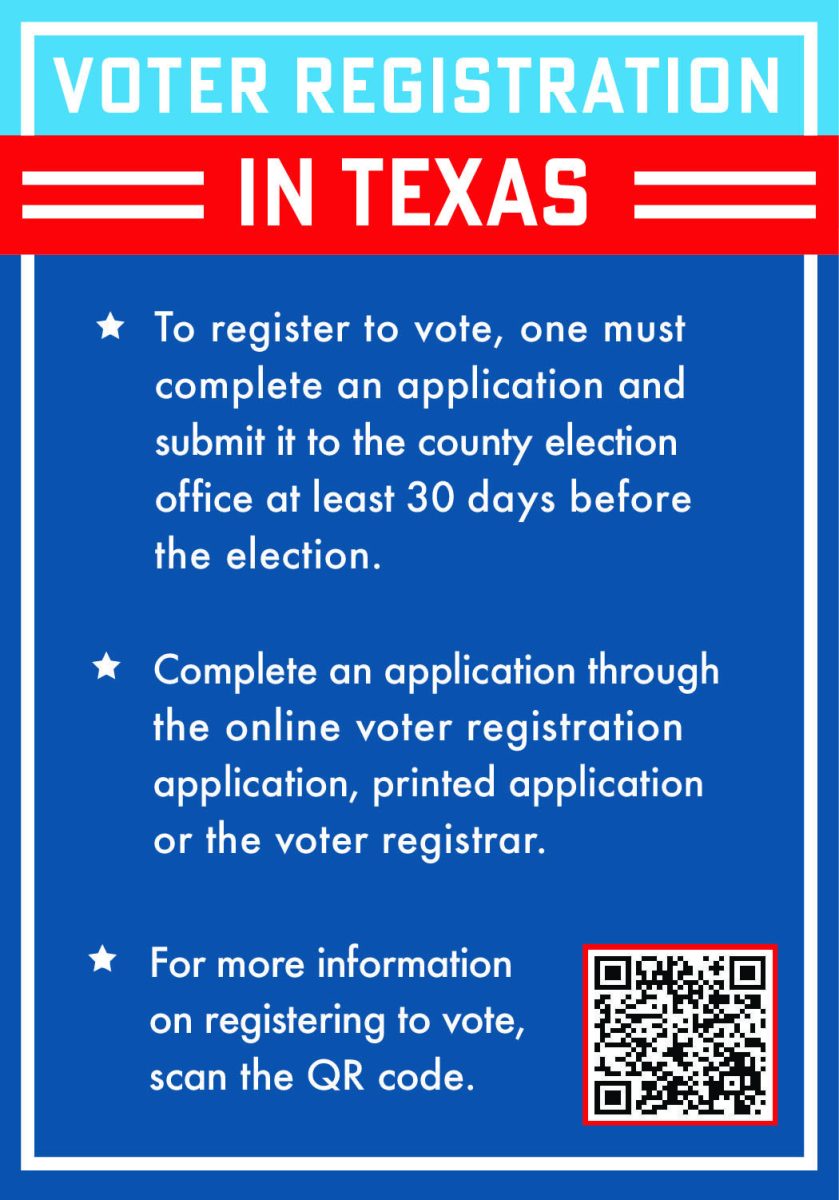
Online voter registration has been a significant technological advancement in Texas, making it easier for citizens to register to vote or update their registration information. This online portal streamlines a process that was once primarily paper-based, contributing to a more accurate and up-to-date voter roll.
Election Management Systems
Behind the scenes, sophisticated election management systems are used to manage voter data, poll worker assignments, ballot creation, and the tabulation of results. These systems, when properly secured and maintained, contribute to the overall efficiency and accuracy of the election process.
Exploring Alternative Remote Voting Options
While direct online voting remains largely out of reach due to security concerns, discussions sometimes arise regarding other forms of remote voting that might offer greater accessibility without compromising security to the same degree.
Mail-In Ballots for Specific Groups
As mentioned earlier, Texas does allow for mail-in ballots (absentee voting) for specific, legally defined groups of voters. This mechanism, while not offering the convenience of universal online voting, provides a secure and established method for eligible individuals to cast their ballot remotely. The process involves strict verification steps for ballot requests and returns to mitigate fraud.

Future Possibilities and Pilot Programs
The landscape of voting technology is constantly evolving. As cybersecurity measures become more sophisticated and as researchers develop more secure and verifiable online voting platforms, the conversation in Texas and elsewhere may shift. It is conceivable that in the future, pilot programs or limited implementations of secure online voting might be explored for specific contexts, such as overseas military personnel or citizens with severe disabilities, under stringent security protocols and with robust oversight. However, any such move would be preceded by extensive research, public debate, and legislative action, prioritizing the fundamental tenets of election integrity and public trust.
In conclusion, while the idea of voting online in Texas is an attractive proposition for its potential to enhance convenience and accessibility, it is not a current reality. The state’s commitment to election security and the significant technical and legislative challenges associated with internet voting mean that traditional and early in-person voting, alongside limited absentee voting, remain the primary methods for Texans to exercise their democratic rights. The ongoing evolution of technology will undoubtedly continue to shape the discussion, but for now, the integrity and security of the ballot box are paramount.
LifeOutOfTheBox is a participant in the Amazon Services LLC Associates Program, an affiliate advertising program designed to provide a means for sites to earn advertising fees by advertising and linking to Amazon.com. Amazon, the Amazon logo, AmazonSupply, and the AmazonSupply logo are trademarks of Amazon.com, Inc. or its affiliates. As an Amazon Associate we earn affiliate commissions from qualifying purchases.