
When planning a journey through the vast and diverse landscapes of Arizona, understanding its geographical and administrative divisions can significantly enhance your travel experience. While the iconic red rocks of Sedona and the awe-inspiring depths of the Grand Canyon often dominate the tourist imagination, the state’s organizational structure is just as integral to exploring its multifaceted appeal. Arizona is divided into counties, each possessing its unique character, attractions, and historical significance. Knowing the number and names of these counties can unlock a deeper appreciation for the state’s geography, from its bustling urban centers to its remote, rugged wilderness. This guide delves into the administrative framework of Arizona, highlighting how understanding its counties can enrich your travels.

The Fifteen Counties of Arizona: A Diverse Administrative Tapestry
Arizona, a state renowned for its stunning natural beauty, rich Native American heritage, and vibrant Southwestern culture, is comprised of fifteen distinct counties. These counties serve not only as administrative units but also as gateways to the diverse experiences the state offers. From the sprawling metropolitan areas of the Phoenix valley to the frontier spirit of its northern territories, each county contributes a unique thread to the rich tapestry of Arizona. Understanding these divisions provides a valuable framework for travelers seeking to navigate the state’s varied landscapes and cultural offerings.
Northern Arizona’s Majestic Holdings
The northern region of Arizona is home to some of the state’s most famous natural wonders and historical sites. These counties often evoke images of vast open spaces, dramatic geological formations, and a deep connection to the state’s past.
Apache County: Gateway to Ancient Civilizations and Natural Wonders
Apache County, named after the Native American Apache people, is the largest county in Arizona by land area. Its northern boundary stretches to the Four Corners Monument, where Arizona, Utah, Colorado, and New Mexico converge. This county is a treasure trove for history buffs and nature enthusiasts alike.
- Petrified Forest National Park: A significant portion of this unique park, where ancient trees have turned to stone over millions of years, lies within Apache County. The vibrant colors of the petrified wood and the Painted Desert are a must-see.
- Homolovi State Park: Home to the ruins of ancient Hopi villages, this park offers a glimpse into the lives of the ancestral Puebloans.
- White Mountains: The picturesque White Mountains offer opportunities for hiking, fishing, and skiing, with Mount Balders and Sunrise Park Resort being popular destinations.
Coconino County: Home of the Grand Canyon and High Desert Vistas
Coconino County is perhaps best known as the home of the magnificent Grand Canyon National Park. This vast county encompasses a diverse range of landscapes, from pine forests to high desert plateaus.
- Grand Canyon National Park (South Rim): The most visited part of the Grand Canyon, offering iconic views, hiking trails, and visitor services.
- Flagstaff: A charming mountain city that serves as a gateway to many of Northern Arizona’s attractions. It boasts a vibrant downtown area with unique shops, restaurants, and breweries.
- Walnut Canyon National Monument: Features cliff dwellings of the Sinagua people, perched precariously on the canyon walls.
- Meteor Crater: A remarkably well-preserved impact crater, offering insights into the forces that shaped our planet.
Navajo County: Echoes of the Past and Vibrant Native American Culture
Navajo County, named after the Navajo Nation, is rich in history and cultural heritage. It shares borders with Utah and New Mexico, further enhancing its cultural mosaic.
- Monument Valley Navajo Tribal Park: Though primarily in Utah, its iconic buttes and mesas are deeply associated with the Navajo culture and the landscapes of this region, with significant portions of the Navajo Nation falling within Navajo County.
- Canyon de Chelly National Monument: This sacred site preserves ancient cliff dwellings and is still home to Navajo families who farm the canyon floor.
- Pinetop-Lakeside: A popular destination for outdoor recreation in the White Mountains, offering fishing, hiking, and a cooler climate.
Yavapai County: Gold Rush History and the Heart of Arizona
Yavapai County is known for its rich mining history, charming historic towns, and its central location within the state. It offers a blend of natural beauty and Western heritage.
- Prescott: The former territorial capital, Prescott boasts a beautifully preserved Victorian downtown square, a testament to its Gold Rush era. It’s a hub for outdoor activities with the Prescott National Forest.
- Jerome: A historic copper mining town perched on a steep hillside, now a thriving artist community with unique shops and galleries.
- Sedona: While often thought of as its own entity, a significant portion of the breathtaking red rock formations and spiritual vortexes of Sedona fall within Yavapai County, making it a prime destination for spiritual seekers and hikers.
- Wickenburg: Known for its Western heritage and dude ranches, offering an authentic cowboy experience.
Gila County: Rugged Beauty and Mining Heritage
Gila County is characterized by its rugged mountains, deep canyons, and a strong mining history. The Gila River, which gives the county its name, carves through its dramatic landscapes.
- Globe: The county seat, Globe, is a historic mining town with a well-preserved downtown and the Besh Ba Gowah Archaeological Park, showcasing Salado culture ruins.
- Miami: Another historic mining community, known for its copper mines.
- Tonto National Monument: Features well-preserved cliff dwellings of the Salado people, offering insights into ancient Southwestern life.
- Salt River Canyon: Often called the “Mini Grand Canyon,” this stunning canyon offers scenic drives and opportunities for hiking and fishing.
Central Arizona’s Urban Core and Deserts
The central region of Arizona is defined by its bustling metropolitan areas, vast desert expanses, and a climate that draws visitors year-round. These counties are home to the state’s economic engine and a wealth of recreational opportunities.
Maricopa County: The Thriving Heart of Arizona
Maricopa County is the most populous county in Arizona and home to the state capital, Phoenix. It is the economic, cultural, and political hub of the state, offering a wide array of urban attractions and desert adventures.
- Phoenix: The capital city, offering world-class museums, vibrant nightlife, professional sports teams, and a sprawling metropolitan area with diverse neighborhoods and culinary scenes.
- Scottsdale: Known for its upscale resorts, art galleries, vibrant nightlife, and designer shopping. The Scottsdale Fashion Square is a premier shopping destination.
- Tempe: Home to Arizona State University, Tempe offers a lively college town atmosphere, with Tempe Town Lake providing recreational opportunities.
- Mesa: The third-largest city in Arizona, offering cultural attractions, parks, and a significant historical presence with the Mesa Grande Ruins.
- Glendale: Known for its vibrant downtown and the State Farm Stadium, home to the Arizona Cardinals.
- South Mountain Park and Preserve: One of the largest municipal parks in the United States, offering extensive hiking and biking trails with panoramic views of the valley.
Pinal County: Where Desert Meets Agriculture
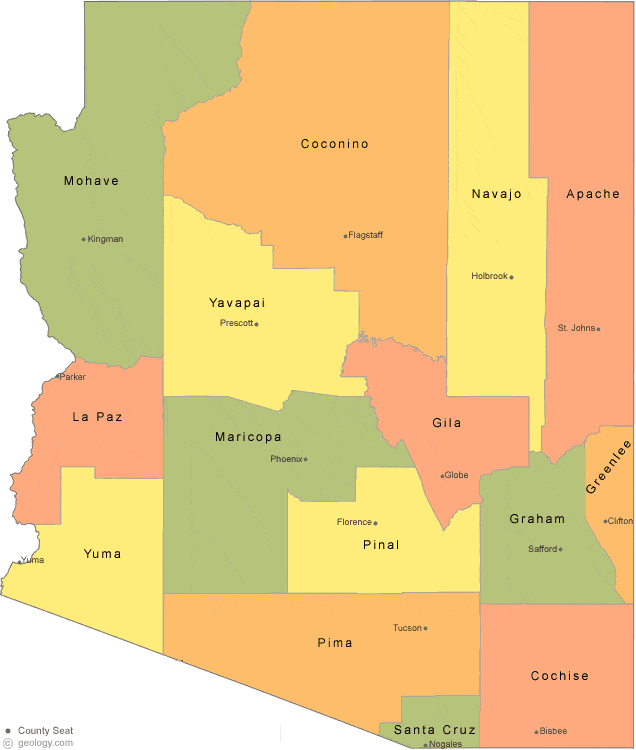
Pinal County bridges the gap between the metropolitan areas of Maricopa County and the southern deserts. It is a significant agricultural region and home to growing communities.
- Casa Grande: The largest city in the county, known for its proximity to significant archaeological sites and its burgeoning economic development.
- Florence: The county seat, with a rich history and notable historical sites, including the Florence State Historic Park.
- Picacho Peak State Park: A striking natural landmark offering challenging hikes with rewarding panoramic views of the surrounding desert.
- Gila River Indian Community: A large Native American reservation that spans across Pinal and Maricopa counties, offering cultural experiences and economic opportunities.
Southern Arizona’s Frontier Spirit and International Borderlands
Southern Arizona boasts a distinct frontier charm, a rich Spanish colonial heritage, and a unique cultural blend influenced by its proximity to Mexico. These counties offer a different perspective on the Arizona experience, characterized by warmer climates and distinct ecosystems.
Pima County: Desert Landscapes and Borderland Culture
Pima County is the second most populous county in Arizona and is home to the vibrant city of Tucson. It is known for its Sonoran Desert beauty, rich history, and a thriving arts and culinary scene.
- Tucson: A UNESCO City of Gastronomy, Tucson offers a unique blend of Southwestern and Mexican influences in its food, art, and culture. It is surrounded by stunning desert scenery.
- Saguaro National Park: Divided into two districts, East and West, this park protects iconic saguaro cacti and the diverse Sonoran Desert ecosystem.
- Mission San Xavier del Bac: A historic Spanish Catholic mission, also known as the “White Dove of the Desert,” renowned for its stunning Baroque architecture.
- Kitt Peak National Observatory: Located in the Baboquivari Mountains, it is one of the world’s most important astronomical observatories.
- Arizona-Sonora Desert Museum: A unique zoo, botanical garden, and natural history museum showcasing the flora and fauna of the Sonoran Desert.
Cochise County: Frontier Towns and Borderland History
Cochise County is steeped in Wild West lore and is famous for its frontier towns, historic forts, and its position along the U.S.-Mexico border. The striking mountain ranges and valleys give this county a distinct character.
- Tombstone: The legendary “Town Too Tough to Die,” famous for the O.K. Corral gunfight and its well-preserved 19th-century buildings.
- Bisbee: A former copper mining boomtown that has transformed into a quirky, artistic community nestled in the Mule Mountains, known for its unique shops, galleries, and the historic Queen Mine Tour.
- Fort Huachuca: A U.S. Army installation with a rich military history, also housing the Signal Corps Regimental Museum.
- Chiricahua National Monument: Known for its stunning rock formations, the “Wonderland of Rocks,” offering scenic drives and hiking trails.
Santa Cruz County: Arizona’s Southern Gateway
Santa Cruz County is Arizona’s smallest county by land area but holds significant cultural and historical importance as a gateway to Mexico. Its unique blend of cultures is evident in its towns and traditions.
- Nogales: The twin city of Nogales, Sonora, Mexico, serves as a major port of entry and a hub for cross-border commerce and cultural exchange. It’s known for its vibrant markets and authentic Mexican cuisine.
- Tumacacori National Historical Park: Preserves the ruins of three Spanish colonial missions, offering a glimpse into the region’s early religious and cultural history.
Western Arizona’s River Valleys and Desert Frontiers
Western Arizona is defined by the mighty Colorado River, which forms its western border, and vast desert landscapes that stretch towards California. These counties offer a different kind of adventure, with water-based recreation and stark desert beauty.
La Paz County: The Colorado River’s Playground
La Paz County is situated along the Colorado River, making it a prime destination for water sports, fishing, and outdoor recreation. Its desert environment is characterized by arid beauty.
- Parker: The county seat, a popular destination for boating, fishing, and off-roading.
- Lake Havasu City: Although primarily in Mohave County, its proximity and shared recreational interests with La Paz County make it relevant to the western Arizona experience, especially for those enjoying the Colorado River.
Mohave County: Vast Deserts and the Mighty Colorado
Mohave County is the third-largest county in Arizona and encompasses a vast expanse of desert and the entirety of the northwestern corner of the state, including a significant portion of the Colorado River.
- Lake Havasu City: Famous for the iconic London Bridge relocated from London, this city is a major hub for water recreation on Lake Havasu.
- Kingman: A historic Route 66 town, serving as a gateway to many of the county’s attractions and a notable stop for travelers seeking that classic American road trip experience.
- Bullhead City: Located directly across the Colorado River from Laughlin, Nevada, it’s a popular destination for casinos and water activities.
- Grand Canyon West: Home to the Grand Canyon Skywalk, offering a different, more accessible perspective of the Grand Canyon for some visitors, managed by the Hualapai Tribe.
Eastern Arizona’s High Mountains and Remote Beauty
Eastern Arizona offers a cooler climate, dense forests, and a more secluded, serene travel experience. These counties are less populated, providing a true escape into nature.
Greenlee County: Rugged Mining and Remote Wilderness
Greenlee County is one of Arizona’s least populated counties, known for its rugged terrain, rich mining history, and the scenic beauty of its canyons and mountains.
- Clifton and Morenci: These sister towns are historically significant mining communities. Morenci boasts one of the largest copper mines in North America.
- San Francisco River: Offers opportunities for fishing and exploring remote wilderness areas.

The Value of County Knowledge for Travelers
Understanding Arizona’s fifteen counties – Apache, Coconino, Gila, Greenlee, La Paz, Maricopa, Mohave, Navajo, Pima, Pinal, Santa Cruz, Yavapai, Cochise – can transform your trip from a series of disconnected sights into a coherent exploration of the state’s diverse offerings. Each county presents a unique set of attractions, from national parks and historical landmarks to charming towns and vibrant cultural centers. Whether you’re drawn to the majestic beauty of the Grand Canyon, the cosmopolitan energy of Phoenix, the historic charm of Tombstone, or the serene desert landscapes of Tucson, a little knowledge about Arizona’s counties can help you plan a more efficient, engaging, and unforgettable journey through the Grand Canyon State.
LifeOutOfTheBox is a participant in the Amazon Services LLC Associates Program, an affiliate advertising program designed to provide a means for sites to earn advertising fees by advertising and linking to Amazon.com. Amazon, the Amazon logo, AmazonSupply, and the AmazonSupply logo are trademarks of Amazon.com, Inc. or its affiliates. As an Amazon Associate we earn affiliate commissions from qualifying purchases.