
For anyone planning a trip, relocating, or simply curious about the daily rhythm of Mesa, Arizona, understanding its time zone is fundamental. Unlike most of the United States, Arizona observes a unique timekeeping practice that often piques the interest of travelers and residents alike. The short answer is that Mesa, along with most of Arizona, operates on Arizona Standard Time (AST), which is synonymous with Mountain Standard Time (MST) throughout the year. The crucial distinction? Arizona does not observe Daylight Saving Time. This singular approach to time has significant implications for travel planning, business operations, and even daily life, offering a consistent schedule that simplifies coordination but requires awareness for those coming from areas that do adjust their clocks.
Understanding Arizona’s Unique Time Zone Approach
The decision for Arizona to opt out of Daylight Saving Time dates back decades, rooted in practical considerations and a desire to align with the state’s unique climate and lifestyle. This choice has shaped the state’s daily rhythm, making it a distinctive aspect for both visitors and long-term residents.
The Basics: Mountain Standard Time All Year Round
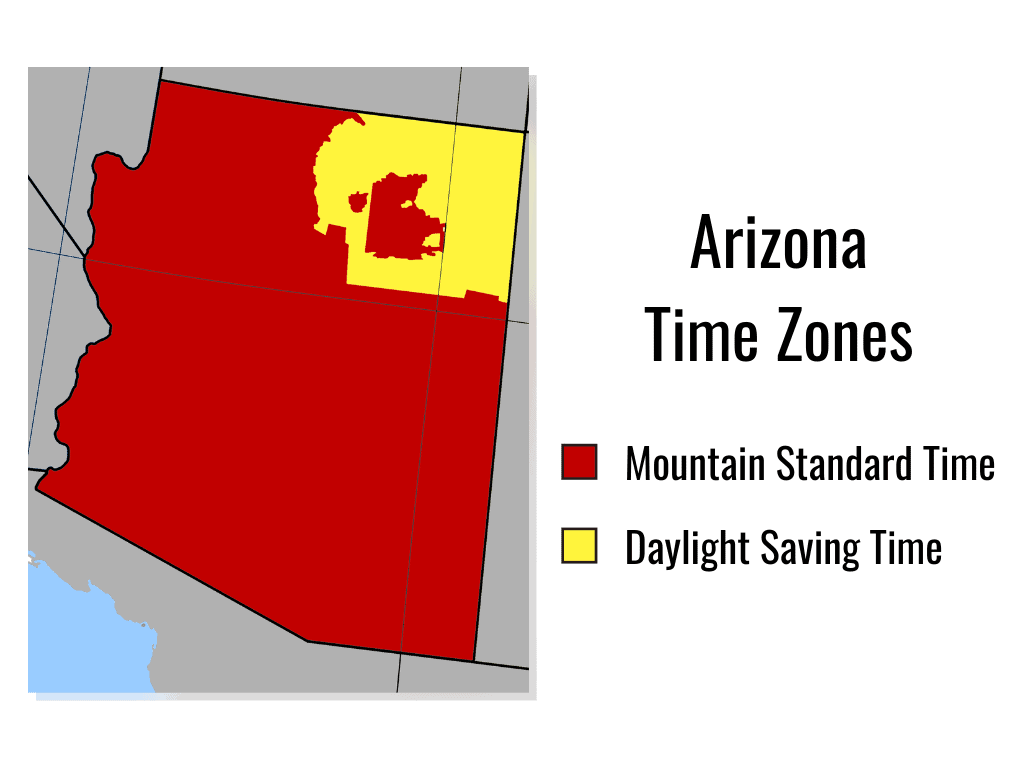
When you set foot in Mesa, you are officially on Mountain Standard Time (UTC-7) 365 days a year. This means that from roughly March to November, when most of the United States “springs forward” for Daylight Saving Time, Arizona remains steadfast. During this period, Mesa’s time aligns with Pacific Daylight Time (PDT), making it effectively the same time as California and Nevada. However, from November to March, when other states “fall back” to standard time, Arizona maintains its Mountain Standard Time, which then puts it an hour ahead of Pacific Standard Time (PST) and on par with Mountain Standard Time in states like Colorado or Utah. This consistent approach simplifies local scheduling and reduces the confusion often associated with biannual clock changes.
Why No Daylight Saving Time? A Historical Perspective
Arizona’s exemption from Daylight Saving Time isn’t arbitrary; it’s a practical adaptation to its scorching desert climate. The primary argument against Daylight Saving Time in Arizona centers on energy consumption and lifestyle. With temperatures often soaring above 100°F (38°C) in the summer, an extra hour of daylight in the evening would mean more hours of intense heat, driving up air conditioning usage. By sticking to Mountain Standard Time, Arizona ensures that the sun sets earlier during the hottest months, allowing for outdoor activities to begin sooner in the evening when temperatures are more tolerable. This historical decision, largely driven by farmers and residents seeking to avoid prolonged exposure to the intense afternoon sun, has remained a cornerstone of Arizona’s time policy, with the notable exception of the Navajo Nation within the state, which does observe Daylight Saving Time to align with tribal lands in neighboring states.
Practical Implications for Travelers and Residents
For travelers to Mesa, this consistent time zone offers both convenience and a slight learning curve. The benefit of not changing clocks means less disruption to sleep schedules and a more predictable daily routine. However, it also means a fluctuating time difference with many other parts of the country depending on the season. During summer, for instance, a flight from New York (Eastern Daylight Time) to Mesa will involve a three-hour time difference, while in winter, it will be two hours. For business travelers, this can impact conference call schedules and meeting coordination across state lines. For tourists, it mostly means double-checking flight times and reservation details relative to their departure point. Locals, of course, are accustomed to this system, appreciating the longer, cooler evenings in summer for outdoor leisure and the consistent scheduling year-round.
Planning Your Trip to Mesa: Time Zone Considerations
Navigating the nuances of Mesa’s time zone is crucial for a smooth and enjoyable travel experience. From booking flights to scheduling excursions, being aware of how Arizona’s unique timekeeping affects your itinerary can prevent misunderstandings and maximize your time in the Sonoran Desert.
Flights, Check-ins, and Meeting Schedules
When booking flights to Mesa or the greater Phoenix area (most likely landing at Sky Harbor International Airport or Phoenix-Mesa Gateway Airport), pay close attention to the arrival and departure times listed, as they will always reflect the local time zone. Remember that during Daylight Saving Time (roughly March to November), Mesa will be one hour behind other states on Mountain Daylight Time (like Colorado) and three hours behind the East Coast. During the winter months, Mesa will align with Mountain Standard Time elsewhere, making it two hours behind the East Coast.
This time difference is also important for hotel check-ins, tour bookings, and any business meetings. Always confirm the local time for appointments to avoid missing connections or arriving late. Hotel staff are well-versed in explaining the time zone situation, so don’t hesitate to ask if you’re unsure.
Maximizing Your Daylight Hours in the Desert
Arizona’s consistent Mountain Standard Time means that during the peak summer months, the sun rises and sets at what might feel like earlier times compared to regions observing Daylight Saving Time. This can be a significant advantage for travelers looking to enjoy outdoor activities. Early mornings are prime time for hiking, golfing, or exploring the Sonoran Desert before the midday heat becomes intense. By afternoon, many locals retreat indoors, emerging again in the early evening to enjoy the cooler temperatures and stunning sunsets. This rhythm allows for a relaxed approach to your day, perhaps enjoying a leisurely breakfast, exploring indoor attractions during the hottest part of the day, and then heading out for an evening adventure or dinner al fresco.
Seamless Connections Across State Lines
If your travel plans include venturing beyond Mesa to neighboring states, the time zone difference becomes even more critical. California and Nevada are typically an hour behind Arizona during the winter (when Arizona is on MST and they are on PST), but during Daylight Saving Time, they become the same time as Arizona (when Arizona is on MST and they are on PDT). Utah, Colorado, and New Mexico are generally on the same time zone as Mesa during winter but become an hour ahead during summer when they observe Daylight Saving Time. This can be particularly relevant for road trips involving multiple state crossings, especially if you plan to visit attractions close to the borders or meet people in different states. Always confirm the local time for any destination or activity outside of Arizona.
Discovering Mesa: Attractions and Activities
Beyond its intriguing time zone, Mesa itself is a vibrant city, rich in culture, history, and outdoor splendor. As the largest suburb of Phoenix, it offers a diverse range of attractions that cater to every type of traveler, from adventure seekers to art enthusiasts.
Cultural Gems and Outdoor Adventures
Mesa boasts a thriving arts scene, centered around the Mesa Arts Center, a comprehensive performing arts and visual arts complex. Here, visitors can catch Broadway shows, live concerts, and explore diverse art exhibitions. History buffs will appreciate the Arizona Museum of Natural History, home to dinosaur skeletons, ancient artifacts, and exhibits detailing Arizona’s natural and cultural history.
For those drawn to the outdoors, Mesa serves as a gateway to breathtaking natural landscapes. The nearby Usery Mountain Regional Park offers miles of hiking and biking trails, showcasing the iconic Sonoran Desert flora and fauna. Water enthusiasts can head to Saguaro Lake or the Salt River for kayaking, paddleboarding, fishing, or a relaxing float trip – a popular summer activity. A scenic drive along the historic Apache Trail offers stunning views of canyons, lakes, and desert wilderness, harkening back to the Old West. Day trips to the majestic Grand Canyon or the vibrant Desert Botanical Garden are also easily accessible, providing unforgettable experiences.
Culinary Delights and Local Experiences
Mesa’s culinary scene is as diverse as its population. From authentic Mexican cuisine and Southwestern flavors to contemporary American dishes, there’s something to satisfy every palate. Don’t miss the chance to try local favorites like green chile stew or a traditional fry bread taco. Unique dining experiences can be found at places like Organ Stop Pizza, home to the world’s largest Wurlitzer pipe organ, where diners are serenaded by live music.
For a taste of local life, visiting Schnepf Farms offers a charming escape, especially during their seasonal festivals, cherry picking, or pumpkin patches. The broader Phoenix metro area, including neighboring cities like Scottsdale and Tempe, also provides a plethora of shopping, dining, and entertainment options, from high-end boutiques to lively nightlife. Attractions like OdySea Aquarium and Taliesin West, the former winter home and architectural school of Frank Lloyd Wright, are just a short drive away, rounding out the rich tapestry of experiences available around Mesa.
Accommodation and Hospitality in Mesa
As a significant travel destination within the greater Phoenix metropolitan area, Mesa offers a wide array of accommodation options designed to cater to various budgets, preferences, and travel styles. Whether you’re seeking a luxurious resort escape, a comfortable family-friendly hotel, or a convenient long-term stay, Mesa’s hospitality sector is well-equipped to provide a welcoming base for your Arizona adventures.
From Luxury Resorts to Family-Friendly Stays
The lodging landscape in Mesa and its immediate vicinity is incredibly diverse. For those seeking indulgence, while directly in Mesa luxury resorts are fewer, the neighboring city of Scottsdale is renowned for its upscale properties. Resorts like the Hyatt Regency Scottsdale Resort & Spa at Gainey Ranch, The Saguaro Scottsdale, or the JW Marriott Scottsdale Camelback Inn Resort & Spa offer world-class amenities, championship golf courses, exquisite dining, and rejuvenating spas – all just a short drive from Mesa’s heart. For a blend of gaming and relaxation, the We-Ko-Pa Casino Resort on the nearby Fort McDowell Yavapai Nation provides a unique experience.
Within Mesa itself, travelers will find numerous mid-range hotels and extended-stay properties perfect for families, business travelers, or those on a budget. Options such as the Courtyard by Marriott Mesa at Wrigleyville West or the Sheraton Mesa Hotel at Wrigleyville West offer comfortable accommodations, often with pools and fitness centers, conveniently located near attractions and dining. For golf enthusiasts, properties like the Legacy Golf Resort offer suites and villas right on the course, providing easy access to a round of golf. Additionally, vacation rentals, including apartments and villas through platforms like Airbnb and VRBO, are popular choices for those seeking a more home-like experience or longer stays.
Booking Tips and Local Insights
When booking accommodation in Mesa, consider the time of year. Peak tourist season typically runs from fall through spring when the weather is most agreeable, leading to higher hotel rates and fuller bookings. Summer months, while hot, often bring lower prices and fewer crowds, making it an ideal time for budget-conscious travelers. Always book well in advance, especially if your travel dates coincide with major events, spring training baseball (when Mesa hosts the Oakland Athletics at Hohokam Stadium and the Chicago Cubs at Sloan Park), or holidays.
Reading reviews is always recommended to ensure the amenities and location meet your expectations. Many hotels offer resort-style pools, which are a definite plus given Arizona’s climate. For long-term stays, consider properties with kitchenettes and laundry facilities. The proximity to transportation hubs, such as Phoenix-Mesa Gateway Airport or major freeways, can also influence your choice, impacting convenience for exploring the region. Don’t forget to inquire about any specific time zone instructions related to check-in/check-out, though generally, hotels are well-versed in local timekeeping.
Embracing the Mesa Lifestyle: More Than Just a Time Zone
The unique time zone of Mesa isn’t just a technical detail; it’s a reflection of a broader lifestyle choice and an intrinsic part of the city’s charm. Living or visiting here means embracing a rhythm that prioritizes comfort, leisure, and an appreciation for the natural environment.
Beyond the Clock: A Relaxed Pace of Life
The consistent Mountain Standard Time contributes to a generally more relaxed pace of life in Mesa. Without the biannual disruption of clock changes, residents and visitors alike enjoy a stable daily schedule that integrates seamlessly with the natural light cycles of the Sonoran Desert. This fosters an environment where outdoor activities are often timed around the sun’s intensity, encouraging early morning adventures and picturesque evening strolls. It’s a lifestyle that values practicality and comfort, where the timing of daily routines is subtly influenced by the unique choice to forgo Daylight Saving Time. This steadiness allows for clearer planning, whether it’s coordinating family outings, business engagements, or simply enjoying the tranquil desert evenings without the sudden shift in daylight.
Exploring the Greater Phoenix Area
While Mesa offers a wealth of attractions, its location within the sprawling Phoenix metropolitan area means that a vast array of experiences are just a short drive away. This interconnectedness allows travelers to explore a diverse urban landscape alongside natural wonders. Cities like Scottsdale, known for its upscale shopping, vibrant arts district, and nightlife, offer a cosmopolitan contrast to Mesa’s family-friendly charm. Tempe, home to Arizona State University, boasts a youthful energy, lakeside activities at Tempe Town Lake, and a lively downtown scene. Nearby Chandler and Gilbert offer charming downtowns, excellent dining, and growing cultural scenes.
From professional sports events to world-class museums, botanical gardens, and scenic drives through the desert mountains, the Phoenix area is a hub of activity. The consistent time zone simplifies planning excursions across these communities, ensuring seamless transitions as you move from one experience to the next. Whether you’re seeking luxury travel, a budget-friendly family trip, or a productive business stay, Mesa and its surrounding cities provide a rich tapestry of options, all operating on the same, predictable clock. This makes Mesa not just a destination, but a strategic starting point for an unforgettable Arizona adventure.
