
Planning a trip to the southwestern United States often involves meticulous research into destinations, accommodations, and local experiences. Yet, one seemingly minor detail can throw off even the most seasoned traveler: time zones. For those venturing to the stunning desert landscapes and vibrant cities of Arizona, understanding its unique approach to time is not just a quirky fact but a crucial piece of information for seamless travel and communication. Unlike most states, Arizona largely defies the biannual ritual of adjusting clocks for Daylight Saving Time (DST), sticking steadfastly to its own rhythm. This singular characteristic can cause confusion, especially for visitors flying in or conducting business across state lines. From coordinating flight arrivals to booking tours and making dinner reservations, being aware of Arizona’s time zone policy ensures your journey remains focused on exploration and enjoyment, not on the bewildering question of “What time is it, really?” This guide will delve deep into the intricacies of Arizona’s time zone, explain the reasons behind its distinctive approach, and provide practical advice for navigating the few exceptions, ensuring your travel experiences are as smooth and enriching as the Arizona sun is bright.
Arizona’s Unique Time Zone: MST All Year Round
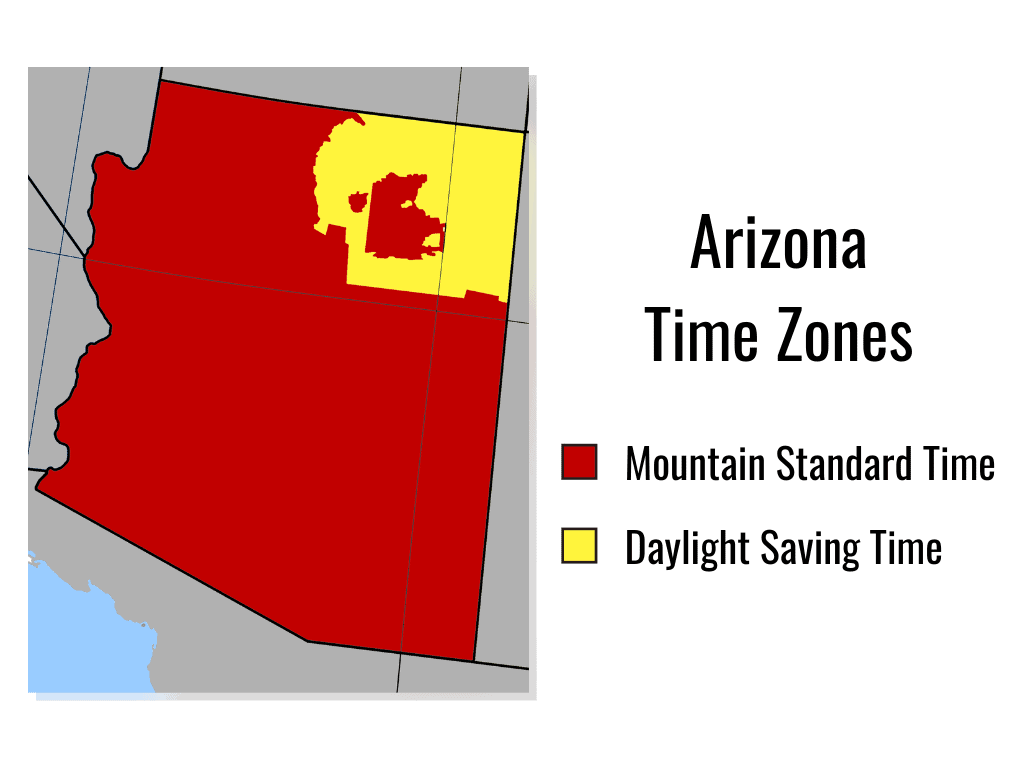
The primary takeaway for anyone considering a visit or move to Arizona is straightforward: the state generally observes Mountain Standard Time (MST) year-round, without transitioning to Daylight Saving Time. This means that for roughly half the year, from early March to early November, Arizona aligns with Pacific Daylight Time (PDT), sharing a clock with coastal states like California and Nevada. During the other half of the year, when most of the United States falls back to Standard Time, Arizona maintains its MST, placing it an hour ahead of Pacific Standard Time (PST) and on par with Mountain Standard Time (MST) in neighboring states like Utah and New Mexico. This consistency eliminates the “spring forward” and “fall back” adjustments that often disrupt schedules and circadian rhythms elsewhere. For travelers, this unique aspect simplifies planning in many ways, as there’s no need to constantly recalculate time differences based on the season. However, it does require a clear understanding to avoid confusion when crossing state lines or dealing with external entities.
Understanding Mountain Standard Time (MST)
Mountain Standard Time (MST) is a time zone observed in parts of North America. It is seven hours behind Coordinated Universal Time (UTC), often expressed as UTC-7. This makes it one hour ahead of Pacific Standard Time (PST), one hour behind Central Standard Time (CST), and two hours behind Eastern Standard Time (EST). When other states in the Mountain Time Zone transition to Mountain Daylight Time (MDT) during the summer months (which is UTC-6), Arizona remains on MST (UTC-7). This effectively means that from March to November, Arizona shares its local time with states observing PDT. From November to March, Arizona aligns with the standard time of its geographic neighbors in the Mountain Time Zone. This consistent UTC-7 offset provides a predictable time environment for both residents and visitors, allowing for simpler itinerary planning and fewer surprises when scheduling events or communication.
The Rationale Behind No DST in Arizona
The decision for Arizona to largely opt out of Daylight Saving Time is deeply rooted in practical considerations and its unique climate. The most compelling reason is the intense summer heat. Arizona, particularly its lower desert regions, experiences scorching temperatures that regularly exceed 100°F (38°C) for extended periods. The traditional purpose of Daylight Saving Time is to extend daylight into the evening, theoretically saving energy and promoting outdoor activities. However, in Arizona, an extra hour of daylight in the evening during summer would mean extending the hottest part of the day, pushing people indoors and increasing the demand for air conditioning. This would lead to increased energy consumption, rather than savings, and would make outdoor activities during peak daylight hours even more unbearable.
Furthermore, the state’s significant agricultural sector also played a role in the initial decision. Farmers often rely on natural daylight and their animals’ routines, which aren’t altered by arbitrary clock changes. Avoiding Daylight Saving Time simplifies their operations, maintaining consistency with sunrise and sunset times throughout the year. The historical context also points to a public preference. While the United States formally adopted the Uniform Time Act in 1966, mandating Daylight Saving Time nationwide, states were given the option to exempt themselves. Arizona initially experimented with Daylight Saving Time but quickly opted out in 1968, realizing it was ill-suited for its climate and lifestyle. This decision has largely remained popular, contributing to a stable and predictable daily rhythm that prioritizes comfort and energy efficiency in its extreme environment.
The Navajo Nation Exception
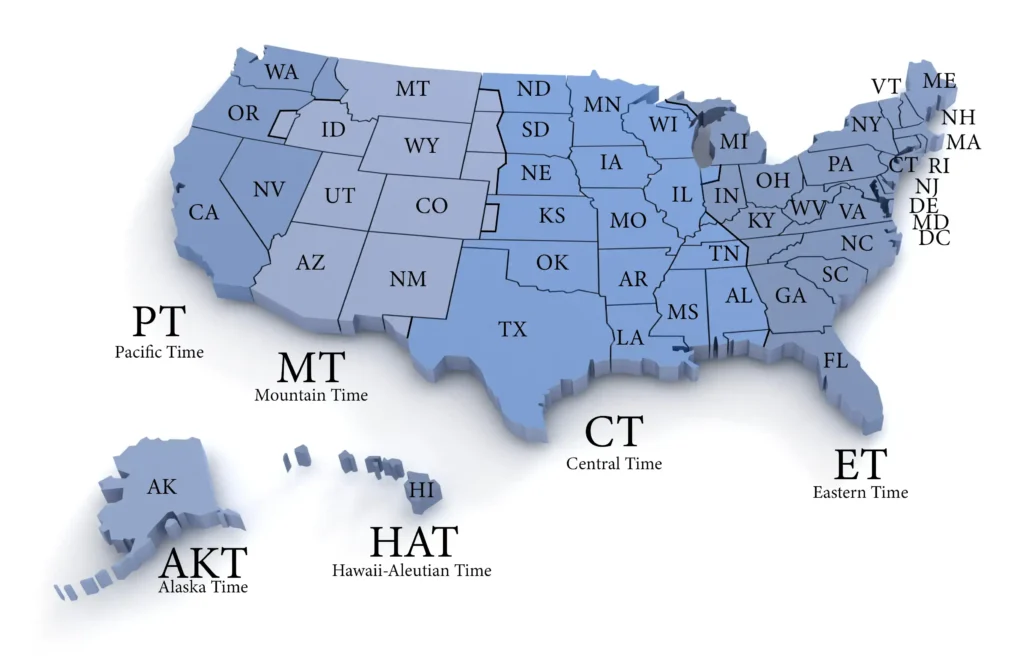
While most of Arizona remains on Mountain Standard Time year-round, there is one significant and critical exception: the Navajo Nation. This vast sovereign territory, spanning parts of northeastern Arizona, Utah, and New Mexico, does observe Daylight Saving Time. This means that from the second Sunday in March to the first Sunday in November, the clocks within the Navajo Nation spring forward one hour, moving from MST to Mountain Daylight Time (MDT). This creates a temporal island within Arizona, where travelers might find themselves changing their clocks simply by driving across a reservation boundary. Understanding this distinction is paramount for anyone planning to explore iconic Navajo lands such as Monument Valley or seeking services within reservation towns.
Why the Navajo Nation Observes DST
The Navajo Nation’s decision to observe Daylight Saving Time stems from practical and historical reasons related to its unique geographical and political situation. As a large territory that extends into three states – Arizona, Utah, and New Mexico – the Navajo Nation chose to synchronize its time with the surrounding states, which all observe Daylight Saving Time in their respective time zones. This harmonization facilitates communication, trade, and administrative functions with neighboring communities and state governments. For a nation with a substantial population and economy, maintaining a consistent time across its vast lands and with its primary external partners reduces confusion and streamlines daily operations. If the Navajo Nation did not observe Daylight Saving Time, its various parts would be out of sync with each other and with the adjacent regions of Utah and New Mexico, creating complex logistical challenges.
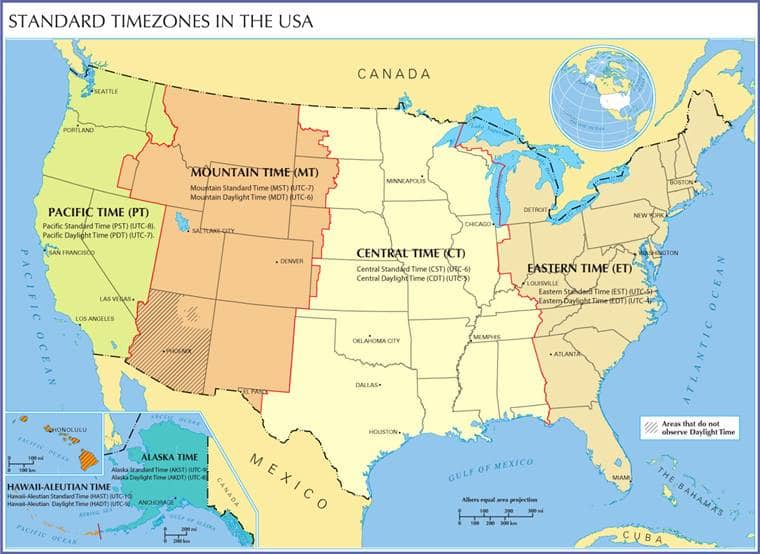
Furthermore, within the boundaries of the Navajo Nation lies the independent Hopi Reservation, which, like the rest of Arizona, does not observe Daylight Saving Time. This creates an even more intricate time zone mosaic, where one might drive from Navajo Nation land on MDT, through Hopi Reservation land on MST, and back into Navajo Nation land on MDT, all within the geographical confines of Arizona. While complex, this arrangement reflects the sovereign decisions of the tribal nations to best serve their communities and manage their external relations, making it a fascinating, albeit potentially confusing, aspect of Arizona’s time landscape.
Practical Implications for Travelers in the Navajo Nation
For travelers exploring the breathtaking landscapes and rich culture of the Navajo Nation in Arizona, this time zone exception carries significant practical implications. During the Daylight Saving Time months (typically from mid-March to early November), the Navajo Nation will be one hour ahead of the rest of Arizona. For example, if it’s 3:00 PM in Phoenix, it will be 4:00 PM in Monument Valley, which lies within the Navajo Nation.
This time difference is crucial for:
- Tour Bookings and Appointments: Guided tours, particularly popular ones like those into Antelope Canyon or at Monument Valley, are often booked far in advance and operate on strict schedules. Always confirm the local time zone when booking anything within the Navajo Nation or when planning to meet guides or participate in events. A missed tour due to a time zone miscalculation can be a significant disappointment.
- Driving Times and Itinerary Planning: When mapping out your journey, factor in this time change. Driving from a city like Flagstaff (MST) to a destination in the Navajo Nation (MDT) during summer means you effectively “lose” an hour upon arrival. Similarly, leaving the Navajo Nation to return to other parts of Arizona means you “gain” an hour.
- Communication: If you’re coordinating with people outside the Navajo Nation (e.g., family, hotels in Phoenix), remember the one-hour difference.
- Navigating the Hopi Reservation: The most complex scenario arises when traversing the Hopi Reservation, which is entirely surrounded by the Navajo Nation but observes MST year-round. This means you might cross into the Navajo Nation (MDT), then into the Hopi Reservation (MST), and potentially back into the Navajo Nation (MDT) all within a relatively short drive. It’s advisable to manually adjust your devices or carry a traditional watch when navigating these areas, as automatic phone updates can sometimes lag or misinterpret location-based time changes. Double-checking with locals is always a good strategy when in doubt.
Implications for Travelers and Residents
Arizona’s consistent observance of Mountain Standard Time throughout the year, with the notable exception of the Navajo Nation, has widespread implications for both visitors and those who call the Grand Canyon State home. From the rhythms of daily life to the logistics of travel and the complexities of cross-state communication, understanding this unique time zone situation is key to a smooth and hassle-free experience. For travelers, it means careful planning, particularly during the summer months when many other states are observing Daylight Saving Time. For residents, it simplifies life by eliminating biannual clock changes but requires constant awareness when interacting with the rest of the United States.
Planning Your Arizona Trip: Navigating Time Differences
Effective trip planning to Arizona means keeping the time zone in mind from the very beginning. Here’s how it affects various aspects of your journey:
- Flights: When booking flights into Phoenix Sky Harbor International Airport or Tucson International Airport, remember that during Daylight Saving Time (roughly March to November), Arizona will be on the same time as California and Nevada (PDT). If you’re flying from the Eastern United States, you’ll gain three hours, while from the Central United States, you’ll gain two. From November to March, Arizona will be an hour ahead of California (PST) and on the same time as the Mountain Time Zone states observing MST. Always double-check arrival and departure times against your home time zone and Arizona’s current time.
- Hotel Check-ins and Check-outs: Most hotels, resorts, and accommodation providers throughout Arizona (outside the Navajo Nation) operate on MST year-round. Confirming your reservation times in local Arizona time ensures a smooth check-in process.
- Tour Bookings and Activities: Whether you’re planning a Grand Canyon helicopter tour, a hike in Sedona, or a culinary experience in Phoenix, all scheduled activities will adhere to Arizona’s MST. The exception, as noted, is within the Navajo Nation, where tours will run on MDT during summer. Always clarify the time zone when making bookings for activities near or within the Navajo Nation to avoid missing out.
- Event Scheduling: If attending a conference, concert, or sporting event, all published times will be in Arizona local time. Confirm with organizers if there’s any ambiguity, especially if you’re traveling from a Daylight Saving Time zone during summer.
- Meeting Locals: When arranging to meet friends or family, be clear about which time zone you are referring to if they are coming from outside Arizona or within the Navajo Nation. “Let’s meet at 5 PM Arizona time” is a good practice.
Communication Across Time Zones
The consistent MST in Arizona simplifies internal communication but adds a layer of complexity for external interactions. Businesses with offices in Arizona and other states must account for the fluctuating time difference. During Daylight Saving Time months, Arizona is:
- Same time as Pacific Daylight Time (PDT)
- One hour behind Mountain Daylight Time (MDT)
- Two hours behind Central Daylight Time (CDT)
- Three hours behind Eastern Daylight Time (EDT)
During Standard Time months (roughly November to March), Arizona is:
- One hour ahead of Pacific Standard Time (PST)
- Same time as Mountain Standard Time (MST)
- One hour behind Central Standard Time (CST)
- Two hours behind Eastern Standard Time (EST)
For personal calls, virtual meetings, or business correspondence, it’s always wise to specify “local Arizona time” or use a universal reference like UTC to avoid misunderstandings. Many online tools and apps can help visualize time differences, which are invaluable for maintaining accurate schedules when dealing with multiple time zones. This awareness contributes to smoother business operations and personal connections, preventing missed calls or inconvenient scheduling.
Exploring Arizona: Beyond Time Zones
While understanding Arizona’s time zone is essential for practical travel logistics, it’s just a prelude to the incredible experiences awaiting visitors. The state’s diverse landscapes, rich history, and vibrant culture offer an unparalleled array of activities and sights that cater to every type of traveler. From the iconic natural landmarks to luxurious resorts and immersive cultural experiences, Arizona promises unforgettable adventures. Knowing the time allows you to maximize every moment, whether it’s catching a sunrise over the desert or enjoying a late-night show in the city.
Iconic Arizona Destinations and Their Time Zone Relevance
The beauty of Arizona’s time zone consistency (outside the Navajo Nation) is that once you’re in the state, you generally don’t have to worry about changing your clock. This makes navigating its vast attractions simpler:
- Phoenix and Tucson: As the state’s largest metropolitan areas, Phoenix and Tucson serve as major hubs for travel, business, and lifestyle. Both cities adhere to MST year-round, making it easy to plan urban explorations, dining, and nightlife. From luxurious hotels and resorts in Scottsdale to historic sites in Tucson, all operate on a consistent schedule.
- Grand Canyon National Park: This world-renowned natural wonder, largely located in northern Arizona, also observes MST year-round. Whether you’re hiking its trails, taking a scenic flight, or enjoying a sunrise/sunset view from the South Rim, the time will be consistent with Phoenix and Tucson. This simplifies planning for tours, shuttle services, and ranger programs within the park.
- Sedona: Famous for its stunning red rock formations, spiritual vortexes, and outdoor activities, Sedona operates on MST. This means your yoga retreats, hiking excursions, and dining experiences in this picturesque town will align with the rest of mainstream Arizona.
- Flagstaff: As a gateway to the Grand Canyon and a popular destination for its cooler climate and access to national forests, Flagstaff also remains on MST.
- Monument Valley: This iconic landscape, located within the Navajo Nation, is the primary exception. During summer, it operates on MDT, an hour ahead of the rest of Arizona. This is perhaps the most critical time zone distinction to remember, especially when visiting for a photo tour or a guided experience on Navajo land.
Accommodation and Activities: What to Expect
Arizona’s tourism infrastructure is robust, offering a wide range of accommodation options and activities designed to enhance your stay. Understanding the time zones helps you make the most of these:
- Booking and Reviews: When booking hotels, resorts, apartments, or villas through platforms like Life Out of the Box, all listed times for check-in/out or amenities will generally refer to the local time of the specific property. In Arizona, this usually means MST. For properties within the Navajo Nation, their local time will be MDT during summer. Always verify if there’s any uncertainty. Reading reviews can sometimes offer hints if other travelers mention time zone confusion.
- Guided Tours and Experiences: Whether it’s a hot air balloon ride at sunrise near Phoenix, a jeep tour in Sedona, or a stargazing session near Flagstaff, these activities will be scheduled according to Arizona’s MST. Operators are generally accustomed to travelers from different time zones, but confirming details is always prudent. For Navajo Nation tours, especially those departing from local community centers, re-confirm the time zone.
- Dining and Entertainment: Restaurants, bars, and entertainment venues across Arizona will adhere to the local time. This consistency simplifies planning your evenings, from booking a table for dinner to catching a show. The unique year-round MST also means sunsets occur later in summer compared to areas observing DST, offering more extended evening light for outdoor dining and exploration in the non-Navajo parts of the state.
- Relaxation and Well-being: Arizona is famous for its wellness retreats and spa resorts. The lack of Daylight Saving Time shifts can contribute to a more stable routine, allowing visitors to truly unwind without the disruption of adjusting their body clocks.
In essence, while the time zone quirk adds a slight layer of complexity, it’s easily managed with a bit of foresight. The vast majority of your Arizona adventures will be governed by the steady rhythm of Mountain Standard Time, allowing you to immerse yourself fully in the magic of the state.
Knowing the time zone of Arizona is more than just a trivial detail; it’s a vital piece of information that underpins effective travel planning and seamless experiences throughout the state. While most of Arizona remains a steadfast beacon of Mountain Standard Time all year round, elegantly sidestepping the bi-annual clock changes of Daylight Saving Time, the significant exception of the Navajo Nation introduces a fascinating, albeit potentially confusing, temporal dynamic. By understanding the rationale behind Arizona’s unique time policy – primarily driven by its intense summer heat and energy considerations – and by being keenly aware of the Navajo Nation’s adherence to Daylight Saving Time, travelers can confidently navigate flight schedules, hotel bookings, tour departures, and inter-state communications.
For those planning to explore the iconic landmarks and vibrant cities like Phoenix, Tucson, and Sedona, the consistent MST ensures a predictable daily rhythm. However, venturing into the majestic lands of the Navajo Nation or the Hopi Reservation demands an extra layer of vigilance, transforming simple drives into potential time-zone crossings. Ultimately, integrating this knowledge into your travel preparations means less time worrying about your watch and more time marveling at the Grand Canyon, enjoying desert sunsets, or immersing yourself in the rich local culture. Arizona’s unique time zone is just one of the many distinctive characteristics that make it an unforgettable destination for travel, tourism, and lifestyle adventures. Plan smartly, embrace the local rhythm, and prepare for an extraordinary journey where every moment counts.
LifeOutOfTheBox is a participant in the Amazon Services LLC Associates Program, an affiliate advertising program designed to provide a means for sites to earn advertising fees by advertising and linking to Amazon.com. Amazon, the Amazon logo, AmazonSupply, and the AmazonSupply logo are trademarks of Amazon.com, Inc. or its affiliates. As an Amazon Associate we earn affiliate commissions from qualifying purchases.