
Navigating the evolving landscape of cannabis laws can be a complex undertaking, especially when planning a visit to a state with a unique regulatory framework. For travelers and tourists considering a trip to Alabama, understanding the legality of medicinal marijuana is paramount. While the state has made significant strides in cannabis reform, it’s crucial to distinguish between medical and recreational use, as well as to grasp the specific conditions under which possession and use are permitted. This exploration delves into the current legal status of medicinal cannabis in Alabama, offering insights for those planning their travel itinerary with this in mind.

Alabama’s Compassionate Use Act: A New Era for Medical Cannabis
Alabama officially entered the realm of medical cannabis with the passage of the Alabama Medical Cannabis Act, also known as the Alabama Compassionate Use Act, in 2021. This landmark legislation paved the way for the establishment of a regulated medical cannabis program within the state. However, the implementation of this act has been a phased process, with various components, including licensing for dispensaries, cultivators, and processors, taking time to materialize.
Qualifying Conditions and Patient Eligibility
The Alabama Compassionate Use Act specifies a list of debilitating medical conditions for which a physician may recommend cannabis. These conditions are carefully defined to ensure that the program serves patients with severe and chronic illnesses. As of the latest updates, qualifying conditions generally include:
- Cancer: Particularly when associated with severe pain, nausea, or wasting syndrome.
- Epilepsy or Seizure Disorder: When conventional treatments have proven ineffective.
- Parkinson’s Disease: When experiencing motor fluctuations or severe muscle spasms.
- Multiple Sclerosis: When exhibiting spasticity or severe muscle spasms.
- Tourette’s Syndrome: When experiencing severe motor or vocal tics.
- Crohn’s Disease: When experiencing severe chronic pain or nausea.
- Ulcerative Colitis: When experiencing severe chronic pain or nausea.
- Amyotrophic Lateral Sclerosis (ALS): Also known as Lou Gehrig’s disease.
- Sickle Cell Disease: When experiencing severe chronic pain or nausea.
- Autism Spectrum Disorder: When exhibiting symptoms of irritability, self-injury, or aggression.
- Terminal Illness: With a prognosis of six months or less to live.
It is important for prospective patients to consult with a physician who is registered with the Alabama Medical Cannabis Commission to determine if they meet the eligibility criteria. This physician will be responsible for providing a recommendation or certification for medical cannabis.
The Role of the Alabama Medical Cannabis Commission
The Alabama Medical Cannabis Commission (AMCC) plays a pivotal role in overseeing the state’s medical cannabis program. The AMCC is responsible for establishing rules and regulations, licensing businesses involved in the cultivation, processing, and dispensing of medical cannabis, and ensuring compliance with state laws. This regulatory body is instrumental in maintaining the integrity and safety of the program, which is crucial for both patients and the broader public interest.
The commission’s work includes setting standards for product testing, labeling, security, and patient record-keeping. For travelers, understanding that the program is strictly regulated by the AMCC is key. It means that obtaining medical cannabis is not a casual endeavor but a process governed by specific medical and legal protocols.
Traveling to Alabama with a Medical Cannabis Recommendation
For individuals who are registered patients in another state’s medical cannabis program and are planning a visit to Alabama, a significant consideration arises: reciprocity. As of the current legal framework, Alabama does not recognize medical cannabis cards or recommendations from other states. This means that even if you are a registered patient in a state like California or Colorado, you cannot legally purchase or possess medical cannabis in Alabama without obtaining a recommendation from a registered Alabama physician and registering with the Alabama Medical Cannabis Program.
This lack of reciprocity can present challenges for patients who rely on cannabis for their treatment. It necessitates a careful planning approach for any travel to the state.
Obtaining an Alabama Medical Cannabis Recommendation
To legally obtain and use medical cannabis in Alabama, a patient must:
- Have a Qualifying Condition: As outlined by the Alabama Compassionate Use Act.
- Be Certified by a Registered Physician: The physician must be authorized by the AMCC to recommend medical cannabis.
- Register with the State: Patients must apply for and receive an official Alabama medical cannabis card.

The process of becoming a registered patient in Alabama can be time-consuming and requires adherence to specific medical and administrative procedures. Therefore, it is not a straightforward process for short-term visitors.
Dispensing and Possession Limits
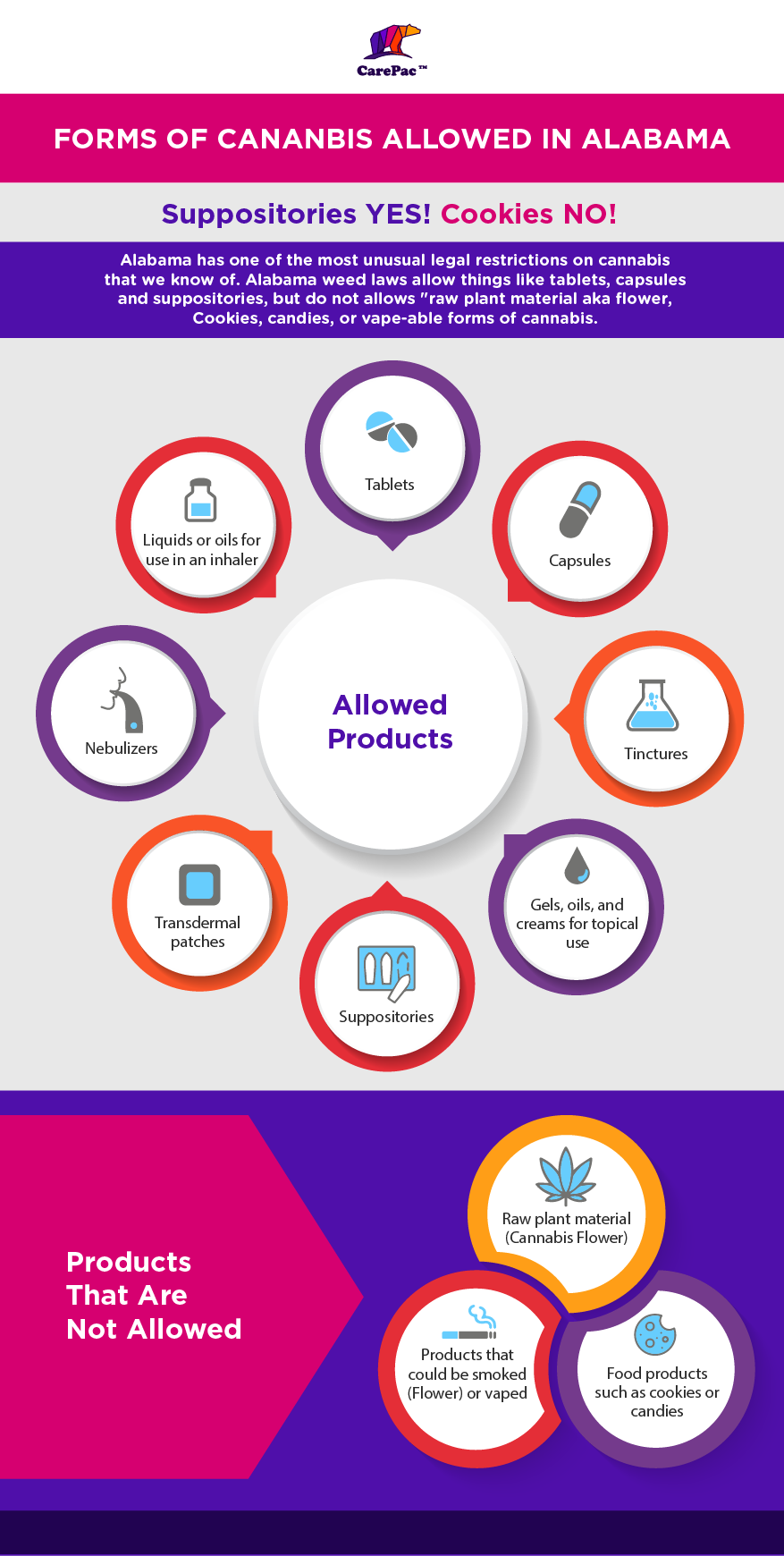
Once a patient is registered and has a recommendation, they can purchase medical cannabis from licensed dispensaries within Alabama. The law establishes specific limits on the amount of cannabis a patient can possess, which are typically defined by dosage and form (e.g., flower, edibles, tinctures). These limits are in place to prevent diversion and ensure that the cannabis is used for legitimate medical purposes.
It is crucial for patients to be aware of and adhere to these possession limits. Exceeding them can lead to legal repercussions, even for registered patients. The AMCC provides detailed information on these limits and acceptable forms of cannabis.
Recreational Cannabis: The Current Status in Alabama
It is essential to clearly differentiate between medical and recreational cannabis. As of now, recreational marijuana is not legal in Alabama. Possession and use of cannabis by individuals who do not have a valid medical cannabis recommendation and card are subject to the state’s drug laws, which can include significant penalties.
Implications for Tourists and Visitors
For tourists and visitors to Alabama, the implication is clear: do not bring or attempt to purchase cannabis for recreational purposes. Doing so could result in arrest, fines, and other legal consequences that could significantly disrupt travel plans and have long-term impacts.
Even if your home state has legalized recreational cannabis, Alabama’s laws prevail within its borders. It is always advisable to be informed about the local laws of any destination you visit.
Planning Your Trip to Alabama: Legal Considerations for Medical Cannabis Users
For individuals who are registered medical cannabis patients and are considering traveling to Alabama for an extended stay or to establish residency, the process of legally accessing medical cannabis will involve becoming a registered patient in the state. This requires understanding the application process, finding a qualified physician, and navigating the state’s regulatory framework.
Researching Licensed Dispensaries and Product Availability
Once an individual is a registered patient in Alabama, they will need to locate licensed dispensaries. The AMCC maintains a list of approved dispensaries, and patients can access this information to find locations near their accommodation. Product availability can vary between dispensaries, and patients are encouraged to consult with dispensary staff about suitable product options based on their physician’s recommendation.
Understanding Transportation and Storage Laws
When traveling within Alabama with legally purchased medical cannabis, patients must be aware of specific regulations regarding transportation and storage. Typically, cannabis products should be kept in their original, child-resistant packaging and should not be accessible to minors. Driving under the influence of cannabis is illegal, and patients should exercise caution and responsibility.
It is also important to note that while medical cannabis is legal for registered patients in Alabama, it is still federally illegal. This distinction has implications, particularly concerning travel across state lines. Transporting cannabis across state borders, even between states with medical cannabis programs, is a federal offense. Therefore, patients should never transport their medical cannabis outside of Alabama.
In conclusion, Alabama has established a medical cannabis program that provides relief for patients with qualifying debilitating conditions. However, for travelers, the lack of reciprocity with other states’ medical cannabis programs means that access to cannabis requires obtaining an Alabama medical cannabis recommendation and card. Careful planning and adherence to state laws are essential for anyone considering using medical cannabis while visiting or residing in the state.
LifeOutOfTheBox is a participant in the Amazon Services LLC Associates Program, an affiliate advertising program designed to provide a means for sites to earn advertising fees by advertising and linking to Amazon.com. Amazon, the Amazon logo, AmazonSupply, and the AmazonSupply logo are trademarks of Amazon.com, Inc. or its affiliates. As an Amazon Associate we earn affiliate commissions from qualifying purchases.