
The Alaska Inside Passage is a magnificent network of waterways, islands, and fjords that snake along the coast of Southeast Alaska, offering some of the most breathtaking scenery and profound wilderness experiences on Earth. It is a realm of towering glaciers, ancient rainforests, abundant wildlife, and rich cultural heritage, accessible primarily by sea. For travelers seeking an intimate connection with nature and a glimpse into a truly unique environment, the Inside Passage is an unparalleled destination.
A Geographical Marvel
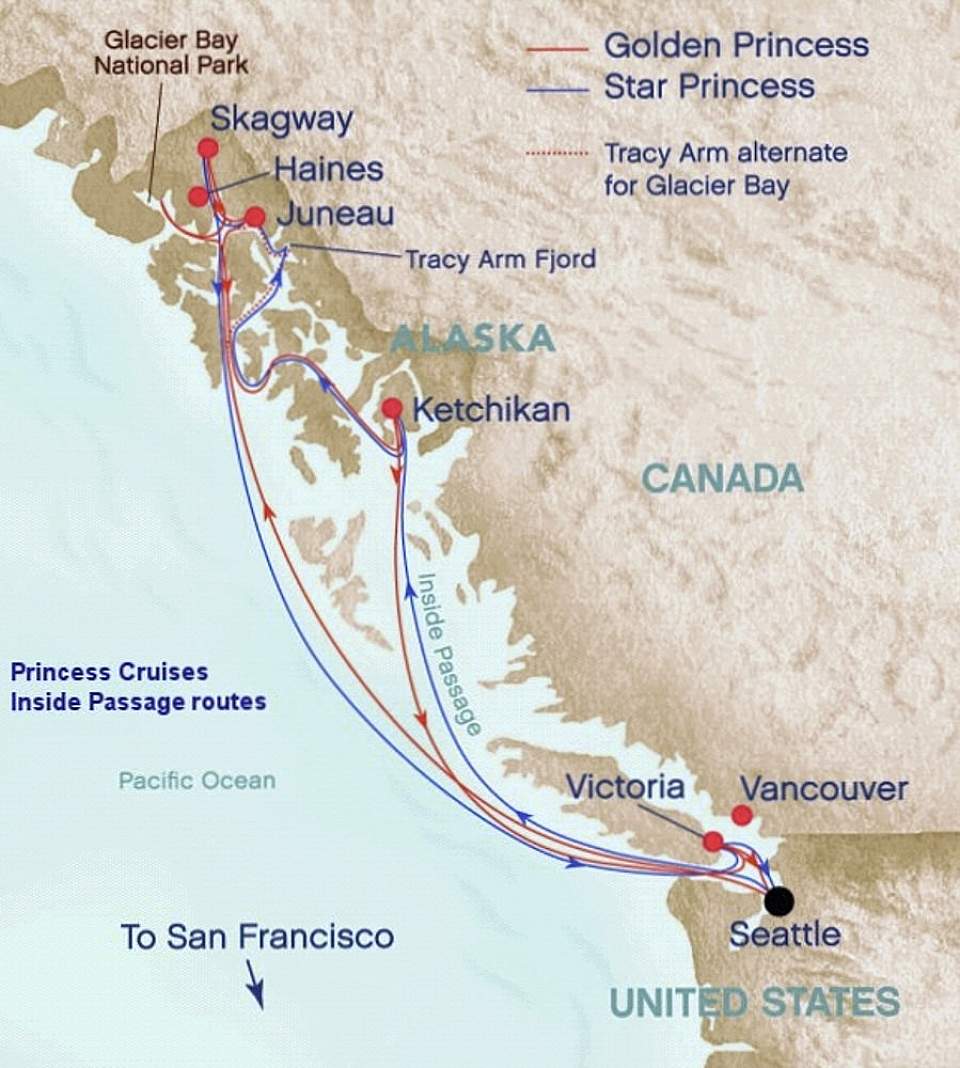
The Inside Passage is not a single, defined waterway but rather a complex system of protected sea routes. It begins in the southern tip of Alaska, near the border with British Columbia, Canada, and extends northward for hundreds of miles. The defining characteristic of this region is its shelter from the open ocean. Numerous islands, including the vast Alexander Archipelago, act as natural barriers, creating calm waters that are ideal for navigation.

The Role of Glaciers and Fjords
The dramatic landscapes of the Inside Passage are largely sculpted by glacial activity over millennia. As massive ice sheets receded, they carved deep valleys and inlets, forming the stunning fjords that are a hallmark of the region. These fjords, characterized by their steep, often sheer rock walls plunging into deep, dark water, are a breathtaking spectacle.
- Glacier Bay National Park and Preserve: Perhaps the most iconic example, Glacier Bay is a UNESCO World Heritage Site renowned for its tidewater glaciers, which calve icebergs with thunderous roars into the sea. Visitors can witness the raw power of nature as these colossal ice formations break apart.
- Tracy Arm Fjord: Famous for the twin Sawyer Glaciers at its head, Tracy Arm offers a more intimate fjord experience, often dotted with floating ice. The sheer granite cliffs and cascading waterfalls create an almost surreal environment.
- Hubbard Glacier: While technically at the edge of the Inside Passage, Hubbard Glacier is one of the largest tidewater glaciers in North America and a popular destination for cruise ships. Its active calving is a mesmerizing display of nature’s grandeur.
The Temperate Rainforest Ecosystem
The land bordering the Inside Passage is characterized by one of the world’s largest temperate rainforests. These ancient forests are incredibly lush and biodiverse, creating a verdant backdrop to the marine environment.
- Old-Growth Forests: Towering Sitka spruce, Western hemlock, and red cedar trees dominate these forests, many of which are centuries old. The dense canopy creates a mystical, moss-draped atmosphere on the forest floor.
- Rich Biodiversity: The forests are home to a variety of wildlife, including black bears, brown bears, deer, and an abundance of birdlife. The temperate climate, with abundant rainfall, supports this rich ecosystem.
- Tongass National Forest: This immense forest covers a significant portion of Southeast Alaska and is integral to the Inside Passage experience, protecting vast tracts of pristine wilderness.
Wildlife Encounters
The Inside Passage is a mecca for wildlife viewing, offering opportunities to see a diverse array of marine and terrestrial animals in their natural habitat. The nutrient-rich waters and protected environment provide a sanctuary for many species.
Marine Mammals
The sheltered waters are a prime feeding ground for several species of marine mammals, making wildlife tours and even casual observation from shore or ship incredibly rewarding.
- Humpback Whales: These magnificent creatures are frequently seen feeding and migrating through the Inside Passage. Their acrobatic breaches and tail slaps are unforgettable sights. Whale watching tours are a highlight of any trip.
- Orcas (Killer Whales): Both resident and transient pods of orcas frequent these waters, preying on seals, sea lions, and even other whales. Spotting a pod of orcas is a thrilling experience.
- Dall’s Porpoises and Harbor Porpoises: These smaller cetaceans are often seen playing in the wake of boats, their distinctive dorsal fins cutting through the water.
- Sea Lions and Seals: Steller sea lions and harbor seals are common sights, often found lounging on rocky outcroppings or swimming near shore. Their noisy colonies are a notable feature of the coastal landscape.
- Sea Otters: These charismatic marine mammals are often seen floating on their backs, cracking shellfish on their chests. Their playful demeanor makes them a delight to observe.
Terrestrial Wildlife
While the focus is often on marine life, the surrounding forests and coastlines are also teeming with terrestrial animals.
- Bears: Black bears and brown bears (grizzlies) are present throughout Southeast Alaska. While sightings are more common on land, they are sometimes seen foraging along the shoreline. Guided bear-viewing tours are available in certain areas.
- Bald Eagles: These majestic birds are ubiquitous, often seen perched in trees or soaring overhead. Their presence is a constant reminder of the wild nature of the region.
- Deer: Black-tailed deer are common in the forests and meadows, often seen grazing near trails or roads.
Gateway Cities and Cultural Experiences
The Inside Passage is dotted with charming towns and cities that serve as gateways to this extraordinary wilderness. These communities offer a unique blend of Native Alaskan culture, pioneering history, and modern Alaskan life.
Juneau
As Alaska’s capital city, Juneau is a popular starting or ending point for Inside Passage adventures. It is the only U.S. state capital not accessible by road, emphasizing its maritime character.
- Mendenhall Glacier: Just a short drive from downtown, the Mendenhall Glacier is a massive river of ice that draws visitors to its visitor center and hiking trails.
- Tracy Arm/Fords Terror Wilderness Area: Day trips and boat tours depart from Juneau to explore the stunning fjords of Tracy Arm and Fords Terror.
- Alaska State Museum: Offers insights into the state’s natural and human history, with a significant focus on Alaska Native cultures.
Ketchikan
Known as the “Salmon Capital of the World,” Ketchikan is famous for its colorful historic Creek Street, a boardwalk built over the water, and its rich Native heritage.
- Totem Poles: Ketchikan boasts the largest collection of authentic totem poles in the world, with impressive displays at Totem Bight State Historical Park and Saxman Native Village.
- Misty Fjords National Monument: Accessible by floatplane or boat tour from Ketchikan, this area is characterized by dramatic granite cliffs, deep fjords, and dense old-growth forests.
Sitka
Sitka offers a unique blend of Russian and Tlingit history, set against the stunning backdrop of Mount Edgecumbe.
- Sitka National Historical Park: Features a beautiful collection of totem poles and trails through the rainforest.
- Russian Bishop’s House: A preserved historical building showcasing the city’s Russian heritage.
- Alaska Raptor Center: Rehabilitates and educates the public about birds of prey.
Skagway
This historic town is intrinsically linked to the Klondike Gold Rush. Visitors can step back in time and experience the frontier spirit of the late 19th century.
- White Pass & Yukon Route Railroad: A scenic train journey that follows the path of gold rush stampeders up to the summit of the White Pass.
- Klondike Gold Rush National Historical Park: Preserves historic buildings and tells the stories of those who sought fortune in the north.
Cultural Immersion
Beyond the major towns, the Inside Passage is the ancestral home of various Alaska Native peoples, including the Tlingit, Haida, and Tsimshian. Experiencing their culture is a vital part of understanding the region.
- Native Art and Craftsmanship: Look for intricately carved totem poles, masks, silverwork, and woven baskets.
- Cultural Centers and Museums: Many towns have cultural centers or museums dedicated to preserving and showcasing Native traditions, stories, and art.
- Learning About Traditions: Engaging with local guides or attending cultural demonstrations can provide deep insights into the living heritage of these communities.
Experiencing the Inside Passage
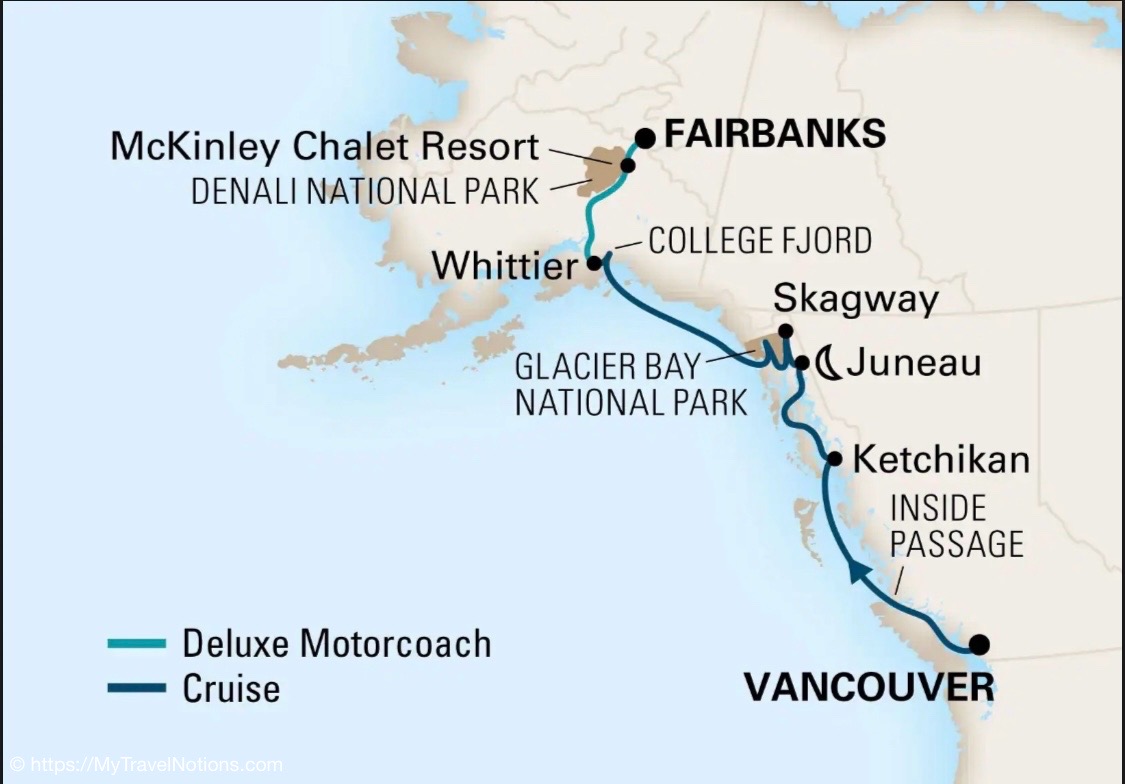
The Inside Passage is best experienced through a journey that allows for immersion in its natural beauty and cultural richness. The primary modes of transport are cruises and ferries, each offering a distinct perspective.
Cruise Ships
Large cruise ships are a popular way to see the Inside Passage, offering a comfortable and convenient way to visit multiple destinations.
- Itinerary Variety: Cruises typically range from a few days to over a week, visiting key ports like Juneau, Skagway, and Ketchikan, and often cruising through scenic areas like Glacier Bay.
- Onboard Amenities: Ships provide a range of dining, entertainment, and educational options.
- Shore Excursions: These are essential for experiencing the land-based attractions, from glacier walks and whale watching tours to historical explorations.
Alaska Marine Highway System
For a more independent and local experience, the Alaska Marine Highway System (ferries) is an excellent option.
- Authentic Travel: Ferries are used by locals for transportation and provide a more intimate connection with Alaskan life.
- Flexibility: Travelers can hop on and off at various ports, allowing for longer stays or exploration of less-visited areas.
- Scenic Routes: The ferries traverse the same stunning waterways as cruise ships, offering unparalleled views.
Smaller Vessels and Expeditions
For those seeking a deeper immersion and access to more remote areas, smaller expedition ships, lodges, and private charters offer unique opportunities.
- Intimate Exploration: Smaller vessels can navigate narrower passages and access more secluded coves, often getting closer to wildlife and glaciers.
- Adventure Activities: Expeditions often include kayaking, hiking, and Zodiac boat tours for close-up exploration of the fjords and shorelines.
- Eco-Tourism Focus: Many expedition operators emphasize conservation and educational aspects of the journey.
Activities and Adventures
Regardless of the chosen mode of travel, a wealth of activities awaits.
- Hiking: Trails range from easy forest walks to challenging mountain ascents, offering diverse perspectives of the landscape.
- Kayaking and Canoeing: Paddling through calm inlets and bays provides a silent, up-close encounter with nature and wildlife.
- Fishing: The waters are renowned for salmon and halibut fishing.
- Photography: The Inside Passage is a photographer’s paradise, with dramatic light, stunning landscapes, and abundant wildlife.
- Glacier Viewing: Witnessing glaciers calve, walking on ancient ice (with guides), or simply admiring their immense scale are unforgettable experiences.
The Alaska Inside Passage is more than just a destination; it is an experience that engages all the senses and leaves an indelible mark on the soul. It is a testament to the enduring power and beauty of the natural world, a place where adventure, discovery, and profound respect for the wilderness converge.
LifeOutOfTheBox is a participant in the Amazon Services LLC Associates Program, an affiliate advertising program designed to provide a means for sites to earn advertising fees by advertising and linking to Amazon.com. Amazon, the Amazon logo, AmazonSupply, and the AmazonSupply logo are trademarks of Amazon.com, Inc. or its affiliates. As an Amazon Associate we earn affiliate commissions from qualifying purchases.