
August in Alaska marks a delightful transition, offering some of the most pleasant weather of the year for exploration and adventure. As the peak summer season begins to subtly wane, August presents a sweet spot for travelers seeking to experience the Last Frontier’s grandeur without the intense crowds or the more unpredictable elements of earlier summer months. Understanding the nuances of August weather is crucial for planning an unforgettable trip, from packing the right gear to choosing the best activities.
This month typically boasts milder temperatures across much of the state, longer daylight hours than in many other regions, and a diminishing chance of the persistent rain that can characterize parts of Alaska in July. However, Alaska is a vast state with diverse climates, and August weather can vary significantly depending on the specific region you plan to visit, from the southern coast to the interior.
Coastal Alaska: A Milder Embrace
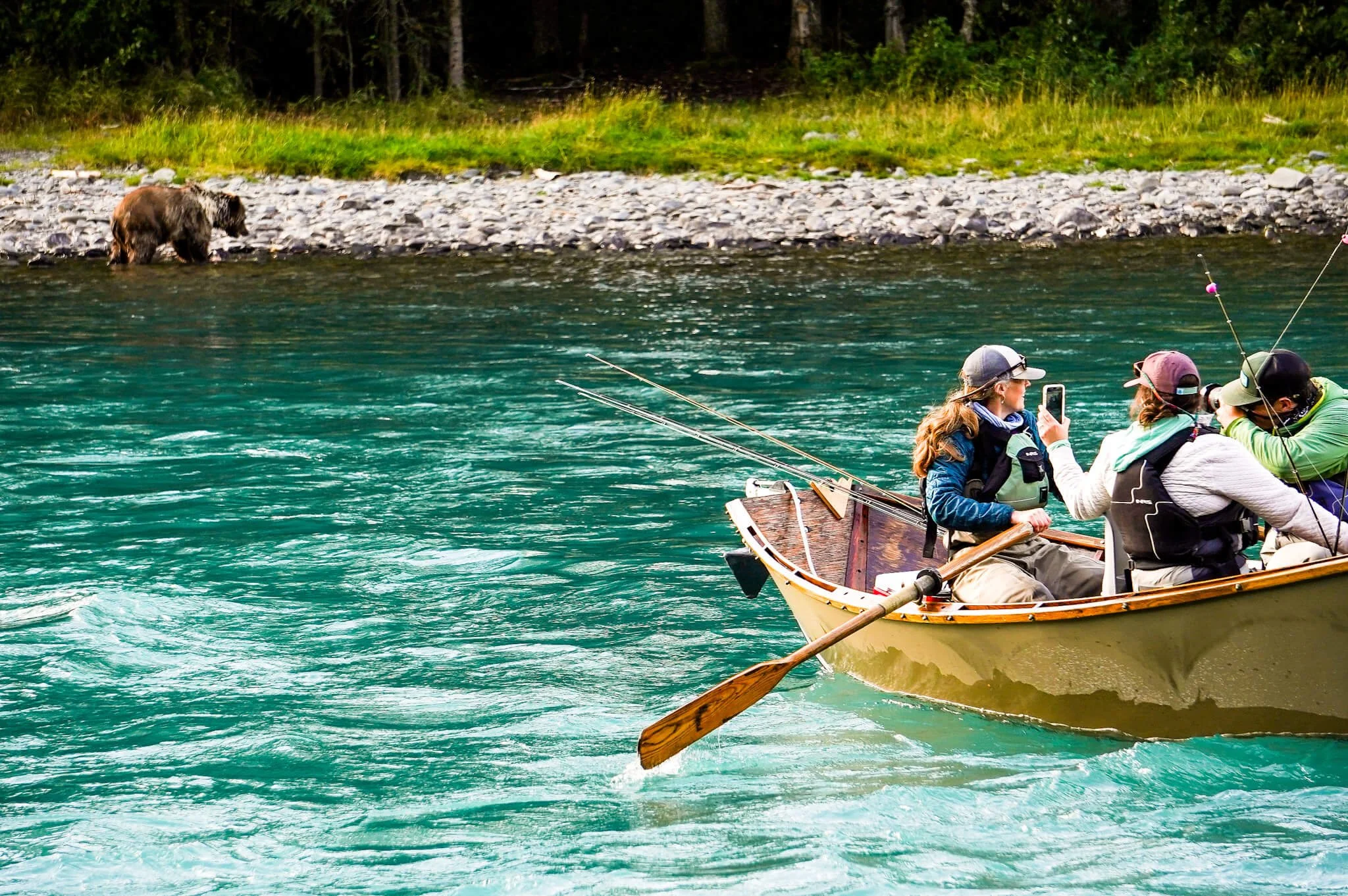
The coastal regions of Alaska, particularly Southeast Alaska and Southcentral Alaska, experience the most temperate weather in August. These areas are influenced by the Pacific Ocean, which helps to moderate temperatures.
Southeast Alaska: Rainforests and Fjords
Southeast Alaska, home to cities like Juneau, Ketchikan, and Sitka, is characterized by its temperate rainforest climate. August here generally features cool to mild temperatures, with average highs ranging from the mid-50s to the low 60s Fahrenheit (around 13-17°C). Lows typically hover in the low to mid-40s Fahrenheit (around 6-9°C).
While sunshine is a welcome visitor, rain is still a frequent occurrence in Southeast Alaska, even in August. However, the rain tends to be less of a downpour and more of a persistent drizzle, which contributes to the lush, verdant landscape. Packing waterproof and windproof layers is essential, as is a good pair of waterproof hiking boots.
Daylight hours in August are still generous, though they are gradually decreasing from their mid-summer peak. Expect around 15-16 hours of daylight at the beginning of the month, tapering off to about 13-14 hours by the end. This ample light is perfect for exploring the stunning fjords, glaciers, and rainforest trails. Activities such as whale watching tours out of Juneau, exploring the historic streets of Ketchikan, or visiting the Sitka National Historical Park are all highly enjoyable with August’s climate.
Southcentral Alaska: Gateway to the Interior
Southcentral Alaska, encompassing areas around Anchorage, Girdwood, and Seward, often experiences slightly warmer and drier conditions than the southeast. August averages highs in the mid-60s Fahrenheit (around 18-19°C) and lows in the low 50s Fahrenheit (around 11-12°C).
This region offers a fantastic blend of coastal and more inland influences. Anchorage itself is a major hub with a climate that can be quite pleasant in August, perfect for exploring its museums, parks, and surrounding trails. Further south, towns like Seward offer access to the breathtaking Kenai Fjords National Park, where marine wildlife thrives.
The possibility of frost exists in August, especially in the more inland parts of Southcentral Alaska, but it is uncommon. While rain is less frequent than in the southeast, it can still occur, so layering and waterproof gear remain important recommendations. The daylight hours are comparable to Southeast Alaska, providing ample time for activities like hiking in the Chugach State Park, taking a scenic train ride to Whittier, or visiting the Alaska Native Heritage Center in Anchorage.
Interior Alaska: Warmer Days and Cooler Nights
The Interior of Alaska, including cities like Fairbanks and the region around Denali National Park and Preserve, experiences a more continental climate. August here is typically warmer during the day but can see a significant drop in temperature at night.
Fairbanks and Surrounding Areas: A Taste of Summer’s End
In Fairbanks, August can feel like a final, warm embrace of summer. Daytime high temperatures often reach into the low to mid-70s Fahrenheit (around 21-24°C), making it one of the warmer spots in the state. Nights, however, can cool down considerably, often dropping into the 40s or even high 30s Fahrenheit (around 4-9°C). This diurnal temperature variation means packing layers is absolutely essential.
Rainfall in the Interior is generally less than in the coastal areas. While thunderstorms can occur, they are usually brief. The longer daylight hours of early August in the Interior are a significant draw, offering extended opportunities for exploration before they begin to shorten more noticeably towards the end of the month.
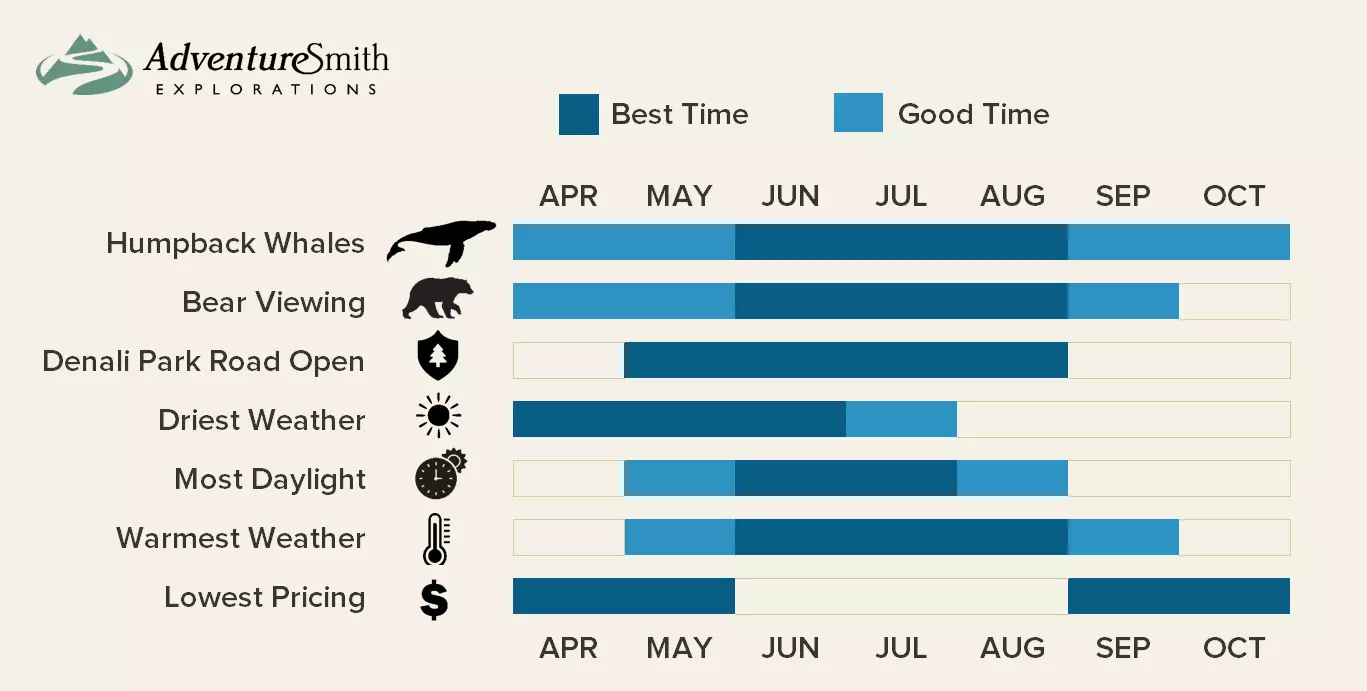
August is a prime month for visiting Denali National Park and Preserve, as the weather is often conducive to hiking, wildlife viewing, and simply taking in the majestic views of Denali itself. The park roads typically remain open for bus tours, allowing visitors to venture deep into the park to spot grizzly bears, moose, and caribou. For those interested in the aurora borealis, August is also the very beginning of the season when the nights become dark enough to potentially witness the dancing lights, though the chances are still slim compared to later in the fall.
Arctic Alaska: Embracing the Cool
Northern and Arctic Alaska, including regions around Barrow (now officially Utqiagvik), are considerably cooler even in August. This area is characterized by tundra landscapes and permafrost.
Utqiagvik and the North Slope: A True Arctic Experience
August in Utqiagvik, the northernmost community in the United States, offers a true Arctic experience. Daytime temperatures typically range from the low 40s to the low 50s Fahrenheit (around 5-11°C). Nights are cold, often dropping into the high 30s or low 40s Fahrenheit (around 3-7°C), with frost being a common occurrence.
The weather here is often windy, and precipitation can include rain or even snow flurries, regardless of the month. The landscape is starkly beautiful, with vast expanses of tundra. Daylight hours are still long in early August, but they are rapidly decreasing, and the sun will set for longer periods as the month progresses.
Visiting the Arctic in August requires robust cold-weather gear. Thermal layers, a heavy-duty parka, waterproof pants, a warm hat, and gloves are non-negotiable. Activities might include exploring the coastline, learning about the unique Iñupiat culture, and experiencing the vastness of the Arctic environment. Wildlife viewing opportunities can include migratory birds and marine mammals.
Packing for an Alaskan August Adventure
Regardless of which region of Alaska you plan to visit in August, the key to comfortable travel is layering. The weather can change rapidly, and it’s not uncommon to experience sunshine, rain, and cooler temperatures all within the same day.
Essential Gear for August Travel:
- Base Layers: Moisture-wicking thermal underwear (top and bottom) is crucial for staying dry and warm.
- Mid-Layers: Fleece jackets or sweaters provide insulation.
- Outer Layers: A waterproof and windproof jacket with a hood is a must. Waterproof pants are also highly recommended, especially for outdoor activities.
- Footwear: Sturdy, waterproof hiking boots are essential for navigating varied terrain. Bring extra socks made of wool or synthetic materials.
- Headwear and Handwear: A warm hat that covers your ears and waterproof gloves are vital, even in milder coastal areas, especially for boat trips or early morning/late evening excursions.
- Insect Repellent: While the peak mosquito season is usually July, some can still be present in August, especially in wooded or marshy areas.
- Sun Protection: Even with cooler temperatures, the sun at higher latitudes can be intense, especially reflecting off water or glaciers. Sunglasses and sunscreen are still important.

Conclusion: A Month of Opportunity
August in Alaska offers a compelling blend of pleasant weather, abundant daylight, and a slightly less frenetic pace than July. Whether you are drawn to the rainforests of the southeast, the dramatic landscapes of the interior, or the stark beauty of the Arctic, understanding the regional weather patterns will empower you to pack wisely and make the most of your Alaskan adventure. It’s a month where the wild heart of Alaska reveals itself in comfortable conditions, promising unforgettable experiences for every traveler.
LifeOutOfTheBox is a participant in the Amazon Services LLC Associates Program, an affiliate advertising program designed to provide a means for sites to earn advertising fees by advertising and linking to Amazon.com. Amazon, the Amazon logo, AmazonSupply, and the AmazonSupply logo are trademarks of Amazon.com, Inc. or its affiliates. As an Amazon Associate we earn affiliate commissions from qualifying purchases.