
The landscape of domestic air travel and access to federal facilities within the United States has undergone a significant transformation with the advent of Real ID. For residents and visitors alike navigating the vast expanse of California, understanding what a California Real ID looks like, its purpose, and how to obtain it is paramount for seamless journeys. This essential document, born from the Real ID Act of 2005, represents a heightened standard for identity verification, directly impacting everything from catching a flight at Los Angeles International Airport (LAX) to entering a federal building.
The Imperative of Real ID for Modern Travel
The Real ID Act was enacted by Congress following the September 11, 2001, terrorist attacks, recommending minimum security standards for state-issued driver’s licenses and identification cards. Its primary goal is to prevent terrorists and criminals from obtaining false identification, thereby enhancing national security. While the initial deadline for full enforcement was extended multiple times, the reality is that a Real ID-compliant document is now an indispensable item for anyone planning to travel domestically by air or needing to access secure federal facilities.
For the traveler, this means that a standard California driver’s license or ID card issued before the Real ID system might not be sufficient for passing through Transportation Security Administration (TSA) checkpoints at airports. The shift to Real ID-compliant documents is not merely a bureaucratic change; it’s a fundamental alteration to the mechanics of travel preparation. It compels individuals to ensure their primary form of identification meets federal benchmarks, providing peace of mind and preventing last-minute travel disruptions. Without a Real ID or an acceptable alternative like a U.S. Passport, travelers could face significant delays or even be denied boarding for domestic flights.
Why Real ID Matters for Californians
California, with its sprawling cities, iconic landmarks, and vibrant economy, sees millions of residents and tourists moving across its borders and within its immense territory annually. Whether planning a weekend getaway from San Francisco to San Diego, visiting national parks like Yosemite or Death Valley, or simply traveling for business, the Real ID requirement underpins the ease and legality of movement. Understanding its visual characteristics and the underlying security features is not just for compliance but for safeguarding personal identity and facilitating efficient travel experiences. The state has fully embraced the Real ID mandate, making the compliant card readily available to its residents.
Deciphering California’s Real ID Appearance and Features
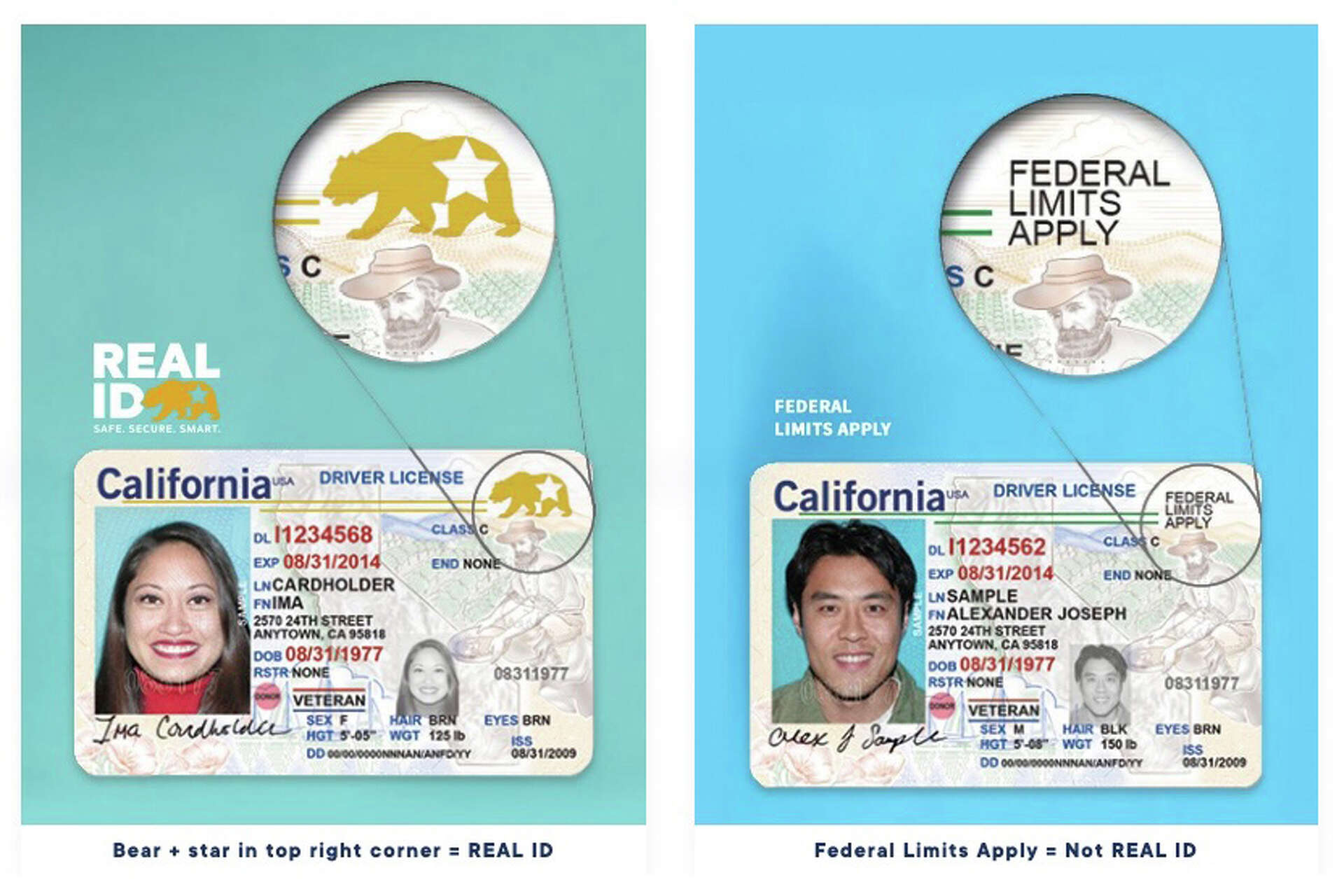
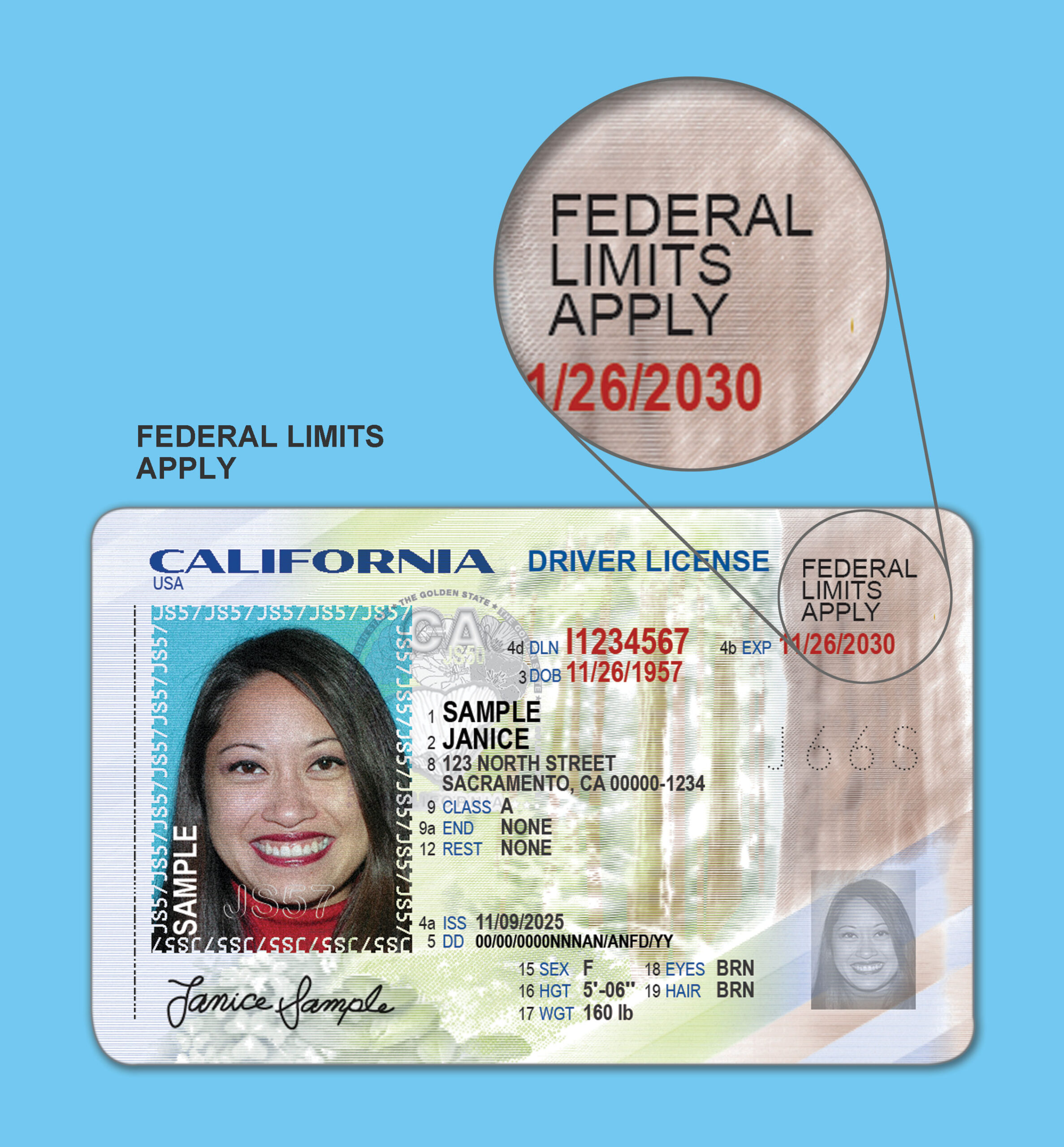
Distinguishing a Real ID-compliant driver’s license or identification card in California is straightforward once you know what to look for. The most prominent visual differentiator is a golden bear with a star cutout, positioned in the upper right-hand corner of the card. This emblem is the universal indicator that the document meets federal Real ID standards. Without this distinctive star, your California ID is considered a federal non-compliant document.
Beyond the star, a California Real ID retains many of the familiar design elements of the state’s traditional driver’s licenses. It features the cardholder’s photograph, full name, date of birth, mailing address, signature, and physical description (height, weight, eye color, hair color). The card also includes the license number, issue date, and expiration date. However, beneath the surface and within the intricate design, several advanced security features are embedded to prevent counterfeiting and tampering.
Key Security Elements and Visual Cues
The California Department of Motor Vehicles (DMV) has incorporated a range of advanced security measures into its Real ID cards. These typically include:
- Optically Variable Devices (OVDs): These are holographic images or patterns that change appearance when viewed from different angles, making them difficult to replicate.
- Fine-Line Printing: Extremely detailed and intricate patterns are printed on the card, which are hard to copy without specialized equipment.
- Microprinting: Tiny text, often readable only under magnification, is integrated into the design.
- Ultraviolet (UV) Features: Hidden images or text that become visible only under UV light, offering another layer of authentication.
- Laser Engraving: Personal data might be laser-engraved into the card material, making alterations highly challenging.
- Ghost Image: A smaller, secondary image of the cardholder’s photo, often faint, providing an additional security check.
These features are crucial for law enforcement and Transportation Security Administration (TSA) officials to verify the authenticity of the document. The overall design aims for durability and resistance to everyday wear and tear, ensuring the card remains a reliable form of identification for its validity period. The “FEDERALLY COMPLIANT” text may also be present on some versions, reinforcing its status.
Navigating the Application Process in the Golden State
Obtaining a Real ID in California involves a structured process, primarily managed by the California Department of Motor Vehicles (DMV). Unlike renewing a standard driver’s license, the initial application for a Real ID requires an in-person visit to a DMV office. This is to ensure all documentation is verified in person and a new photograph is taken.
Eligibility and Required Documentation

To apply for a California Real ID, applicants must be able to prove their identity, residency, and Social Security number. The DMV provides a comprehensive list of acceptable documents, but generally, you will need:
- Proof of Identity (One Document): This includes a valid U.S. Passport or passport card, an original birth certificate, an unexpired foreign passport with a valid U.S. visa and I-94 form, or a permanent resident card. The name on this document must match your legal name.
- Proof of Social Security Number (One Document): Your Social Security card, a W-2 form, or a pay stub with your full Social Security number will suffice.
- Proof of California Residency (Two Different Documents): Utility bills, rental agreements, mortgage statements, bank statements, or medical documents are commonly accepted. These documents must display your current physical address in California.
It is crucial to bring original documents or certified copies, as photocopies are generally not accepted. The DMV website offers an interactive checklist to help applicants gather the correct paperwork, which is highly recommended before any office visit.
The DMV Experience: From Online to In-Person
The application process for a California Real ID can be streamlined by starting online. The DMV website allows you to complete a significant portion of the application form and upload some documents beforehand, which can significantly reduce your waiting time at the office. After completing the online application, you will receive a confirmation number.
Upon your in-person visit to a DMV field office, you will typically:
- Present your confirmation code and required original documents for verification.
- Have your thumbprint scanned.
- Take a new photograph.
- Complete a vision exam.
- Pay the application fee.
The temporary paper Real ID is typically issued on the spot, allowing you to use it for immediate travel if needed, while the permanent card is mailed to your address within a few weeks. Planning your visit to the DMV during off-peak hours or making an appointment can further enhance the efficiency of this process.
Real ID’s Impact on Your Travel Experience
For the discerning traveler, the possession of a California Real ID streamlines one of the most stressful parts of domestic air travel: airport security. The Transportation Security Administration (TSA) is fully trained to identify and verify Real ID-compliant documents, making the verification process quicker and more efficient. This translates directly to shorter wait times and a smoother transit through security checkpoints.
While a Real ID is the most convenient form of identification for domestic flights, it is important to remember that it is not the only acceptable document. A valid U.S. Passport or passport card, a federal government PIV card, or a Department of Defense ID are also accepted by TSA. For those who travel internationally, a passport may already be their preferred form of ID. However, for individuals who primarily travel domestically and prefer not to carry their passport, the Real ID offers a perfect solution.
Beyond the Airport: Access to Federal Facilities
The implications of Real ID extend beyond airport terminals. It is also required for access to certain federal facilities, such as military bases, federal courthouses, and other secure government installations. For those whose professional or personal lives involve visiting such sites, a Real ID becomes a necessary credential, ensuring compliance with federal security protocols.
Having a Real ID contributes significantly to a sense of preparedness and confidence when traveling or interacting with federal entities. It eliminates the guesswork and potential anxiety about whether your identification will be accepted, allowing you to focus on the purpose of your journey, whether it’s a leisurely vacation in Napa Valley or an urgent business meeting in Sacramento.
Future-Proofing Your Travel Documents
Once you have acquired your California Real ID, it serves as a robust and reliable form of identification for years. Like standard driver’s licenses, Real IDs have an expiration date, typically after five years. It’s vital to note this date and plan for renewal well in advance to avoid any lapse in your travel capabilities. The renewal process might vary slightly from the initial application, but often involves an updated photo and verification of current information.
Staying informed about any changes in federal or state regulations concerning identity documents is also a wise practice. The Department of Homeland Security (DHS) and the California Department of Motor Vehicles (DMV) periodically update their guidelines, and travelers should consult official sources for the most current information.
In essence, the California Real ID is more than just an updated driver’s license; it’s a gateway to hassle-free travel and secure access in an increasingly security-conscious world. Understanding its appearance, the process to obtain it, and its widespread utility ensures that your journeys across the Golden State and beyond remain as smooth and enjoyable as possible.
LifeOutOfTheBox is a participant in the Amazon Services LLC Associates Program, an affiliate advertising program designed to provide a means for sites to earn advertising fees by advertising and linking to Amazon.com. Amazon, the Amazon logo, AmazonSupply, and the AmazonSupply logo are trademarks of Amazon.com, Inc. or its affiliates. As an Amazon Associate we earn affiliate commissions from qualifying purchases.