
While the image of the Grand Canyon often dominates perceptions of Arizona, this vast southwestern state is a surprising and dramatic tapestry of mountainous terrain. Far from being solely a desert expanse, Arizona boasts a diverse topography featuring rugged peaks, forested highlands, and geological formations that rival any mountain range in the world. For the avid traveler, these elevated landscapes offer a wealth of destinations for exploration, adventure, and breathtaking natural beauty, each with its own unique character and appeal.
The Majestic Peaks of Northern Arizona
The northern reaches of Arizona are where its most iconic and imposing mountains reside. This region, significantly cooler than the desert lowlands, is characterized by vast ponderosa pine forests and a dramatic geological history.
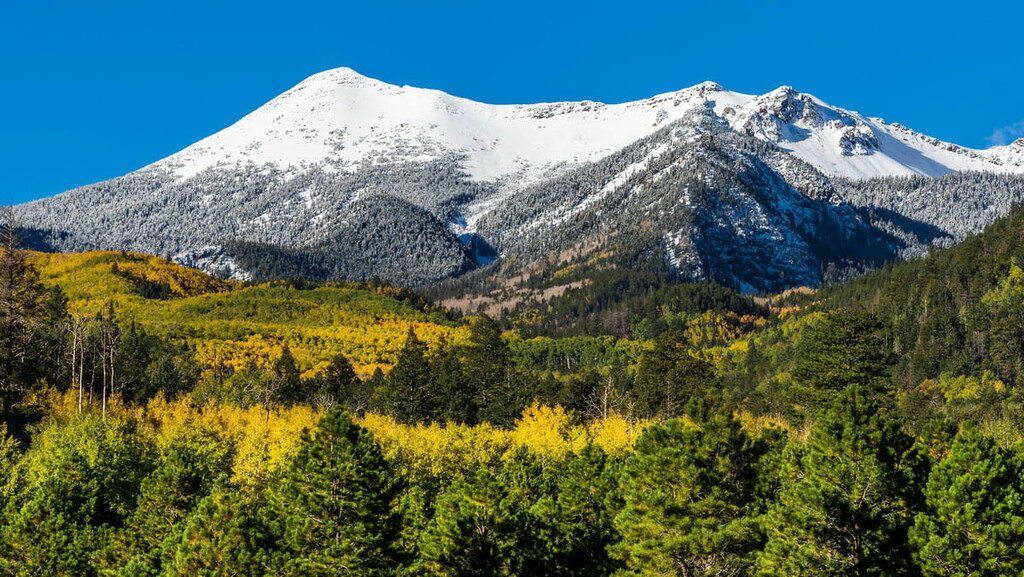
The San Francisco Peaks: Arizona’s Crown Jewels
Dominating the skyline near Flagstaff, the San Francisco Peaks are a stratovolcanic mountain range and the highest point in Arizona. Humphreys Peak, at 12,633 feet, is the state’s highest summit and a challenging yet rewarding destination for hikers and climbers. The range is actually composed of several peaks, including Agassiz Peak, Fremont Peak, and Student Peak, all remnants of ancient volcanic activity.
Hiking and Recreation in the San Francisco Peaks
The San Francisco Peaks offer a diverse array of recreational opportunities. Trails range from relatively gentle paths through fragrant pine forests to strenuous ascents that test even experienced mountaineers. The Kachina Peaks Wilderness, encompassing the highest elevations, provides a pristine environment for backpacking and observing alpine flora and fauna. During winter months, Arizona Snowbowl, a popular ski resort, transforms the slopes into a winter wonderland, offering skiing and snowboarding with unparalleled panoramic views. The accessibility of these peaks from Flagstaff makes them a prime destination for those seeking mountain experiences within the state.
The Mogollon Rim: A Dramatic Escarpment
While not a mountain range in the traditional sense, the Mogollon Rim is a spectacular geological feature that presents mountainous vistas and influences the landscape for hundreds of miles. This extensive escarpment marks the southern edge of the Colorado Plateau and drops dramatically in elevation, creating a rugged and varied terrain. The Rim itself offers stunning overlooks, particularly in areas like Payson and Pine, where dense forests give way to sweeping views of the lower elevations.
Exploring the Rim Country
The “Rim Country” of Arizona is a beloved destination for its cooler climate, abundant forests, and a plethora of outdoor activities. Campgrounds, hiking trails, and scenic drives are plentiful. The Apache-Sitgreaves National Forests and Tonto National Forest both contain significant portions of the Rim, offering a vast playground for nature enthusiasts. Popular spots include Christopher Creek and the Mogollon Rim Visitor Center, which provide access to trails and information about the area’s natural history. The transition zone created by the Rim supports a unique ecosystem, blending desert scrub with montane forests, offering a fascinating study in ecological diversity.
Central Arizona’s Rugged Highlands
Beyond the immediate vicinity of the San Francisco Peaks, central Arizona continues to surprise with its elevated landscapes. These mountains, often cloaked in chaparral and juniper, offer a different kind of rugged beauty and a retreat from the heat.
The Mazatzal Mountains and Superstition Mountains
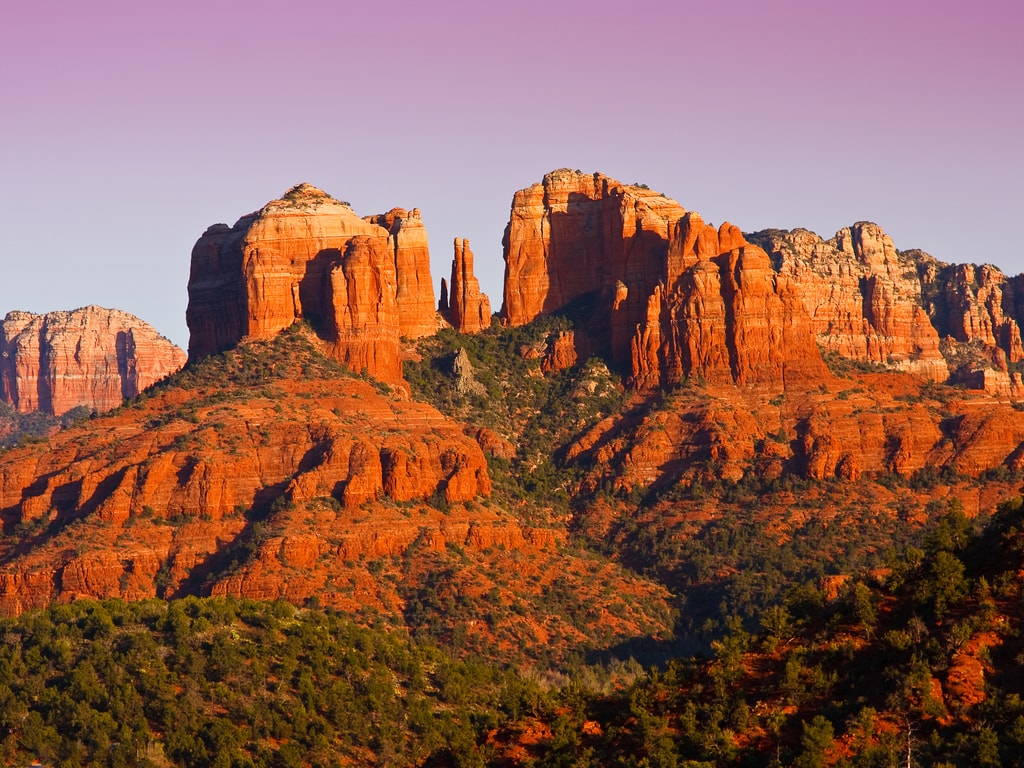
To the east of the Phoenix metropolitan area lie the striking Mazatzal Mountains and the iconic Superstition Mountains. These ranges are characterized by dramatic, arid beauty, with sharp peaks, deep canyons, and unique rock formations. The Superstition Mountains, in particular, are steeped in legend and folklore, most famously the tale of Lost Dutchman’s Gold Mine.
Hiking and Adventure in the Mountain Parks
The Superstition Mountains are a designated Wilderness area and a part of the Tonto National Forest. They are a magnet for hikers, known for trails like the challenging but rewarding hike to Superstition Peak and the more accessible trails around Lost Dutchman State Park. The landscape is a testament to erosion, with massive rock formations and vibrant desert flora. The Mazatzal Mountains offer a similar rugged experience, with fewer crowds and opportunities for backcountry exploration. These mountains provide a dramatic backdrop for outdoor enthusiasts seeking a more intense desert-mountain adventure.
The Bradshaw Mountains
Northwest of Phoenix and west of Prescott, the Bradshaw Mountains present a vast expanse of rugged terrain that was once a hub of mining activity. Peaks like Spruce Mountain and Mount Union offer excellent hiking and scenic drives, particularly in the fall when the deciduous trees at higher elevations provide a splash of color.
Exploring Prescott’s Mountainous Neighbors
Prescott, often called “Everybody’s Hometown,” is nestled amongst the Bradshaw Mountains and serves as an ideal basecamp for exploring this mountainous region. The Prescott National Forest encompasses much of the range, offering extensive trail systems for hiking, mountain biking, and horseback riding. The drive up to Thumb Butte, a distinctive granite dome, provides spectacular views and a glimpse into the geological diversity of the area. The cooler temperatures and abundant pine and oak forests offer a welcome respite from the desert heat, making this a popular destination for both locals and visitors.
Southern Arizona’s Sky Islands and Desert Ranges
While the northern and central parts of Arizona might be more traditionally mountainous, the southern half of the state holds its own unique elevated treasures, known as “Sky Islands.”
The Sky Islands: Biodiversity Hotspots
The “Sky Islands” are a series of isolated mountain ranges in southern Arizona and New Mexico, surrounded by vast desert plains. These ranges, such as the Chiricahua Mountains, the Huachuca Mountains, and the Santa Catalina Mountains, rise dramatically from the desert floor, creating distinct ecological zones at different altitudes. This isolation has led to incredible biodiversity, with flora and fauna found here that are not present in the surrounding desert.
Experiencing the Sky Islands
Visiting the Sky Islands offers a chance to experience vastly different ecosystems within a short distance. The Chiricahua National Monument, famous for its surreal hoodoos and balanced rocks, is a prime example of the dramatic geology of these ranges. The Santa Catalina Mountains, easily accessible from Tucson, offer hiking trails that ascend through different life zones, from saguaro cactus deserts to pine and fir forests. The Mount Lemmon Scenic Byway provides a breathtaking drive to the summit of Mount Lemmon, offering stunning vistas and a chance to experience a climate akin to that of the Canadian Rockies. These ranges are a testament to the varied geological forces that have shaped Arizona and its diverse natural beauty.
The Catalina Mountains and the Rincon Mountains
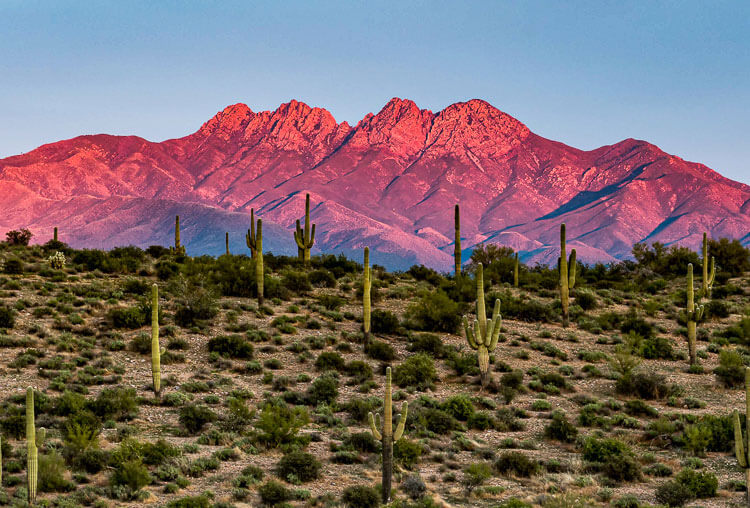
Near Tucson, the Santa Catalina Mountains and the Rincon Mountains form a significant mountainous backdrop. The Santa Catalina Mountains are home to the Coronado National Forest and offer extensive recreational opportunities, including the highest drivable point in Arizona at Mount Lemmon. The Rincon Mountains, also part of the Coronado National Forest, are largely protected as Saguaro National Park (East), showcasing the dramatic interplay of mountains and desert landscapes.
Hiking and Nature in Tucson’s Mountain Ranges
Saguaro National Park (East) offers hiking trails that wind through the foothills of the Rincon Mountains, providing opportunities to explore the iconic saguaro cactus forests with dramatic mountain backdrops. The elevation changes within these parks allow for a diverse range of plant and animal life. The Santa Catalina Mountains provide a more extensive mountain experience, with trails leading to alpine meadows, granite peaks, and stunning overlooks of the Tucson basin. The diversity of these southern ranges, from arid foothills to cooler, forested summits, makes them a compelling destination for any traveler exploring the natural wonders of Arizona.
In conclusion, the question of whether mountains exist in Arizona is met with a resounding yes. From the towering volcanic peaks of the north to the isolated Sky Islands of the south, and the rugged highlands in between, Arizona offers a mountainous landscape that is as diverse and captivating as any in the United States. These elevated realms provide a unique dimension to the state’s identity, inviting exploration and offering unforgettable travel experiences.
LifeOutOfTheBox is a participant in the Amazon Services LLC Associates Program, an affiliate advertising program designed to provide a means for sites to earn advertising fees by advertising and linking to Amazon.com. Amazon, the Amazon logo, AmazonSupply, and the AmazonSupply logo are trademarks of Amazon.com, Inc. or its affiliates. As an Amazon Associate we earn affiliate commissions from qualifying purchases.