
Arizona, the “Grand Canyon State,” is renowned for its dramatic desert landscapes, vibrant sunsets, and rich cultural heritage. While many associate the entire state with arid beauty, Arizona is not defined by a single desert type. Instead, it encompasses a diverse array of desert environments, each with its unique characteristics, flora, and fauna. Understanding these distinctions is crucial for any traveler seeking to fully appreciate the natural wonders of this Southwestern gem.
The Sonoran Desert: A Tapestry of Life
The vast majority of Arizona, including its major population centers like Phoenix and Tucson, lies within the sprawling Sonoran Desert. This is the desert most people envision when thinking of Arizona, famous for its iconic saguaro cacti.

Characteristics of the Sonoran Desert
The Sonoran Desert is distinguished by its bimodal rainfall pattern, receiving significant precipitation in both winter and summer. This unique climate supports an astonishing diversity of plant and animal life, making it one of the most biodiverse deserts in the world.
- Biodiversity: Unlike many other deserts that are characterized by sparse vegetation, the Sonoran Desert bursts with life. This includes over 2,000 species of plants, many of which are endemic, and a wide array of wildlife, from desert tortoises and Gila monsters to coyotes and various bird species.
- Iconic Flora: The most recognizable plant is undoubtedly the Saguaro Cactus. These majestic giants can live for over 150 years and are a symbol of the American West. Other common plants include palo verde trees, mesquite trees, prickly pear cacti, and ocotillo.
- Elevation and Temperature: The Sonoran Desert spans a range of elevations, from below sea level in the Salton Sea area (though this is technically in California, it influences regional understanding) to over 4,000 feet. This leads to varied temperature patterns, with hot summers and mild winters in the lower elevations, and cooler conditions at higher altitudes.
Key Regions within the Sonoran Desert
Within the broader Sonoran Desert, specific regions offer distinct experiences for visitors.
- The Sonoran Desert National Monument: Located south of Phoenix, this protected area offers a glimpse into a pristine desert environment, showcasing extensive saguaro forests and rugged mountain ranges.
- Saguaro National Park: This park, with two districts (East and West) near Tucson, is a prime destination for experiencing the grandeur of the saguaro cactus. Hiking trails wind through dense stands, offering stunning photographic opportunities and close encounters with desert ecosystems.
- Arizona-Sonora Desert Museum: Near Tucson, this world-renowned institution is more than just a museum; it’s a living zoo, botanical garden, and natural history museum dedicated to the Sonoran Desert. It provides an immersive and educational experience of the region’s flora and fauna.
The Mojave Desert: A Starker Beauty to the North
As one travels northward in Arizona, the landscape begins to transition into the Mojave Desert. This desert is characterized by its stark beauty, sparser vegetation, and more extreme temperature fluctuations.
Defining Features of the Mojave Desert
The Mojave Desert is known for its arid climate, receiving very little rainfall, primarily during the winter months. This scarcity of water shapes its unique ecosystem.
- Vegetation: While less dense than the Sonoran, the Mojave Desert boasts its own iconic flora. The most famous resident is the Joshua Tree, though its presence in Arizona is primarily confined to the northwestern corner of the state, bordering California. Other notable plants include creosote bush, brittlebush, and various yucca species.
- Topography: The Mojave Desert is characterized by vast, flat basins interspersed with rugged mountain ranges. This topography creates dramatic vistas and unique geological formations.
- Climate Extremes: Summers in the Mojave are intensely hot, with temperatures frequently soaring above 100°F (38°C). Winters are cooler, with potential for frost and even snowfall at higher elevations.
Arizona’s Mojave Desert Landscapes
The portion of the Mojave Desert that extends into Arizona is less populated and features dramatic geological features.
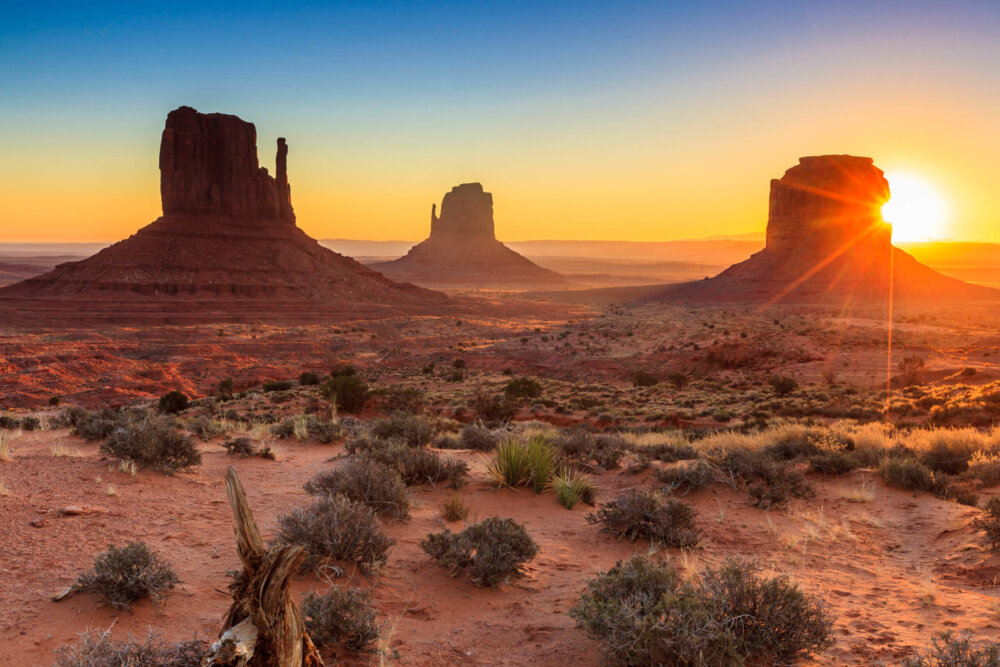
- Lake Mead National Recreation Area: While Lake Mead itself is a significant body of water, the surrounding areas are part of the Mojave Desert. This region offers opportunities for hiking, boating, and exploring the stark desert terrain.
- Virgin River Gorge: Located in northwestern Arizona, this impressive canyon is a significant geological feature of the Mojave Desert. The Virgin River has carved a deep gorge through the colorful rock strata, creating a visually stunning landscape that draws travelers and hikers.
The Chihuahuan Desert: A Southeastern Foothold
In the southeastern part of Arizona, the landscape gradually shifts into the easternmost reaches of the Chihuahuan Desert. This desert shares some similarities with the Sonoran but has its own distinct characteristics.
Distinguishing Traits of the Chihuahuan Desert
The Chihuahuan Desert is the largest desert in North America and receives more rainfall than the Mojave, though still a relatively small amount. Its plant life is particularly distinct.
- Plant Life: This desert is renowned for its abundance of yucca and agave species, as well as a high diversity of cacti, including cholla, prickly pear, and barrel cacti. Grasslands are also more prevalent here than in the Sonoran or Mojave.
- Elevation: The Chihuahuan Desert in Arizona is typically found at higher elevations compared to much of the Sonoran Desert, leading to cooler average temperatures.
- Fauna: It supports a unique array of wildlife adapted to its specific conditions, including various species of quail, pronghorn antelope, and desert bighorn sheep.
Exploring the Chihuahuan Desert in Arizona
The southeastern corner of Arizona offers a different desert experience, often characterized by rolling hills and wide-open spaces.
- Chiricahua National Monument: Although often associated with mountain wilderness, the lower elevations surrounding the Chiricahua Mountains are part of the Chihuahuan Desert ecosystem. The monument itself is famous for its “Wonderland of Rocks,” a spectacular collection of hoodoos and balanced rocks.
- Southern Arizona’s Sky Islands: The mountain ranges in southeastern Arizona that rise dramatically from the desert floor are known as “sky islands.” These isolated mountain ranges create unique microclimates that support a surprising diversity of life, bridging the gap between the desert floor and higher alpine environments.
Planning Your Desert Adventure in Arizona
Understanding the different desert environments of Arizona enriches any travel experience, from planning a road trip to choosing the perfect hiking trail. Each desert offers unique opportunities for exploration, photography, and appreciating the resilience and beauty of nature.
Choosing Your Desert Destination
- For iconic desert scenery and abundant wildlife: Focus on the Sonoran Desert, particularly areas around Tucson like Saguaro National Park.
- For dramatic geological formations and stark landscapes: Explore the northwestern parts of the state and the Mojave Desert, such as the Virgin River Gorge.
- For unique plant life and higher elevation desert experiences: Venture into southeastern Arizona and the Chihuahuan Desert regions, like those surrounding the Chiricahua National Monument.

Essential Travel Tips for Desert Exploration
Regardless of which desert you explore, preparedness is key to a safe and enjoyable visit.
- Hydration: Carry significantly more water than you think you’ll need. Dehydration can occur rapidly in desert environments.
- Sun Protection: Wear sunscreen, a wide-brimmed hat, and sunglasses. Lightweight, long-sleeved clothing can also provide excellent protection.
- Footwear: Sturdy hiking boots are essential for navigating uneven terrain and protecting your feet from sharp desert plants and rocks.
- Timing: Avoid strenuous outdoor activities during the hottest parts of the day, especially in summer. Early mornings and late afternoons are often the most pleasant times to explore.
- Respect the Environment: Stay on marked trails to protect fragile desert ecosystems. Do not disturb plants or animals, and pack out everything you pack in.
Arizona’s desert landscapes are not monolithic; they are a complex mosaic of interconnected environments. By understanding the distinctions between the Sonoran Desert, the Mojave Desert, and the Chihuahuan Desert, travelers can gain a deeper appreciation for the unique natural heritage of the Grand Canyon State. Each desert offers a distinct gateway to experiencing the wild, untamed beauty that defines Arizona.
LifeOutOfTheBox is a participant in the Amazon Services LLC Associates Program, an affiliate advertising program designed to provide a means for sites to earn advertising fees by advertising and linking to Amazon.com. Amazon, the Amazon logo, AmazonSupply, and the AmazonSupply logo are trademarks of Amazon.com, Inc. or its affiliates. As an Amazon Associate we earn affiliate commissions from qualifying purchases.