
Navigating the requirements for vehicle operation in a new state can often feel like deciphering a cryptic map. For those venturing into the vast expanse of Texas, understanding local regulations is paramount to a smooth journey. One common question that arises for both new residents and visitors with vehicles is the necessity of an inspection sticker. While often referred to colloquially as an “inspection sticker,” the official terminology in Texas is the “Texas Vehicle Inspection Program” (TxVip), which mandates a safety inspection and, in some counties, an emissions test for most registered vehicles. This program is a cornerstone of road safety and environmental protection within the Lone Star State, ensuring that vehicles on its roadways meet specific standards.

Understanding the Texas Vehicle Inspection Program (TxVip)
The Texas Vehicle Inspection Program is designed with two primary objectives: to enhance road safety by ensuring vehicles are in good mechanical condition, and to protect the environment by monitoring vehicle emissions. All vehicles registered in Texas are required to undergo an annual inspection. This process involves a qualified mechanic at an authorized inspection station examining various components of your vehicle to ensure they are functioning correctly and safely.
Key Components of the Inspection
The inspection covers a range of critical safety features. These typically include, but are not limited to:
- Brakes: Ensuring that your braking system is in proper working order, including brake pads, rotors, and fluid levels.
- Lights: Checking that all exterior lights, such as headlights, taillights, brake lights, and turn signals, are functional and properly aimed.
- Tires: Verifying that tire tread depth is adequate and that tires are free from significant damage or excessive wear.
- Steering and Suspension: Inspecting components like ball joints, tie rods, and shock absorbers to ensure they are secure and not excessively worn.
- Windshield Wipers and Defrosters: Confirming that wipers are effective and that defroster systems are operational for clear visibility in various weather conditions.
- Horn: Testing the functionality of the vehicle’s horn.
- Mirrors: Ensuring mirrors are present, intact, and properly positioned.
- Exhaust System: Checking for leaks or excessive noise that could indicate an issue.
Emissions Testing: A County-Specific Requirement
While safety inspections are mandatory statewide, the emissions testing component of the TxVip is not universal. Texas has implemented an “Emissions Exemption Program” in certain counties. This means that if you reside in a county that is not part of the emissions testing program, you will only need to pass the safety inspection. However, if your county is part of the emissions testing program, your vehicle will also be subject to an emissions inspection to ensure it is not releasing excessive pollutants into the atmosphere.
The counties that currently require emissions testing are primarily those with larger populations and are often located in the major metropolitan areas of the state. These include:
- Brazoria
- Collin
- Denton
- Fort Bend
- Galveston
- Harris
- Johnson
- Kaufman
- Montgomery
- Rockwall
- Tarrant
- Travis
- Van Zandt
- Waller
- Wood
It is crucial to verify whether your specific county of residence mandates an emissions test, as failure to comply can result in registration issues. Information regarding county requirements can be found on the official website of the Texas Department of Public Safety (DPS) or the Texas Commission on Environmental Quality (TCEQ).
Who Needs an Inspection Sticker in Texas?
The requirement for a Texas vehicle inspection sticker applies to most vehicles registered in the state. This includes:
New Residents
If you are moving to Texas and bringing your vehicle, you will need to obtain a Texas vehicle inspection within 30 days of establishing residency and before you can register your vehicle. This is a critical step in the process of becoming a legal resident of Texas. You will need proof of inspection to complete your vehicle registration with the county tax assessor-collector’s office.
New Vehicle Registrations
Any vehicle being registered for the first time in Texas, whether new or used, must pass a vehicle inspection. This applies to both initial registration and subsequent renewals.
Renewing Vehicle Registration
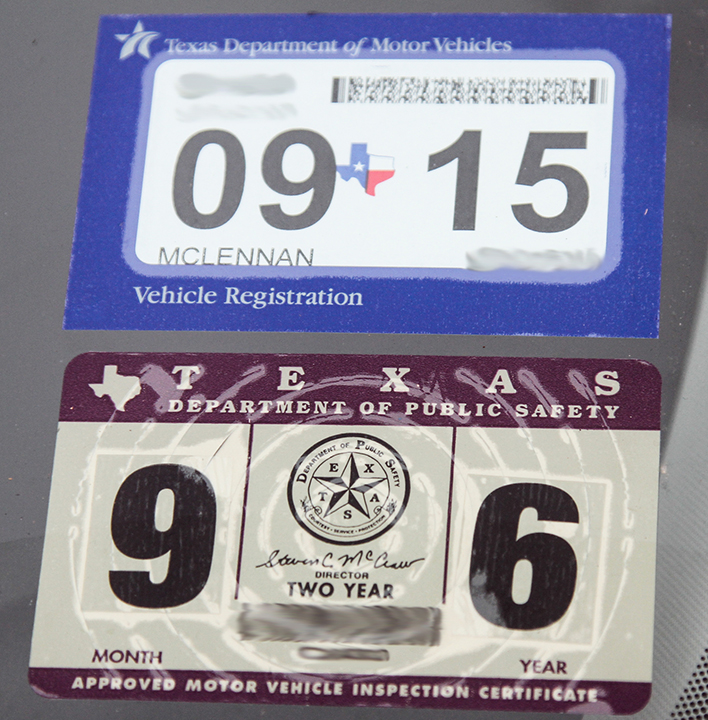
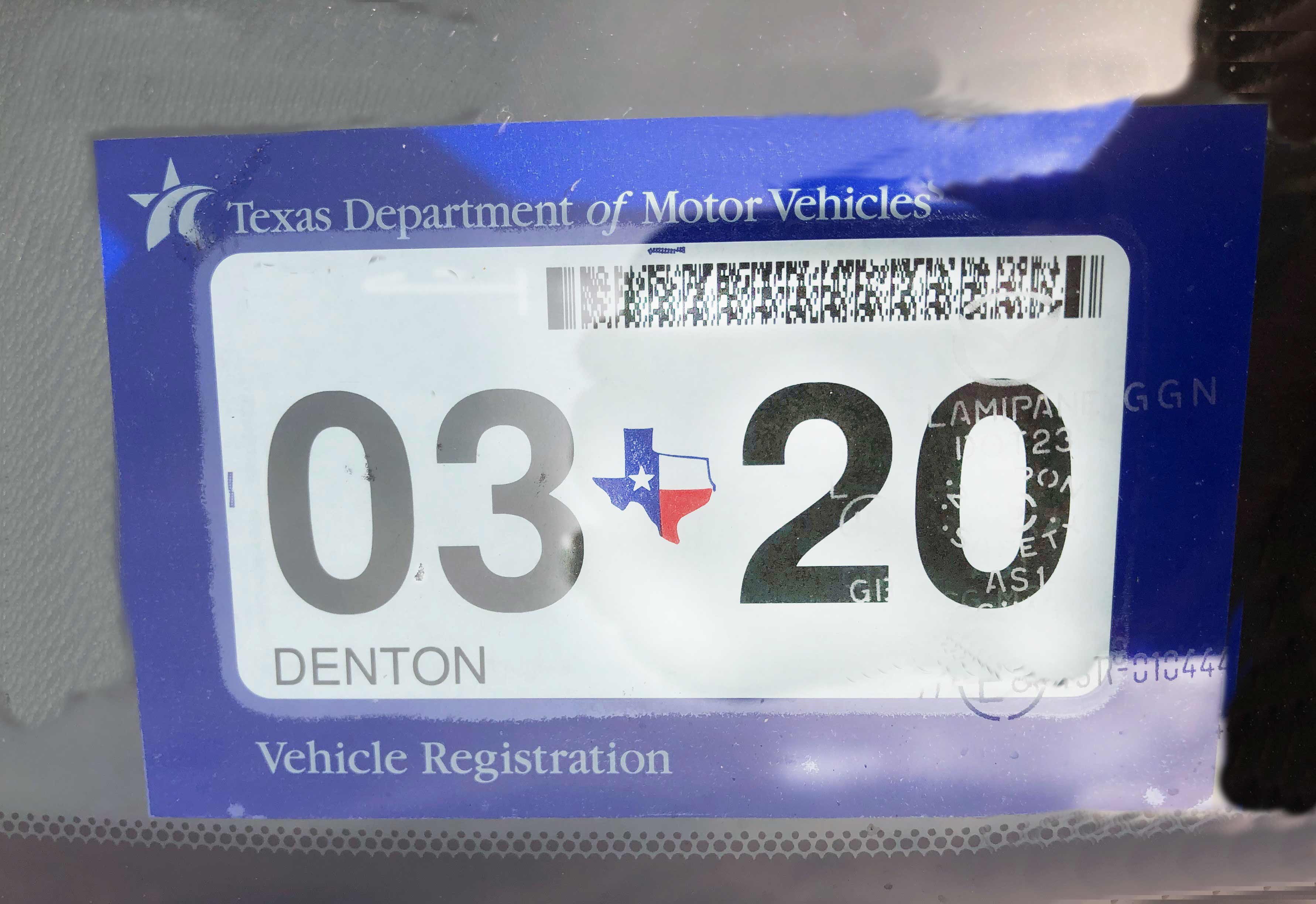
The inspection sticker is tied to your vehicle’s annual registration. When it’s time to renew your registration, you will typically need a valid inspection certificate. The inspection is generally valid for 12 months. In counties with emissions testing, the inspection and registration renewal are often linked, meaning you cannot renew your registration without a current passing inspection certificate.
Exceptions to the Rule
While the TxVip is broadly applicable, there are a few exceptions. These generally include:
- New Vehicles (First Two Years): In most cases, brand-new vehicles are exempt from safety inspections for their first two model years. However, this exemption does not typically apply to emissions testing in counties where it is required. It is advisable to confirm the specific regulations for new vehicles.
- Antique or Classic Vehicles: Vehicles designated as antique or classic may have different inspection requirements or be exempt under specific conditions. These often have strict usage limitations.
- Motorcycles and Trailers: The inspection requirements for motorcycles and trailers can vary. While many are subject to inspection, it’s important to check the specific rules for these types of vehicles.
- Vehicles Registered Out-of-State: If your vehicle is registered in another state and you are merely visiting Texas, you are generally not required to obtain a Texas inspection sticker. However, your vehicle must be in compliance with the laws of its home state.
Obtaining Your Inspection Sticker
The process of obtaining your inspection sticker is straightforward. You will need to visit an authorized Texas inspection station. These stations are identifiable by a green and white sign that reads “Official Texas Vehicle Inspection Station.” They can be found at various automotive service centers, dealerships, and independent garages throughout the state.
What to Bring
To complete the inspection, you will typically need to present:
- Proof of Insurance: A valid Texas vehicle liability insurance card.
- Vehicle Registration: Your current vehicle registration receipt.
In some cases, especially if you are a new resident or registering a vehicle for the first time, you might also need:
- Proof of Residency: Such as a utility bill or lease agreement.
- Vehicle Title or Proof of Ownership.
The Inspection Process and Fees
Upon arrival at the inspection station, you will provide your vehicle and the necessary documentation. The mechanic will then conduct the safety inspection and, if applicable, the emissions test. The cost of the inspection varies by station but is regulated by the state. The fee typically includes a state-mandated charge for the inspection certificate itself, in addition to the mechanic’s service charge. If your vehicle fails the inspection, you will be given a report detailing the reasons for failure. You will then have a limited time to make the necessary repairs and have the vehicle re-inspected.
Consequences of Not Having an Inspection Sticker
Operating a vehicle in Texas without a valid inspection sticker, when one is required, can lead to several repercussions. These include:
Traffic Citations and Fines
Law enforcement officers can issue traffic citations for vehicles that do not display a current inspection sticker or for those found to be operating without having passed the required inspection. These citations can result in fines.
Difficulty with Vehicle Registration Renewal
As mentioned earlier, a valid inspection certificate is a prerequisite for renewing your vehicle registration. Without it, you will be unable to legally register your vehicle, which can lead to further legal complications if you continue to drive it.
Impact on Insurance
While not always a direct cause for denial of claims, operating a vehicle in violation of state laws can sometimes complicate insurance matters, depending on the specific terms of your policy and the circumstances of any incident.
Conclusion: Ensuring Compliance for a Smooth Drive
The Texas Vehicle Inspection Program is an integral part of maintaining safe roads and a healthy environment. For residents and those planning to register a vehicle in the state, understanding the requirements for an inspection sticker—including safety checks and potential emissions testing based on county—is essential. By ensuring your vehicle meets the state’s standards and by keeping your inspection certificate up-to-date, you not only avoid potential penalties but also contribute to the overall safety and well-being of the Texas community. Whether you’re a lifelong Texan or a newcomer exploring the vast beauty of the state, a compliant vehicle is the first step to a hassle-free driving experience.
LifeOutOfTheBox is a participant in the Amazon Services LLC Associates Program, an affiliate advertising program designed to provide a means for sites to earn advertising fees by advertising and linking to Amazon.com. Amazon, the Amazon logo, AmazonSupply, and the AmazonSupply logo are trademarks of Amazon.com, Inc. or its affiliates. As an Amazon Associate we earn affiliate commissions from qualifying purchases.