
Florida has long been celebrated for its sun-drenched beaches, vibrant culture, and world-class attractions. However, for many individuals considering a move, a long-term stay, or even setting up a business operation, one of the state’s most compelling features lies in its unique financial landscape: the absence of a state income tax. This crucial detail significantly shapes the lifestyle and financial planning for residents, retirees, remote workers, and entrepreneurs alike, making it a key factor in any lifestyle decision to embrace the Sunshine State.
Florida’s Favorable Tax Climate: A Lifestyle Advantage
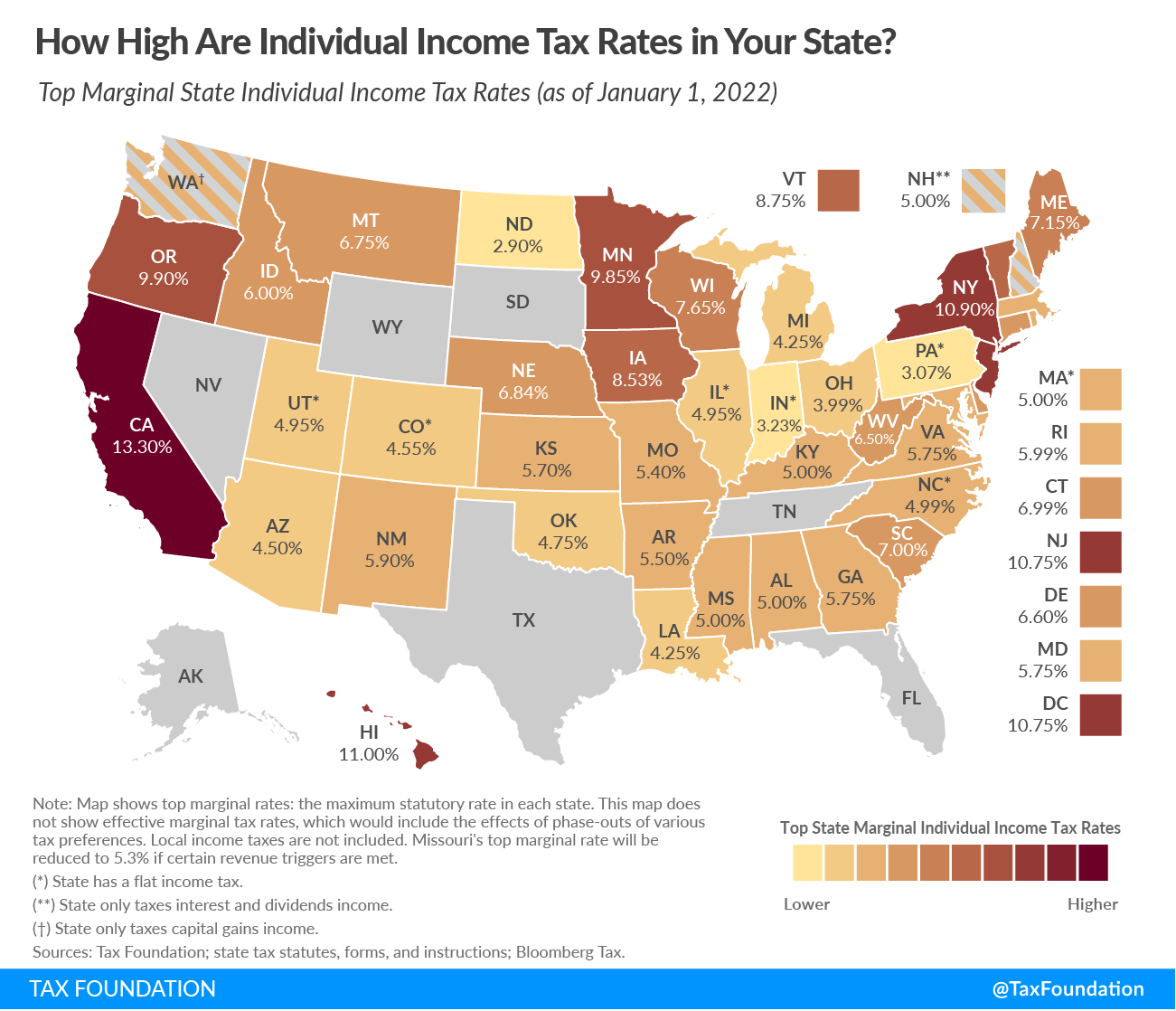
The appeal of Florida extends far beyond its picturesque scenery and leisure opportunities. At its core, the state offers a distinct financial advantage that can profoundly impact one’s personal and business lifestyle: the absence of a state-level personal income tax. This policy means that residents do not pay state taxes on their wages, salaries, or investment income, unlike in many other U.S. states. This characteristic alone positions Florida as a highly attractive destination for those seeking to maximize their disposable income and optimize their financial well-being.
For individuals contemplating a relocation, whether for retirement, career change, or simply a shift in living environment, the income tax policy can be a deal-breaker. Retirees, for instance, often find that their pensions, Social Security benefits, and other retirement income are largely shielded from state taxation, allowing their savings to stretch further. Similarly, remote workers and digital nomads can maintain their current employment while potentially enjoying a higher net income simply by establishing residency in Florida. Entrepreneurs and small business owners also benefit, as the lack of state income tax on personal earnings can free up capital for reinvestment or personal use, fostering an environment conducive to growth and financial independence. This fundamental aspect underpins many lifestyle choices made by those drawn to Florida, influencing everything from housing budgets to leisure spending.
Understanding The No-Income-Tax Benefit
Delving deeper into Florida’s tax structure reveals why it’s such a significant draw for lifestyle seekers. While the absence of a state income tax is a major highlight, it’s essential to understand its specific implications for both individuals and businesses.
Personal Income Tax Explained
In Florida, individuals are exempt from state income tax on various forms of income, including:
- Wages and salaries from employment.
- Earnings from self-employment.
- Investment income (e.g., interest, dividends, capital gains).
- Pension and retirement account distributions.
- Social Security benefits.
This means that if you earn a salary or have significant investment income, a larger portion of your gross earnings remains in your pocket compared to residents of states with high income tax rates. For a family, this increased disposable income can translate into more funds for education, travel, or simply a higher quality of daily life. It directly impacts budgeting for everything from groceries to vacations, allowing for greater financial flexibility and contributing to a more comfortable lifestyle. The allure is particularly strong for high-income earners and retirees who rely heavily on investment returns, as they can see substantial savings year over year.
Business Income Tax Considerations
While personal income is not taxed at the state level, Florida does levy a Corporate Income Tax. This tax applies to corporations that conduct business, earn income, or exist in Florida. The corporate income tax rate is typically set at 5.5%, though specific exemptions and credits can apply.
For entrepreneurs considering moving their business or starting a new venture in Florida, understanding this distinction is key. Sole proprietorships, partnerships, and S corporations generally “pass through” their income to their owners, meaning the business itself isn’t taxed at the corporate level. Instead, the owners report their share of the business’s profits on their personal income tax returns. Since Florida has no personal income tax, the profits passed through to the owners of these types of entities are not subject to state income tax. This structure creates a highly favorable environment for small businesses and startups, offering a significant competitive advantage in terms of personal take-home profits, which directly supports the lifestyle of an entrepreneur.
Beyond Income Tax: A Holistic Look at Florida’s Financial Landscape
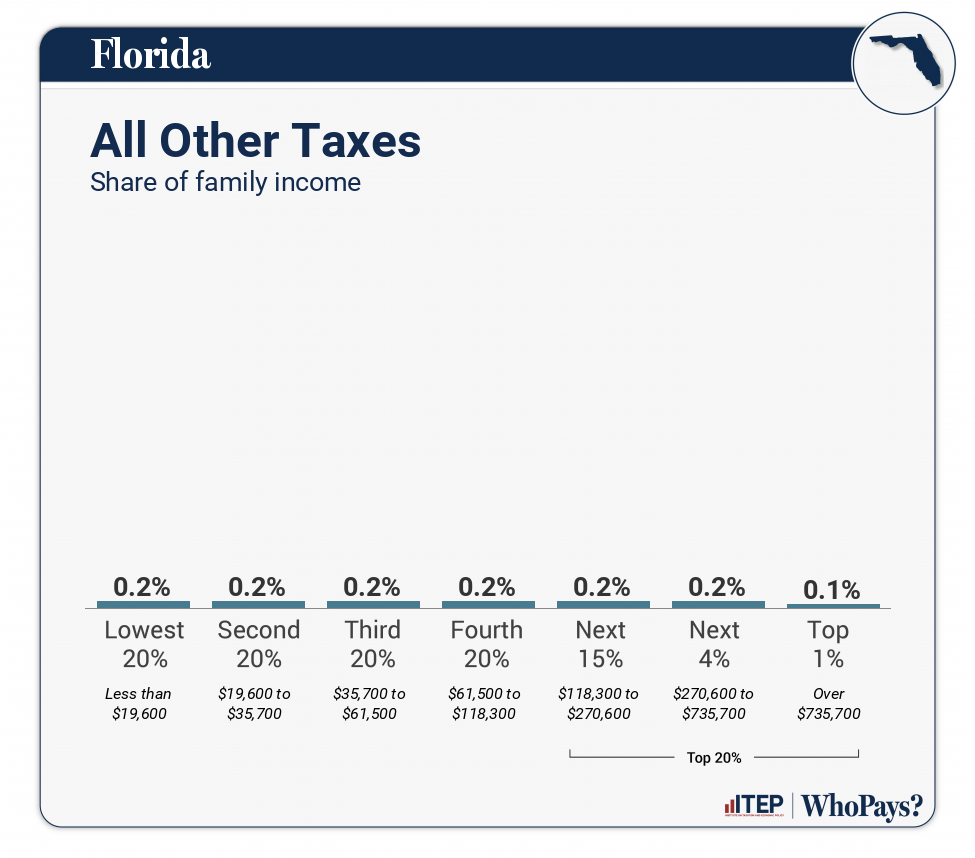
While the absence of a state income tax is a major draw, a comprehensive understanding of Florida’s tax structure requires examining other key taxes that contribute to the state’s revenue. These taxes also play a significant role in the overall financial planning and lifestyle considerations for residents and visitors.
Sales Tax in The Sunshine State
Florida imposes a statewide sales tax on the sale of most goods and services. The state sales tax rate is 6%. However, many counties also levy a discretionary sales surtax, which can add an additional 0.5% to 1.5% to the total sales tax. For instance, in popular destinations like Orlando or Miami, the combined sales tax rate can reach 7% or 7.5%.
It’s important to note that certain items are exempt from sales tax, most notably groceries (unprepared food), and some services. For budget-conscious travelers or long-term residents, understanding these rates and exemptions is crucial for managing daily expenses. This sales tax mechanism means that a portion of the tax burden shifts from income to consumption, which can influence purchasing habits and overall lifestyle spending, particularly for those who frequently shop or dine out.
Property Taxes and Homeownership

Property taxes in Florida are levied at the local level by counties, municipalities, and special districts. These taxes are a significant consideration for homeowners and can vary widely depending on the property’s location, assessed value, and the specific tax rates (millage rates) set by local authorities.
A key benefit for permanent Florida residents is the homestead exemption. For primary residences, homeowners can qualify for an exemption of up to $50,000 off the assessed value of their home, which can lead to substantial savings on property taxes. Additionally, the Save Our Homes assessment limitation helps cap annual increases in the assessed value of homesteaded properties at 3% or the Consumer Price Index, whichever is lower, protecting long-term homeowners from sudden spikes in property taxes. For those envisioning a lifestyle of homeownership in Florida, especially retirees on fixed incomes, these exemptions and limitations are invaluable for financial stability. However, property insurance, particularly for hurricane coverage, can be a notable expense that needs to be factored into the total cost of homeownership.
Other Key Taxes
Beyond income, sales, and property taxes, other taxes contribute to Florida’s fiscal framework:
- Gasoline Tax: Florida imposes a state gasoline tax, in addition to federal taxes. This impacts daily commuting costs and long-distance travel within the state.
- Intangible Personal Property Tax: While largely abolished for most individuals, certain financial institutions and specific types of business entities may still be subject to this tax.
- Tourist Development Tax (Resort Tax): Many counties levy a “bed tax” or “resort tax” on short-term rentals, typically paid by tourists staying in hotels, motels, and vacation rentals. While not directly affecting residents, it’s an important revenue source for local tourism initiatives and can subtly impact the broader economic landscape that supports local businesses and amenities enjoyed by residents.
- Documentary Stamp Tax: Applied to real estate transactions (deeds, mortgages) and other documents, this tax is a one-time expense when buying property, impacting the initial cost of a home or business location.
Understanding this broader tax ecosystem provides a realistic picture of the cost of living and doing business in Florida, ensuring that the lifestyle benefits are considered in the full financial context.
Florida as a Financial Hub: Who Benefits Most?
Florida’s tax structure, particularly the absence of a state income tax, creates a uniquely attractive environment for specific demographics and lifestyle choices. Identifying who stands to gain the most illuminates the state’s strategic position as a financial hub.
Retirees and Snowbirds
For retirees, Florida often represents the ideal lifestyle destination. The lack of state income tax means that pensions, 401(k) and IRA distributions, and Social Security benefits are not taxed at the state level. This significantly boosts disposable income for individuals and couples living on fixed incomes, allowing their retirement savings to go further. When combined with the state’s warm climate, abundant recreational activities, and extensive healthcare infrastructure, Florida becomes a premier choice for those seeking a comfortable and financially secure retirement lifestyle. Seasonal residents, or “snowbirds,” who maintain a residence in Florida for part of the year, also benefit from these tax advantages during their time in the state, making their extended stays more cost-effective.
Entrepreneurs and Remote Workers
The modern workforce is increasingly embracing remote work and entrepreneurial ventures. For these individuals, Florida’s tax policy presents a compelling opportunity. Remote workers can live in a desirable location like Tampa or Jacksonville while potentially retaining their jobs with companies based in high-tax states, effectively increasing their take-home pay. Entrepreneurs, especially those operating as sole proprietors or S-corporations, can see their business profits flow directly to them without a state income tax deduction, fostering a more robust environment for reinvestment and personal wealth building. This encourages a lifestyle of innovation and financial independence, attracting a dynamic population looking to build businesses without the added burden of state income tax on their personal earnings.
High-Income Earners
Individuals with substantial salaries, significant investment portfolios, or considerable capital gains often find Florida particularly appealing. For those in higher tax brackets in states with high income tax rates, moving to Florida can result in substantial annual savings. These savings can then be reinvested, used for luxury lifestyle pursuits, or channeled into philanthropic endeavors, significantly enhancing their overall financial strategy and quality of life. The cumulative effect of these savings over years can be transformative for wealth accumulation and legacy planning, solidifying Florida’s reputation as a haven for affluent individuals seeking tax efficiency.
Making the Move: Financial Planning for Your Florida Lifestyle
Embracing the Florida lifestyle with its attractive tax benefits requires careful financial planning. While the absence of state income tax is a significant advantage, a holistic approach ensures a smooth transition and sustainable financial well-being.
Comprehensive Budgeting
When considering a move to Florida, it’s crucial to look beyond just the income tax savings. A comprehensive budget should account for all potential expenses. While income tax might be lower, other costs can be higher than expected. For example, property insurance, particularly homeowners insurance that includes hurricane coverage, can be significantly more expensive in coastal areas. Utility costs, especially for air conditioning during the long summer months, should also be factored in. Healthcare expenses, while not unique to Florida, are always a critical component of any budget, especially for retirees. By understanding and preparing for these varied expenses, individuals can truly gauge the financial advantages and challenges of their chosen Florida lifestyle.
Seeking Professional Advice
Navigating the complexities of interstate relocation, especially concerning tax implications and financial planning, is best done with expert guidance. Consulting with tax professionals, financial advisors, and real estate experts who specialize in Florida can provide invaluable insights. They can help with residency requirements, understand the nuances of local property taxes, assess insurance needs, and develop a personalized financial strategy that maximizes the benefits of Florida’s tax climate while mitigating potential drawbacks. This proactive approach ensures that the decision to move to Florida is not just driven by its income tax rate, but by a well-rounded and sustainable financial plan that supports your desired lifestyle for years to come.
LifeOutOfTheBox is a participant in the Amazon Services LLC Associates Program, an affiliate advertising program designed to provide a means for sites to earn advertising fees by advertising and linking to Amazon.com. Amazon, the Amazon logo, AmazonSupply, and the AmazonSupply logo are trademarks of Amazon.com, Inc. or its affiliates. As an Amazon Associate we earn affiliate commissions from qualifying purchases.