
Arizona, a state synonymous with scorching desert landscapes and endless sunshine, beckons travelers with its dramatic beauty and vibrant culture. While its allure is undeniable, understanding the nuances of its intense heat is crucial for any visitor planning an itinerary. From the iconic red rocks of the Grand Canyon to the urban sophistication of Phoenix, Arizona offers a diverse range of experiences, but the mercury’s ascent is a consistent factor across much of the state. This exploration delves into the extreme temperatures Arizona can reach, the contributing factors, and how to best navigate these formidable conditions for a memorable trip.
The Thermometer’s Ascent: Arizona’s Hottest Regions
Arizona’s reputation for heat is well-earned, particularly in its lower desert elevations. While the northern parts of the state, such as the San Francisco Peaks near Flagstaff, experience cooler, even snowy, winters and milder summers, the majority of the state, including its most populated areas, contends with significant heat.
The Sonoran Desert: A Crucible of Heat
The Sonoran Desert, which covers a vast expanse of southern and central Arizona, is where the most extreme temperatures are recorded. Cities like Phoenix and Tucson regularly see their thermometers climb into the triple digits for extended periods during the summer months.
Phoenix: The Valley of the Sun’s Fiery Embrace
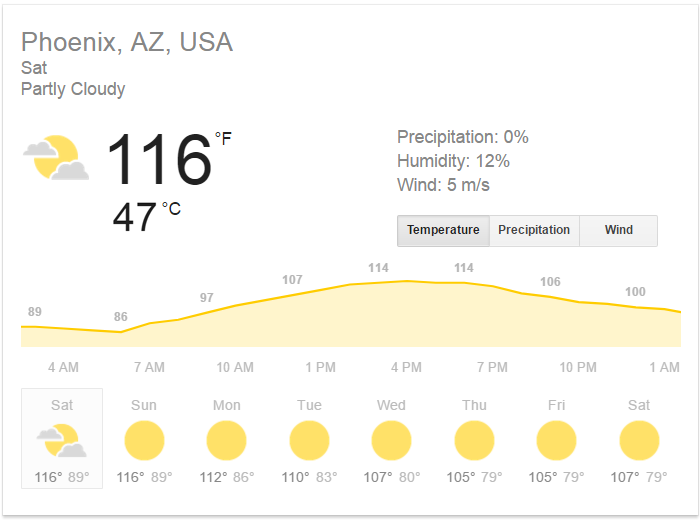
Phoenix, the state capital and largest city, is aptly nicknamed the “Valley of the Sun.” During July and August, the average high temperatures often hover around 105°F (40.6°C). However, it’s not uncommon for the mercury to surge past 110°F (43.3°C), and on occasion, even approach or exceed 115°F (46.1°C). These prolonged periods of intense heat, known as heatwaves, can last for days or even weeks. The urban heat island effect, where concrete and asphalt absorb and retain heat, further exacerbates these temperatures in the densely populated metropolitan areas.
Tucson and Beyond: Southern Arizona’s Searing Summers
Tucson, situated in the heart of the Sonoran Desert, experiences similar, if not slightly more intense, heat than Phoenix due to its lower elevation and surrounding mountain ranges that can trap heat. Temperatures in the triple digits are a daily occurrence from late May through September. Further south, areas like Yuma are notorious for their extreme summer heat, often recording some of the highest temperatures in the United States. Historically, Yuma has registered temperatures as high as 121°F (49.4°C).
Other Notable Hotspots
While the major cities are primary examples, numerous other areas within Arizona’s desert regions can reach formidable temperatures. These include towns and natural landmarks located in lower elevations, far from the moderating influence of higher altitudes. Even typically cooler areas can experience significant heatwaves, underscoring the widespread impact of Arizona’s climate.
The Science Behind the Heat: Why Arizona Gets So Hot
Arizona’s extreme temperatures are a product of a complex interplay of geographical factors, atmospheric conditions, and its arid climate. Understanding these elements provides context for the intense heat experienced by both residents and visitors.
Geographical Factors
High Elevation and Inland Location
Arizona is largely an inland state, far from the moderating influence of large bodies of water like oceans. This geographical isolation means that land-based temperatures can fluctuate more dramatically. Furthermore, much of Arizona is situated at a relatively high elevation, which, contrary to initial intuition, can contribute to heat. While higher elevations are generally cooler, the dry air at these altitudes allows for rapid heating during the day. The intense solar radiation, unimpeded by significant cloud cover for much of the year, further amplifies this heating.
The Deserts’ Role
The vast desert expanses of Arizona, primarily the Sonoran Desert and the Mojave Desert in the northwest, are critical in generating and sustaining high temperatures. The lack of vegetation means that solar energy is absorbed directly by the ground, which then radiates heat back into the atmosphere. The dark colors of rocks and sand contribute to this absorption.
Atmospheric Conditions
High-Pressure Systems
During the summer months, Arizona is often dominated by a strong high-pressure system. These systems are characterized by sinking air, which suppresses cloud formation and prevents moisture from rising, leading to clear skies and intense sunshine. The sinking air also compresses, causing it to warm significantly. This atmospheric phenomenon is a primary driver of prolonged heatwaves.
Monsoonal Moisture
While seemingly counterintuitive, the arrival of the North American Monsoon in July and August can, paradoxically, make the heat feel more intense. As moisture-laden air from the Gulf of California moves northward, it increases humidity. While this can lead to dramatic thunderstorms, the increased humidity reduces the body’s ability to cool itself through evaporation, making the already high temperatures feel even more oppressive and leading to higher heat index values.
Arid Climate and Lack of Vegetation
Arizona’s arid climate is a fundamental reason for its heat. Low humidity allows for rapid evaporation, which can provide some cooling relief during less intense heat. However, the lack of widespread vegetation means less shade and less transpiration, a process where plants release water vapor into the atmosphere, which has a cooling effect. This lack of natural cooling mechanisms amplifies the impact of solar radiation and high ambient temperatures.
Navigating the Heat: Tips for Travelers
Experiencing Arizona’s heat requires preparation and a mindful approach to planning activities. By adopting sensible strategies, visitors can enjoy the state’s wonders without succumbing to the adverse effects of extreme temperatures.

Timing Your Visit
The most effective way to mitigate the impact of Arizona’s heat is to plan your visit during the cooler months.
Fall, Winter, and Spring: The Sweet Spot
From October through April, Arizona offers a much more temperate climate. Daytime temperatures in the desert regions are pleasant, often in the 70s and 80s°F (20s°C), making it ideal for exploring outdoor attractions like the Grand Canyon, hiking in Sedona, or enjoying the vibrant city life of Phoenix and Tucson. Even the higher elevation cities like Flagstaff experience mild summers during this period, though they do have cold winters.
Summer Strategy: Embrace the Early Bird and the Night Owl
If a summer visit is unavoidable, embrace the early morning and late evening hours for outdoor activities. The coolest parts of the day are typically just after sunrise and before sunset. Plan your exploration of outdoor sites like Antelope Canyon or Monument Valley for these times. Midday is best reserved for indoor activities, enjoying air-conditioned museums, galleries, or shopping centers.
Staying Hydrated and Protected
Proper hydration and sun protection are paramount when spending time in Arizona’s heat.
Hydration is Key
Carry water with you at all times, even for short excursions. Drink more fluids than you feel you need, and opt for water, electrolyte-rich drinks, or sports beverages. Avoid excessive caffeine and alcohol, as they can contribute to dehydration. Dehydration can occur rapidly in the desert heat and can lead to serious health consequences.
Sun Protection Essentials
Wear lightweight, light-colored, and loose-fitting clothing. A wide-brimmed hat is essential for protecting your face and neck from direct sun exposure. Sunglasses are a must to shield your eyes. If you’ll be spending extended periods outdoors, apply a broad-spectrum sunscreen with a high SPF regularly. Seek shade whenever possible, especially during the hottest parts of the day.
Indoor Retreats and Cooling Down
Arizona offers numerous ways to escape the heat and recharge.
Air-Conditioned Havens
Take advantage of the state’s well-air-conditioned attractions. This includes world-class museums in Phoenix and Tucson, such as the Heard Museum and the Arizona-Sonora Desert Museum. Shopping malls, movie theaters, and even local libraries provide cool respite.
Water-Based Activities
Consider activities that involve water to beat the heat. Many resorts offer fantastic pools, and some areas have lakes or rivers suitable for swimming or boating. Even a simple misting fan can provide significant relief outdoors.
Recognizing Heat Illness
It is vital for travelers to be aware of the signs and symptoms of heat-related illnesses, such as heat exhaustion and heatstroke. These can range from dizziness, nausea, and heavy sweating to confusion, a rapid pulse, and cessation of sweating (a sign of heatstroke, which is a medical emergency). If you or someone in your group experiences these symptoms, seek immediate medical attention and move to a cooler environment.
Beyond the Heat: Arizona’s Unique Appeal
While the extreme heat is a defining characteristic of Arizona’s climate, it is by no means the only aspect of its appeal. The state’s stunning natural landscapes, rich history, and vibrant cultural tapestry continue to draw visitors from around the globe.
Natural Wonders and Adventures
Arizona is a paradise for nature lovers and outdoor adventurers. The awe-inspiring vistas of the Grand Canyon National Park are a must-see, offering hiking, mule rides, and breathtaking overlooks. The vibrant red rock formations of Sedona are renowned for their natural beauty and spiritual energy. For stargazing enthusiasts, the clear desert skies offer unparalleled views of the cosmos, with designated dark sky parks providing an unforgettable celestial experience. Other natural gems include the Petrified Forest National Park, Saguaro National Park, and the unique geological formations of the Chiricahua National Monument.
Cultural Richness and Historical Depth
Arizona’s history is as diverse as its landscape. The state is home to numerous Native American tribes, including the Navajo Nation and the Hopi Tribe, whose rich cultural heritage can be explored through their art, traditions, and ancient pueblo sites. The Spanish colonial influence is evident in historic missions and charming border towns. The Wild West legacy is palpable in places like Tombstone, offering a glimpse into the state’s frontier past.

Urban Delights and Culinary Experiences
Arizona’s cities, particularly Phoenix and Tucson, offer a thriving cultural scene with world-class museums, art galleries, vibrant nightlife, and diverse culinary offerings. From innovative farm-to-table restaurants to authentic Southwestern cuisine, travelers can indulge in a variety of flavors. The state’s culinary scene is influenced by its Native American, Hispanic, and Anglo heritage, resulting in a unique and delicious gastronomic landscape. Exploring these urban centers provides a different perspective on Arizona, showcasing its modern dynamism alongside its ancient roots.
In conclusion, while Arizona can indeed get exceptionally hot, particularly during its summer months, this climatic reality is an integral part of its identity and contributes to its unique allure. With careful planning, a respect for the environment, and a focus on safety, travelers can comfortably explore the vast beauty and captivating experiences that Arizona has to offer, from its scorching desert floors to its cooler, elevated plateaus.
LifeOutOfTheBox is a participant in the Amazon Services LLC Associates Program, an affiliate advertising program designed to provide a means for sites to earn advertising fees by advertising and linking to Amazon.com. Amazon, the Amazon logo, AmazonSupply, and the AmazonSupply logo are trademarks of Amazon.com, Inc. or its affiliates. As an Amazon Associate we earn affiliate commissions from qualifying purchases.