
Navigating the requirements for driving legally in Arizona involves understanding the validity period of your driver’s license. For most residents and visitors alike, this crucial document has a specific lifespan that dictates when renewal is necessary. This guide delves into the intricacies of Arizona driver’s license expiration dates, renewal processes, and related considerations, ensuring you remain compliant and can continue to enjoy the freedom of the open road throughout the Grand Canyon State and beyond. Understanding these timelines is not just a matter of convenience; it’s essential for legal operation of a vehicle and for seamless travel experiences within the United States and potentially for international travel.
Standard Validity and Renewal Periods
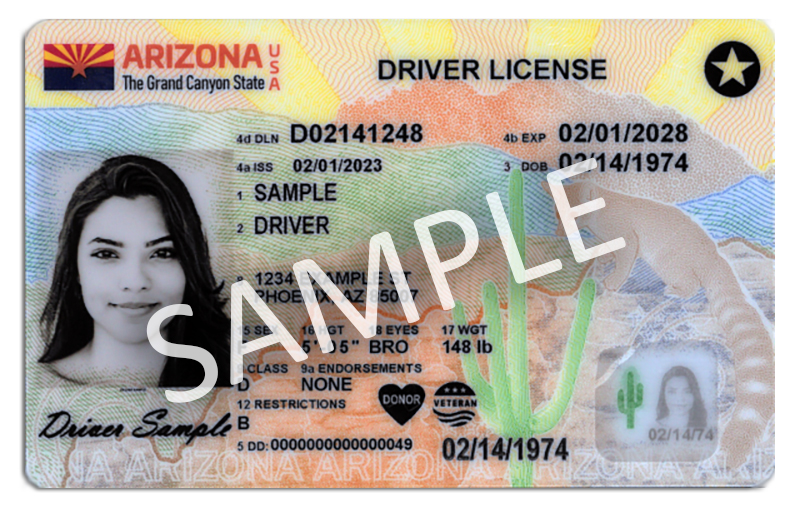
The duration for which an Arizona driver’s license remains valid is a key piece of information for all license holders. The standard validity period for a non-commercial driver’s license in Arizona is generally eight years for individuals aged 21 and older. This eight-year cycle is designed to align with a consistent renewal process for the majority of the driving population. For younger drivers, the renewal periods may differ. For instance, licenses issued to individuals between the ages of 16 and 21 typically expire on their 21st birthday. This ensures that young drivers undergo a renewal process as they transition into adulthood, often with updated requirements or considerations.
First-Time Licenses and Age-Specific Expirations
When you first obtain an Arizona driver’s license, especially as a teenager, the expiration date is directly tied to your age. If you are 16, 17, 18, 19, or 20 years old when your license is issued, it will generally expire on your 21st birthday. This means the initial validity period can be as short as one year or as long as five years, depending on your age at issuance. Once you turn 21, subsequent renewals will then follow the standard eight-year validity period. This age-based system aims to re-evaluate driving privileges and ensure continued competency as individuals mature.
Commercial Driver’s Licenses (CDLs)
For those operating commercial motor vehicles, the validity and renewal requirements for a Commercial Driver’s License (CDL) differ significantly from those of a standard passenger vehicle license. Arizona CDLs are typically valid for a period of eight years, similar to standard licenses for adults. However, the renewal process for CDLs can involve more stringent medical certifications and testing. It is crucial for CDL holders to stay abreast of their expiration dates and the accompanying renewal requirements to maintain their professional driving status. Failure to do so can result in significant disruption to employment and commercial operations. The Federal Motor Carrier Safety Administration (FMCSA) sets forth many of these regulations, which are then implemented by the Arizona Department of Transportation (ADOT).
Factors Affecting License Validity
While the eight-year validity period is standard, certain circumstances can alter the expiration date or necessitate an earlier renewal. Understanding these exceptions is vital to avoid lapses in your driving privileges. These factors can include changes in legal status, specific endorsements, or even voluntary updates to your license information.
Military Personnel and Extensions
Arizona recognizes the unique circumstances faced by members of the U.S. military. For active duty military personnel and their spouses who are stationed outside of Arizona, or even outside the United States, extensions may be granted for license and registration renewals. This provision is designed to alleviate the burden of renewing these documents while serving the nation. Typically, these extensions allow for a period of grace following their return to the state or discharge from active duty. It is advisable for military personnel to consult with the Arizona Department of Transportation (ADOT) Motor Vehicle Division (MVD) for specific details regarding their eligibility and the process for utilizing these extensions. This ensures they are fully compliant upon their return or reassignment.
Special Endorsements and Medical Certifications
Certain endorsements on your driver’s license, particularly those related to operating specific types of vehicles or transporting hazardous materials (Hazmat), may have their own renewal timelines that differ from the standard license expiration. For CDLs, the requirement for a valid Medical Examiner’s Certificate is directly linked to the CDL’s validity. If your medical certificate expires before your CDL, your CDL privileges may be suspended. Therefore, keeping track of the expiration dates of all associated certifications and endorsements is paramount. ADOT’s MVD provides clear guidelines on the renewal requirements for each type of endorsement and certification.
Name or Address Changes
While changing your name or address on your driver’s license does not typically alter its expiration date, it is a mandatory update that must be completed within a specific timeframe. Arizona law requires license holders to notify the MVD of any change in their legal name or residential address within 10 days of the change. While this doesn’t extend the license’s life, failing to update your information can lead to missed renewal notices and potential legal issues if you are stopped by law enforcement. The process for updating this information can usually be completed online, by mail, or in person at an MVD office.
The Renewal Process and Timelines
Renewing your Arizona driver’s license is a straightforward process designed to ensure that license holders continue to meet the state’s driving standards. Proactive planning is key to avoid any last-minute rushes or expired licenses. The MVD typically sends out renewal notices by mail or email in advance of your expiration date.
Receiving Your Renewal Notice
The Arizona Department of Transportation (ADOT) Motor Vehicle Division (MVD) endeavors to notify license holders well in advance of their expiration date. These notices, often sent 60 to 90 days prior, provide essential information about renewal options, required documentation, and any fees associated with the process. It is crucial to ensure that your mailing address is up-to-date with the MVD to receive these important notifications. If you do not receive a renewal notice, it is your responsibility to contact the MVD or visit their website to determine your license’s expiration date and renewal procedures.
Renewal Options: Online, Mail, or In-Person
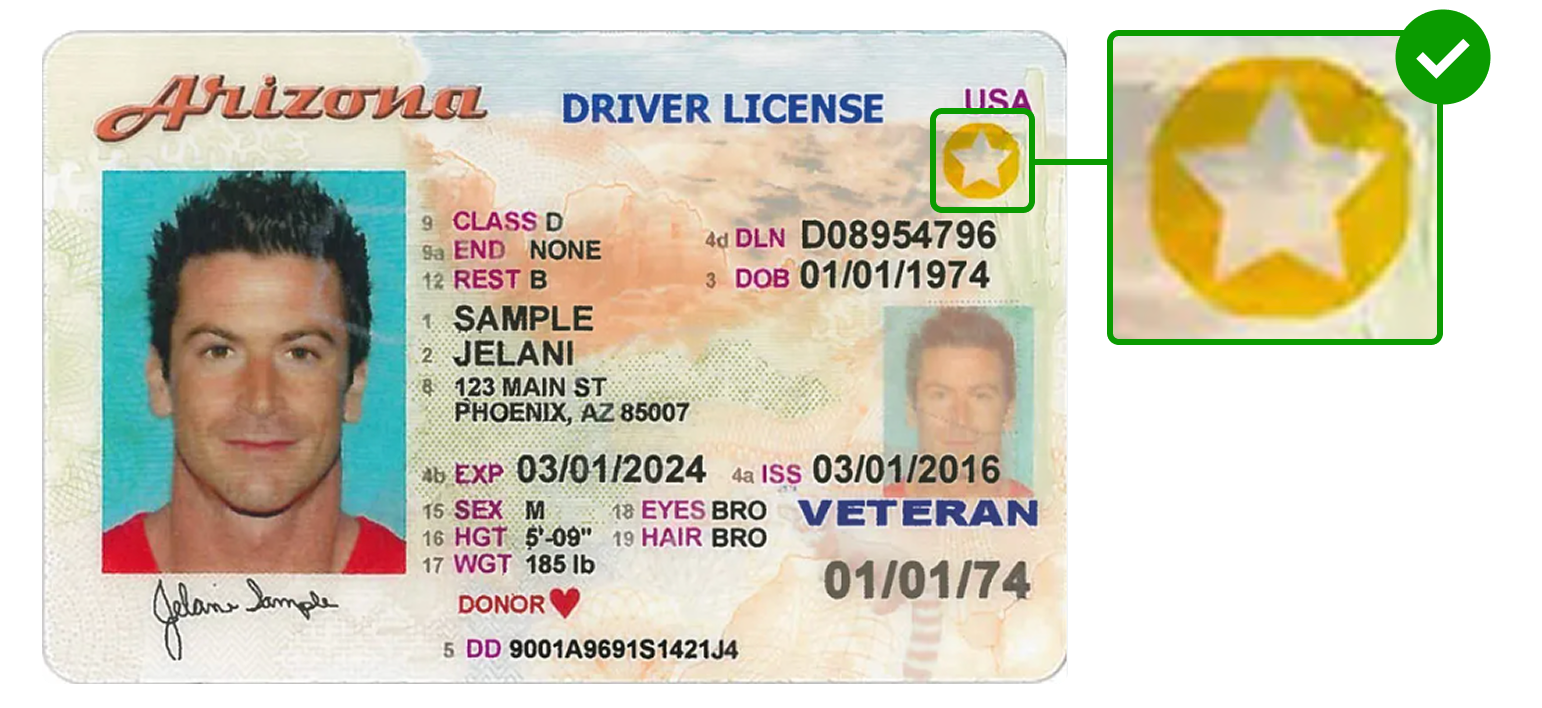
Arizona offers several convenient methods for renewing your driver’s license:
- Online Renewal: For eligible individuals, renewing online through the ADOT MVD website is often the quickest and easiest option. This typically requires a valid existing license, no changes to your driving record, and the ability to pay the renewal fee electronically. Online renewal is a significant convenience for residents of major metropolitan areas like Phoenix and Tucson, as well as those in more remote parts of the state.
- Mail Renewal: In some cases, renewal by mail may be an option. This process usually involves filling out a renewal form and mailing it along with the required payment to the MVD. Eligibility for mail renewal often depends on specific criteria, and it is generally a slower process than online or in-person renewals.
- In-Person Renewal: Visiting an ADOT MVD office is the traditional method of renewal. This option is available to all license holders and is necessary for those who do not meet the criteria for online or mail renewal, or who prefer face-to-face service. This is also the required method for certain circumstances, such as when a new photograph is needed or if you are making significant changes to your license. Appointments are often recommended to reduce wait times.
Requirements for Renewal
The specific requirements for renewing your Arizona driver’s license can vary slightly based on your age and the type of license you hold. Generally, you will need to:
- Provide Proof of Identity and Legal Presence: This typically involves presenting documents such as a U.S. Passport, U.S. Birth Certificate, or Permanent Resident Card.
- Pass a Vision Test: A vision screening is a standard part of the renewal process to ensure you meet the minimum visual acuity standards for safe driving.
- Pay the Renewal Fee: There is a fee associated with renewing your driver’s license, which can be paid by check, money order, or credit/debit card, depending on the renewal method.
- Surrender Your Old License: You will generally need to surrender your expiring or expired license upon renewal.
- Provide a New Photograph: For in-person renewals, a new photograph will be taken.
For CDL holders, additional requirements include providing a valid Medical Examiner’s Certificate and potentially retaking knowledge or skills tests if necessary.
Expired Licenses and Grace Periods
Operating a vehicle with an expired driver’s license in Arizona is a traffic violation and can lead to penalties. Understanding the implications of an expired license and any potential grace periods is critical.
Consequences of Driving with an Expired License
Driving with an expired driver’s license can result in fines, points on your driving record, and even the impoundment of your vehicle. In some cases, especially if the license has been expired for an extended period, it may be treated as driving without a license, which carries more severe consequences. It is always best to renew your license before it expires to avoid these legal entanglements and ensure your driving privileges remain uninterrupted. Law enforcement officers in cities like Scottsdale and throughout the state are diligent in checking license validity.
Grace Periods and Legal Implications
Arizona law does not provide a formal grace period for expired driver’s licenses for general driving purposes. However, there are specific provisions for certain situations. For example, if your license expires while you are out of state on active military duty, you may have an extension upon your return. It is important to clarify with the ADOT MVD whether any specific grace periods apply to your situation. If your license has recently expired, you may still be able to renew it without taking a new driving test, provided it has not been expired for too long and you meet other renewal criteria. However, once the expiration date passes, you are technically driving illegally.
Reinstating a Lapsed License
If your Arizona driver’s license has lapsed or been suspended due to expiration or other reasons, the process for reinstatement will depend on the circumstances. This may involve paying back fees, passing required tests (vision, knowledge, or road tests), providing updated documentation, and paying a reinstatement fee. It is essential to contact the ADOT MVD to understand the specific steps required to reinstate your license and regain your driving privileges legally. Delaying this process can only complicate matters further and increase the likelihood of further legal repercussions.
Planning for Future Renewals
Being proactive about your driver’s license renewal ensures continuous legal driving status and smooth travel. By understanding the validity periods, renewal processes, and potential issues, you can manage this essential aspect of your life with confidence.
Setting Reminders
A simple yet effective strategy is to set calendar reminders for your license expiration date. Many people use their smartphone’s calendar application to set alerts 90 days, 60 days, and 30 days before the expiration. This provides ample time to gather necessary documents and complete the renewal process without feeling rushed.
Staying Informed About ADOT MVD Updates
The Arizona Department of Transportation (ADOT) Motor Vehicle Division (MVD) periodically updates its policies and procedures. It is advisable to periodically check the official ADOT MVD website for any changes that may affect your driver’s license renewal. This includes information on new technologies, updated identification requirements, or changes in fees. Keeping informed ensures you are always working with the most current regulations.
Considering Long-Term Travel or Relocation
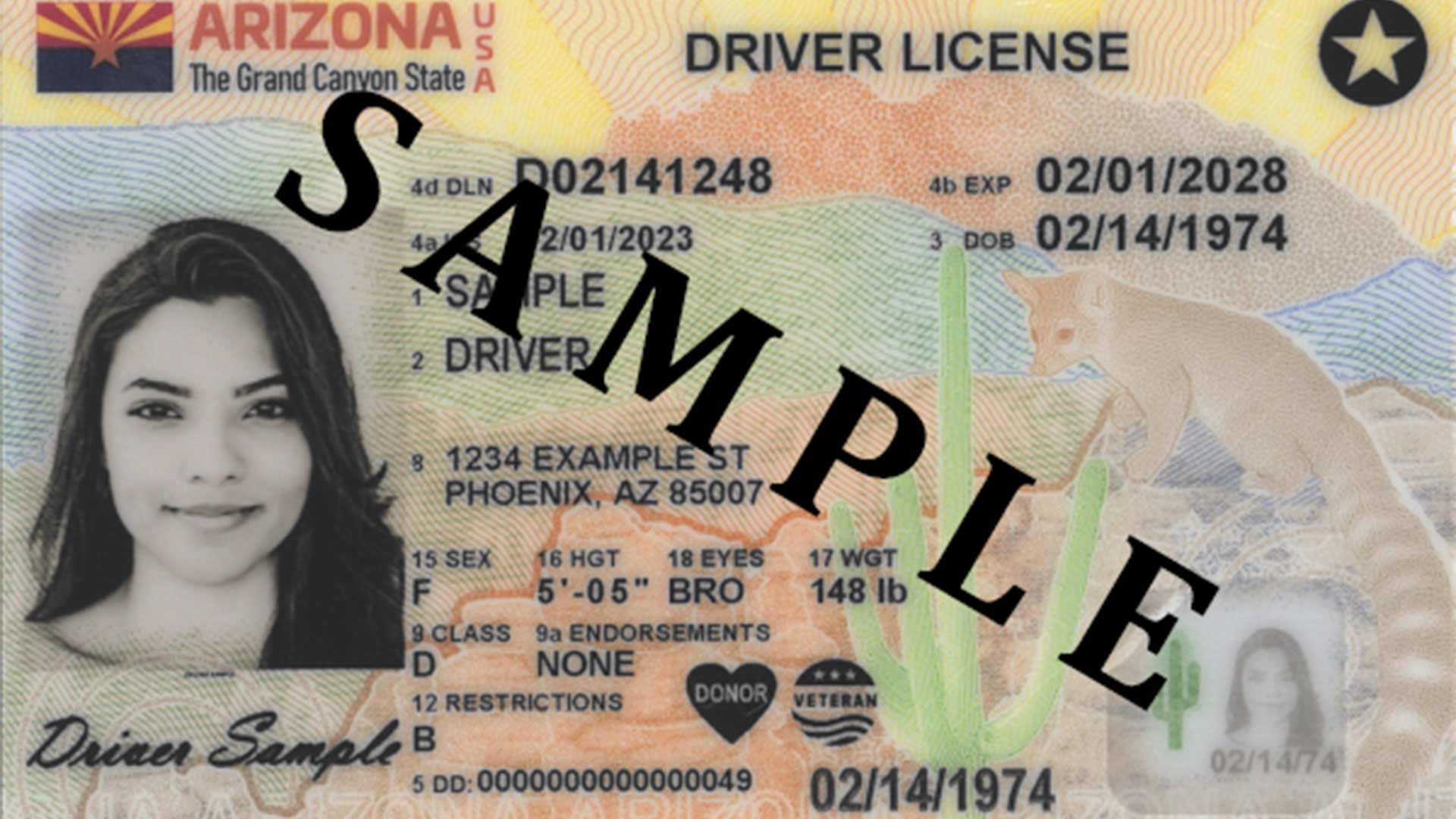
If you plan to travel extensively outside of Arizona for an extended period, or if you are considering relocating to another state, it is crucial to understand how your Arizona license validity interacts with these plans. For long-term travel within the U.S., your valid Arizona license will generally suffice. However, if you establish residency in another state, you will be required to obtain a driver’s license in that new state within a specified timeframe, typically 30 to 90 days. This often involves surrendering your Arizona license. Planning for these transitions in advance will prevent complications and ensure you are always in compliance with local driving laws, whether you are exploring national parks like the Grand Canyon National Park or settling into a new home.
LifeOutOfTheBox is a participant in the Amazon Services LLC Associates Program, an affiliate advertising program designed to provide a means for sites to earn advertising fees by advertising and linking to Amazon.com. Amazon, the Amazon logo, AmazonSupply, and the AmazonSupply logo are trademarks of Amazon.com, Inc. or its affiliates. As an Amazon Associate we earn affiliate commissions from qualifying purchases.