
Embracing a sustainable and financially savvy lifestyle often involves making choices that resonate with long-term value and environmental responsibility. In California, a state synonymous with innovation and eco-consciousness, the question of “How much are solar panels?” is more than a simple inquiry about cost; it’s a gateway to understanding a significant lifestyle enhancement. For residents considering energy independence, reduced utility bills, and contributing to a greener planet, solar power represents a compelling investment in their home and future. This exploration delves into the financial landscape of solar panel installation in California, framing it within the broader context of modern Californian living.
The Californian Drive for Sustainable Living: Why Solar Matters
The decision to go solar in California is often rooted in a blend of environmental conviction and pragmatic financial planning. A lifestyle centered on sustainability increasingly includes generating clean energy at home. California’s abundant sunshine makes it an ideal location for solar adoption, offering residents a tangible way to reduce their carbon footprint while simultaneously gaining control over their energy expenses. This move towards self-sufficiency is a defining characteristic of a forward-thinking Californian lifestyle.
Energy Independence and Financial Prudence
For many, the rising cost of electricity from traditional utility providers like Pacific Gas and Electric Company, Southern California Edison, and San Diego Gas & Electric has become a significant household concern. Investing in solar panels offers a degree of insulation from these volatile rates, providing predictable energy costs for decades. This financial stability is a key component of a secure and comfortable lifestyle, allowing homeowners to allocate their budgets more effectively. The shift from paying a monthly utility bill to owning an asset that generates power aligns perfectly with a lifestyle focused on smart investments and long-term gains.
Enhancing Home Value and Appeal
Beyond the immediate savings, a solar installation demonstrably increases a home’s market value in California. As environmental awareness grows, homes equipped with solar panels are increasingly attractive to buyers, often fetching higher prices and selling faster. This added value makes solar a strategic lifestyle upgrade, contributing not only to daily living but also to long-term asset appreciation. For homeowners in vibrant communities such as Los Angeles, San Francisco, or San Diego, integrating solar technology into their residences becomes a testament to both their commitment to the environment and their astute investment choices.
Unpacking the Investment: What Influences Solar Panel Costs in California?
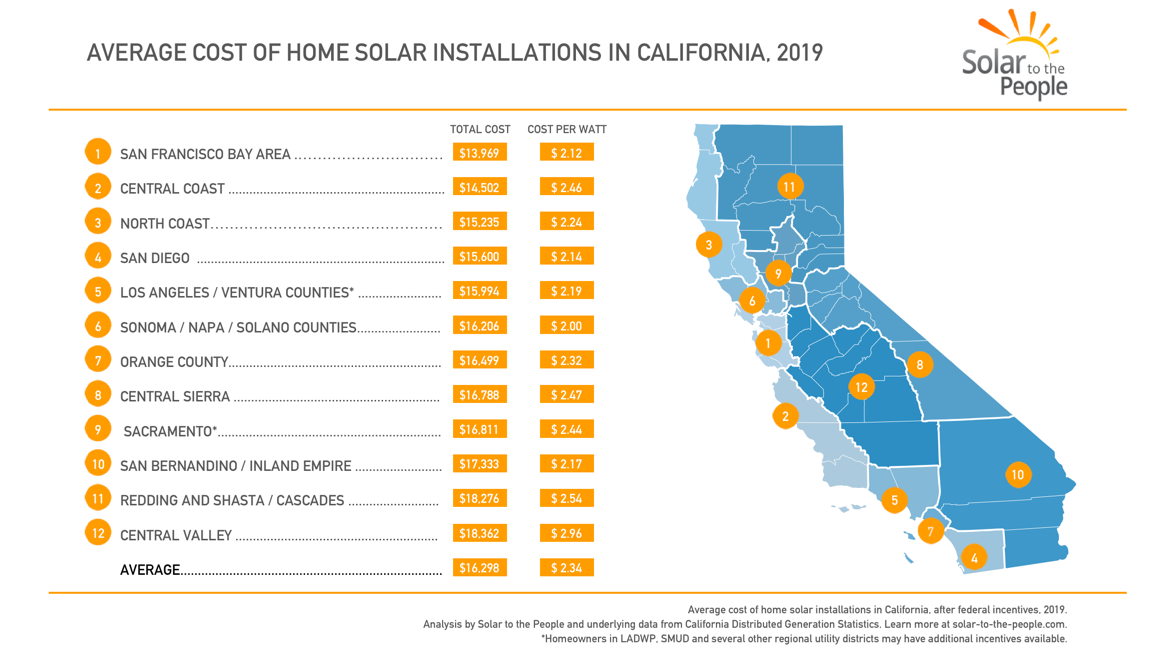
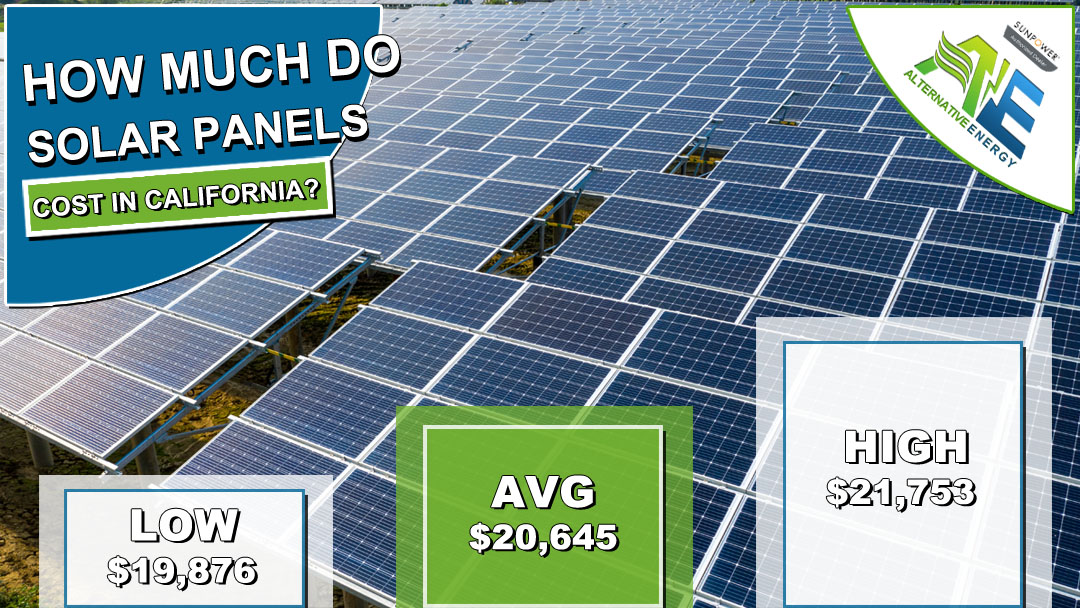
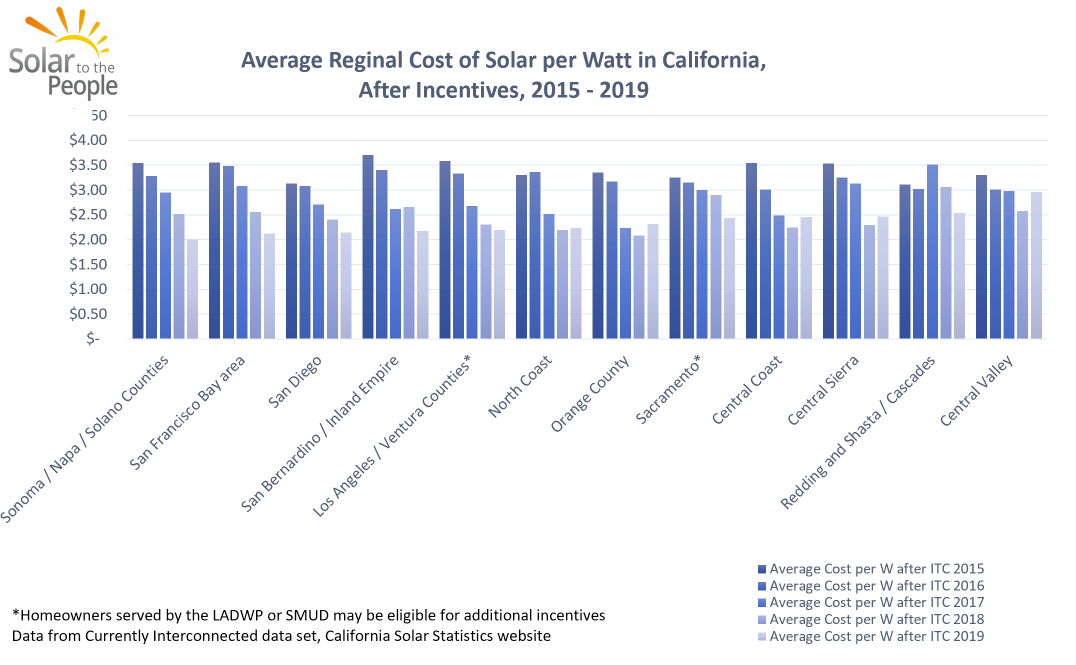
Understanding the “how much” aspect of solar panels in California requires a look at several key factors that influence the overall investment. While national averages provide a baseline, local market dynamics, system specifications, and individual home characteristics play a crucial role in determining the final price tag for a Californian homeowner.
System Size and Panel Technology
The primary determinant of cost is the size of the solar energy system, measured in kilowatts (kW). A larger system, designed to offset a greater percentage of a household’s electricity consumption, will naturally incur a higher upfront cost. Average residential systems in California typically range from 5 kW to 10 kW. The type of solar panels chosen also impacts price; premium panels with higher efficiency ratings or advanced aesthetics may come at a higher cost per watt, but often offer greater energy production in smaller spaces and longer warranties. The choice here reflects a homeowner’s lifestyle priorities: maximum efficiency and minimal roof space, or a more budget-conscious approach.
Installation Complexity and Home Characteristics
Every home is unique, and so is every solar installation. Factors such as roof type (tile, asphalt shingle, flat), roof pitch, shading from trees or nearby structures, and the condition of the electrical panel can all influence labor costs and the overall complexity of the installation. Homes requiring extensive electrical upgrades or intricate racking systems will likely see higher installation fees. Geographic location within California can also play a role, with labor costs varying between metropolitan areas like Sacramento and more rural regions.
Permitting and Soft Costs
Beyond hardware and labor, homeowners also encounter “soft costs.” These include expenses related to permitting, inspections, design, and customer acquisition. While these costs don’t directly relate to the physical panels, they are an unavoidable part of the process and contribute to the total investment. Navigating these requirements is a standard part of the solar installation journey in California.
Maximizing Your Solar Lifestyle: Incentives and Financial Pathways
The good news for Californians considering solar is the array of incentives and financing options available, significantly reducing the net cost and making a sustainable lifestyle more attainable. These programs are designed to accelerate solar adoption and ease the financial burden on homeowners.
Federal Solar Investment Tax Credit (ITC)
The most significant incentive available nationwide is the federal solar Investment Tax Credit (ITC). This credit allows homeowners to deduct a substantial percentage (currently 30% for systems installed through 2032) of the cost of their solar energy system from their federal taxes. This direct reduction in tax liability makes solar an incredibly attractive financial proposition and dramatically lowers the effective price. Understanding this credit is crucial for any Californian planning their solar investment.
California State and Local Incentives
While California no longer offers a statewide rebate program comparable to past initiatives, several vital policies and local programs continue to support solar adoption. Net Energy Metering (NEM) is a critical policy that allows solar homeowners to send excess electricity generated by their panels back to the grid in exchange for credits on their utility bill. While the structure of NEM has evolved (e.g., NEM 3.0), it still provides significant value, especially when paired with battery storage. Additionally, specific municipalities or utility companies may offer localized incentives, rebates, or property tax exemptions for solar installations. Exploring these local opportunities can further enhance the financial viability of a solar-powered lifestyle. The Self-Generation Incentive Program (SGIP), for instance, offers rebates for energy storage systems, which complement solar panels and can further enhance energy independence.
Financing Options
The upfront cost of solar panels can be financed in several ways, making it accessible to a wider range of homeowners.
- Solar Loans: These allow homeowners to own their system from day one, benefiting from all incentives and increasing home value. Loans often come with attractive interest rates and flexible terms.
- Power Purchase Agreements (PPAs) or Solar Leases: These options involve a third party owning and maintaining the solar system on the homeowner’s property. The homeowner pays a fixed monthly rate for the electricity generated (PPA) or a monthly lease payment. While these options typically offer lower upfront costs, homeowners don’t fully own the system and may not capture all the incentives or home value increase.
- Cash Purchase: For those with the capital, an outright cash purchase offers the fastest return on investment and maximum long-term savings, allowing immediate access to all incentives and complete ownership.
The choice of financing method often depends on a homeowner’s personal financial situation and their desired level of investment and return, aligning with their overall lifestyle goals.
Beyond the Price Tag: The Long-Term Lifestyle Benefits of Solar
While the initial cost is a critical consideration, the true value of solar panels in California extends far beyond the monetary investment. The long-term lifestyle benefits fundamentally transform how residents interact with their homes and the environment.
A Greener Footprint and Environmental Stewardship
For many Californians, a core aspect of their lifestyle is environmental responsibility. Adopting solar power is a powerful statement of commitment to sustainability. By generating clean, renewable energy, homeowners significantly reduce their reliance on fossil fuels and lower their household’s carbon emissions. This contribution to a healthier planet is a profound and lasting benefit, offering peace of mind and aligning with a lifestyle that values ecological preservation.
Enhanced Home Resilience and Energy Security
Solar panels, especially when paired with battery storage, offer a level of energy independence that enhances home resilience. During power outages, which can occur due to extreme weather or grid strain, a solar-plus-storage system can provide backup power, keeping essential appliances running. This security and peace of mind are invaluable aspects of a modern Californian lifestyle, ensuring comfort and functionality even when the broader grid faces challenges.
Predictable Energy Costs for Decades
Once a solar system is installed and paid for (or being paid for via a fixed loan), homeowners essentially lock in their electricity costs for the lifespan of the panels, typically 25-30 years or more. This predictability is a huge advantage in a state where utility rates have historically climbed. This long-term financial stability allows for better budgeting and provides a sense of control over a major household expense, contributing to a more stable and less stressful lifestyle.
Making the Switch: A Lifestyle Decision for the Future
The question “How much are solar panels in California?” opens up a broader discussion about intelligent living, financial foresight, and environmental responsibility. While the initial investment can seem substantial, the combination of robust incentives, diverse financing options, and profound long-term benefits positions solar as a smart, sustainable lifestyle choice for Californian homeowners. It’s an investment not just in technology, but in a future characterized by energy independence, reduced environmental impact, and enhanced home value. For those aspiring to a modern, responsible, and economically sensible lifestyle in the Golden State, solar panels are an increasingly essential consideration.
LifeOutOfTheBox is a participant in the Amazon Services LLC Associates Program, an affiliate advertising program designed to provide a means for sites to earn advertising fees by advertising and linking to Amazon.com. Amazon, the Amazon logo, AmazonSupply, and the AmazonSupply logo are trademarks of Amazon.com, Inc. or its affiliates. As an Amazon Associate we earn affiliate commissions from qualifying purchases.