
While planning your next adventure to the Grand Canyon State, understanding the nuances of its tax structure might seem like a less glamorous topic. However, for many travelers, especially those considering longer stays, extended vacations, or even relocating for a season, knowing about Arizona state income tax can be a crucial piece of information. This guide aims to demystify Arizona’s income tax landscape, focusing on its implications for tourists and temporary residents, and how it might influence your travel budget and experience within this sun-drenched destination.
Arizona’s Income Tax: A General Overview
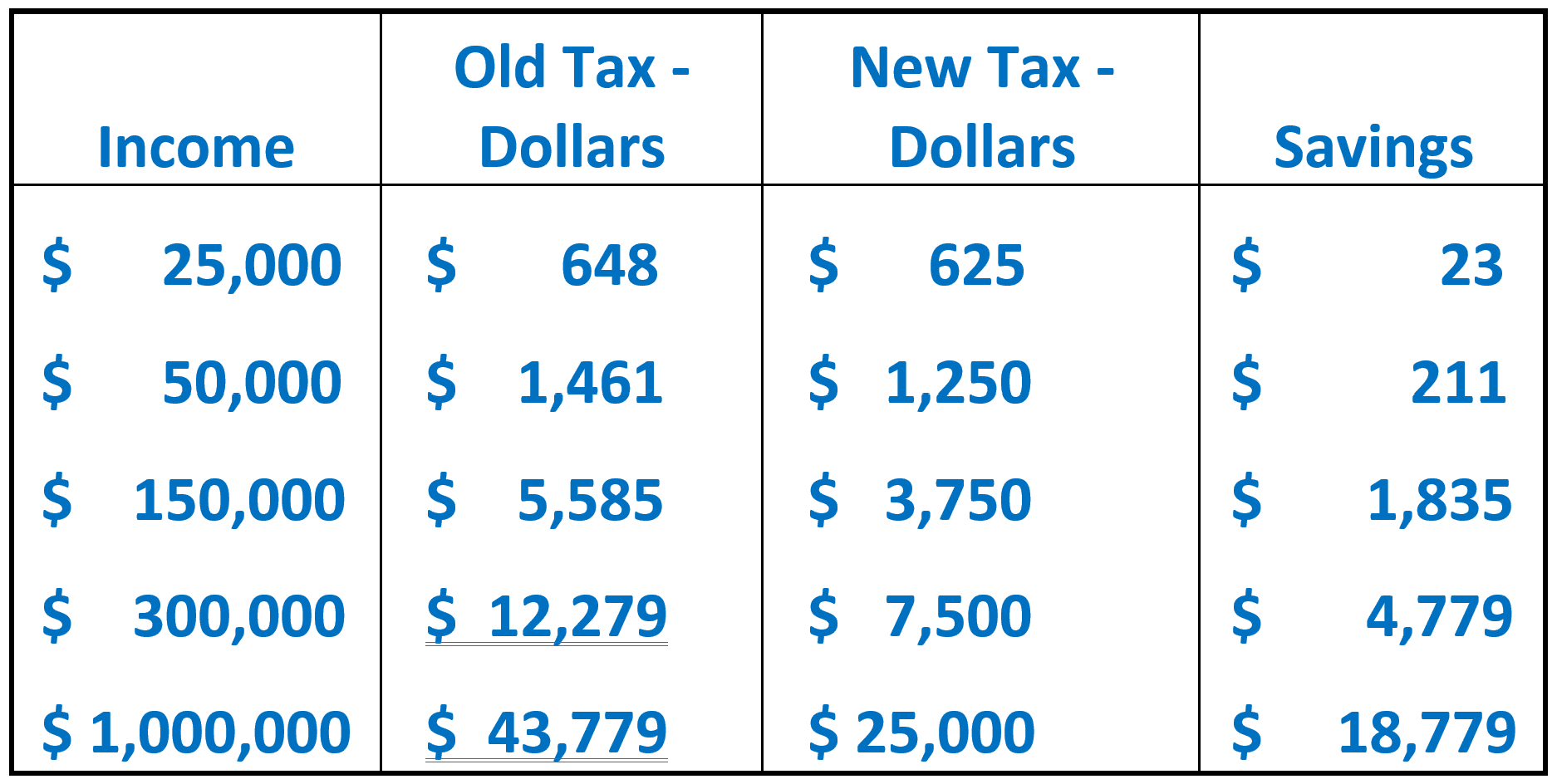
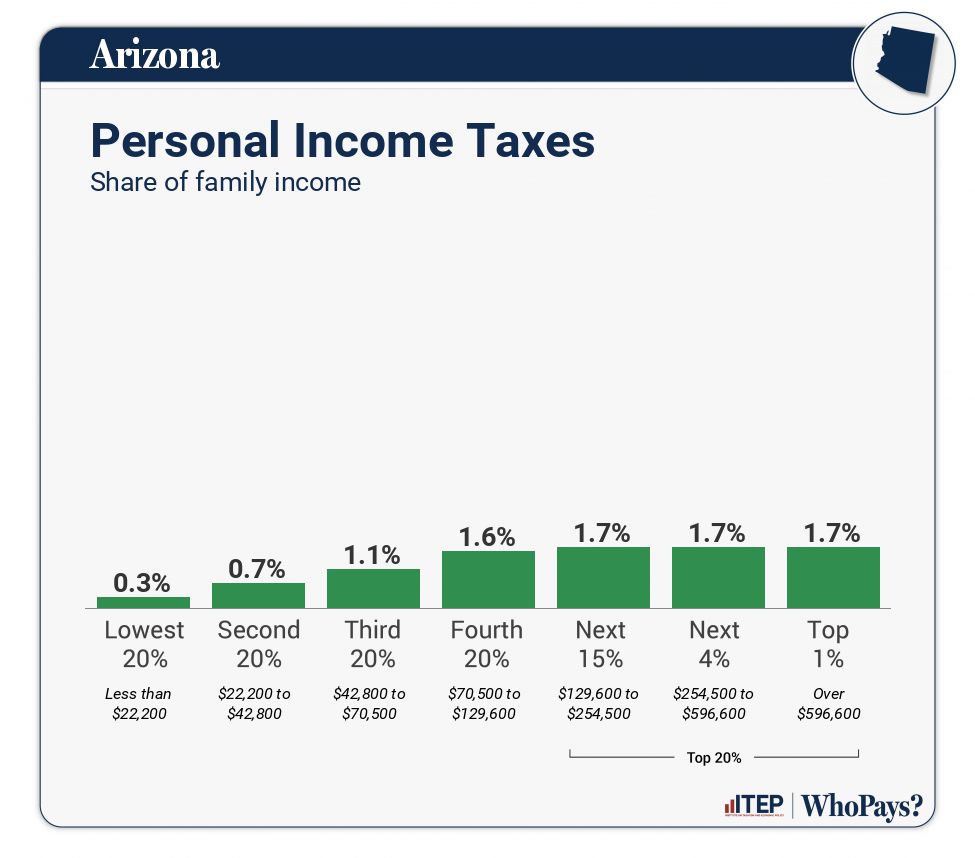
Arizona operates under a progressive income tax system, meaning that as your income increases, the tax rate also increases. However, it’s important to note that the state has also been moving towards a simpler, flatter tax structure. Historically, this progressivity has been a significant factor for residents, but for visitors and those on shorter stays, its direct impact may be minimal unless you are earning income while within the state.
Understanding Taxable Income
For tax purposes, taxable income generally includes wages, salaries, tips, interest, dividends, and capital gains. If you are visiting Arizona for leisure and are not earning income from sources within the state, you will not typically owe Arizona state income tax on your earnings from your home state or country. The key factor is the source of the income. If your income is generated by services performed or assets located outside of Arizona, your Arizona tax liability on that income is usually zero.
Residency vs. Non-Residency
The distinction between being a resident and a non-resident is paramount when it comes to Arizona income tax.
- Residents: Individuals who establish domicile in Arizona are considered residents for tax purposes. This typically involves spending more than 183 days in the state, owning or leasing a home, having a driver’s license, registering to vote, or maintaining significant business interests in Arizona. Residents are taxed on their worldwide income.
- Non-Residents: Visitors, tourists, and temporary workers who do not meet the residency requirements are considered non-residents. Non-residents are generally only taxed on income that is sourced within Arizona. For most tourists staying in hotels like the Arizona Biltmore, A Waldorf Astoria Resort or exploring the Grand Canyon National Park, this means no state income tax liability will arise from their travel activities.
Recent Tax Law Changes in Arizona
Arizona has enacted significant tax reform in recent years, moving towards a flat tax system. This shift aims to simplify tax filing and potentially lower rates for many. While the full implementation is phased in over several years, it’s a trend to be aware of if your travel plans involve extended stays or income generation within the state. The goal of these reforms is to make Arizona more competitive economically, which can indirectly benefit tourism by fostering a more robust local economy.
Tax Implications for Different Traveler Scenarios
Understanding how your specific travel situation might intersect with Arizona income tax is key.
Short-Term Tourists and Vacationers
For the vast majority of travelers visiting Arizona for a holiday – perhaps to witness the stunning saguaros in Saguaro National Park, explore the vibrant city of Phoenix, or enjoy the cooler climes of Flagstaff – there are typically no direct income tax implications. Your expenditures on hotels, dining at local eateries, and activities at attractions such as the Heard Museum are subject to sales tax, but not income tax.
Remote Workers and Digital Nomads
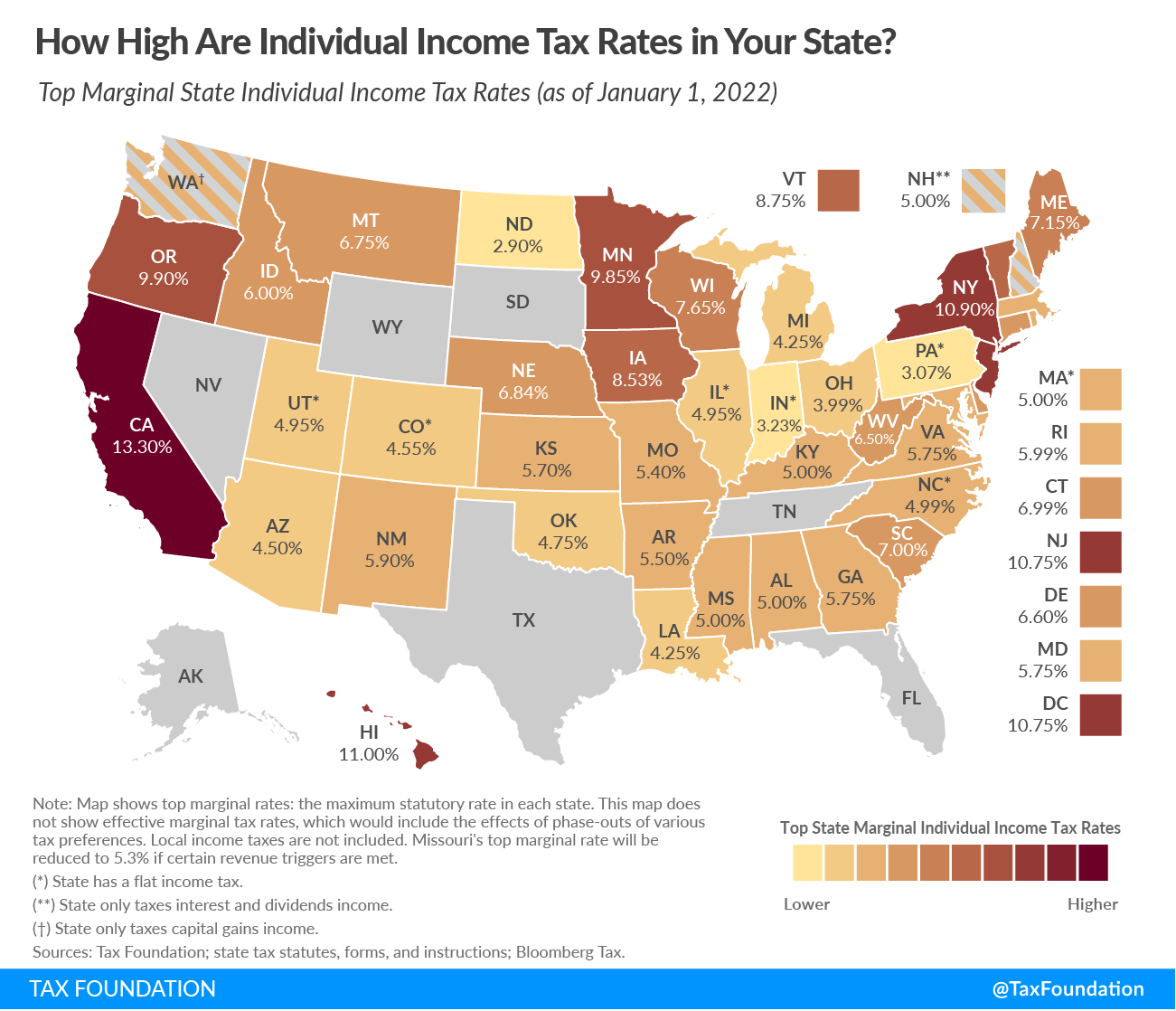
The rise of remote work presents a more complex scenario. If you are working remotely while enjoying an extended stay in Arizona, the state’s tax laws regarding income sourcing become relevant. Generally, if you are performing your work duties while physically present in Arizona, the income earned during that period is considered Arizona-sourced income and is therefore taxable by the state.
- Determining Residency: If your stay extends beyond a brief vacation and you begin to establish ties to the state (e.g., renting a long-term apartment, obtaining an Arizona driver’s license), you may be considered a resident, triggering taxation on all your income.
- Tax Treaties and Agreements: Some states have reciprocity agreements that prevent double taxation for residents of other states. However, these primarily apply to income earned by residents of those other states who may also have some minimal contact with Arizona. For digital nomads spending significant time in Arizona but maintaining primary residency elsewhere, careful attention to the state’s definition of residency and income sourcing is advised. Consulting with a tax professional familiar with both your home state’s and Arizona’s tax laws is highly recommended in such cases.
Snowbirds and Seasonal Residents
Arizona is a popular destination for “snowbirds” – individuals who spend the winter months in the state to escape colder climates in other parts of the country. For those who spend six months or less in Arizona and maintain primary residency in another state, they are typically considered non-residents for tax purposes. This means they will only be subject to Arizona income tax on any income sourced within the state during their stay. Common snowbird destinations include cities like Scottsdale and Tucson.
- Avoiding Residency: To avoid inadvertently becoming an Arizona resident, snowbirds should be mindful of actions that indicate a permanent connection to the state, such as registering vehicles or voting in Arizona, or establishing business ties. Maintaining a domicile in their home state is crucial.
Business Travelers and Those Earning Income in Arizona
If your travel to Arizona is for business purposes, such as attending conferences in Tempe or meeting clients, and you earn income related to activities performed within the state, that income will likely be subject to Arizona income tax. This is true regardless of whether you are an Arizona resident or not.
Navigating Sales Tax and Other Levies
While income tax may not be a concern for many visitors, it is important to be aware of other taxes that directly impact your travel expenses.
State and Local Sales Tax
Arizona imposes a state sales tax, which is supplemented by local transaction privilege taxes (TPT) imposed by cities and counties. The combined rate can vary significantly depending on the specific location within the state. For example, the sales tax in Phoenix will differ from that in Sedona. These taxes apply to goods and services, including hotel stays, restaurant meals, souvenirs, and recreational activities. Budgeting for these sales taxes is essential for any traveler.
Property Taxes
For those considering purchasing property or engaging in longer-term stays that might approach residency thresholds, property taxes are an important consideration. These are levied by counties and municipalities and are based on the assessed value of real estate. However, for short-term visitors or those renting hotel rooms or vacation apartments, property taxes are not a direct concern.
Key Takeaways for Travelers
When planning a trip to Arizona, focus on the following regarding income tax:
- Source of Income is Key: If your income is earned outside of Arizona and you are visiting for leisure, you likely owe no Arizona state income tax.
- Residency Matters: If you spend extended periods in Arizona and establish ties, you may be considered a resident and subject to tax on worldwide income. Be mindful of the state’s definition of residency.
- Remote Work Nuances: If you are working remotely while in Arizona, the income earned during your stay is likely taxable by the state.
- Budget for Sales Tax: While income tax might be a non-issue, always factor in state and local sales taxes for all your purchases and services.
By understanding these points, you can better plan your finances and enjoy all that the beautiful state of Arizona has to offer, from the red rocks of Sedona to the urban allure of Phoenix, without any unexpected tax surprises.
LifeOutOfTheBox is a participant in the Amazon Services LLC Associates Program, an affiliate advertising program designed to provide a means for sites to earn advertising fees by advertising and linking to Amazon.com. Amazon, the Amazon logo, AmazonSupply, and the AmazonSupply logo are trademarks of Amazon.com, Inc. or its affiliates. As an Amazon Associate we earn affiliate commissions from qualifying purchases.