
Becoming a resident of California is more than a mere change of address; it’s a significant lifestyle transformation, inviting you into the vibrant tapestry of the Golden State. It signifies a commitment to embracing a new community, adapting to its rhythms, and integrating into its diverse social and economic fabric. This journey involves understanding both the legal definitions of residency and the practical steps to truly embed yourself within California life, influencing everything from your daily commute to your long-term financial planning and community engagement.
Embracing the California Lifestyle: The Residency Mindset
Establishing residency in California fundamentally shifts your lifestyle. It means aligning yourself with the state’s unique culture, its innovative spirit, and its commitment to environmental stewardship and quality of life. This isn’t just about legal paperwork; it’s about a holistic adoption of a new way of living, impacting your daily routines, leisure activities, and professional endeavors. The mindset for becoming a California resident is one of intention and integration, moving beyond temporary visitor status to a committed member of the community.
Shifting Your Domicile: More Than Just an Address
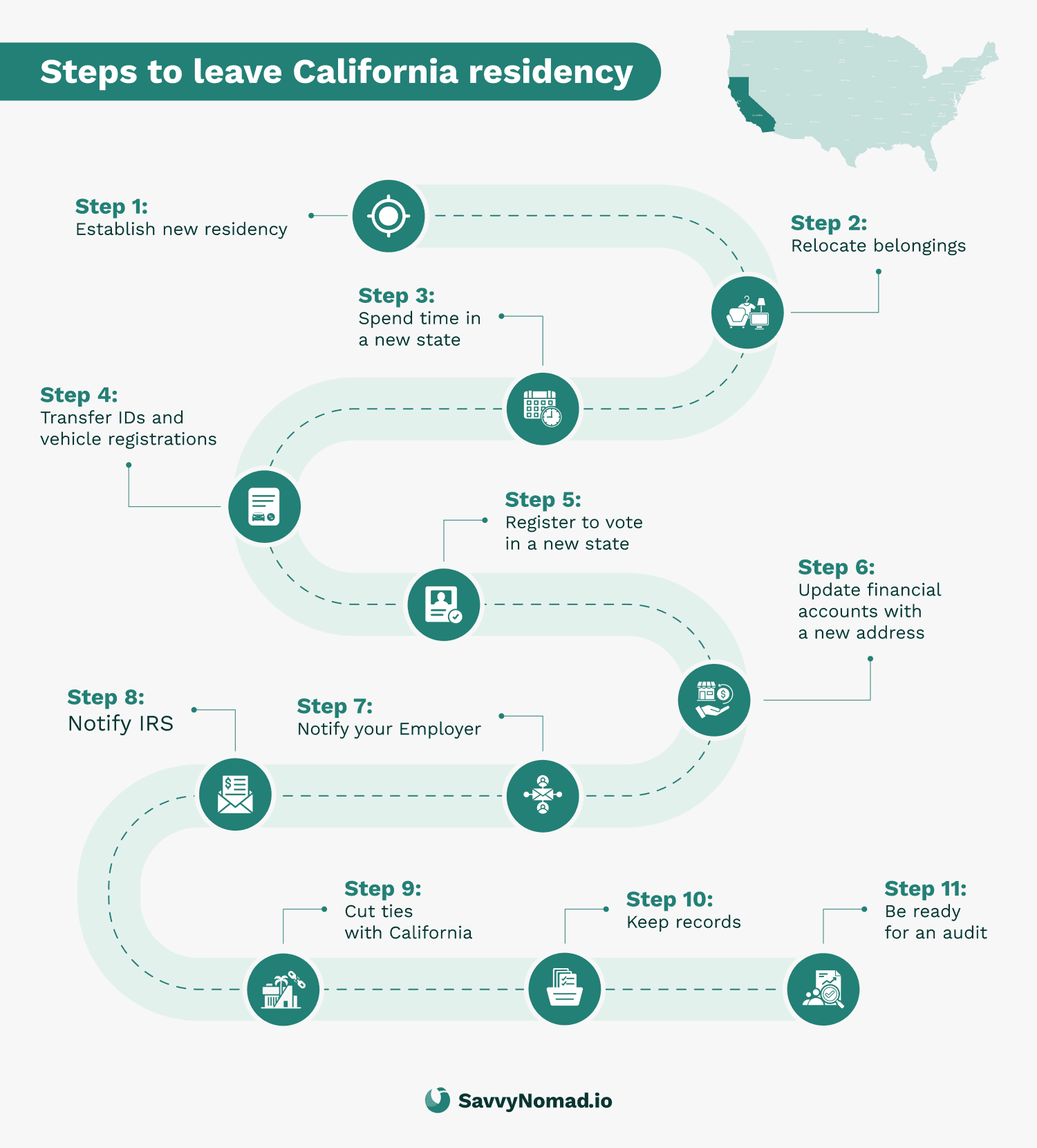
The cornerstone of California residency is establishing domicile. Domicile refers to the place where you intend to live permanently, and it’s a critical legal concept that distinguishes a resident from a temporary visitor. It’s not just where you sleep, but where you consider your true home to be. To prove this intent, you’ll need to demonstrate concrete actions that sever ties with your previous state of residence and firmly establish new ones in California. This typically involves:
- Physical Presence: Spending the majority of your time in California. While there isn’t a hard-and-fast rule, generally, spending more than nine months out of the year within the state is a strong indicator.
- Intent to Remain: This is often the trickiest part to prove and is assessed by a preponderance of evidence. Actions speak louder than words. Changing your driver’s license, registering to vote, enrolling children in local schools, and securing long-term employment are all strong indicators of intent.
- Severing Ties Elsewhere: This involves disassociating from your previous state, such as changing your mailing address, closing out-of-state bank accounts, and updating subscriptions.
The process of establishing domicile directly impacts your daily lifestyle. For instance, obtaining a California driver’s license (DMV) is not just a legal requirement but a practical step for navigating the state’s extensive road networks, especially in metropolitan areas like Los Angeles or San Francisco. Similarly, registering to vote immediately places you within the civic life of your new community, offering a voice in local and state matters that directly influence your quality of life.
Financial Freedom and Tax Implications
A significant aspect of the California lifestyle for residents concerns its unique tax structure. California has a progressive income tax system, often among the highest in the nation for top earners. Understanding these implications is crucial for managing your personal finances and lifestyle expectations. As a resident, your worldwide income may be subject to California state income tax, regardless of where it was earned.
Furthermore, property taxes vary by county and can be a substantial part of your living expenses, especially in highly sought-after areas. Sales tax is also a factor in everyday purchases. Becoming a resident means you are now financially integrated into the state’s economy, which impacts budgeting, investment decisions, and overall financial planning. For businesses or individuals considering a move, careful financial planning and consultation with a tax professional specializing in California law are essential steps to ensure a smooth transition and sustainable lifestyle.
Laying Down Roots: Practical Steps for a New Life
Beyond the abstract concept of domicile, several practical steps solidify your status and help you truly settle into the California lifestyle. These actions are not just formalities; they are critical components of building a new life and accessing the full range of state benefits and services available to residents.
Securing Your California Home
Finding a long-term residence is perhaps the most tangible step in becoming a California resident. Whether you choose to rent an apartment in San Diego, buy a home in Sacramento, or settle in a quieter community, your housing choice greatly defines your daily life. A signed lease agreement or a property deed is strong evidence of your intent to remain. Utility bills in your name further demonstrate your establishment at a fixed address. The type of housing you choose will influence your commute, access to amenities, and integration into a specific neighborhood’s lifestyle. For instance, living in a bustling urban center offers a different lifestyle than a suburban home or a rural retreat.

Establishing Local Connections: DMV and Voter Registration
These two administrative tasks are paramount in establishing your presence and connection to the state:
- California Driver’s License or ID Card: Within 10 days of establishing residency, you are generally required to apply for a California driver’s license or identification card if you plan to operate a vehicle. This is processed through the California Department of Motor Vehicles (DMV). Your driver’s license often serves as a primary form of identification for countless daily activities and is a key indicator of residency.
- Voter Registration: Registering to vote in California is a powerful way to demonstrate your intent to integrate into the state’s civic life. It connects you directly to local politics and community decision-making, affecting everything from school district funding to local zoning laws, all of which shape your immediate living environment and lifestyle.
Other crucial steps include registering your vehicles in California, updating your bank accounts to California addresses, and changing your mailing address with the post office. These small but significant actions contribute to the overall picture of your established residency.
Integrating into the Golden State Community
Beyond legal and logistical requirements, true California residency is about integration into the community. This involves engaging with local institutions, participating in social life, and making the state’s resources part of your everyday existence.
Education and Healthcare: Essential Lifestyle Pillars
For families, enrolling children in California schools is a powerful indicator of residency intent. The state offers a vast public education system, from kindergarten through university, and residency status often affects tuition rates for higher education. For adults pursuing further education, establishing California residency can significantly reduce tuition costs at public universities and colleges, making a more affordable path to career advancement and personal development, thus shaping their long-term lifestyle.
Accessing healthcare providers and enrolling in California’s healthcare system (e.g., through Covered California or employer-sponsored plans) is another critical aspect of integrating your lifestyle. This ensures you have consistent access to medical care and allows you to establish a relationship with local doctors and hospitals, contributing to your overall well-being and stability in your new home.
Professional and Social Integration
Establishing a professional life in California often involves securing employment within the state. For many, this is the primary driver for relocation and a key component of their daily lifestyle. A California employer, a California-based business license, or professional licensing within the state further reinforces your residency and commitment to the local economy.
Social integration is equally important for a fulfilling California lifestyle. Joining local clubs, participating in community events, volunteering, or simply engaging with your neighbors all contribute to building a sense of belonging. California offers an unparalleled array of lifestyle opportunities, from hiking in its national parks to exploring its vibrant culinary scenes in cities like San Francisco, or enjoying the beaches of San Diego. Embracing these activities and forging new connections is what truly defines the resident experience.

Sustaining Your California Residency
Once established, maintaining your California residency involves continuous commitment. This means continuing to file California state income tax returns, renewing your California driver’s license, and ensuring all your official documents reflect your California address. Sporadic trips to your former state of residence are normal, but the overwhelming evidence must point to California as your primary home and center of life.
The decision to become a California resident is a pivotal lifestyle choice, offering access to its unparalleled natural beauty, diverse cultures, and economic opportunities. By consciously taking the necessary legal and practical steps, and by actively integrating into the local community, you can fully embrace and enjoy the unique and dynamic lifestyle the Golden State has to offer.
LifeOutOfTheBox is a participant in the Amazon Services LLC Associates Program, an affiliate advertising program designed to provide a means for sites to earn advertising fees by advertising and linking to Amazon.com. Amazon, the Amazon logo, AmazonSupply, and the AmazonSupply logo are trademarks of Amazon.com, Inc. or its affiliates. As an Amazon Associate we earn affiliate commissions from qualifying purchases.