
Understanding the intricacies of sales tax is crucial for any traveler planning a trip to Arizona or a visitor already immersed in its vibrant culture and stunning landscapes. While the allure of the Grand Canyon, the urban sophistication of Phoenix, or the artistic charm of Tucson might dominate your itinerary, being informed about local taxes can prevent unexpected budget strains and ensure a smoother travel experience. This guide delves into the specifics of Arizona’s sales tax, offering clarity for tourists and residents alike.
Understanding Arizona’s Sales Tax Structure
Arizona operates under a unique tax system that can be a bit complex for newcomers. Unlike many states where a single statewide sales tax rate applies uniformly, Arizona’s structure involves a combination of state, county, and local (city and/or special district) taxes. This multi-layered approach means that the total sales tax you encounter can vary significantly depending on where you are within the state.
The State Transaction Privilege Tax (TPT)
The primary tax levied in Arizona is the Transaction Privilege Tax (TPT), often referred to colloquially as sales tax. This tax is actually a privilege tax imposed on the seller for the privilege of doing business in the state. However, from a consumer’s perspective, it functions much like a sales tax, as it is typically passed on to the buyer at the point of sale.
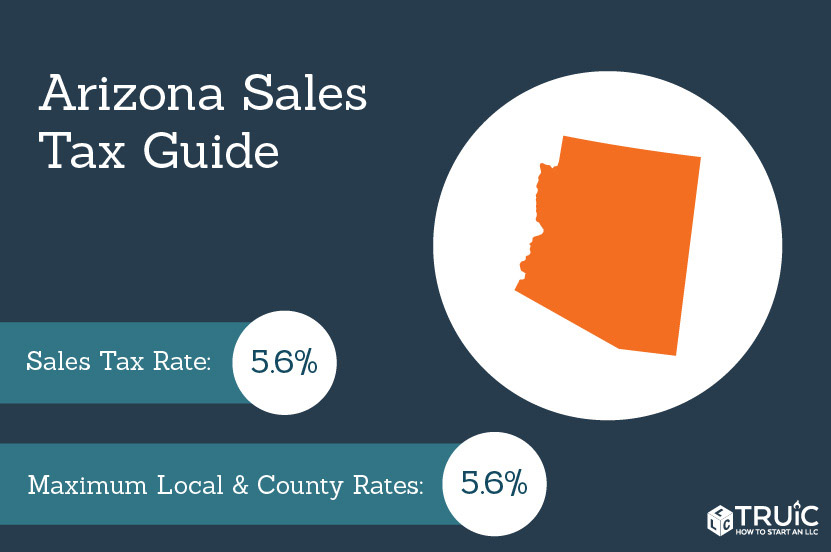
The state TPT rate is currently a flat 5.6%. This rate applies to a broad range of goods and services sold within Arizona. It’s important to note that this state rate is just one component of the total tax burden.
County and Local Taxes: The Variable Factor
This is where the complexity truly emerges. In addition to the state TPT, counties and cities in Arizona are empowered to levy their own TPT. These local taxes are added on top of the state rate, creating a blended rate that can differ substantially from one municipality to another.
- County TPT: Most counties in Arizona impose a county TPT. The rates vary by county, and these are generally lower than city rates. For instance, a county might have a TPT of 0.5% or 0.75%.
- City TPT: Cities are where the most significant variations occur. Each city can set its own TPT rate, which is applied within its corporate limits. Some larger cities might have substantial city TPT rates, while smaller towns may have none or very low rates. These rates are often established to fund local services, infrastructure projects, and public safety initiatives.
- Special Districts: In some areas, special districts (such as for public transportation or flood control) may also levy their own TPT. These are less common but can contribute to the overall tax percentage.
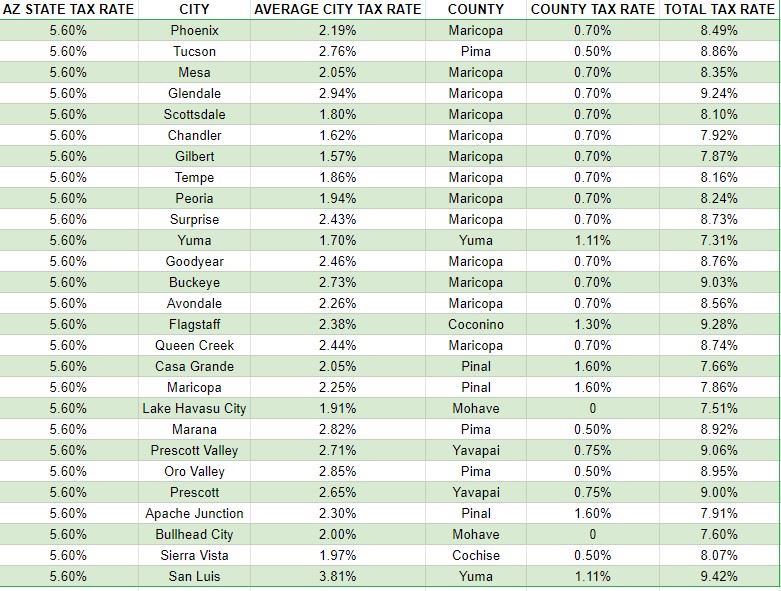
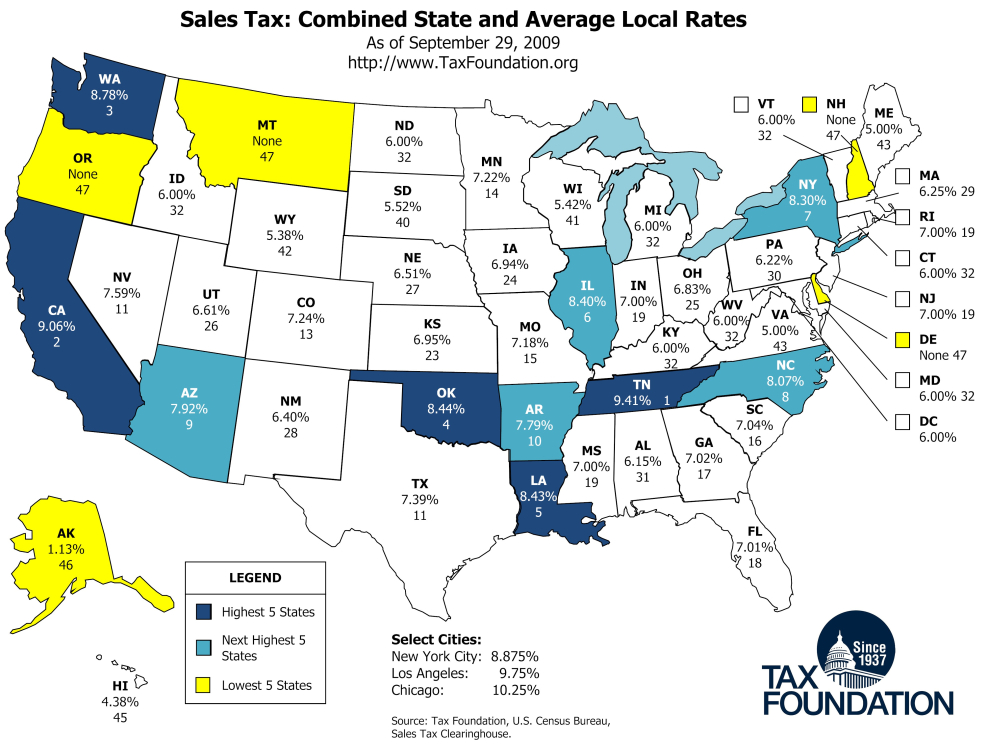
The combination of these state, county, and city taxes results in effective TPT rates that can range from around 6% in some rural areas to over 10% in certain metropolitan centers.
What is Taxed in Arizona?
The Arizona TPT applies to a wide array of tangible personal property (goods) and a variety of services. Generally, most retail sales of tangible personal property are subject to TPT. This includes everyday items purchased in shops, restaurants, and online retailers shipping to Arizona.
Key categories of taxable items and services include:
- Tangible Personal Property: This covers virtually all physical goods, from clothing and electronics to groceries (though some specific food items may have exemptions) and souvenirs.
- Restaurants and Bars: Food and beverages sold by restaurants, bars, and caterers are typically taxed.
- Lodging: Hotel rooms, motel stays, and other short-term lodging rentals are subject to TPT. This is a critical point for travelers.
- Utilities: Electricity, gas, water, and other utility services are generally taxed.
- Communications Services: Telephone and internet services are usually subject to TPT.
- Construction Services: While complex, services related to construction and improvements to real property are often taxed.
- Various Services: Many other services, such as repair services, dry cleaning, and amusement and recreational services, are also taxed.
It’s important to note that Arizona does have specific exemptions and deductions for certain types of sales and services. For example, certain agricultural products, manufacturing inputs, and sales to qualifying non-profit organizations might be exempt. For travelers, understanding exemptions is less critical for general purchases but can be relevant for larger investments or specific business-related transactions.
Navigating Sales Tax for Tourists
For visitors to Arizona, understanding the TPT primarily impacts your spending on accommodations, dining, retail purchases, and activities.
Accommodation Taxes
When booking a hotel, resort, or vacation rental in Arizona, the total price will include state TPT, county TPT, and city TPT. The combined rate can significantly influence the final cost of your stay.
- Example: If you stay in a hotel in Phoenix where the combined TPT rate is, say, 9.3%, a $200 per night room would incur an additional $18.60 in taxes, bringing the total to $218.60. Compare this to a stay in a smaller town with a lower combined rate, and the savings can be noticeable, especially for extended stays.
- Research is Key: Before booking, it’s wise to check the estimated TPT for your intended destination. Most reputable booking sites will provide an estimated tax breakdown, but understanding the underlying rates will help you compare prices more effectively.
Retail Purchases and Dining
The TPT on retail goods and restaurant meals will also vary by location. When you shop at the Tanger Outlets in Glendale or enjoy a meal in downtown Scottsdale, the tax rate applied will be specific to that jurisdiction.
- Souvenirs: The cost of souvenirs purchased in tourist hotspots near attractions like the Grand Canyon National Park will include the local TPT. While the difference per item might be small, it adds up across multiple purchases.
- Dining Out: A meal at a restaurant in Sedona will have a different TPT applied than a meal in Flagstaff, even though both are popular tourist destinations.
Activities and Entertainment
Tickets to attractions, tours, and entertainment venues are also subject to TPT. Whether you’re visiting the Desert Botanical Garden in Phoenix, taking a jeep tour in the Sonoran Desert, or attending a performance at the Orpheum Theatre, factor in the local TPT when budgeting for these experiences.
Finding Specific Tax Rates
Given the variability, how can a traveler determine the exact sales tax rate for a particular location? The most reliable sources are official government websites.
The Arizona Department of Revenue (ADOR)
The Arizona Department of Revenue (ADOR) is the primary authority on TPT in the state. They provide resources and information that can help taxpayers and consumers understand the rates.
- ADOR Website: The ADOR website offers searchable databases and rate tables that allow you to look up the TPT rate for specific cities and counties. This is the most authoritative source for current rates.
- TPT Rate Lookup Tools: Many municipalities also offer TPT rate lookup tools on their official city websites, particularly for businesses operating within their jurisdiction.
Estimating Tax Rates by Major Cities
To give a general idea, here are approximate TPT rate ranges for some of Arizona’s major tourist destinations. These are estimates, and actual rates can fluctuate due to special districts or recent legislative changes.
- Phoenix Metropolitan Area: Generally ranges from 8.6% to 9.3%. This includes cities like Phoenix, Scottsdale, Tempe, and Mesa.
- Tucson Area: Typically around 8.7% to 9.1%.
- Flagstaff: Often in the range of 9.0% to 9.4%.
- Sedona: Can be around 8.1% to 8.5%.
- Grand Canyon South Rim Area (Tusayan): Usually around 7.0% to 7.7%.
- Smaller Towns: Rates can vary widely, from around 6.0% to over 9.0%.
It is always best to verify the exact rate with the business you are patronizing or by checking the official Arizona Department of Revenue website for the specific location.
Tips for Budget-Conscious Travelers
While the TPT is a fixed part of any transaction, there are ways to manage your budget effectively.
Consider Your Destinations
If you are planning a trip where accommodation costs are a significant portion of your budget, looking at cities or towns with lower TPT rates can offer savings. Even a percentage point difference can add up over a week-long stay.
Shop Smart for Souvenirs
While you’ll want mementos from your trip, consider where you purchase them. Prices might be slightly higher in prime tourist locations, and the TPT will reflect those higher base prices. Sometimes, venturing a few blocks away from the most crowded tourist strips can offer slightly better value.
Look for Promotions and Packages
Many hotels and tour operators offer packages that may bundle services or offer discounts. While these discounts don’t reduce the TPT percentage itself, they lower the base price on which the tax is calculated, thus reducing the total tax amount paid.
Understand What is Being Taxed
If you are purchasing a combination of goods and services, be aware of which items might have different tax treatments. For instance, some services might be taxed at a lower rate than tangible goods in certain jurisdictions, though this is less common for general consumer purchases.
By understanding the state, county, and city components of Arizona’s Transaction Privilege Tax, travelers can better budget their expenses, compare prices, and navigate their purchases with confidence, ensuring a more enjoyable and financially sound visit to the Grand Canyon State.
LifeOutOfTheBox is a participant in the Amazon Services LLC Associates Program, an affiliate advertising program designed to provide a means for sites to earn advertising fees by advertising and linking to Amazon.com. Amazon, the Amazon logo, AmazonSupply, and the AmazonSupply logo are trademarks of Amazon.com, Inc. or its affiliates. As an Amazon Associate we earn affiliate commissions from qualifying purchases.