
Understanding the tax landscape in Arizona is crucial for both residents and visitors looking to plan their finances, whether for daily living, business ventures, or extended stays. While Arizona is celebrated for its stunning natural beauty, vibrant culture, and diverse economic opportunities, its tax structure plays a significant role in its overall appeal and affordability. This guide delves into the various taxes you can expect to encounter in the Grand Canyon State, from sales and income taxes to property and tourism-related levies, providing insights that can help you navigate your financial obligations and opportunities within this dynamic region.
Income Tax in Arizona
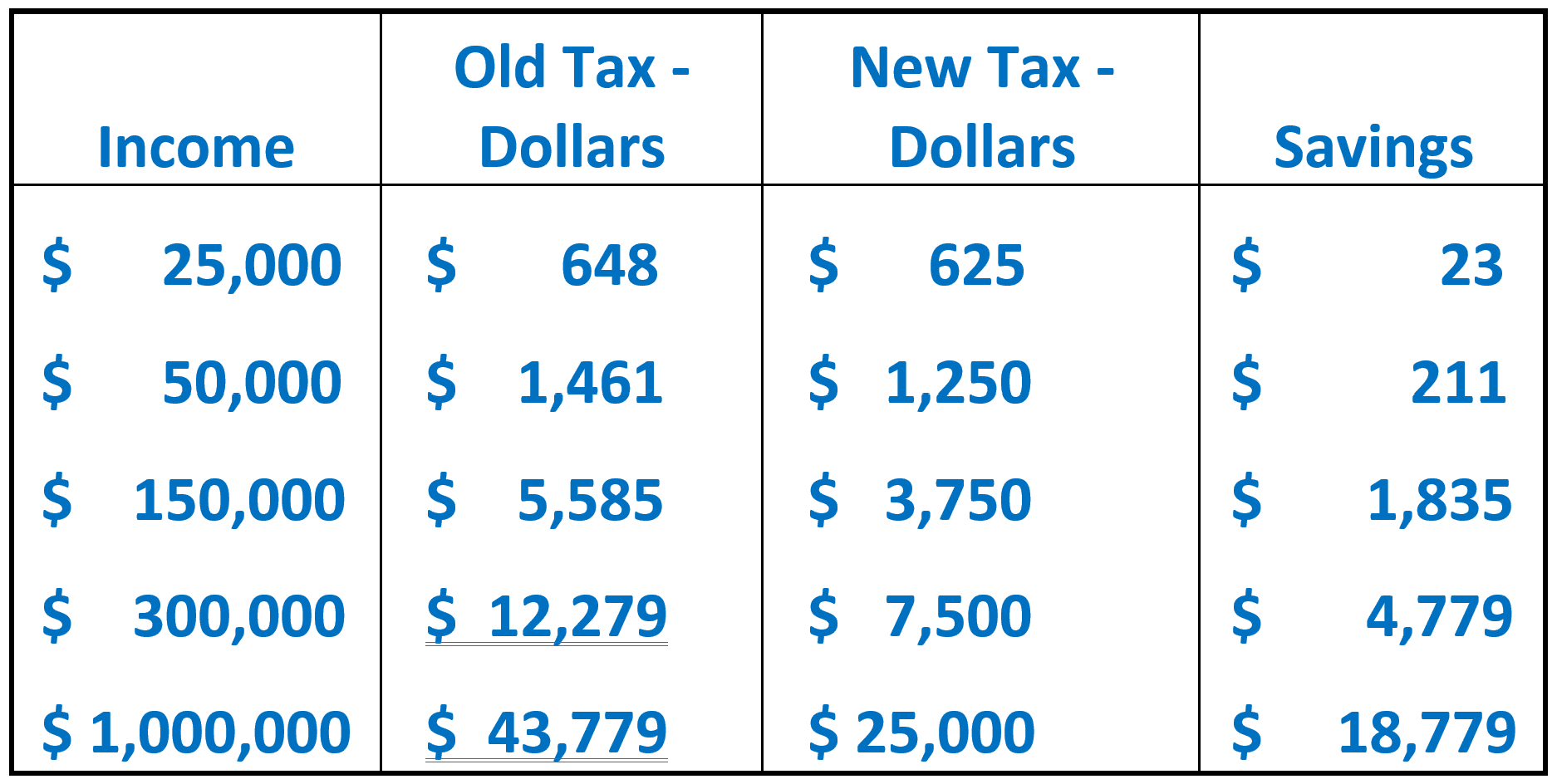
Arizona operates a progressive income tax system, meaning that tax rates increase as income rises. However, it’s important to note that the state has been undergoing significant tax reform, moving towards a flatter tax structure. As of recent legislative changes, the state has adopted a flat tax rate system.
The Shift to a Flat Tax
Historically, Arizona had a tiered income tax system. However, through a series of tax reforms, notably the passage of Proposition 128 in 2022, the state has transitioned to a single, flat tax rate. This change aims to simplify the tax code and provide greater predictability for taxpayers.
The flat tax rate applies to all taxable income, regardless of the amount earned. This means that individuals and businesses in Arizona now face a uniform percentage on their income, which can be a significant simplification compared to the previous multi-bracket system. The specific rate is subject to adjustments based on revenue triggers, but the intent is to provide a consistent and lower overall tax burden.
Filing Requirements and Deductions
Like most states, Arizona requires individuals to file an annual income tax return if their income meets certain thresholds. These thresholds are typically based on filing status (single, married filing jointly, etc.) and adjusted gross income.
Taxpayers can also take advantage of various deductions and credits available under Arizona tax law. These can include deductions for dependents, certain business expenses, and contributions to retirement accounts. Understanding these provisions is key to minimizing your tax liability legally. The Arizona Department of Revenue provides detailed information on filing requirements, deadlines, and available deductions on its official website.
Sales and Transaction Privilege Tax (TPT)
In Arizona, what is commonly known as sales tax is referred to as Transaction Privilege Tax (TPT). This tax is levied on the privilege of conducting business in the state and is paid by the seller to the state. While the seller is responsible for remitting the tax, the burden is ultimately passed on to the consumer.
State and Local TPT Rates
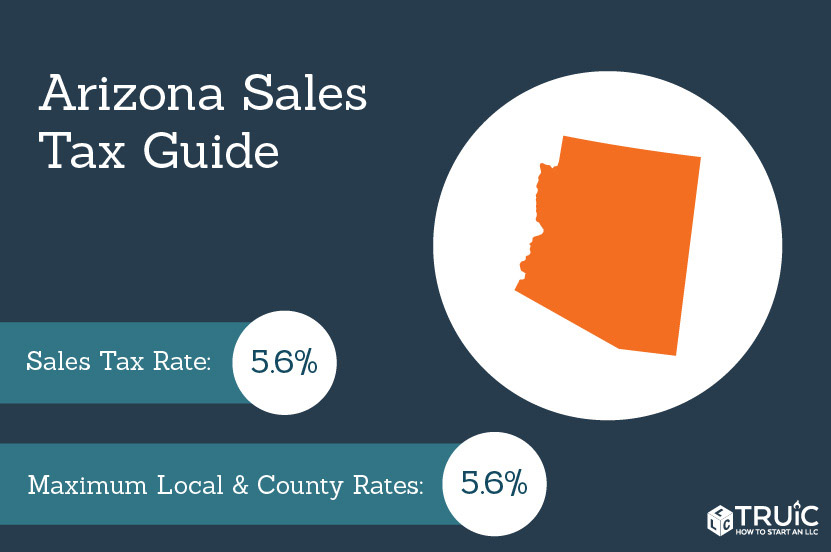
The TPT rate in Arizona is a combination of state and local taxes. The state TPT rate is a set percentage, which is then augmented by TPT rates imposed by individual cities and counties. This means that the total TPT rate can vary significantly depending on your location within the state. For instance, the TPT rate in Phoenix will differ from that in Tucson or a smaller rural community.
What is Taxable?
TPT applies to a broad range of business activities, including:
- Retail sales: The sale of tangible personal property is subject to TPT. This covers everything from groceries and clothing to electronics and vehicles.
- Services: Many services are also subject to TPT, such as repair services, construction contracting, hotel and restaurant sales, and utility services.
- Wholesale sales: While generally exempt from TPT, specific rules and exemptions apply.
It’s important to consult the Arizona Department of Revenue or the relevant city/county tax authority to determine the specific TPT classification and rate for any given business activity or purchase.
Exemptions and Deductions
Certain sales and services are exempt from TPT. These can include:
- Sales for resale (wholesale)
- Sales of certain agricultural products
- Sales to qualifying non-profit organizations
- Sales of prescription medications
Additionally, some cities and counties may offer local exemptions or deductions. Understanding these can lead to significant savings for consumers and businesses.
Property Tax in Arizona
Property tax is a significant source of revenue for local governments in Arizona, funding essential services such as schools, police departments, and fire protection. The amount of property tax paid is determined by the assessed value of the property and the local property tax rate.
Valuation and Assessment
Properties in Arizona are assessed at a percentage of their full cash value, known as the limited property value. This limited property value is generally lower than the full market value and is capped by state law. The assessed value is then multiplied by the applicable tax rate to determine the tax bill.
Property owners receive an annual notice of value from their county assessor, which details the assessed value of their property. Homeowners have the right to appeal this valuation if they believe it is inaccurate.
Property Tax Rates
Property tax rates, also known as mill rates, are set annually by local taxing authorities, including cities, counties, school districts, and special districts. These rates are expressed in mills, where one mill represents one-tenth of a cent ($0.001). The combined mill rate for a property is the sum of the rates from all the taxing jurisdictions in which the property is located.
As with TPT, property tax rates can vary considerably across different areas of Arizona. Factors influencing these rates include the local demand for services and the overall property tax base within the jurisdiction.
Property Tax Relief Programs
Arizona offers several property tax relief programs for eligible homeowners, including:
- Homestead Exemption: This exemption reduces the limited property value used for tax calculations for owner-occupied primary residences.
- Senior Citizen Property Valuation Protection: This program caps the increase in property taxes for senior citizens (65 and older) who own and occupy their homes, provided certain income limitations are met.
- Disabled Status Property Valuation Protection: Similar to the senior exemption, this program offers protection against significant tax increases for individuals with disabilities.
Understanding eligibility requirements and application procedures for these programs is essential for those seeking to reduce their property tax burden.
Tourism and Lodging Taxes
Arizona is a major tourist destination, attracting millions of visitors annually to its natural wonders like the Grand Canyon National Park, Sedona‘s red rocks, and the vibrant cities of Phoenix and Scottsdale. To capitalize on this industry, various taxes are levied on tourism-related activities, particularly lodging.
Hotel Occupancy Tax
Hotels, motels, resorts, and other lodging establishments in Arizona are subject to a Hotel Occupancy Tax. This tax is similar to TPT but specifically applies to the rental of rooms or accommodations. The rate of this tax is typically a combination of state, county, and city taxes.
- State Hotel Occupancy Tax: A standard percentage is levied by the state on all lodging revenue.
- Local Hotel Occupancy Tax: Cities and counties can impose their own additional hotel occupancy taxes, often to fund local tourism promotion or infrastructure. These rates can vary substantially, making lodging costs differ from one municipality to another. For example, staying at a hotel in Tempe might incur a different total occupancy tax rate than a hotel in Flagstaff.
Visitors should be aware that the advertised room rate often does not include these occupancy taxes, which are added at the time of checkout.
Other Tourism-Related Taxes
In addition to hotel occupancy taxes, some jurisdictions may impose additional fees or taxes related to tourism. These can include:
- Car Rental Surcharges: Fees added to the cost of renting a vehicle, often used to fund airport operations or transportation initiatives.
- Restaurant Taxes: While already covered under TPT, some specific levies might exist in tourist-heavy areas to support local amenities.
- Event and Entertainment Taxes: For major sporting events, concerts, or attractions, special event taxes might be applicable.
These taxes are designed to ensure that tourism, while benefiting the state and local economies, also contributes to the infrastructure and services that support it. Understanding these additional costs can help travelers budget more effectively for their Arizona vacation.
Other Taxes and Considerations
Beyond income, sales, property, and tourism-specific taxes, Arizona has other tax considerations that may affect individuals and businesses.
Excise Taxes
Excise taxes are levied on specific goods or services. In Arizona, this commonly includes taxes on:
- Gasoline and Motor Fuel: These taxes are primarily used to fund road construction and maintenance.
- Cigarettes and Tobacco Products: Higher taxes are imposed to discourage consumption and generate revenue.
- Alcoholic Beverages: Taxes are applied to beer, wine, and spirits.
Business Taxes
Beyond TPT and income tax, businesses operating in Arizona may be subject to other taxes and fees, such as:
- Unemployment Insurance Tax: Paid by employers to fund unemployment benefits.
- Workers’ Compensation Premiums: While not a direct tax, these are mandatory costs for employers.
- Various Licenses and Permits: Businesses need to obtain licenses and permits, which often come with associated fees.

Tax Reform and Future Outlook
Arizona’s tax laws are subject to change through legislative action. The state has shown a propensity for tax reform in recent years, particularly concerning income tax. Staying informed about potential changes through official channels like the Arizona Department of Revenue and reputable financial news sources is advisable for anyone with financial interests in the state. The ongoing discussions around tax policy aim to balance economic growth, revenue needs, and taxpayer fairness.
Navigating the tax system in Arizona requires a thorough understanding of the various levies and regulations in place. Whether you are a resident, a business owner, or a tourist, being informed about income tax, TPT, property tax, and tourism-related taxes will enable you to make better financial decisions and fully appreciate the economic landscape of this captivating state.
LifeOutOfTheBox is a participant in the Amazon Services LLC Associates Program, an affiliate advertising program designed to provide a means for sites to earn advertising fees by advertising and linking to Amazon.com. Amazon, the Amazon logo, AmazonSupply, and the AmazonSupply logo are trademarks of Amazon.com, Inc. or its affiliates. As an Amazon Associate we earn affiliate commissions from qualifying purchases.