
Navigating the streets of a new city can be an exciting part of any travel experience. Understanding local ordinances, even seemingly minor ones like pedestrian crossing rules, contributes to a smoother and more enjoyable trip. In Arizona, a state renowned for its diverse landscapes ranging from the majestic Grand Canyon to the vibrant urban centers of Phoenix and Tucson, pedestrian behavior is governed by specific regulations designed to ensure safety for both walkers and drivers. The question of whether “jaywalking” is illegal in Arizona is a common one for visitors and even residents alike, and the answer, while seemingly straightforward, involves understanding the nuances of traffic law as it pertains to pedestrians.

Understanding Arizona’s Pedestrian Crossing Laws
The term “jaywalking” itself is often used colloquially to describe crossing a street illegally or carelessly. In Arizona, the legal framework for pedestrian movement is primarily found within its traffic codes, most notably Title 28 of the Arizona Revised Statutes, which governs traffic and vehicles. These statutes define the rights and responsibilities of pedestrians and operators of vehicles. While the term “jaywalking” is not explicitly used in the statutes, the actions it describes are indeed regulated and, when violated, can lead to citations.
Crossing at Crosswalks and Intersections
Arizona law, like that of many other jurisdictions, prioritizes pedestrian safety by encouraging or mandating the use of designated crossing points. According to Arizona Revised Statutes § 28-792, pedestrians are required to yield the right-of-way to vehicles when crossing a roadway at any point other than within a marked crosswalk or an unmarked crosswalk at an intersection. Conversely, where a crosswalk is present, either marked or unmarked at an intersection, drivers of vehicles must exercise due care to avoid colliding with pedestrians.
Marked Crosswalks: The Safest Option
Marked crosswalks are typically indicated by painted lines on the roadway. These are the most visible and legally recognized places for pedestrians to cross. When a pedestrian is within a marked crosswalk, they generally have the right-of-way, and drivers are obligated to stop or yield. This rule is fundamental to urban planning and traffic safety, ensuring predictable patterns of movement for all road users. For travelers exploring cities like Scottsdale or Tempe, utilizing these marked areas is the safest and most compliant way to navigate streets.
Unmarked Crosswalks at Intersections
Unmarked crosswalks exist at intersections where the roadway pavement has not been painted with crosswalk lines, but the sidewalks on either side of the street continue across the intersection. In these situations, the intersection itself functions as a crosswalk. Pedestrians have the right-of-way when crossing within this implied area, and drivers must yield. This is a crucial point for visitors who might not be accustomed to such designations in their home regions. Understanding this distinction ensures adherence to local traffic laws and promotes safety, particularly in areas with complex street grids.
Crossing Mid-Block: The Danger Zone
The core of what is commonly referred to as “jaywalking” involves crossing a street at a point other than a crosswalk or intersection. Arizona Revised Statutes § 28-793 addresses this directly. It states that pedestrians shall not “walk, stand or loiter in any roadway” unless it is necessary and there is no sidewalk available, or if the sidewalk is obstructed. Crucially, it prohibits crossing a roadway at any point other than within a marked crosswalk or an unmarked crosswalk at an intersection, unless they yield the right-of-way to all vehicular traffic.
This means that attempting to cross a busy street mid-block, between intersections, is not only unsafe but also a violation of Arizona law. Even if there are no cars immediately visible, the legal requirement to yield to any approaching vehicle and to use designated crossings remains. This is especially relevant for tourists exploring popular areas like the Old Town Scottsdale entertainment district or attempting to reach attractions directly from their resort or hotel without a designated crossing point. The risks of being struck by a vehicle are significantly higher when crossing outside of a crosswalk.
Enforcement and Penalties
While the laws are clear, the degree to which “jaywalking” is enforced can vary by municipality and even by individual law enforcement officers. However, it is a traffic violation that can result in a citation and a fine. For a visitor, receiving such a citation can be a frustrating and unexpected disruption to their travel plans. Understanding the potential consequences reinforces the importance of adhering to pedestrian crossing laws.
Fines and Citations

When a pedestrian is cited for violating crossing laws in Arizona, they may be issued a civil traffic citation. The amount of the fine can vary depending on the jurisdiction and the specific violation. These fines are intended to serve as a deterrent and to reflect the seriousness of endangering oneself and others on the road. For travelers, the added cost of a fine, coupled with the inconvenience of dealing with a citation, can detract from the enjoyment of their trip.
Safety Implications
Beyond legal penalties, the most significant consequence of jaywalking is the increased risk of pedestrian-vehicle accidents. Arizona roads, particularly in urban areas, can experience high volumes of traffic. Distracted driving and distracted pedestrian behavior are a dangerous combination. By crossing at designated crosswalks and obeying traffic signals, pedestrians significantly reduce their risk of injury or fatality. This is paramount for travelers, who may be less familiar with local driving habits or road layouts. Whether visiting Sedona for its natural beauty or exploring the historical missions in Tucson, prioritizing pedestrian safety is always a wise choice.
Tips for Pedestrians in Arizona
To ensure a safe and legally compliant visit to Arizona, pedestrians should adopt mindful crossing habits. These simple practices can prevent potential issues and enhance the overall travel experience.
Always Use Designated Crosswalks
The golden rule for pedestrians in Arizona, as in most places, is to utilize marked crosswalks and intersections. Look for painted lines, pedestrian signal lights (which often include walk/don’t walk signals), and signs indicating crossing areas. When available, these are the safest places to cross.
Look Both Ways and Yield
Even when you have the right-of-way in a crosswalk, it is crucial to remain aware of your surroundings. Look both ways to ensure drivers see you and are prepared to stop. Never assume a driver will stop for you; make eye contact if possible. Wait for vehicles to come to a complete stop before stepping into the roadway.
Avoid Crossing Mid-Block
Resist the temptation to cross streets between intersections, even if it seems like a shortcut to a restaurant, shop, or tourist attraction. This is where the risk of accidents is highest, and it is a direct violation of Arizona law. Stick to the designated crossing points to stay safe and lawful.
Be Visible
Especially when traveling in the early morning or evening, or in areas with less lighting, ensure you are visible to drivers. Wear bright clothing or carry a light-colored item. This is particularly important if you plan on enjoying evening strolls around areas like Old Town Scottsdale or the entertainment districts of Phoenix.
Understand Traffic Signals
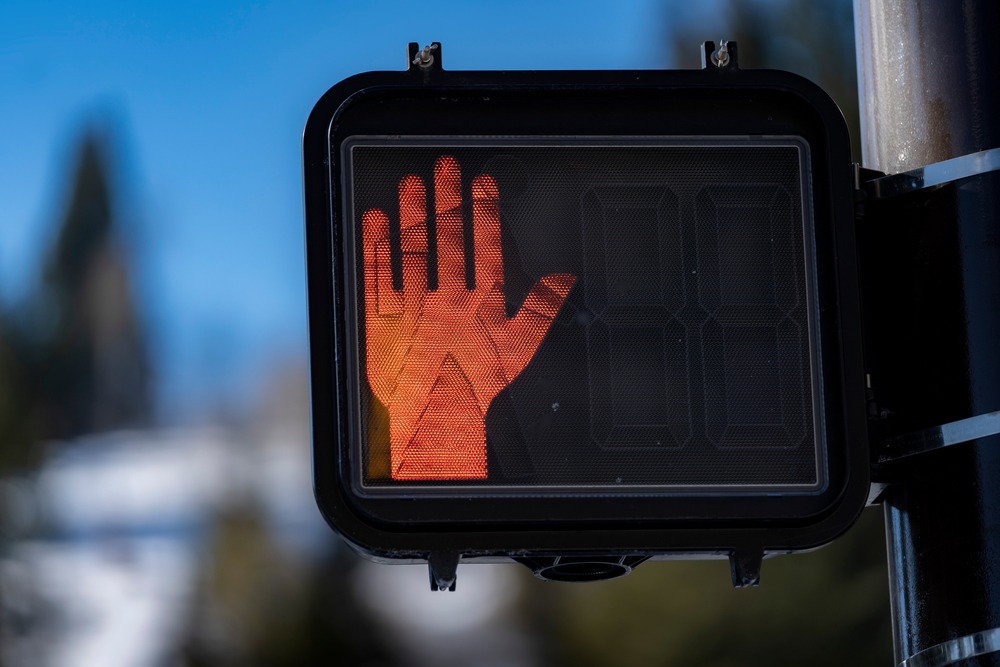
Pedestrian signals are designed to communicate when it is safe to cross. Always obey these signals. If there is no pedestrian signal, follow the vehicular traffic signals, and only cross when it is your turn or the traffic light indicates it is safe.
Conclusion: Crossing Safely and Legally
In Arizona, the act commonly referred to as “jaywalking” is indeed against the law, primarily due to statutes that mandate pedestrians use designated crosswalks and intersections and yield to vehicular traffic when crossing elsewhere. While the term “jaywalking” may not appear in the legal code, the behaviors it describes are regulated under Arizona Revised Statutes. Understanding and adhering to these laws is not only a matter of legal compliance but, more importantly, a critical aspect of ensuring personal safety while exploring the beautiful state of Arizona. By prioritizing designated crossings, staying aware of traffic, and respecting traffic signals, travelers can navigate the cities and landscapes of Arizona with confidence and ease.
LifeOutOfTheBox is a participant in the Amazon Services LLC Associates Program, an affiliate advertising program designed to provide a means for sites to earn advertising fees by advertising and linking to Amazon.com. Amazon, the Amazon logo, AmazonSupply, and the AmazonSupply logo are trademarks of Amazon.com, Inc. or its affiliates. As an Amazon Associate we earn affiliate commissions from qualifying purchases.