
The allure of a secluded stretch of sand, where the only sounds are the crashing waves and the cries of gulls, often leads travelers to wonder: do private beaches exist in California? The popular image of exclusive coastal escapes, often seen in movies or travel brochures for other destinations, might suggest that such havens are plentiful. However, the reality of California’s coastline is largely shaped by a robust legal framework designed to ensure public access, making truly “private” beaches a rare, almost non-existent phenomenon in the traditional sense. Understanding this unique legal landscape is key to appreciating and navigating the Golden State’s magnificent shoreline.
The Legal Landscape of California’s Coastline
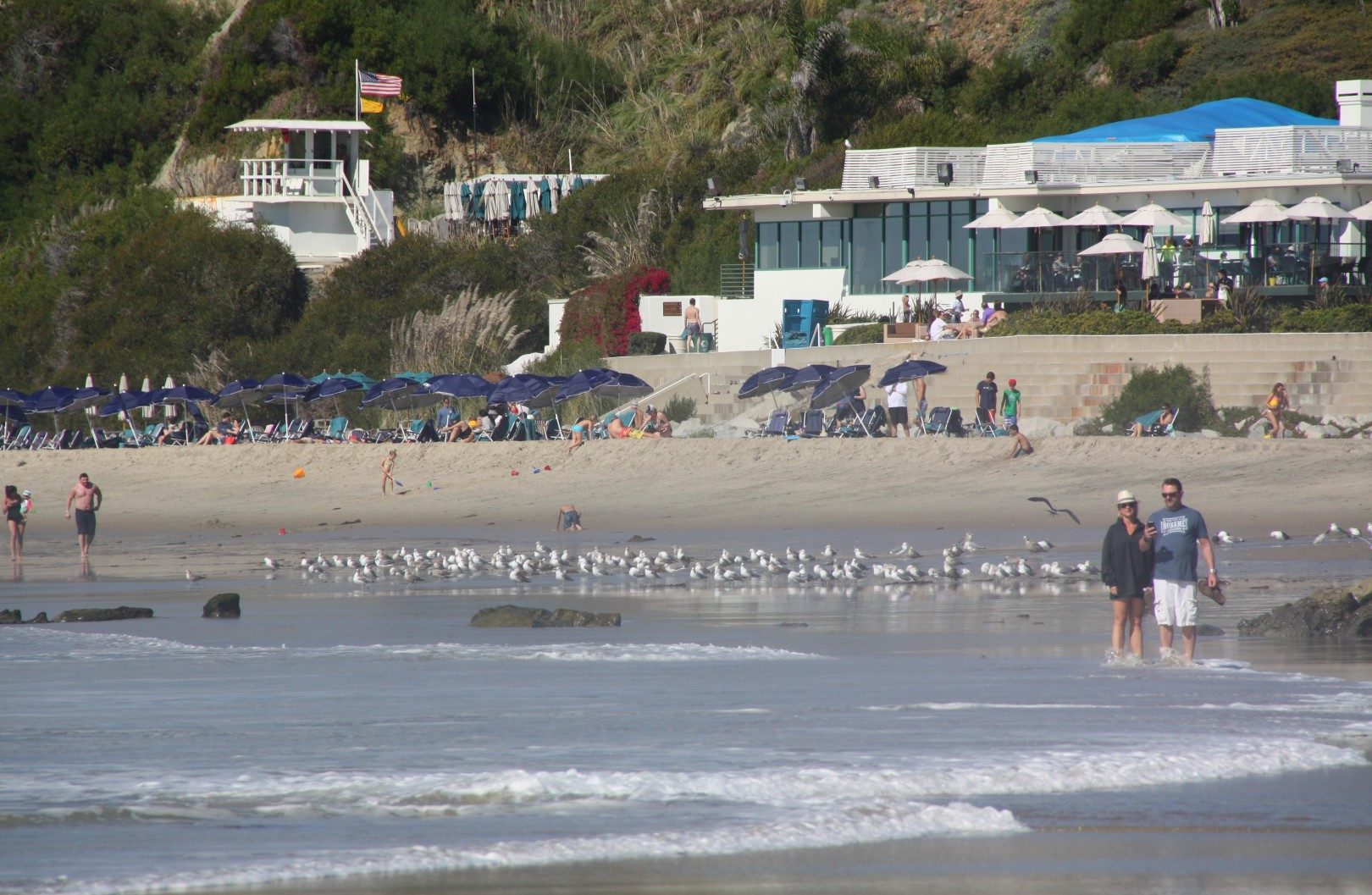
At the heart of California’s beach access policy is the principle of public ownership of the tidelands. This doctrine, rooted in English common law and enshrined in the state’s constitution, declares that the land between the mean high tide line and the ocean belongs to the public. This means that, for the most part, the wet sand and the water itself are accessible to everyone, regardless of the private property bordering the coast. This fundamental right has been fiercely protected and reinforced over decades, shaping how both residents and visitors experience the coast.
The California Coastal Act and Public Access
The landmark California Coastal Act of 1976 is the cornerstone of the state’s coastal protection and public access efforts. This comprehensive legislation established the California Coastal Commission and mandated that public access to and along the coast be maximized. The Act requires that new development along the coast provide public access, and it empowers the California Coastal Commission to negotiate easements and dedications to ensure that the public can reach the beaches. This means that even if a luxury home or a sprawling resort sits directly on the bluff, the sandy beach below the mean high tide line generally remains open to the public. The challenge, then, often isn’t about the beach being private, but rather about the difficulty of physically getting to that public portion of the beach.
Easements and Prescriptive Rights
While the California Coastal Act is forward-looking, historical use also plays a significant role in preserving public access. Many access points to the coast exist due to “prescriptive rights” or “implied dedications,” which means that if the public has used a particular path or area to access the beach for a specified period (typically five years) without objection from the landowner, a public easement can be established. These easements ensure that even paths crossing private property cannot be unilaterally closed off to the public. The ongoing efforts by the California Coastal Commission and local advocacy groups continue to identify, protect, and enhance these critical access points, ensuring that the spirit of the public trust doctrine is upheld amidst ever-increasing coastal development. However, these access points can sometimes be obscure, leading many to mistakenly believe certain beaches are private.
Understanding “Private” Beach Access
Given California’s strong public access laws, it’s crucial to clarify what people often mean when they refer to a “private beach.” True private beaches, where the entire stretch of sand, including the tidelands, is owned and exclusively controlled by an individual or entity, are virtually non-existent in the state. What typically creates the perception of a private beach is restricted access to the public access points or pathways leading to the public sand. This distinction is vital for travelers to understand, as it influences how they can explore the coast and find those coveted secluded spots.
Exclusivity Through Private Property Ownership
The illusion of a private beach often stems from the fact that the land directly above the mean high tide line can indeed be privately owned. Many stunning beachfront properties, from opulent residences in Malibu to charming cottages in Carmel-by-the-Sea, extend right down to the edge of the public tidelands. While the owners cannot legally prevent people from walking along the wet sand in front of their property, they can restrict access across their private land to reach that sand. If there are no public easements, trails, or staircases through or around these properties, the beach can become de facto “private” simply because it’s exceedingly difficult for the public to get there. This creates an exclusive ambiance without violating the public trust doctrine.
Gated Communities and Homeowner Associations
Another common scenario contributing to the “private beach” misconception involves gated communities and homeowner associations. Developments such as those found in Pebble Beach or certain parts of Orange County might control access to the roads and common areas within their boundaries. If the only practical way to reach a particular stretch of beach is through these private roads, visitors who are not residents or guests might find their access limited or entirely blocked. While the beach itself remains public below the mean high tide line, the controlled entry to these communities effectively funnels access, resulting in a significantly less crowded, more exclusive experience for those within the gates. This doesn’t mean the beach is private; it means the route to the beach is privately managed.
Navigating Access: Tips for Travelers
For travelers seeking a serene coastal experience in California, navigating the complexities of public access points and perceived private zones is crucial. With a little planning and respect for local regulations, finding your own tranquil slice of the coast is entirely possible, even if it’s not a truly “private” beach.

Public Access Points and Trails
The key to discovering secluded beaches in California often lies in diligent research of public access points. Many beaches that feel private are simply those with less obvious or more challenging entryways. Utilize online resources, detailed maps, and local guides to pinpoint public staircases, trails, or state park access points that might be tucked away between private residences. The California Coastal Commission website offers a wealth of information on public access, including detailed maps for specific regions. Exploring state beaches and regional parks, especially during off-peak hours or seasons, can also lead to surprisingly quiet stretches of sand, such as those found north of San Francisco or along the remote sections of Big Sur.
Leveraging Hotels and Resorts
While no hotel can claim a private beach in California, many beachfront hotels and resorts offer unparalleled convenience to public beaches, creating a luxurious and exclusive feeling. Properties like the Ritz-Carlton Laguna Niguel or Terranea Resort often boast private staircases or pathways directly from their grounds to the public sand. For guests, this means immediate, hassle-free access to the beach, often leading to a relatively uncrowded experience, especially early in the morning or late in the evening. While the beach itself is still open to anyone willing to find a public access point, the hotel’s amenities and direct access contribute significantly to a sense of privacy and exclusivity for its patrons.
Respecting Property Rights
It is paramount for all visitors to respect private property boundaries. While the wet sand below the mean high tide line is public, the dry sand above it, and any land leading to the beach, may be private. Trespassing onto private land, even if you’re trying to reach a public beach, is illegal and can lead to fines or other penalties. Always look for clearly marked public access signs, designated pathways, and never climb over fences or cross private yards. Responsible tourism ensures that public access is maintained for everyone and fosters a positive relationship between visitors and coastal communities. When in doubt, seek out an alternative public access point rather than risking trespassing.
Notable “Private-Feeling” Beaches and How to Experience Them
For those seeking a more secluded ambiance, several California beaches offer an experience that feels remarkably private, largely due to their unique geography, limited access points, or the effort required to reach them. These are not truly private beaches, but they provide the tranquility many travelers desire.
Hidden Coves of Malibu
Malibu, famous for its celebrity homes and breathtaking coastline, hosts several coves that offer a sense of exclusivity. Beaches like El Matador Beach, La Piedra Beach, and Leo Carrillo State Beach are all public, but their access often involves steep trails, winding staircases, and limited parking along the scenic Pacific Coast Highway. These geological features and the relative difficulty of access naturally deter large crowds, allowing visitors to enjoy dramatic rock formations, sea caves, and pristine sand in relative peace. Arriving early in the morning or on a weekday can further enhance the feeling of having these cinematic landscapes to yourself.
Exclusive Enclaves in Laguna Beach
Laguna Beach in Orange County is renowned for its numerous small, picturesque coves nestled between dramatic cliffs and luxury homes. While all of these coves are public below the mean high tide line, access can be discreet and challenging, giving them an exclusive atmosphere. Victoria Beach, with its iconic “Pirate Tower” and tide pools, requires navigating residential streets and a hidden staircase, making it less accessible to casual visitors. Similarly, Thousand Steps Beach, despite its name, features a steep descent that deters many, ensuring a more private experience for those who make the journey. Parking in Laguna Beach can be difficult, further contributing to the perceived exclusivity of its many hidden gems.
North Coast Retreats
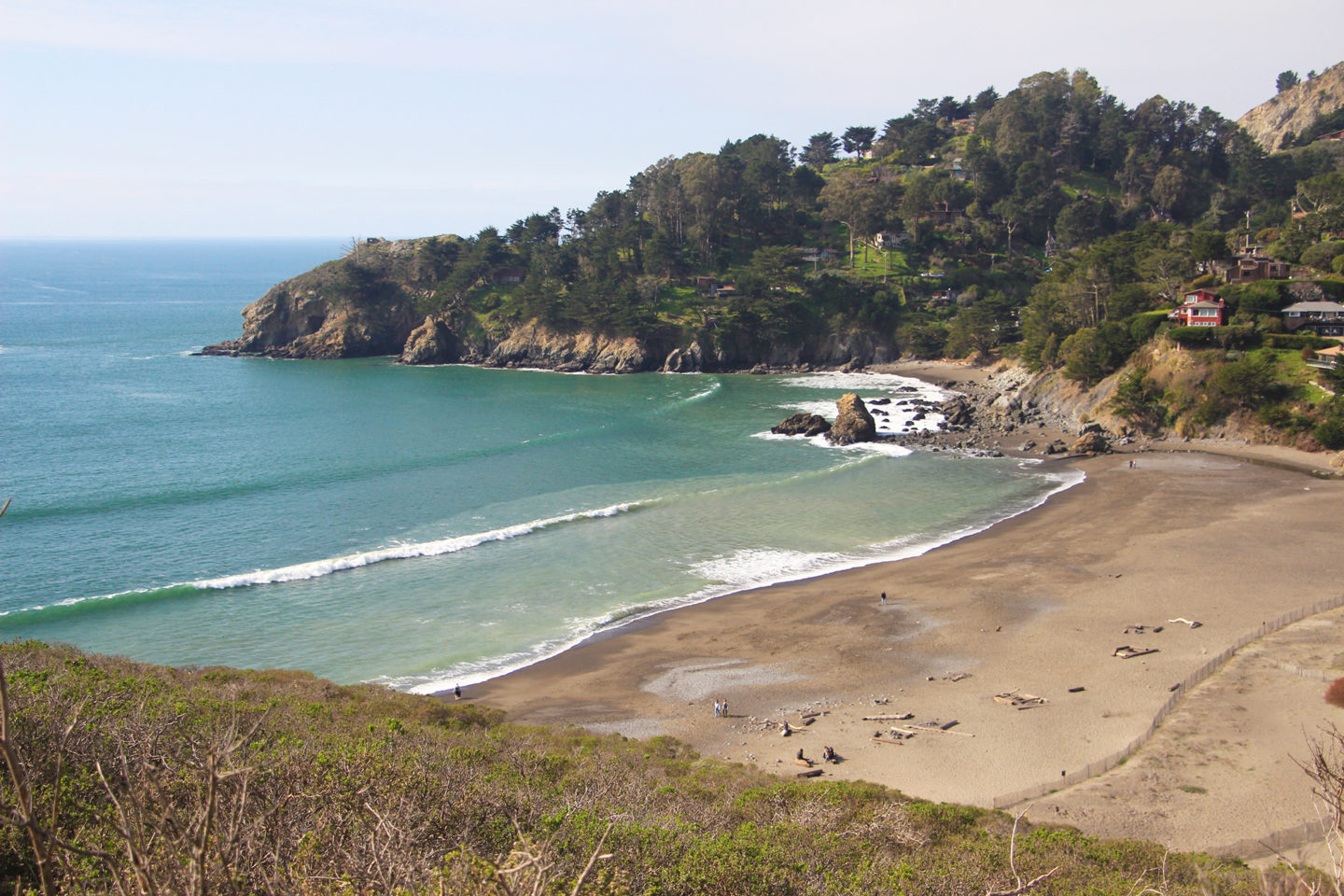
Beyond the bustling shores of Southern California, the state’s North Coast offers a rugged and often deserted charm. Areas around Muir Beach near San Francisco, or stretches of Sonoma Coast State Park and Mendocino County, feature windswept beaches and dramatic bluffs where crowds are rare. While undoubtedly public, the sheer vastness, cooler climate, and often challenging terrain ensure a sense of profound solitude. Half Moon Bay, with its expansive state beaches, also provides ample opportunities for quiet reflection, especially away from the main parking areas. These northern escapes require a different kind of preparation, often involving warmer clothing and an appreciation for raw natural beauty rather than sunbathing.
The Future of California’s Beach Access
The debate and efforts to maintain and expand public beach access in California are ongoing. The California Coastal Commission continues to work with landowners, developers, and local communities to establish new access points and protect existing ones. As coastal populations grow and demand for beachfront property intensifies, the tension between private property rights and the public’s right to access the coast remains a critical issue. Advocacy groups consistently champion public access, often engaging in legal battles to ensure that the spirit of the California Coastal Act is upheld. For travelers, this means that while truly private beaches may not exist, the vast majority of California’s breathtaking coastline is, and will remain, accessible to all who seek it, provided they know where to look and respect the boundaries that delineate public and private land. With a bit of research and a spirit of adventure, the perfect secluded California beach awaits.
LifeOutOfTheBox is a participant in the Amazon Services LLC Associates Program, an affiliate advertising program designed to provide a means for sites to earn advertising fees by advertising and linking to Amazon.com. Amazon, the Amazon logo, AmazonSupply, and the AmazonSupply logo are trademarks of Amazon.com, Inc. or its affiliates. As an Amazon Associate we earn affiliate commissions from qualifying purchases.