
California, renowned for its sun-drenched beaches, iconic landmarks, and vibrant cities, attracts millions of travelers each year. From the rugged cliffs of Big Sur to the bustling shores of Santa Monica, its coastline is a magnet for adventurers and relaxation-seekers alike. However, beneath the serene surface of the Pacific Ocean and the state’s active geology lies a less romantic reality: the potential for tsunamis. For anyone planning to visit or reside along California’s extensive coastline, understanding this risk is not about fear-mongering but about informed travel and responsible preparedness. While infrequent, the possibility of a tsunami is real, necessitating an informed perspective on the state’s geological context, historical events, and robust safety protocols.
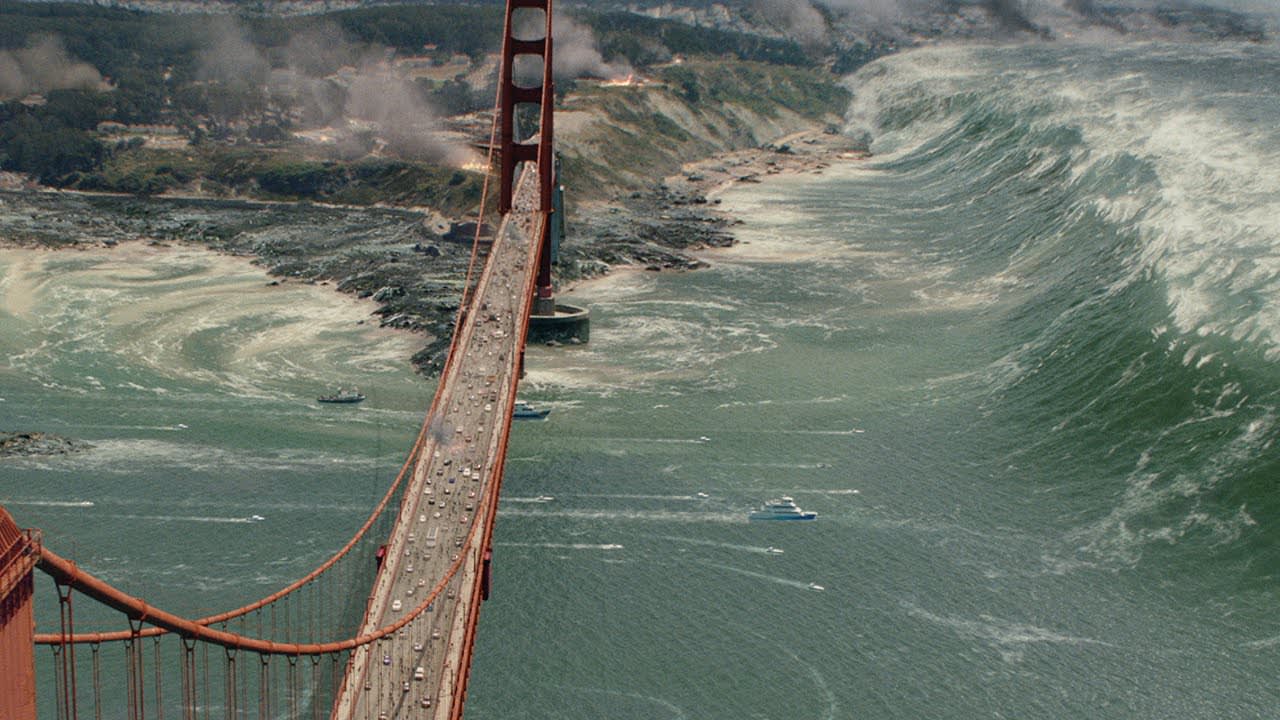
Understanding California’s Tsunami Risk
The question isn’t whether a tsunami can happen in California, but rather how often and under what circumstances. The state’s location along the seismically active Ring of Fire makes it inherently vulnerable to seismic events, many of which have the potential to generate powerful ocean waves. However, it’s crucial to differentiate between the types of tsunamis and their likelihood.
Geological Context and Plate Tectonics
California is situated at the complex juncture of several tectonic plates, most notably the Pacific Plate and the North American Plate. Their relentless movement creates the famous San Andreas Fault system, responsible for the state’s frequent earthquakes. While most California earthquakes are strike-slip events that primarily cause horizontal ground motion and are less likely to generate tsunamis, the broader regional tectonics, especially subduction zones off the coast, pose a significant threat. Subduction zones, where one tectonic plate dives beneath another, are responsible for the largest and most destructive tsunamis globally, as seen in Japan in 2011.
Historical Occurrences
While large, destructive tsunamis are rare in California’s recorded history, smaller, less impactful events have occurred. The state has experienced tsunamis primarily from distant earthquakes. One notable example is the 1964 Alaska earthquake, which generated a devastating tsunami that caused significant damage along the California coast, particularly in Crescent City. This event underscores that a direct earthquake in California is not a prerequisite for a tsunami to impact its shores. More recently, the 2011 Japan tsunami also sent observable, though less damaging, waves to California’s coast, causing strong currents and harbor surges that resulted in millions of dollars in damage to boats and infrastructure, especially in areas like Santa Cruz and Ventura. These historical events serve as crucial reminders of the state’s vulnerability.
Sources of Potential Tsunamis
Tsunamis can originate from various sources, each with different probabilities and warning times for California. Understanding these sources helps in appreciating the multifaceted approach to preparedness.
Distant Earthquakes: The “Ring of Fire”
The most common source of tsunamis affecting California comes from powerful earthquakes in the Pacific Ring of Fire. This horseshoe-shaped belt around the Pacific Ocean is characterized by frequent seismic activity and volcanic eruptions. Earthquakes occurring in subduction zones in areas like Alaska, Japan, Chile, or the Kermadec Islands can generate massive tsunamis that traverse the entire ocean. While these “distant tsunamis” take several hours to reach California, allowing for vital warning time, their immense power can still inflict considerable damage upon arrival.
Local Earthquakes and Landslides
Less frequent but potentially more dangerous are “local tsunamis,” which originate much closer to California’s coastline. These can be caused by:
- Large, shallow offshore earthquakes: While less common directly off California’s central and southern coasts due to the strike-slip nature of the San Andreas Fault system, the Cascadia Subduction Zone off the coasts of northern California, Oregon, Washington, and British Columbia poses a significant threat. A major earthquake here could send devastating waves to northern California within minutes.
- Underwater landslides: These can be triggered by earthquakes or simply by unstable underwater slopes collapsing. Even a moderate earthquake or geological instability can displace massive amounts of water, creating localized but highly destructive tsunami waves with little to no warning. Evidence of ancient submarine landslides off the California coast suggests this mechanism has played a role in the past.
Other Rare Sources
While extremely rare, other phenomena could theoretically cause tsunamis. These include large underwater volcanic eruptions or asteroid impacts in the ocean. Given their exceptionally low probability, these are not the primary focus of everyday tsunami preparedness but are considered in long-term risk assessments.
California’s Tsunami Preparedness and Warning Systems
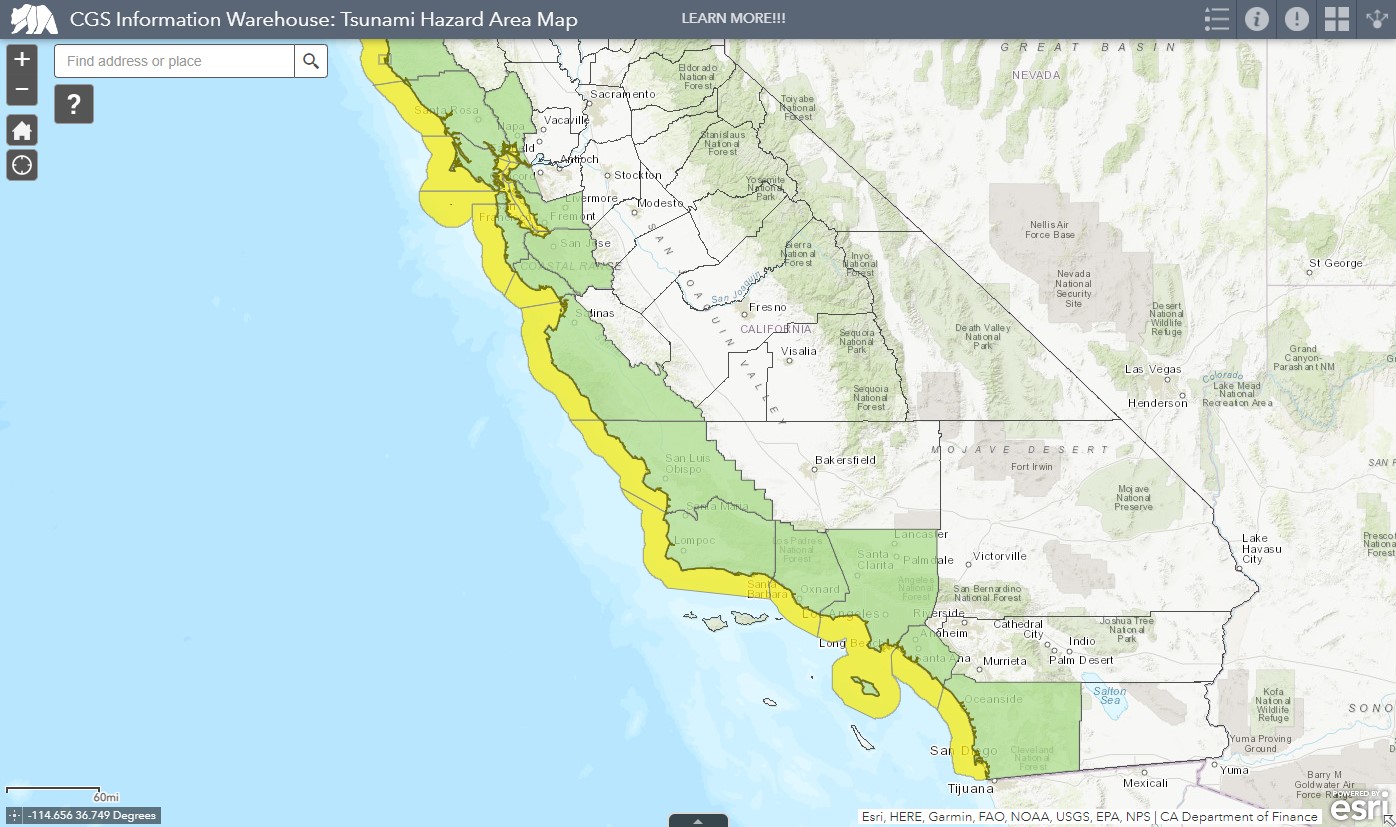
Despite the potential risks, travelers to California can be reassured by the state’s comprehensive and continually evolving tsunami preparedness infrastructure. Extensive measures are in place to monitor threats, issue warnings, and educate the public.
NOAA and the Tsunami Warning Center
The primary authority for tsunami warnings in the United States is the National Oceanic and Atmospheric Administration (NOAA) through its National Weather Service and the Tsunami Warning Center. These centers continuously monitor seismic activity and ocean levels across the Pacific Ocean using a network of seismographs and deep-ocean tsunameters (DART buoys). If a potentially tsunamigenic earthquake occurs, scientists rapidly analyze the data to determine the threat level and issue timely warnings or advisories to coastal communities. Local emergency management agencies then disseminate these warnings through various channels, including sirens, emergency alert systems (EAS), NOAA Weather Radio, and social media.
Evacuation Routes and Public Awareness
Coastal communities in California have clearly marked tsunami evacuation routes. These routes guide individuals to higher ground, typically at least 100 feet above sea level or 1-2 miles inland, away from inundation zones. Public awareness campaigns, often led by the California Office of Emergency Services (CalOES), educate residents and visitors about natural warning signs, what to do during an alert, and how to prepare. Many coastal cities participate in the Tsunami Ready program, a national initiative that promotes community preparedness through planning, education, and warning systems.
Coastal Development and Resilience
California has also invested in studies and planning related to coastal resilience. This includes evaluating the vulnerability of critical infrastructure, developing land-use policies that consider tsunami hazards, and promoting building codes that can withstand seismic activity and potential inundation. While the natural beauty of the coastline remains a major draw, responsible development aims to minimize risks to both property and life.
What Travelers Need to Know
For travelers exploring California’s stunning coastline, awareness and basic preparedness are simple yet powerful tools to ensure a safe and enjoyable trip.
Recognizing Natural Warning Signs
While official warnings are crucial, understanding natural warning signs can be life-saving, especially for local tsunamis that offer minimal official warning time. The most important natural sign is a sudden, noticeable recession of ocean water from the beach, exposing the seabed. This is often an indicator that the trough of a tsunami wave has arrived, and the crest is rapidly approaching. If you witness this phenomenon, do not wait for an official warning; immediately move to higher ground. Other signs include a loud ocean roar that sounds like a train or jet aircraft, and strong, unusual currents.
Following Official Instructions
Should a tsunami watch or warning be issued while you are in a coastal area, your immediate priority should be to follow instructions from local authorities. Tune into local news, emergency radio, or heed instructions from emergency personnel. If advised to evacuate, do so promptly and calmly, following designated evacuation routes. Remember that a tsunami is often not a single wave but a series of waves that can arrive over several hours, with subsequent waves potentially larger than the first. Do not return to the coast until authorities declare it safe.
Emergency Kits and Planning
While extensive preparation might not be feasible for a short trip, having a basic understanding of emergency preparedness can be beneficial. Know the location of the nearest evacuation zone or high ground, especially if staying in a beachfront hotel. Keep a small emergency kit in your vehicle or easily accessible luggage, containing items like water, non-perishable snacks, a flashlight, a first-aid kit, and a portable charger for your phone. Share your itinerary with someone not traveling with you and have a communication plan in case of separation.
Enjoying California Safely: A Balanced Perspective
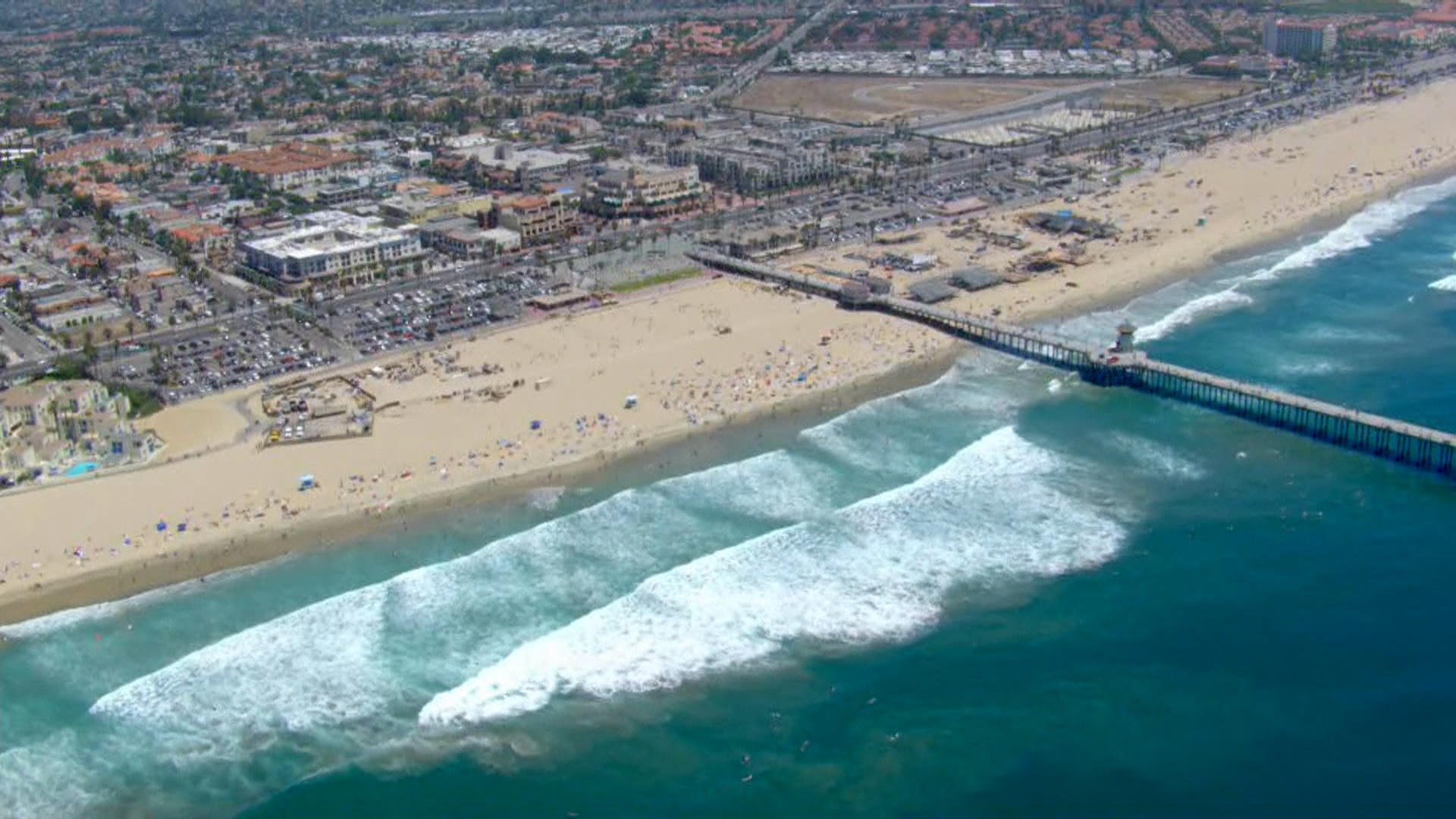
The potential for a tsunami in California is a real but manageable risk. It’s a testament to the dynamic nature of our planet and the powerful forces that shape our coastlines. For travelers, this information should not deter you from experiencing the unparalleled beauty and excitement California has to offer. Instead, it empowers you to be an informed and responsible visitor. By understanding the state’s geological context, appreciating the robust warning systems in place, and knowing basic safety protocols, you can confidently explore California’s stunning beaches and vibrant coastal communities, assured that you are prepared for almost any eventuality. The golden state awaits, ready to offer unforgettable experiences to those who approach it with both wonder and wisdom.
LifeOutOfTheBox is a participant in the Amazon Services LLC Associates Program, an affiliate advertising program designed to provide a means for sites to earn advertising fees by advertising and linking to Amazon.com. Amazon, the Amazon logo, AmazonSupply, and the AmazonSupply logo are trademarks of Amazon.com, Inc. or its affiliates. As an Amazon Associate we earn affiliate commissions from qualifying purchases.