
California, a state renowned for its diverse natural landmarks, from the towering redwoods to the expansive deserts and dramatic coastlines, paradoxically also faces one of nature’s most destructive forces: wildfires. Understanding how these fires ignite is crucial to comprehending their impact on the state’s iconic natural heritage and the ongoing efforts to protect these precious landscapes. While wildfires are a natural part of many California ecosystems, their frequency, intensity, and scale have dramatically increased, threatening everything from ancient groves to vibrant wildlife habitats.
The Evolving Landscape of California’s Wildfire Season
For millennia, fire has played a vital role in shaping California’s natural landmarks, clearing underbrush, promoting new growth, and maintaining forest health. Indigenous communities historically used controlled burns to manage these landscapes. However, the modern era has seen a drastic departure from this natural cycle, leading to a wildfire crisis that redefines the state’s relationship with its wild spaces.
A Natural, Yet Amplified, Phenomenon
Historically, most fires in California were started by lightning, especially in the remote, high-elevation areas of the Sierra Nevada mountain range. These fires often burned at lower intensities, clearing dead vegetation without destroying the larger, more resilient trees that form the backbone of iconic forest landmarks like Yosemite National Park and Sequoia National Park. The natural processes allowed ecosystems to regenerate and thrive.
Today, while natural causes still contribute, human activity has become the dominant factor, significantly amplifying the risk. The expansion of urban areas into the wildland-urban interface (WUI) brings more ignition sources into proximity with dense, dry vegetation. This encroachment directly jeopardizes natural landmarks and the communities nestled within or near them, changing the very nature of what constitutes a “wild” fire.
The Role of Climate Change in California’s Natural Landmarks
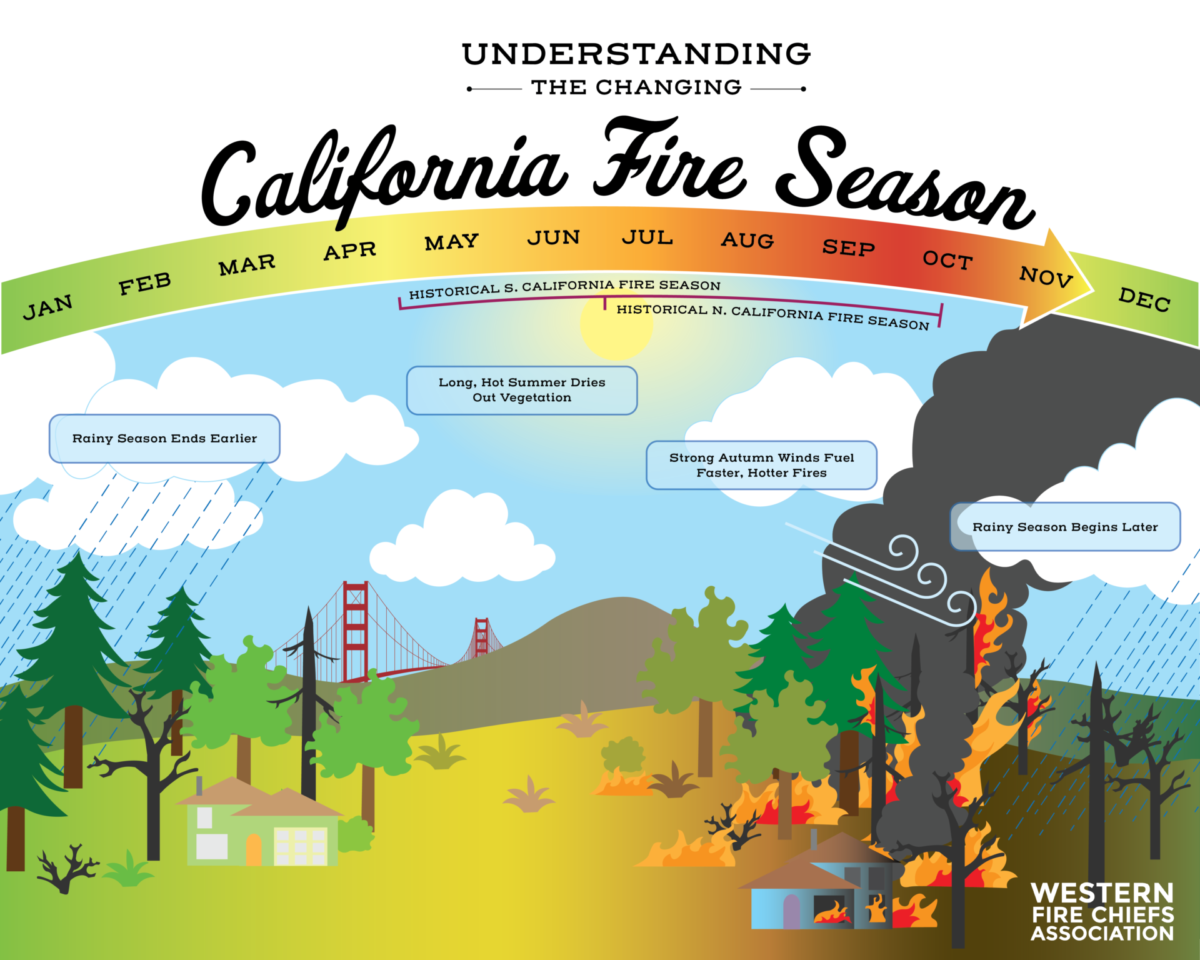
Climate change is undeniably a primary driver behind the escalating wildfire crisis. Rising global temperatures contribute to hotter, drier conditions across California, particularly in its vast forest and chaparral ecosystems. Prolonged droughts, like those experienced in recent years, dessicate vegetation, turning vast stretches of natural landscape into highly combustible fuel beds. The warming climate also leads to earlier snowmelt in the Sierra Nevada, shortening the wet season and lengthening the dry, fire-prone months. This phenomenon impacts the delicate balance of moisture that sustains the state’s unique biodiversity and protects its magnificent natural landmarks from catastrophic infernos.
Understanding Ignition: Human-Caused vs. Natural Starts
While many perceive wildfires as a purely natural disaster, the reality in California is that a significant majority—upwards of 85-95%—are caused by human actions. These ignitions can occur in various ways, often with devastating consequences for the state’s natural and protected areas.
Human Negligence and Infrastructure Failures
The leading category of human-caused fires stems from negligence and accidental ignitions. This encompasses a wide range of scenarios:
- Equipment Use: Sparks from power tools, lawnmowers, or agricultural machinery can easily ignite dry grasses and brush, especially during periods of high fire danger. Construction activities near wildlands are a common source.
- Campfires and Outdoor Activities: Unattended campfires, carelessly discarded cigarettes, or sparks from off-road vehicles frequently lead to significant blazes, particularly in popular recreational areas that border national parks and wilderness areas.
- Arson: A small but impactful percentage of fires are intentionally set, posing an unpredictable and malicious threat to both natural landmarks and human communities.
- Infrastructure Failure: Aging electrical infrastructure, particularly power lines, is a notorious source of ignition. When power lines come into contact with vegetation, or if equipment malfunctions during high winds, sparks can rapidly escalate into major wildfires. Utilities like Pacific Gas and Electric Company (PG&E) in Northern California and Southern California Edison (SCE) in the south have faced immense scrutiny and liability for fires attributed to their equipment, affecting vast swaths of natural forests and chaparral near cities like Sonoma, Napa Valley, and Malibu. These fires often burn through significant natural landmarks.
Lightning Strikes: Nature’s Own Spark
Despite the prevalence of human-caused fires, lightning remains a natural and uncontrollable ignition source. During intense summer thunderstorms, particularly those that produce “dry lightning” (lightning without significant accompanying rainfall), strikes can hit trees or dry vegetation, sparking fires in remote and often inaccessible areas. While these fires traditionally played a role in forest health, the current climate conditions mean that even naturally occurring fires can quickly grow into megafires due to abundant fuel loads and extreme weather. Many fires in the Sierra Nevada and other mountainous regions often originate from lightning, threatening iconic natural features like the giant sequoias.
Fuel, Topography, and Weather: The Perfect Storm
Once ignited, whether by human action or a lightning strike, the trajectory and severity of a wildfire are largely determined by a critical triad: fuel availability, topography, and prevailing weather conditions. These factors, inherent to California’s diverse natural landmarks, combine to create the perfect environment for rapid fire spread.
Drought and Dry Vegetation in California’s Iconic Forests
The sheer abundance of dry vegetation acts as the primary fuel source. Years of fire suppression policies, intended to protect homes and timber, have inadvertently led to an unnatural accumulation of dead trees, dense underbrush, and small-diameter fuels in many of California’s forests and wildlands. This creates a highly combustible environment where a single spark can quickly ignite a massive blaze. Prolonged drought conditions exacerbate this, drying out even large trees and turning entire landscapes, from the chaparral hillsides around Los Angeles to the majestic forests of the Sierra Nevada, into tinderboxes. The health of these natural landmarks is directly tied to the moisture content of their vegetation.
Santa Ana Winds and Diablo Winds: Accelerants of Destruction
California’s unique meteorological patterns play a crucial role in the spread and intensity of wildfires. The infamous Santa Ana Winds in Southern California and the similar Diablo Winds in Northern California are powerful, hot, dry winds that typically blow from the desert interior towards the coast during the fall.
These winds act as an extreme accelerant:
- Rapid Spread: They push flames at incredible speeds, causing fires to quickly grow into megafires that consume vast areas in short periods.
- Spotting: Strong winds carry embers far ahead of the main fire front, starting new blazes miles away, making containment extremely difficult.
- Drying Effect: The winds further dry out vegetation, making it even more flammable.
The combination of an ignition source, abundant dry fuel, and these powerful wind events is what transforms small fires into uncontrollable catastrophes that threaten communities and irrevocably alter natural landmarks. The fires that have ravaged areas like Malibu and the Sonoma and Napa Valley wine regions often owe their ferocity to these specific wind patterns, which push flames through highly susceptible natural landscapes.
Impact on California’s Natural Heritage and Future Preservation
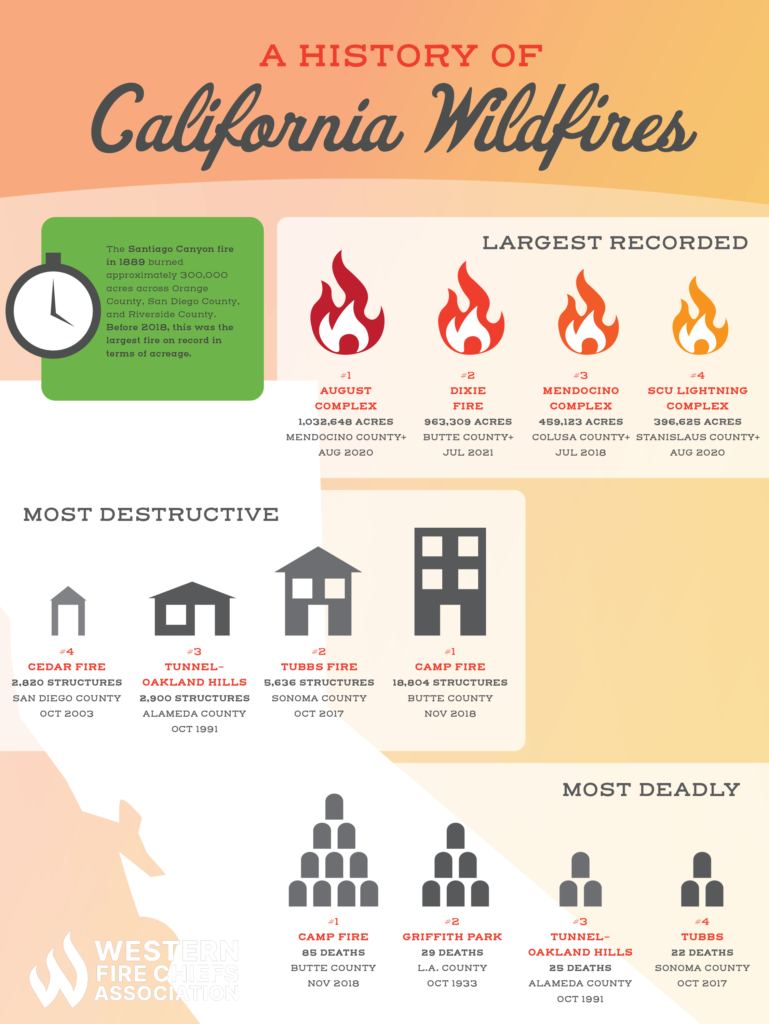
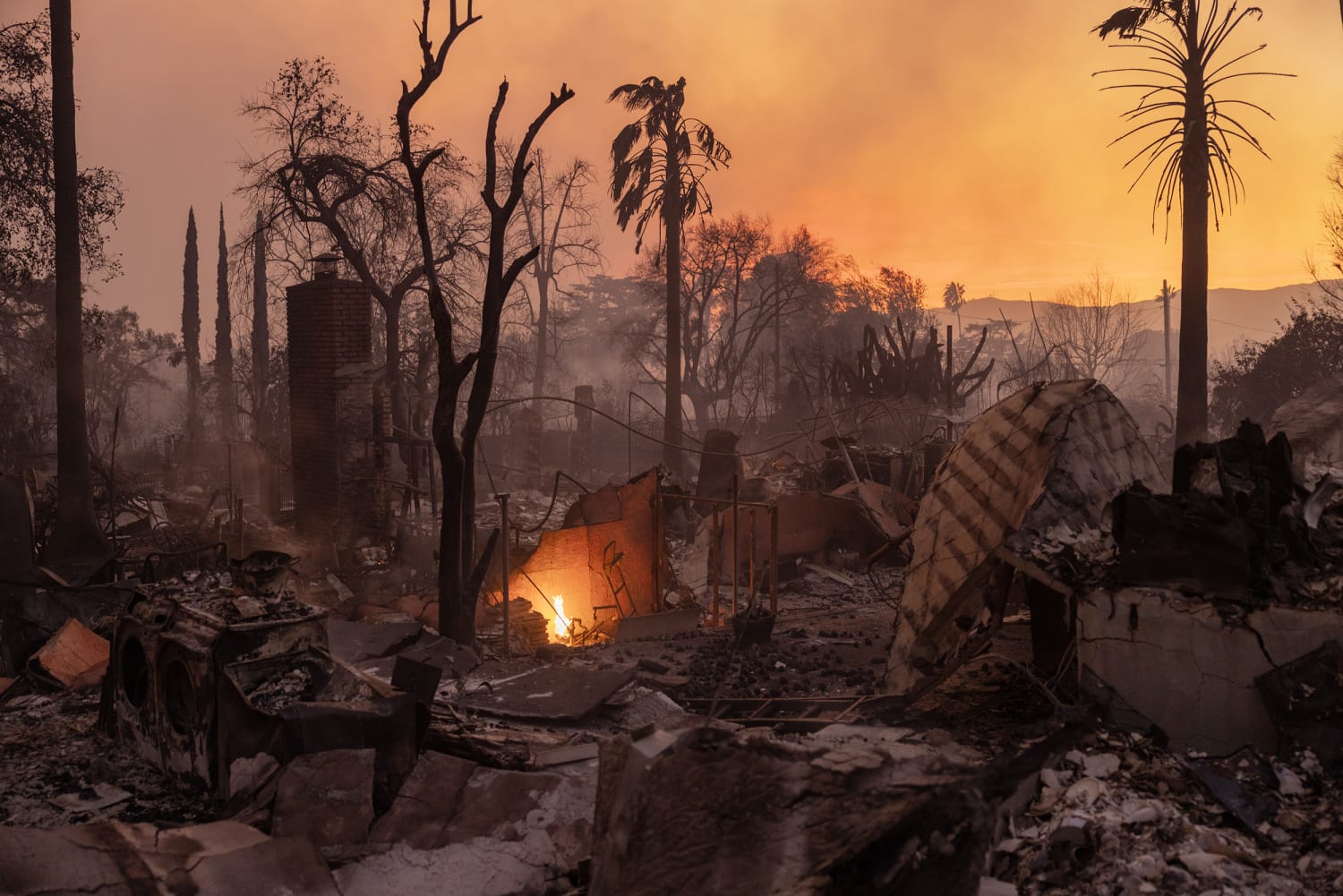
The repeated and intense wildfires have a profound and lasting impact on California’s natural landmarks, from altering ecosystems to threatening biodiversity. Understanding how fires start is therefore a fundamental step in protecting these invaluable treasures.
Protecting National Parks and Wilderness Areas
California is home to numerous national parks, state parks, and vast wilderness areas that showcase unparalleled natural beauty and ecological significance. Yosemite National Park, Sequoia National Park, and Redwood National Park are just a few examples of natural landmarks that have either directly experienced or been threatened by recent wildfires. The destruction of ancient trees, loss of wildlife habitat, and long-term impacts on water quality pose significant challenges to the preservation of these areas. Efforts to mitigate fire risk, such as prescribed burns and forest thinning, are increasingly seen as essential for restoring a more natural fire regime and protecting these landscapes from the most devastating outcomes.
Adapting to a Fiery Future: Restoration and Resilience
Addressing the causes of wildfires in California requires a multi-faceted approach. This includes hardening communities in the WUI, upgrading electrical infrastructure, investing in advanced fire detection and suppression technologies, and significantly expanding proactive forest management practices. Education also plays a vital role in reducing human-caused ignitions, reminding residents and visitors of their responsibility in preventing fires that could devastate treasured natural landmarks. Ultimately, the goal is to build resilience within both the human and natural systems, allowing California’s iconic landscapes to adapt to a changing climate while minimizing the risk of catastrophic fires. The future of California’s natural landmarks depends on a collective understanding of how these fires ignite and a commitment to comprehensive prevention strategies.
LifeOutOfTheBox is a participant in the Amazon Services LLC Associates Program, an affiliate advertising program designed to provide a means for sites to earn advertising fees by advertising and linking to Amazon.com. Amazon, the Amazon logo, AmazonSupply, and the AmazonSupply logo are trademarks of Amazon.com, Inc. or its affiliates. As an Amazon Associate we earn affiliate commissions from qualifying purchases.