
Acquiring long-term accommodation, particularly a house, in California represents a significant life milestone and a substantial investment. The Golden State, renowned for its diverse landscapes, vibrant economy, and desirable lifestyle, also presents one of the nation’s most competitive and expensive housing markets. Understanding the intricacies of this market, securing appropriate financing, and navigating the purchasing process are crucial steps for anyone aiming to establish roots here. This guide delves into the strategic approach necessary for prospective homeowners to successfully buy a house in California, focusing on the practical aspects of long-term accommodation acquisition.
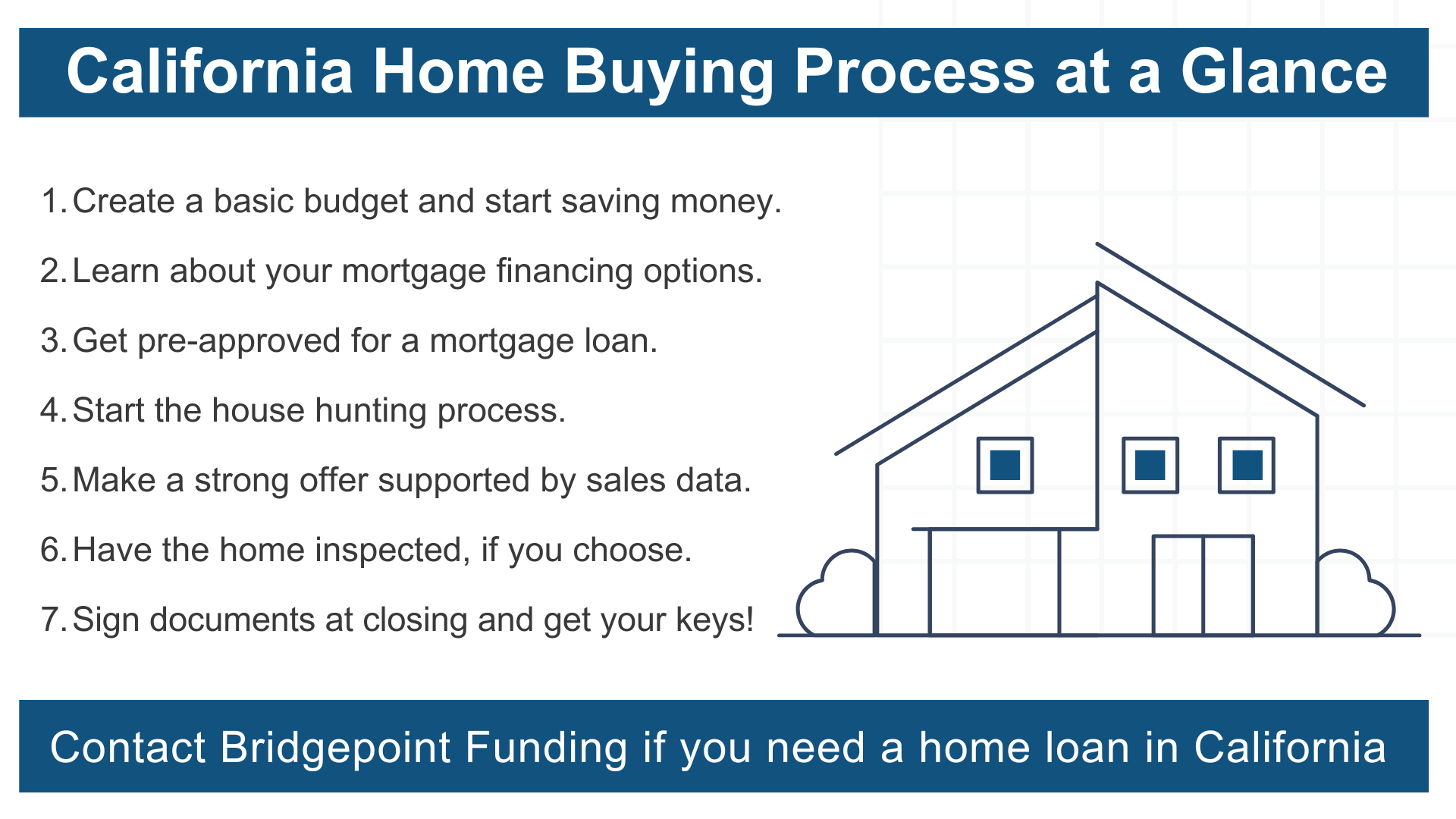
Navigating the California Housing Market
The real estate landscape in California is characterized by high demand, limited inventory, and robust appreciation, particularly in metropolitan areas. This creates a challenging environment for buyers seeking long-term accommodation.
Understanding Market Dynamics
California’s market is highly localized. While regions like the Bay Area (encompassing cities such as San Francisco, San Jose, and Oakland) and Southern California (including Los Angeles, San Diego, and Orange County) consistently feature some of the highest home prices in the United States, other areas offer more accessible entry points. Cities in the Central Valley like Sacramento and Fresno often present relatively lower costs, though prices have also been rising there. Understanding these regional differences is paramount. Researching median home prices, market trends (buyer’s vs. seller’s market), and average days on market for specific neighborhoods can provide a realistic picture of what to expect. This granular approach helps set appropriate expectations regarding the type of accommodation one can afford and in which areas.
Preparing for Competition
Given the competitive nature, prospective buyers must be well-prepared. This involves having finances in order, obtaining pre-approval for a mortgage, and being ready to act quickly when a suitable property emerges. Homes, especially those well-priced and in desirable locations, can receive multiple offers within days of listing. A strong offer, often above asking price, with minimal contingencies and a substantial earnest money deposit, can make a significant difference. Flexibility regarding closing dates and inspection contingencies can also enhance an offer’s appeal to sellers. It’s not just about the highest price; it’s about the most appealing overall package for the seller.
Financing Your California Home
Securing financing is perhaps the most critical step in buying a house in California. The high price points necessitate substantial capital, whether through a large down payment or a robust mortgage.
Understanding Mortgage Options
Most homebuyers in California will require a mortgage. Conventional loans are common, typically requiring a down payment of 20% to avoid private mortgage insurance (PMI), though options with as little as 3-5% down are available. However, in California’s high-cost areas, a 20% down payment on a million-dollar home means $200,000 upfront.
Other mortgage types include:
- FHA loans: Backed by the Federal Housing Administration, these offer lower credit score requirements and down payments as low as 3.5%. They are popular for first-time buyers but come with mandatory mortgage insurance premiums.
- VA loans: Available to eligible veterans, service members, and their spouses, VA loans often require no down payment and have competitive interest rates.
- Jumbo Loans: For properties exceeding the conforming loan limits (which are significantly higher in California than in most other states, often exceeding $1 million in high-cost counties), jumbo loans are necessary. These typically require higher credit scores and larger down payments.
Leveraging Down Payment Assistance Programs
Given the steep prices, many buyers, especially first-timers, look for assistance programs. The California Housing Finance Agency (CalHFA) offers various programs, including down payment assistance loans and first-time homebuyer programs that can bridge the affordability gap. These programs often have income limits and specific eligibility criteria, but they can be instrumental in making homeownership achievable. Local county and city programs may also exist, providing additional layers of support. Exploring these options early in the process is highly recommended.
Financial Preparation
Beyond the down payment, buyers must account for closing costs, which typically range from 2-5% of the purchase price, and ongoing expenses like property taxes, homeowner’s insurance, and potential homeowner association (HOA) fees. Lenders will also assess debt-to-income ratios and credit scores to determine eligibility and interest rates. A strong credit history and manageable debt are crucial for securing favorable financing terms. Starting to save aggressively and improving credit scores well in advance of the home search can significantly strengthen one’s position.

The Home Search and Purchase Process
With financing lined up and market knowledge in hand, the practical steps of finding and acquiring the property come into focus. This phase requires strategic thinking and effective collaboration with real estate professionals.
Partnering with a Knowledgeable Real Estate Agent
A skilled local real estate agent is an invaluable asset in the California market. They possess deep insights into specific neighborhoods, understand local market conditions, and have experience navigating competitive bidding situations. An agent can help refine your search criteria, identify properties that align with your long-term accommodation needs, and provide comparable sales data to inform your offers. Crucially, they guide you through the complex paperwork and legalities of the purchase agreement, ensuring your interests are protected. Look for an agent with a strong track record, excellent communication skills, and expertise in the specific geographic areas you are considering, whether it’s the suburban sprawl of Southern California or the dense urban landscape of Silicon Valley.
The Offer and Negotiation Stage
Once a suitable property is identified, your agent will help craft a competitive offer. This involves more than just the price; it includes contingencies (e.g., for inspection, appraisal, and loan approval), desired closing dates, and any requests for seller credits or repairs. In a seller’s market, offers with fewer contingencies are often preferred. Your agent will negotiate on your behalf, providing strategic advice on how to make your offer stand out in a multi-offer scenario. This might include writing a personal letter to the seller, demonstrating your commitment to the property and the community.
Navigating Due Diligence and Closing
Upon offer acceptance, the due diligence period begins. This involves professional home inspections, appraisals to confirm the property’s value, and a review of disclosures provided by the seller. These disclosures detail known issues with the property, past repairs, and neighborhood conditions. It’s critical to thoroughly understand all reports and disclosures. Any significant findings can be grounds for renegotiation or, in some cases, withdrawal of the offer.
The final stage is closing, where all legal and financial documents are signed, funds are transferred, and ownership is legally transferred to you. This typically occurs at a title company or escrow office. It’s a complex process involving lenders, title companies, and sometimes attorneys, all coordinated by your real estate agent to ensure a smooth transition to your new long-term accommodation.
Key Considerations for California Homebuyers
Beyond the transactional aspects, several broader considerations are unique to buying a home for long-term accommodation in California.
Location, Location, Location
Choosing the right location impacts not only property value but also daily life, commute, and access to amenities. California offers a vast array of environments, from bustling city centers like Los Angeles to quiet coastal towns and rural agricultural communities. Consider your priorities: schools, job proximity, lifestyle preferences (e.g., proximity to beaches, mountains, or cultural attractions), and community vibe. The trade-off between affordability and desirability is a constant factor in California real estate. For example, a home in a top school district in Santa Clara County will command a much higher price than a comparable home in a less competitive area.
Types of Homes and Long-Term Value
California housing stock is diverse, ranging from historic Victorians in San Francisco to mid-century moderns in Palm Springs, and new construction developments in suburban areas. Consider the type of home that best suits your current and future long-term accommodation needs. Condominiums or townhouses often offer a more accessible entry point into high-cost markets but come with HOA fees and less private outdoor space. Single-family homes provide more autonomy but also greater responsibility for maintenance and upkeep. Evaluate the long-term value potential based on factors like appreciation rates in the specific area, school quality, and ongoing community development.

Understanding California’s Environmental Factors
California is beautiful but also prone to specific natural risks, including earthquakes, wildfires, and, in some areas, floods or landslides. Homebuyers must factor these environmental considerations into their decision. Researching a property’s location within seismic zones, wildfire risk areas, or flood plains is crucial. Insurance costs for these risks can be significant, and some areas may have specific building codes or mitigation requirements. Disclosure laws in California are extensive regarding environmental hazards, ensuring buyers are well-informed. Understanding these risks is part of making an informed decision about long-term accommodation in the state.
Purchasing a house in California is a journey that demands thorough preparation, financial prudence, and expert guidance. By meticulously navigating the market, securing appropriate financing, and executing a well-informed purchase strategy, the dream of owning long-term accommodation in this sought-after state can become a reality.
LifeOutOfTheBox is a participant in the Amazon Services LLC Associates Program, an affiliate advertising program designed to provide a means for sites to earn advertising fees by advertising and linking to Amazon.com. Amazon, the Amazon logo, AmazonSupply, and the AmazonSupply logo are trademarks of Amazon.com, Inc. or its affiliates. As an Amazon Associate we earn affiliate commissions from qualifying purchases.