
Understanding Legal Separation: A Lifestyle Shift
A legal separation in California represents a significant lifestyle decision, allowing spouses to formalize their separation, divide assets, and address critical matters like child custody and support, all without dissolving their marriage. Unlike divorce, this process does not terminate the marital status, meaning neither party is eligible to remarry. For many, legal separation offers a strategic alternative, often chosen due to religious beliefs, a desire to maintain spousal health benefits, or the hope of potential reconciliation. It provides a structured framework for individuals to navigate independent lives while retaining a formal marital tie.
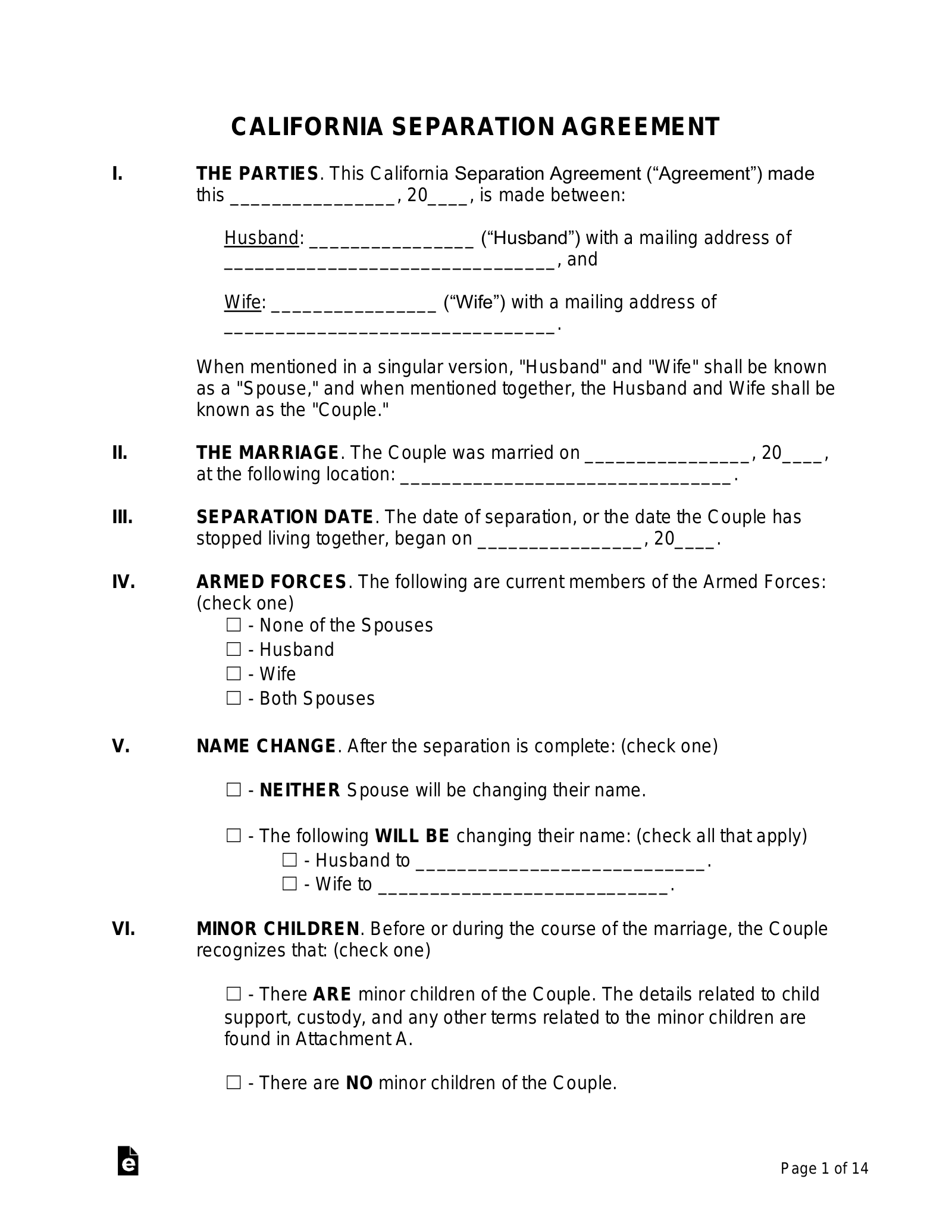
This legal mechanism profoundly impacts one’s daily existence, reshaping financial independence, living arrangements, and personal boundaries. It’s a critical step in redefining one’s personal landscape, offering a transitional phase or a permanent solution that reconfigures familial relationships and individual routines. The terms established during a legal separation fundamentally influence an individual’s financial stability and future lifestyle choices, marking a definitive shift in their personal narrative.
The Initial Steps: Preparing for a New Chapter
Embarking on the path toward legal separation in California demands thorough preparation and a clear understanding of the necessary procedural requirements. The formal process commences with the filing of a Petition for Legal Separation with the Superior Court in the county where at least one spouse resides. This action officially initiates the proceedings, signaling a deliberate intent to redefine the marital relationship.
Gathering Essential Information
Before filing, it is crucial to systematically gather all pertinent financial and personal documentation. This comprehensive collection should include recent tax returns, bank and investment statements, property deeds, mortgage documents, vehicle titles, and records of all outstanding debts, such as credit card and loan statements. Furthermore, details concerning income, employment, and health insurance for both spouses and any children are indispensable. A complete financial overview is vital for equitable property division, and for determining fair spousal and child support—foundational elements for establishing a sustainable post-separation lifestyle. This meticulous inventory ensures transparency, fostering fairness and stability in your future financial landscape.
Residency Requirements and Jurisdiction
To file for legal separation within California, only one spouse needs to be a resident of the state. Unlike divorce, there is no mandated minimum residency period for either the state or a specific county required prior to filing. This flexibility can be particularly advantageous for individuals who require prompt legal action after recently moving to California. A clear grasp of these jurisdictional prerequisites is fundamental to ensuring the legal process proceeds smoothly and that the court possesses the authority to issue legally binding orders concerning the separation.
Filing the Petition
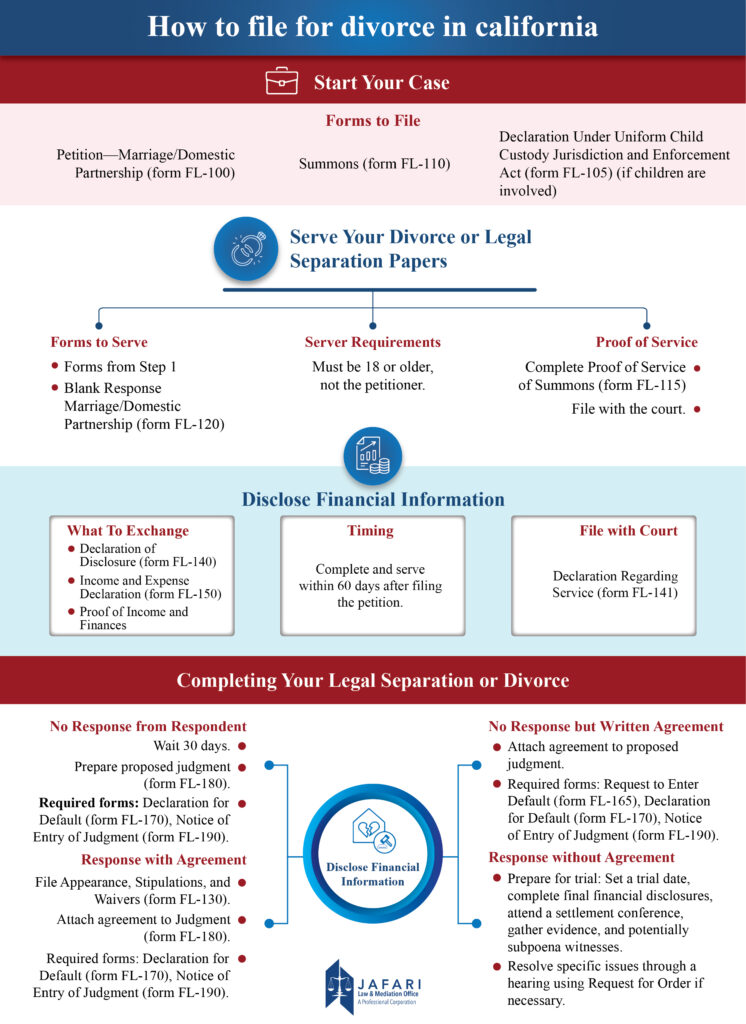
The formal process begins by completing and submitting the Judicial Council Form FL-100, titled “Petition — Marriage/Domestic Partnership.” On this form, you must explicitly indicate that you are seeking a legal separation. Additionally, other necessary documents, such as Form FL-110, “Summons — Family Law,” which formally notifies your spouse of the legal action, must be prepared and filed. These forms are submitted to the clerk of the Superior Court, typically within the family law division. A filing fee is usually required at this stage, though fee waivers are available for eligible individuals. The act of filing itself is a decisive step toward asserting your new lifestyle direction and establishing the legal parameters for your altered marital status.
Navigating the Legal Process: Practical Lifestyle Considerations
Once the petition has been filed and properly served, the legal separation process advances into a critical phase involving disclosures, negotiations, and potentially, court hearings. This stage significantly influences the practical aspects of daily life and shapes future lifestyle choices.
Service of Process
Following the filing, the “Summons” and “Petition” must be formally delivered to your spouse. This legal notification ensures that your spouse is fully informed of the proceedings and aware of their right to respond. The service must be executed by an individual other than yourself, often a professional process server, a sheriff, or any adult not directly involved in the case. Accurate service is paramount for the court to establish jurisdiction over your spouse, enabling it to issue enforceable orders regarding property, support, and child-related matters. This step is crucial for both parties to become legally engaged in the process of redefining their respective lifestyles.
Financial Disclosures
Both parties are legally obligated to exchange comprehensive financial information. This typically involves submitting forms such as the “Declaration of Disclosure” (Form FL-140), accompanied by detailed schedules of assets and debts (Form FL-142), and income and expense declarations (Form FL-150). Complete and accurate disclosure is essential for ensuring an equitable division of community property and debts, and for determining appropriate spousal and child support. This transparency is fundamental to establishing a stable financial foundation, crucial for each spouse’s independent lifestyle moving forward. Without thorough disclosures, the division process can become prolonged and inequitable, potentially hindering a smooth transition to a new way of life.
Reaching an Agreement
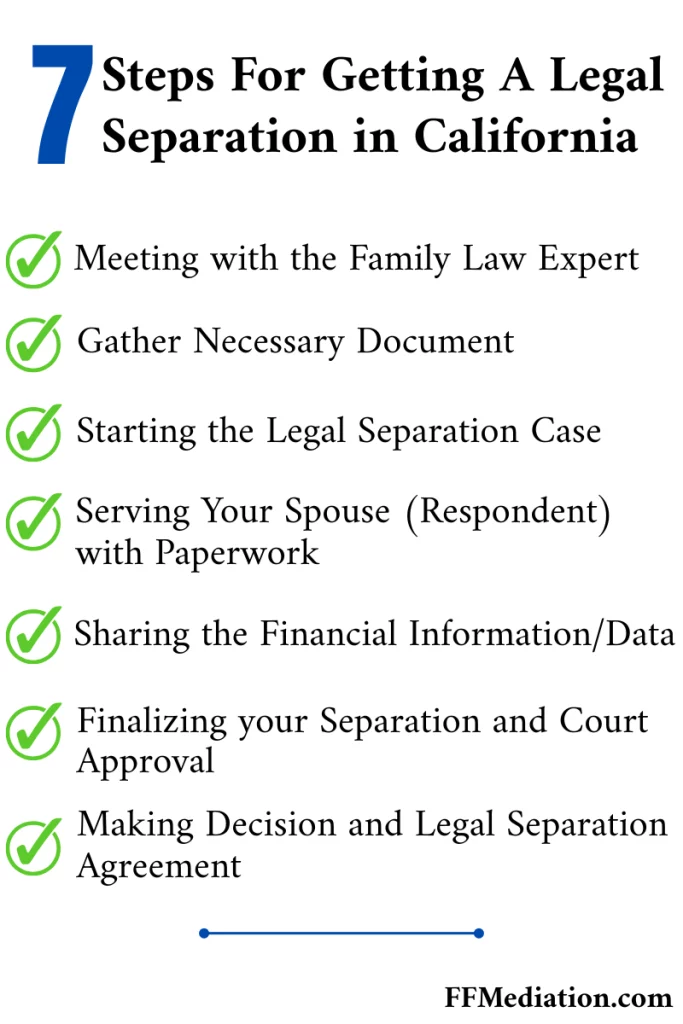
Ideally, spouses will collaborate, often with the guidance of attorneys, mediators, or collaborative law professionals, to formulate a comprehensive agreement on all pertinent issues. This includes the division of community assets and debts, determination of spousal support (alimony), establishment of child custody and visitation schedules, and calculation of child support. A mutually agreed-upon “Stipulated Judgment for Legal Separation” is then drafted and presented to the court for official approval. Once approved, this agreement becomes a legally binding court order. Reaching a mutual agreement typically facilitates a more amicable and controlled transition to separate lifestyles, minimizing conflict and emotional distress. It also provides greater flexibility to customize terms that align with the unique needs and aspirations of the individuals involved.
Court Intervention (If No Agreement is Reached)
Should spouses fail to reach an agreement on all terms, the court will intervene. This often necessitates participation in court-ordered mediation for child custody and visitation matters, and potentially, engagement in settlement conferences. If a full agreement remains elusive, the case may proceed to trial, where a judge will render final decisions on all outstanding issues. While court intervention can be a more time-consuming and costly process, it provides a definitive resolution. However, it often means relinquishing control over the specific terms of your future lifestyle to a judicial decision.
Financial Implications: Securing Your Future Lifestyle
Legal separation brings about significant financial consequences that will fundamentally reshape your economic lifestyle. Understanding and proactively planning for these changes is crucial for securing your future well-being.
Property and Debt Division
In California, recognized as a community property state, all assets and debts acquired during the marriage are generally classified as community property and are subject to an equal 50/50 division during either a legal separation or divorce. Conversely, separate property—assets owned prior to marriage or acquired through gift or inheritance during the marriage—typically remains with the individual owner. The division of property can be intricate, encompassing real estate, retirement accounts, investments, business interests, and personal belongings. An equitable division is paramount for establishing financial independence and stability for each spouse as they transition into separate lives. This process directly dictates the resources available to each party for building their new lifestyle.
Spousal Support (Alimony)
Spousal support may be awarded to one spouse to assist in maintaining a lifestyle comparable to that enjoyed during the marriage, especially when there is a notable disparity in income or earning capacity. Factors considered by the court include the marriage’s duration, each spouse’s earning potential and marketable skills, their health and age, and the established marital standard of living. Spousal support can be temporary, covering the duration of the separation process, or permanent, awarded after the judgment, although permanent awards are less common for shorter marriages. The determination of spousal support is a critical factor in shaping the post-separation lifestyle of the recipient spouse.
Child Support and Custody
When children are involved, a legal separation necessitates the establishment of formal child custody, visitation, and child support orders. California courts prioritize the best interests of the child in all decisions. Child custody orders define both legal custody, which determines who makes decisions regarding the children’s health, education, and welfare, and physical custody, which dictates where the children primarily reside. Child support is calculated using statewide guidelines, primarily based on the parents’ respective incomes and the amount of time each parent spends with the children. These arrangements are pivotal, not only for the children’s welfare but also for the parents’ daily routines and financial planning, deeply integrating into their new individual lifestyles.
Life After Separation: Embracing Your New Path
A judgment of legal separation provides a definitive legal framework for your new life, enabling you to move forward with clearly defined boundaries and responsibilities. While your marital status remains formally unchanged, the legal separation fundamentally alters your shared lifestyle, paving the way for individual growth and future planning.
Maintaining Marital Status and Benefits
A key characteristic of legal separation is its preservation of marital status. This can be particularly significant for individuals who wish to retain specific benefits tied to marriage, such as health insurance coverage through a spouse’s employer, eligibility for Social Security benefits, or adherence to religious or cultural tenets. It is, however, crucial to independently verify with specific benefit providers how a legal separation may impact their policies, as terms can vary. This choice profoundly influences long-term lifestyle security and planning.
Reassessment and Future Planning
Legal separation offers a structured period for both spouses to thoroughly reassess their lives, financial objectives, and personal aspirations without the finality of divorce. It provides a unique opportunity to experience living independently, adapt to new financial realities, and establish a new rhythm for daily life. For some, it might serve as a temporary pause before potential reconciliation; for others, it solidifies the pathway toward a future divorce, should they decide to fully dissolve the marriage at a later point. This phase of reevaluation is essential for charting a fulfilling and independent lifestyle.
Seeking Professional Guidance
Navigating a legal separation in California is an intricate process with profound emotional, financial, and legal implications for your lifestyle. Engaging with experienced family law attorneys, financial advisors, and mental health professionals can provide invaluable support during this period. Legal counsel ensures that your rights are protected and that the process adheres to California law, while financial advisors can help you strategically plan for your new economic reality. Additionally, therapists or counselors offer essential emotional support during this challenging transition, aiding your adjustment to a redefined lifestyle. This holistic approach ensures you are well-equipped to manage the changes and embrace your new path with clarity and confidence.
LifeOutOfTheBox is a participant in the Amazon Services LLC Associates Program, an affiliate advertising program designed to provide a means for sites to earn advertising fees by advertising and linking to Amazon.com. Amazon, the Amazon logo, AmazonSupply, and the AmazonSupply logo are trademarks of Amazon.com, Inc. or its affiliates. As an Amazon Associate we earn affiliate commissions from qualifying purchases.