
California, often referred to as the Golden State, is not just a hub for innovation, entertainment, and diverse landscapes; it is also a powerhouse of higher education, offering an unparalleled array of academic institutions. For individuals and families considering relocation, career advancement, or simply a change in life path, understanding the vast educational opportunities available in California is crucial to shaping their lifestyle choices. The sheer number and variety of colleges and universities across the state mean that whether one seeks cutting-edge research, vocational training, a vibrant campus community, or a more intimate learning environment, there is a collegiate lifestyle tailored to almost every aspiration. With approximately over 400 accredited institutions of higher education, California’s educational ecosystem is arguably one of the most comprehensive in the world, directly influencing the fabric of its diverse communities and the personal and professional trajectories of its residents.

California’s Expansive Educational Landscape: A Lifestyle Perspective
The educational landscape of California is a rich tapestry woven from public universities, private colleges, and a robust community college system, each contributing uniquely to the state’s multifaceted lifestyle. This extensive network does more than just educate; it shapes local economies, fosters innovation, cultivates cultural hubs, and provides pathways to diverse career and personal fulfillment. For many, the choice of a college in California is not merely an academic decision but a significant lifestyle choice that dictates where they will live, the communities they will engage with, and the opportunities they will pursue. The presence of these institutions directly impacts the character and vibrancy of cities from San Diego to San Francisco, offering everything from bustling urban campuses to serene coastal retreats.
Public University Systems: Cornerstones of California Life
The public university systems in California are colossal, designed to serve the diverse educational needs of the state’s population. They are often the first choice for residents seeking quality, affordable higher education and play a monumental role in defining regional lifestyles.
The University of California (UC) System
Comprising ten campuses, nine of which offer undergraduate programs, the University of California (UC) system is renowned globally for its research prowess and academic excellence. Institutions like UC Berkeley, UCLA, and UC San Diego attract top-tier students and faculty from around the world, creating intellectually stimulating and culturally rich environments. The lifestyle around a UC campus is often characterized by innovation, activism, and a strong sense of academic community. From the urban energy of UCLA in Los Angeles and UC Berkeley in the Bay Area to the more relaxed coastal vibes of University of California, Santa Barbara and University of California, Santa Cruz, each campus offers a distinct lifestyle that integrates deeply with its surrounding city or town. Other notable campuses include University of California, Davis, University of California, Irvine, University of California, Riverside, and the newest campus, University of California, Merced. These institutions not only contribute significantly to scientific breakthroughs and cultural discourse but also shape the career trajectories and intellectual pursuits of their graduates, influencing the future of California’s workforce and global leadership.
The California State University (CSU) System
With 23 campuses spread across the state, the California State University (CSU) system is the largest four-year public university system in the United States. The CSU system is primarily focused on workforce development and providing accessible, high-quality education, making it a cornerstone for many California families. Campuses like San Diego State University, California State University, Long Beach, and San Jose State University are deeply embedded in their communities, offering practical degrees that directly feed into California’s diverse industries, from technology in Silicon Valley to hospitality in Orange County. The lifestyle fostered by CSU campuses often emphasizes community engagement, hands-on learning, and a direct path to professional careers. Other significant CSU campuses include California Polytechnic State University, San Luis Obispo (Cal Poly SLO), California State University, Fullerton, California State University, Northridge, and San Francisco State University. These universities play a vital role in enabling upward mobility and shaping the middle-class professional lifestyle across the state.
Community Colleges: Gateways to Diverse Lifestyles
California boasts a robust system of 116 community colleges, making it the largest in the nation. These institutions are invaluable gateways to higher education and vocational training, offering incredible flexibility for a wide range of lifestyles. For recent high school graduates, community colleges provide an affordable pathway to transfer to four-year universities. For adults seeking career changes or skill enhancement, they offer vocational programs in high-demand fields such as healthcare, automotive technology, and digital media. The lifestyle associated with community colleges is one of accessibility and continuous learning, supporting individuals at various stages of their personal and professional development. They are truly local institutions, reflecting and serving the immediate needs of their diverse communities, making education an integral part of countless California lifestyles.
Private Institutions: Niche Experiences and Specialized Lifestyles
Beyond the vast public systems, California is home to a significant number of private colleges and universities, each offering a distinct educational philosophy and campus culture. These institutions, while often more selective and expensive, provide specialized programs, unique learning environments, and often attract students seeking a particular kind of academic and social lifestyle. From prestigious research universities to specialized arts conservatories and liberal arts colleges, the private sector caters to a wide spectrum of interests and aspirations.
From Ivy to Innovation: Exploring Private Campus Lifestyles
The private higher education landscape in California is characterized by its diversity and influence on global industries and cultural trends.
Prestigious Private Universities
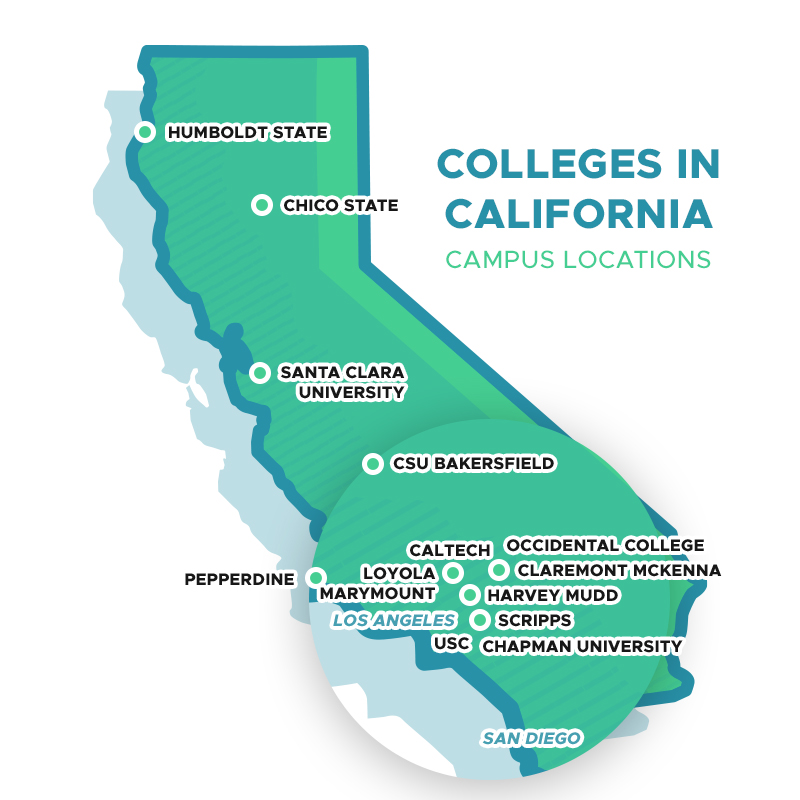
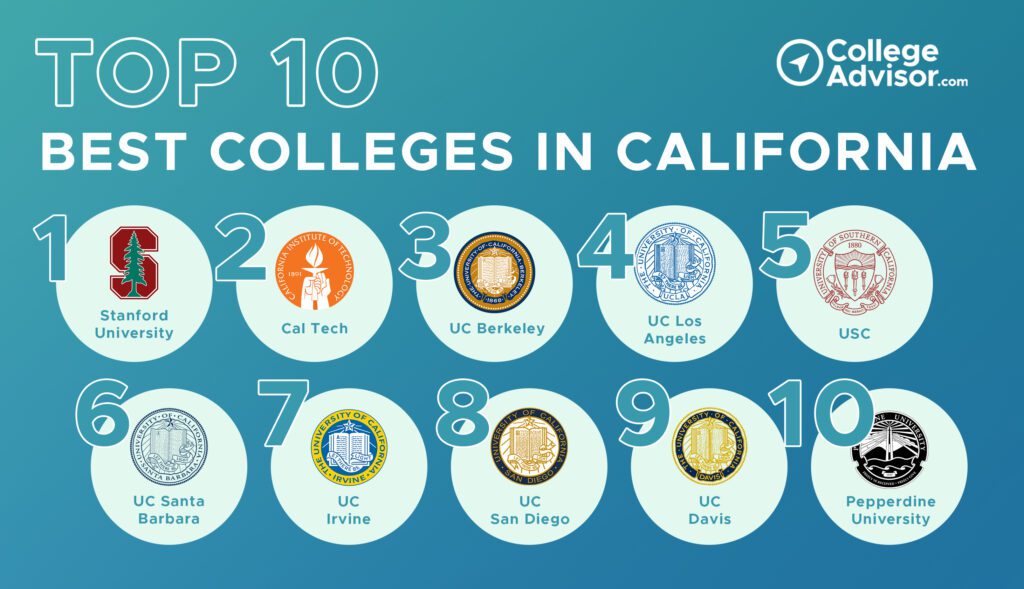
Institutions like Stanford University, the University of Southern California (USC), and the California Institute of Technology (Caltech) are global powerhouses, consistently ranked among the top universities in the world. Stanford University, nestled in Silicon Valley, is synonymous with entrepreneurial spirit and technological innovation, defining a lifestyle for its students that is often fast-paced, ambitious, and globally connected. USC, located in Los Angeles, offers a vibrant urban campus experience with strong ties to the entertainment, business, and arts industries. Caltech, in Pasadena, cultivates a highly specialized, rigorous academic lifestyle for budding scientists and engineers. Attending these institutions often means access to unparalleled resources, influential networks, and a lifestyle geared towards leadership and impactful contributions in various fields.
Specialized and Liberal Arts Colleges
Beyond the large research universities, California hosts an impressive array of specialized and liberal arts colleges. The Claremont Colleges, a consortium of five undergraduate institutions (Pomona College, Scripps College, Claremont McKenna College, Harvey Mudd College, and Pitzer College) and two graduate institutions, offer a unique blend of small college intimacy with large university resources. Each college within the consortium has its distinct mission and lifestyle, from Pomona College’s broad liberal arts focus to Harvey Mudd College’s engineering and science emphasis. Other notable private institutions include the University of San Francisco, Loyola Marymount University in Los Angeles, Santa Clara University in Silicon Valley, Pepperdine University overlooking the Pacific Ocean in Malibu, Chapman University in Orange County, and Occidental College. These colleges provide tailored educational experiences, fostering tight-knit communities and specialized academic pathways that profoundly influence the individual student’s lifestyle and future career.
Navigating the Choice: Finding Your California Collegiate Lifestyle
With well over 400 accredited institutions of higher education, the question of “How many colleges are in California?” is answered by an overwhelming number of choices, each promising a distinct educational and personal journey. The vastness of this collegiate landscape means that finding the right fit is less about scarcity and more about aligning individual or family lifestyle goals with the unique offerings of each institution.
Factors such as desired location (urban, suburban, rural), campus size and culture, academic focus (research-intensive, liberal arts, vocational), and cost are all critical considerations. Whether one envisions a vibrant Los Angeles lifestyle immersed in the entertainment industry, a tech-driven existence in Silicon Valley, a serene coastal study environment, or a community-focused path in the Central Valley, California offers a collegiate experience to match. The sheer volume of colleges ensures that nearly every student, regardless of their background or aspirations, can find a place to thrive and shape their ideal lifestyle within the Golden State. This extensive network of colleges is not just a testament to California’s commitment to education, but also a cornerstone of the diverse and dynamic lifestyles that define this remarkable state.
LifeOutOfTheBox is a participant in the Amazon Services LLC Associates Program, an affiliate advertising program designed to provide a means for sites to earn advertising fees by advertising and linking to Amazon.com. Amazon, the Amazon logo, AmazonSupply, and the AmazonSupply logo are trademarks of Amazon.com, Inc. or its affiliates. As an Amazon Associate we earn affiliate commissions from qualifying purchases.