
Embarking on a new entrepreneurial venture in California can be an exhilarating journey, especially when it aligns with a desired lifestyle – whether it’s selling artisanal crafts online, opening a boutique, or running a pop-up shop at local markets. A fundamental step for many such businesses is obtaining a resale number, often referred to as a seller’s permit. This isn’t merely a bureaucratic hurdle; it’s a crucial component of operating legally and responsibly, ensuring your lifestyle business thrives on solid ground. Understanding this process is key for anyone looking to transform a passion into a profitable endeavor within the Golden State.
Demystifying the California Seller’s Permit
A seller’s permit, or “resale number” as it’s commonly known, is a license that allows you to sell tangible personal property in California. It’s essentially permission from the state to collect sales tax from your customers and remit it to the California Department of Tax and Fee Administration (CDTFA). For lifestyle entrepreneurs, this applies to a wide array of goods, from handcrafted jewelry and vintage clothing to specialty foods and digital products delivered on physical media. Without this permit, selling goods subjects you to legal penalties, making it an indispensable early step for any business involving retail sales.
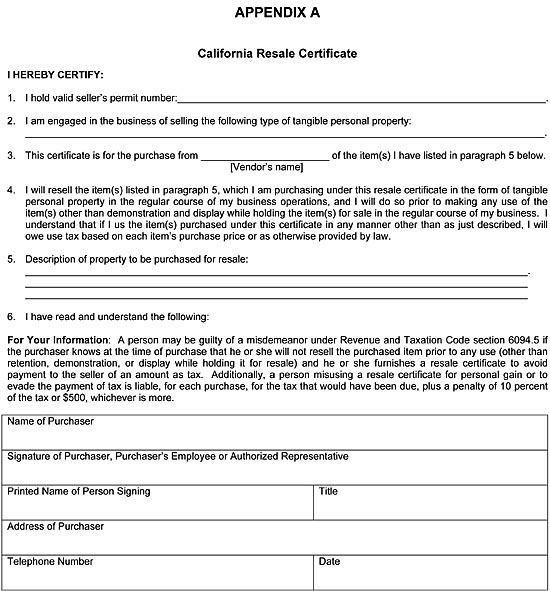
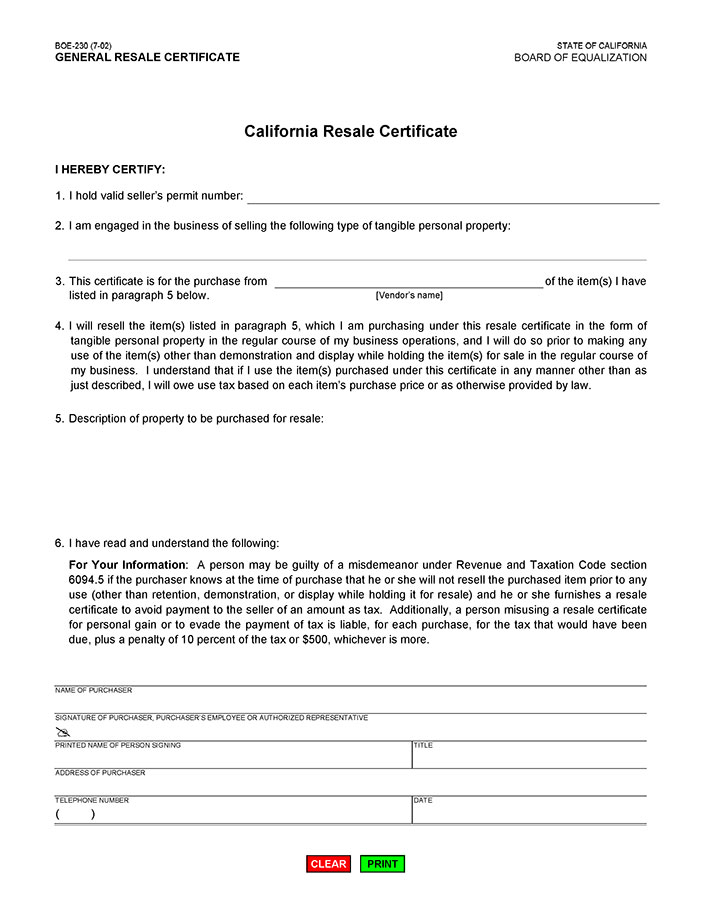
The primary purpose of the seller’s permit is twofold. Firstly, it allows the state to track and collect sales tax revenue, which is vital for funding public services. Secondly, it enables businesses to purchase items for resale without paying sales tax at the time of purchase. This is where the term “resale number” becomes particularly relevant. When you buy inventory from a wholesaler or manufacturer, presenting your seller’s permit (or providing its number) proves that you intend to resell those items to an end consumer, who will then pay the sales tax. This prevents double taxation—once when you purchase the item and again when you sell it.
Many lifestyle businesses, despite their informal appearance, fall squarely under the requirement for a seller’s permit. Imagine a designer selling bespoke apparel online, an artist exhibiting and selling paintings at a gallery, or a small business curating subscription boxes of local goods. All these activities involve selling tangible personal property and thus necessitate a permit. Neglecting this crucial step can lead to significant fines, back taxes, and even the suspension of your business operations, jeopardizing the very lifestyle you’re striving to create.
Navigating the Application Process
Obtaining a seller’s permit in California is a straightforward process, thanks to the accessibility of the California Department of Tax and Fee Administration (CDTFA) online application portal. This efficiency is a boon for busy lifestyle entrepreneurs. The CDTFA’s website is the primary and most convenient avenue for application, offering an intuitive interface that guides applicants through each required field.
Who Needs to Apply?
Generally, any individual or entity engaged in the business of selling tangible personal property in California that is subject to sales tax must hold a seller’s permit. This includes retailers, wholesalers, manufacturers, and even individuals who make a few sales per year, provided those sales are regular and continuous. If your business model involves selling goods to consumers, whether online, from a physical location, or at temporary events, this applies to you. Exemptions are rare and typically limited to specific non-profit activities or the sale of certain exempt items (like some food products or services that don’t involve tangible goods). When in doubt, it’s always safer to apply or consult with the CDTFA directly.
Step-by-Step Application Guide
- Access the CDTFA Website: Begin by visiting the official CDTFA website. Look for the “Register a Business” or “Apply for a Seller’s Permit” section. The online portal is designed for ease of use, allowing you to complete the entire application electronically.
- Gather Required Information: Before starting, ensure you have all necessary details on hand. This includes personal information (Social Security Number, Driver’s License/ID for individuals), business information (business name, address, phone number), and details about your business entity type (sole proprietorship, partnership, LLC, corporation). You’ll also need to provide an estimated monthly sales volume and the type of products you intend to sell.
- Complete the Online Application: The application involves several sections:
- Business Information: Provide your legal business name, trade name (DBA), business address, and contact information.
- Ownership Details: Specify the legal entity of your business (e.g., sole proprietor, LLC) and provide owner/partner/officer details, including their Social Security Numbers.
- Business Activities: Describe the nature of your business, what you sell, and your estimated monthly taxable sales. This helps the CDTFA determine your filing frequency.
- Effective Date: Indicate the date you started, or intend to start, making taxable sales.
- Review and Submit: Carefully review all the information you’ve entered for accuracy. Errors can lead to delays or issues later. Once satisfied, submit your application.
- Confirmation and Permit Issuance: After submission, you’ll typically receive an immediate confirmation and, in most cases, your seller’s permit number will be issued instantly. A physical permit document will usually be mailed to your business address within a few weeks. Temporary permits can often be obtained for short-term events.
While the online application is highly recommended, you also have the option to apply in person at a CDTFA field office or by mail. However, these methods may involve longer processing times. The California Department of Tax and Fee Administration website provides a comprehensive list of office locations and downloadable forms for mail-in applications if preferred.
Essential Documentation and Information
Preparing the necessary documentation and information beforehand can significantly streamline your application for a California seller’s permit. Having everything organized will prevent delays and ensure a smooth registration process.
Personal Identification
For sole proprietors or individuals, you will need:
- Social Security Number (SSN): This is mandatory for identification and tax purposes.
- Driver’s License or State ID Number: To verify your identity.
- Date of Birth: For personal identification.
If your business is a partnership, corporation, or Limited Liability Company (LLC), similar identification details will be required for the principal owners, partners, or corporate officers.
Business Details
Regardless of your business structure, you’ll need comprehensive information about your venture:
- Legal Business Name: The official name under which your business is registered.
- Fictitious Business Name (DBA): If you operate under a name different from your legal business name. This must typically be registered with your county clerk.
- Business Address: The physical location of your business. If you operate from home, this would be your home address.
- Mailing Address: If different from your business address.
- Contact Information: Phone number and email address.
- Business Entity Type: Whether you are a sole proprietorship, partnership, LLC, corporation, etc. This influences other legal and tax obligations.
- Federal Employer Identification Number (EIN): If your business is structured as anything other than a sole proprietorship with no employees, you will likely need an EIN from the IRS. Even sole proprietors with employees require an EIN.
- Description of Business Activities: A clear explanation of what your business does and what type of tangible personal property you will be selling.
- Estimated Monthly Taxable Sales: An approximate figure for the gross sales subject to sales tax you expect to make each month. This helps the CDTFA determine your filing frequency (e.g., monthly, quarterly, annually).
- Start Date of Business Operations: The date when you began or plan to begin making taxable sales.
Bank Account Information (Optional but Recommended)
While not strictly required for the initial application, having your bank account information readily available is beneficial for setting up electronic payments for sales tax remittances. The California Department of Tax and Fee Administration strongly encourages electronic filing and payment, which requires this information.
By having these details prepared before you begin the online application, you can ensure a swift and error-free process, moving you closer to legally operating your lifestyle business.
Sustaining Compliance and Record-Keeping
Obtaining your seller’s permit is just the beginning. Maintaining compliance with California sales tax laws is an ongoing responsibility that is vital for the long-term health and credibility of your lifestyle business. Diligent record-keeping and timely filing are paramount to avoiding penalties and ensuring smooth operations.
Understanding Sales Tax Remittance
Once you have your seller’s permit, you are obligated to collect sales tax from your customers on all taxable sales and remit it to the California Department of Tax and Fee Administration (CDTFA). The sales tax rate varies by locality within California, consisting of a statewide base rate plus various local district taxes. It’s crucial to charge the correct sales tax rate for the location where the sale occurs (or the customer resides, in the case of online sales). The CDTFA provides tools and resources, including a rate lookup by address, to help businesses determine the correct rate.
Your filing frequency (monthly, quarterly, or annually) will be determined by the CDTFA based on your estimated sales volume provided during the application. High-volume businesses typically file monthly, while smaller operations might file quarterly or annually. Missing filing deadlines or underpaying sales tax can result in significant penalties and interest, impacting your bottom line and reputation.
The Importance of Meticulous Record-Keeping
Accurate and comprehensive record-keeping is the bedrock of sales tax compliance. The CDTFA requires businesses to maintain records for at least four years. These records should include:
- Sales Records: Itemized invoices, cash register tapes, sales journals, and point-of-sale system reports detailing all sales, both taxable and non-taxable.
- Purchase Records: Invoices from suppliers, purchase orders, and records of goods bought for resale. These demonstrate that you legitimately used your resale number to avoid paying sales tax on items intended for resale.
- Exemption Certificates: If you make sales to other businesses for resale, you must obtain a valid resale certificate from them. Keep these certificates on file to prove why you did not charge sales tax on those transactions.
- Sales Tax Returns: Copies of all sales and use tax returns filed with the CDTFA.
- Bank Statements: To reconcile sales and payments.
Good record-keeping not only facilitates accurate tax filings but also prepares you for potential audits. An organized system can save immense time and stress, allowing you to focus more on the creative and operational aspects of your lifestyle business.
Common Pitfalls to Avoid
- Failing to Collect Sales Tax: Assuming certain items or sales channels are exempt without verification.
- Collecting the Wrong Rate: Charging an incorrect sales tax rate, especially with varying local district taxes.
- Missing Filing Deadlines: Late filing or payment incurs penalties.
- Inadequate Record-Keeping: Not having proper documentation to support sales and purchases, which can be problematic during an audit.
- Misusing Your Resale Number: Using your permit to purchase items for personal use without paying sales tax. This is illegal and can lead to severe penalties.
By understanding these obligations and integrating strong compliance practices into your business operations, you can safeguard your entrepreneurial journey and ensure your lifestyle business thrives responsibly within California’s regulatory framework.
Special Considerations for Lifestyle Businesses
The term “lifestyle business” often evokes images of flexibility, passion-driven work, and a certain degree of independence. However, even the most bohemian venture operating in California must adhere to the state’s tax regulations, particularly concerning the seller’s permit. Understanding how these apply to diverse lifestyle business models is crucial for sustainable growth.
Online Retailers and E-commerce Platforms
For many lifestyle entrepreneurs, the internet serves as their primary storefront. Whether you sell handmade goods on platforms like Etsy, vintage finds on eBay, or run your own Shopify store, if your customers are located in California, you are required to collect and remit sales tax. The geographic location of your business (where you operate from) and your customers determine the correct sales tax rate. It’s essential to configure your e-commerce platform or accounting software to automatically calculate and collect the appropriate sales tax based on the customer’s shipping address. This ensures compliance, even if your physical presence is limited to a home office.
Pop-up Shops, Markets, and Temporary Events
The allure of lifestyle businesses often includes the freedom to engage with customers directly at various events, from farmers’ markets and craft fairs to large conventions and temporary pop-up shops. While these temporary sales opportunities are excellent for brand visibility and direct sales, they still require a seller’s permit. In fact, many event organizers will explicitly ask for your permit number as part of the vendor application process.
If you only plan to sell at temporary events for a short period (e.g., less than 90 days a year), you might be eligible for a temporary seller’s permit. However, if your participation in such events is regular and continuous, even if seasonal, a regular seller’s permit is typically required. Be prepared to display your permit at your booth or stall, as compliance checks can occur. The California Department of Tax and Fee Administration often has representatives at major events to assist vendors and ensure compliance.
Artisans, Makers, and Creative Entrepreneurs
Artists selling their original pieces, craftspeople marketing their handcrafted items, or designers offering custom apparel – these creative endeavors are cornerstones of many lifestyle businesses. If your creations are tangible and you sell them to customers, a seller’s permit is necessary. This applies whether you sell from your studio, an art gallery, online, or at local artisan markets. The value inherent in your creative work doesn’t exempt you from sales tax obligations. It’s important to factor sales tax into your pricing strategy, either by adding it on top of the displayed price or by ensuring your listed price is “tax-inclusive,” clearly stating this to customers.

Services vs. Tangible Goods
A common point of confusion arises when lifestyle businesses offer both services and tangible goods. For instance, a graphic designer might create logos (a service) but also sell printed t-shirts with their designs (tangible goods). Generally, pure services are not subject to sales tax in California. However, if your service involves producing a tangible item or if you sell products as part of a service package, the tangible portion might be taxable. It’s crucial to understand the distinction and accurately separate taxable sales from non-taxable service income in your records. When in doubt, consulting with a tax professional or the California Department of Tax and Fee Administration can provide clarity specific to your unique business model.
By proactively addressing these specific considerations, lifestyle entrepreneurs can seamlessly integrate sales tax compliance into their business operations, ensuring that their passion-driven ventures remain legally sound and financially robust. Securing your seller’s permit is a pivotal step towards building a successful and worry-free lifestyle business in California.
LifeOutOfTheBox is a participant in the Amazon Services LLC Associates Program, an affiliate advertising program designed to provide a means for sites to earn advertising fees by advertising and linking to Amazon.com. Amazon, the Amazon logo, AmazonSupply, and the AmazonSupply logo are trademarks of Amazon.com, Inc. or its affiliates. As an Amazon Associate we earn affiliate commissions from qualifying purchases.