
Understanding the various tax rates in California is crucial for anyone planning a visit, a long-term stay, or even considering an investment in accommodation within the Golden State. From the moment you book a hotel to the groceries you purchase for your extended stay, taxes play a significant role in your overall expenditure. This guide delves into the primary tax rates that impact accommodation and related expenses, offering insights to help you budget effectively and avoid any financial surprises.
Understanding California’s Tax Landscape for Your Stay
California’s tax system is multifaceted, comprising state-level taxes and numerous local taxes imposed by counties and cities. For those focused on accommodation, the most relevant taxes typically fall into categories like sales tax, transient occupancy tax, and in some cases, property tax. Each of these can significantly influence the final cost of your stay, whether you’re vacationing in San Francisco, conducting business in Los Angeles, or exploring the wine country of Napa Valley. Being informed allows for better financial planning, ensuring your accommodation budget is realistic and comprehensive.
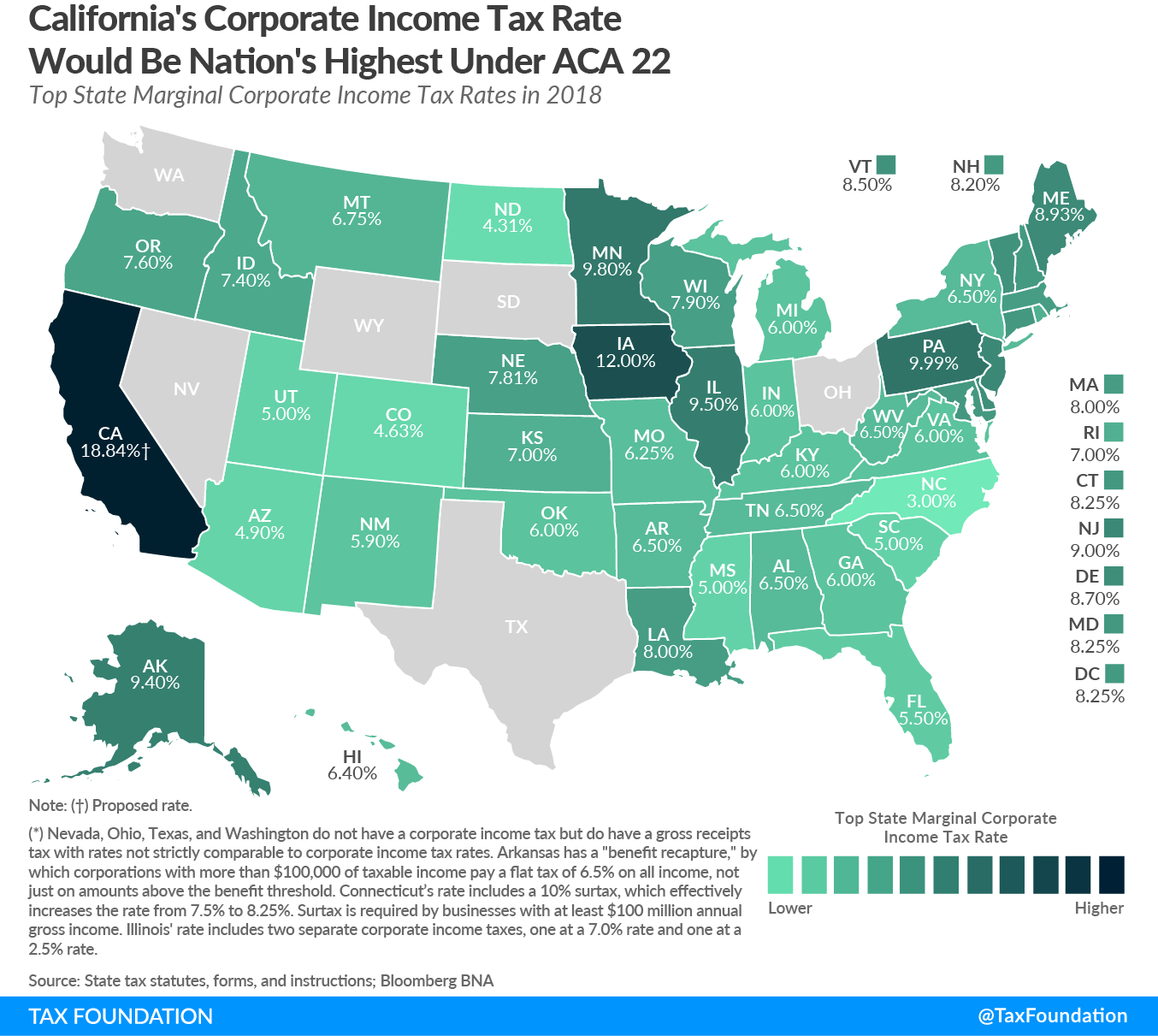
The state’s diverse geography and local governance mean that tax rates can vary considerably from one region to another. A stay in bustling urban centers like San Diego might incur different tax liabilities compared to a tranquil retreat in a less populated county. This localized variation is particularly evident in the Transient Occupancy Tax, which is a significant component of hotel and short-term rental costs. Additionally, the broader economic climate and specific local initiatives can lead to changes in these rates, making it essential to check current figures when planning your trip or investment.
Beyond the direct costs, taxes also indirectly shape the accommodation landscape by influencing property development, rental market dynamics, and the availability of certain types of lodging. High property taxes in certain areas, for example, can contribute to higher rental rates for long-term accommodations, while competitive Transient Occupancy Tax rates might be used by cities to attract tourism. Therefore, a holistic understanding of California’s tax structure offers more than just budget clarity; it provides a deeper insight into the economic fabric of the state’s accommodation sector.
Key Taxes Affecting Accommodation Costs
When planning your stay in California, several types of taxes will directly impact your accommodation expenses. These include the Transient Occupancy Tax, the statewide sales tax, and for longer-term considerations, property taxes. Each has its own structure and application, and understanding them is vital for accurate budgeting.
Transient Occupancy Tax (TOT) – The Hotel Tax
The Transient Occupancy Tax, often referred to as the “hotel tax” or “bed tax,” is a local tax levied by cities and counties on guests staying in hotels, motels, bed-and-breakfasts, and short-term rentals for periods typically less than 30 days. This tax is a significant source of revenue for local governments, funding various public services and infrastructure projects. The crucial point about TOT is that its rate is not uniform across California; it varies widely from one jurisdiction to another.
For instance, major tourist destinations and business hubs tend to have higher TOT rates. In Los Angeles, the city’s TOT can be a notable percentage, while in San Francisco, guests might encounter an even higher rate, sometimes combined with other local assessments. Popular areas like Anaheim, home to major attractions, also impose significant TOT. Conversely, smaller towns or less tourist-heavy regions might have lower rates or sometimes none at all, though this is increasingly rare.
It’s important to remember that the TOT is applied to the gross room rental charge, excluding any other fees like resort fees, cleaning fees, or parking charges (unless specified by local ordinance). When booking through platforms like Airbnb, VRBO, or direct hotel websites, the TOT is typically itemized separately or included in the final price breakdown. Always confirm the exact rate for your specific accommodation location to avoid surprises. This tax can add a substantial amount to the total cost of your stay, especially for longer durations or more expensive lodging.
California Sales Tax – Purchases During Your Stay
Beyond the direct cost of your accommodation, the California sales tax will affect nearly every purchase you make during your stay. This tax applies to the sale of tangible personal property, meaning most goods you buy, from souvenirs to clothing, and even prepared food from restaurants. The sales tax rate in California is composed of a statewide base rate and various local add-on rates (district taxes) imposed by counties and cities.
As of recent figures, the statewide base sales tax rate is 7.25%. However, due to district taxes, the actual combined sales tax rate you pay will almost certainly be higher, varying by location. For example, in a city like Oakland, the combined sales tax rate could be significantly higher than the base rate due to city and county district taxes. Similarly, in other major metropolitan areas like Sacramento or San Jose, the combined rate often exceeds 9% and can even approach 10% or more in some specific districts.
It’s crucial to understand that while groceries for home cooking (unprepared food) are generally exempt from sales tax, prepared food consumed on or off the premises (e.g., restaurant meals, takeout, hot deli items) is subject to sales tax. This distinction can influence your dining budget significantly. Other services, generally, are not subject to sales tax unless they involve the fabrication or installation of tangible personal property. When budgeting for your trip, factoring in these sales tax rates on everyday purchases, dining out, and shopping is just as important as accounting for your accommodation costs.
Property Taxes – Considerations for Long-Term Accommodation
While not directly levied on short-term guests, property taxes in California are an indirect but significant factor for anyone considering long-term accommodation, property ownership, or even for understanding the underlying economics of the rental market. Property taxes are assessed annually on real estate and are a primary revenue source for local governments, funding schools, police, fire departments, and other community services.
California’s property tax system is famously shaped by Proposition 13, which limits the base property tax rate to 1% of the property’s assessed value at the time of purchase, plus any voter-approved local bonds or special assessments. The assessed value can only increase by a maximum of 2% per year until the property is sold, at which point it is reassessed at the new sale price. This system means that property tax bills can vary dramatically between similar properties in the same neighborhood, depending on when they were last purchased.
For individuals seeking long-term accommodation (e.g., renting an apartment or house for several months or years), property taxes are an embedded cost within the rental price. Landlords factor their property tax expenses, along with other operating costs, into the monthly rent. Therefore, understanding the general property tax burden in a given area provides insight into the cost of living and the long-term rental market. For those considering purchasing a vacation home or an investment property for short-term rentals, property taxes become a direct and substantial annual expense that must be carefully calculated into the overall financial feasibility of the investment. The long-term implications of California’s property tax system are complex, but recognizing its impact on the cost of housing and accommodation is essential.
Navigating Local Variations and Hidden Costs
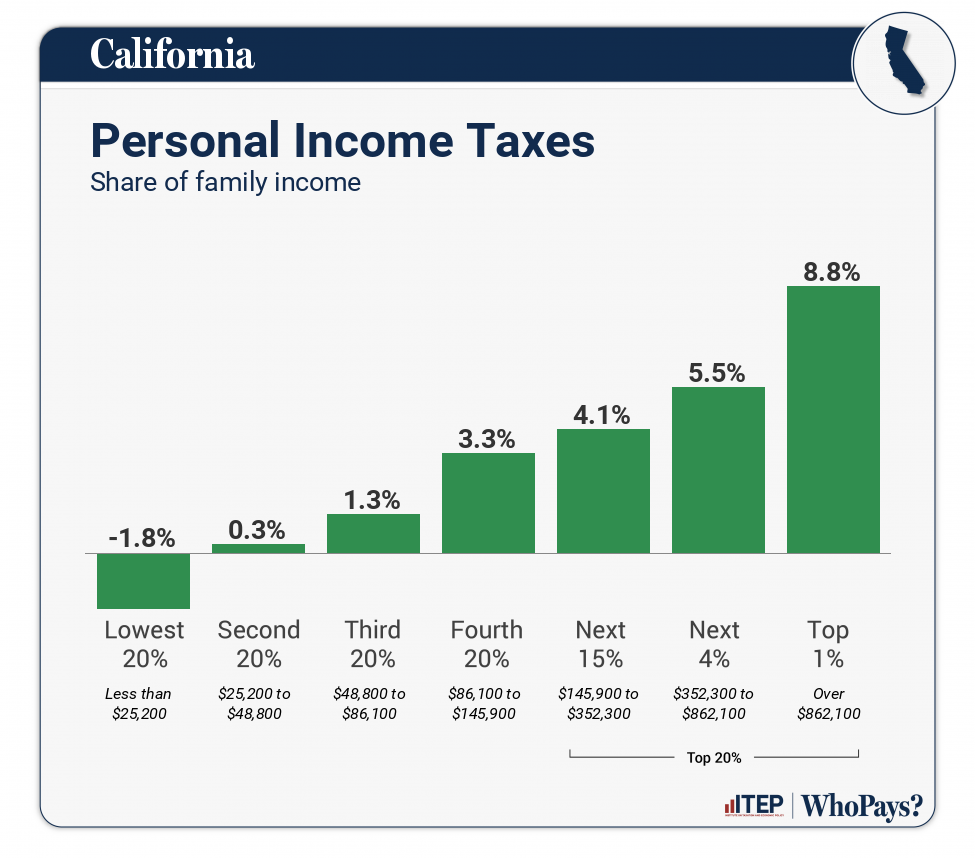
The dynamic nature of tax rates in California extends beyond just the type of tax; it also encompasses significant local variations and the presence of various non-tax-related hidden costs that can inflate your total accommodation budget. Being aware of these nuances is paramount for accurate financial planning, whether you’re traveling for leisure or business.
Geographic Discrepancies in Tax Rates
As discussed, the Transient Occupancy Tax (TOT) is a prime example of a tax that fluctuates dramatically across different cities and counties within California. For instance, a stay in Santa Monica, a popular coastal city near Los Angeles, will likely incur a different TOT rate than an equivalent stay in Palm Springs or Monterey. These variations are a direct result of local municipal decisions, often influenced by the city’s tourism reliance, infrastructure needs, and voter-approved measures. Some cities may also impose additional tourism-related assessments or fees on top of the standard TOT.
Similarly, sales tax rates are not uniform. While the statewide base rate is fixed, district taxes, which fund local services, can push the combined sales tax rate significantly higher in specific areas. A purchase made in downtown San Francisco or within a special tax district in Los Angeles could carry a higher sales tax percentage than the same item bought in a neighboring, less developed area. This means that budgeting for incidentals and purchases should account for potential regional differences in sales tax. Always verify the current sales tax rate for the specific zip code where you plan to make significant purchases or spend a substantial amount of time. Online tax calculators or local government websites are excellent resources for pinpointing precise rates.
Beyond Taxes: Uncovering Additional Accommodation Fees
While taxes are a mandated part of the cost, many accommodations, particularly hotels and short-term rentals, often include a range of additional fees that are not taxes but can substantially increase the final price. These “hidden costs” are critical to identify during the booking process.
One of the most common is the resort fee or destination fee. Predominantly found in higher-end hotels or resorts, especially in tourist-heavy areas like Las Vegas (though California has its share), these fees are typically charged per night and cover amenities such as Wi-Fi, fitness center access, pool towels, or local calls, irrespective of whether you use them. They are often not included in the initial quoted room rate and can add anywhere from $20 to over $100 per night.
For short-term rentals booked through platforms like Airbnb or VRBO, cleaning fees are almost universal. These are one-time charges that cover the cost of preparing the property for the next guest. While understandable, these fees can sometimes be disproportionately high for very short stays, making a one-night booking significantly more expensive per night than a multi-night stay. Other potential fees include service fees charged by the booking platform, early check-in/late check-out fees, pet fees, or parking fees, especially in urban centers like San Jose.
When evaluating accommodation options, it is always advisable to review the total price breakdown before confirming your reservation. Look for sections detailing “taxes and fees” or a “total due” amount. Reputable booking sites and hotels will typically disclose these additional charges clearly, but a quick glance at only the nightly rate can be misleading. By being diligent in reviewing all charges, you can effectively navigate the full cost of your stay in California and avoid any unwelcome surprises.
Tax Implications for Accommodation Providers
For individuals or businesses operating in the accommodation sector in California, understanding the tax landscape extends beyond what guests pay. Providers, whether operating a large hotel or a single short-term rental through platforms like Airbnb, face specific tax obligations related to their income and business operations.
Income Tax for Rental Income
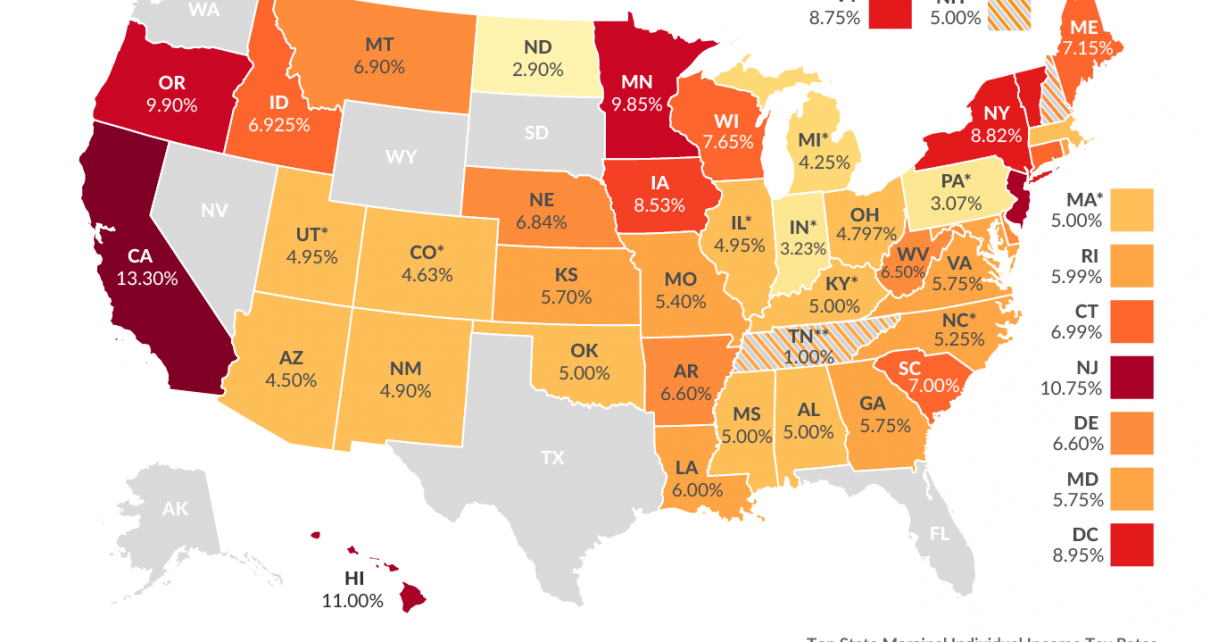
Any income generated from renting out property in California, whether it’s a long-term lease or a short-term vacation rental, is generally considered taxable income. This applies to both federal and state income taxes. Rental income includes not just the basic rent but also any additional payments such as cleaning fees, pet fees, or security deposits that are not returned.
Property owners must report this income on their tax returns. For federal purposes, this typically involves filing a Schedule E (Supplemental Income and Loss) with Form 1040. California also requires reporting of this income on the state income tax return, following similar guidelines. Crucially, while income is taxable, providers can deduct eligible expenses related to the rental property, such as mortgage interest, property taxes (within limits), insurance, repairs, utilities, and depreciation. Accurate record-keeping of both income and expenses is essential for compliance and minimizing tax liability.
For short-term rental hosts, the nuances can be more complex, especially if the property is also used personally. The “14-day rule” allows hosts who rent out their property for 14 days or less during the year to not report the rental income, provided they also use the property for personal purposes for a certain number of days. However, this also means they cannot deduct related expenses. Most hosts, however, exceed this threshold, making income reporting and expense tracking a critical annual task.
Business Licenses and Local Taxes
Beyond income tax and the collection of Transient Occupancy Tax from guests, accommodation providers in California may also be subject to various local business taxes and licensing requirements. Many cities and counties require businesses, including short-term rental operators, to obtain a business license or permit before operating legally. This often involves an application process and may include an annual fee.
Some jurisdictions also impose a separate business operating tax or gross receipts tax on accommodation providers, calculated as a percentage of their total rental income. These taxes are distinct from the TOT collected from guests and represent an additional operational cost for the business. For example, a city might require all short-term rental hosts to register, pay an annual permit fee, and then also pay a percentage of their gross rental receipts as a local business tax.
Compliance with these local regulations is critical. Non-compliance can lead to significant penalties, fines, and even legal action. Local governments are increasingly scrutinizing short-term rental operations, driven by concerns over housing availability, neighborhood impacts, and revenue generation. Therefore, anyone providing accommodation in California must thoroughly research and adhere to all federal, state, and local tax and licensing requirements pertinent to their specific operation to ensure legal and financially sound practices.
LifeOutOfTheBox is a participant in the Amazon Services LLC Associates Program, an affiliate advertising program designed to provide a means for sites to earn advertising fees by advertising and linking to Amazon.com. Amazon, the Amazon logo, AmazonSupply, and the AmazonSupply logo are trademarks of Amazon.com, Inc. or its affiliates. As an Amazon Associate we earn affiliate commissions from qualifying purchases.