
Jury duty is a cornerstone of the American justice system, a civic obligation outlined in the U.S. Constitution that ensures every citizen has the right to a fair trial by an impartial jury. For those who embrace a dynamic lifestyle, characterized by frequent travel, demanding professional schedules, or significant personal commitments, the prospect of an unexpected summons for jury service in California can present a considerable logistical challenge. While the intent is never to evade this vital responsibility, understanding the legitimate avenues for postponement or excuse, and how to navigate the system effectively, is crucial for minimizing disruption to one’s life. This guide aims to provide insightful, professional advice for managing jury duty in California within the context of a busy, modern lifestyle.

Understanding Your Civic Duty: The California Context
The California jury system is designed to be inclusive, drawing jurors from a broad cross-section of the population to ensure diverse perspectives in courtrooms across the state. Every adult citizen who meets basic eligibility requirements is subject to being called for service. Eligibility typically requires that you are:
- A citizen of the United States
- At least 18 years of age
- A resident of the county where you were summoned
- Able to understand English well enough to follow court proceedings
- Not currently incarcerated, on parole, or probation for a felony conviction
- Not currently required to register as a sex offender
Upon receiving a summons from your local Superior Court, it is imperative to respond promptly. Ignoring a summons can lead to legal penalties, including fines and even imprisonment, underscoring the seriousness of this civic obligation. The goal is not to “get out of” jury duty entirely without reason, but rather to understand how to manage it responsibly, especially when legitimate conflicts arise with your lifestyle.
Legitimate Excuses and Postponements for the Modern Lifestyle
California courts recognize that life circumstances can make jury service unduly burdensome or even impossible at a given time. There are several categories of excuses and postponements that align well with challenges faced by individuals leading a highly mobile or demanding lifestyle.
Postponement for Travel or Business Commitments
One of the most common reasons for seeking a postponement is pre-booked travel or essential business commitments. If you have non-refundable flights, hotel reservations, or critical business meetings scheduled during your jury service period, you may be eligible for a deferral.
- Documentation is Key: Courts typically require documentation to support your claim. For travel, this might include airline tickets, hotel confirmations, or a detailed itinerary. For business, a letter from an employer or proof of a critical meeting might be necessary.
- One-Time Deferral: Most California courts grant a one-time postponement for up to 90 days. This allows you to reschedule your service to a time that better fits your lifestyle, without having to request a full excuse. Be prepared to choose a new date within the allowable timeframe.
- Online Portal: Many county courts, such as those in Los Angeles or San Francisco, offer online portals where you can request a postponement and upload supporting documents, streamlining the process for busy individuals.
Excuses Based on Hardship
Financial or personal hardship can also be a valid reason for excusal or postponement.
- Caregiving Responsibilities: If you are the sole caregiver for a child, an elderly person, or an incapacitated individual, and finding alternative care for the period of jury service would cause undue hardship, you may be excused.
- Medical Conditions: A physical or mental disability, or a severe medical condition that prevents you from serving, can be a valid excuse. This often requires a doctor’s note or a formal medical certificate. California courts comply with the Americans with Disabilities Act to ensure accommodations or excusals are handled appropriately.
- Financial Hardship: While less common for a full excusal, if jury service would result in severe financial hardship (e.g., you are self-employed and cannot earn income, or your employer does not compensate for jury duty and it would cause significant economic strain), you might be able to request an excuse or postponement. This is often evaluated on a case-bycase basis by the Jury Commissioner.
Other Legitimate Reasons
- Lack of English Proficiency: If you cannot understand English well enough to comprehend the proceedings, you are not qualified to serve.
- Prior Service: In California, if you have completed jury service within the past 12 months (or 18-24 months in some counties, check local rules), you may be excused.
It is crucial to be honest and provide truthful information. Misrepresenting your circumstances can lead to serious legal consequences.
Navigating the Summons: Practical Steps for a Busy Life
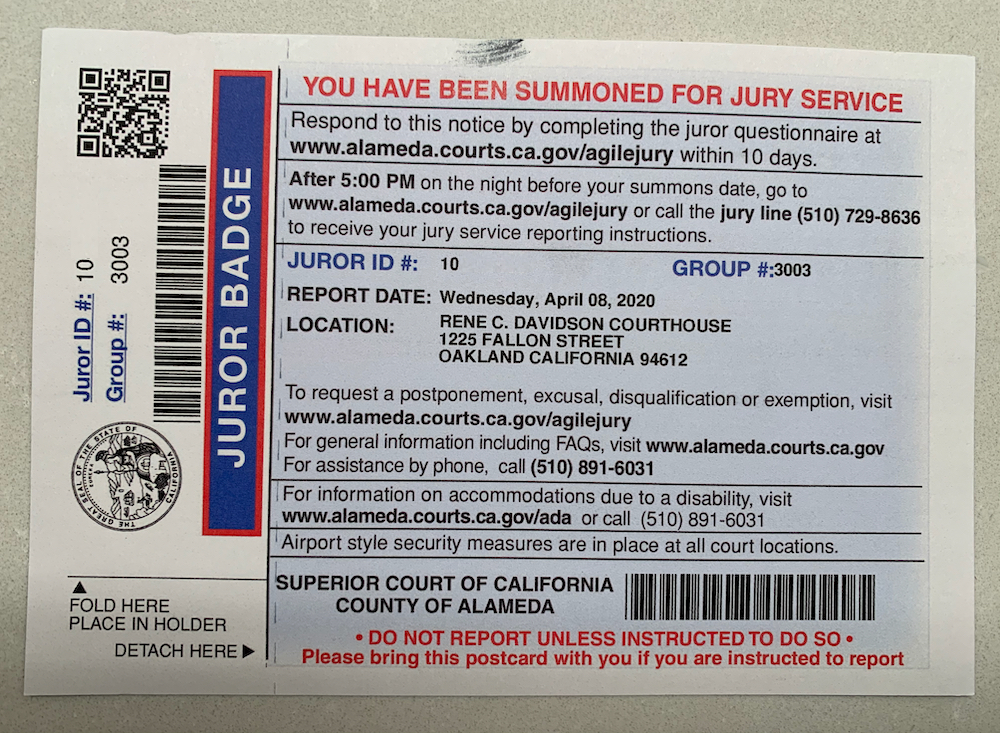
Receiving a jury summons can feel daunting, but a structured approach can help streamline the process, especially for those with complex schedules.
Step 1: Read the Summons Carefully
Every summons contains critical information, including your reporting date, location (e.g., San Diego Superior Court), and specific instructions for responding. Pay close attention to deadlines for requesting postponements or excuses. The instructions often direct you to a website or phone number for managing your service.
Step 2: Act Promptly and Communicate
Do not wait until the last minute. If you anticipate a conflict, contact the Jury Commissioner’s office immediately.
- Online Systems: Many courts, including those in Orange County and Sacramento, have online systems where you can manage your summons. This is often the most efficient way to request a postponement or submit an excuse, allowing you to do so at your convenience from anywhere.
- Phone Calls: If an online option isn’t available or you need clarification, be prepared for potential wait times when calling. Have your juror badge number ready.
- Written Requests: Some situations may require a written request, particularly for complex medical or hardship excuses. Ensure your written request is clear, concise, and includes all necessary documentation.
Step 3: Be Prepared for “On-Call” Service
Many California counties utilize an “on-call” system, where you might be required to check a website or call a number daily for a week to see if you need to report. This system is designed to reduce unnecessary trips to the courthouse, but it still requires flexibility and attentiveness, especially for those who travel frequently or have unpredictable schedules. If you are traveling, ensure you have reliable internet access and phone service to check your status.
Strategic Approaches for the Self-Employed and Frequent Traveler
Individuals whose lifestyle is built around self-employment or frequent travel face unique challenges with jury duty.
For the Self-Employed
- Financial Planning: Factor the potential loss of income into your financial planning. While California jurors receive a small per diem after the first day, it rarely covers lost earnings for the self-employed.
- Client Communication: If you are selected for a trial, communicate clearly and proactively with your clients about potential delays or interruptions to your work. Set expectations and, if possible, delegate responsibilities or pause projects during your service.
- Document Hardship: If jury duty would genuinely jeopardize your business or livelihood, prepare a detailed explanation and supporting documentation (e.g., recent income statements, proof of upcoming contracts) to present as a financial hardship excuse to the Jury Commissioner or the judge.
For the Frequent Traveler
- Monitor Mail: Even if you travel extensively, ensure you have a reliable system for receiving and reviewing your mail. A jury summons can arrive unexpectedly. Consider designating a trusted individual to check your mail if you are away for extended periods.
- Advance Planning: If you know you’ll be out of the county or country during your potential service period, initiating a postponement request as soon as you receive the summons is vital. Do not wait until you are already traveling.
- Understand Residency: Remember that jury duty is tied to your legal residence. If your lifestyle involves maintaining multiple residences or spending significant time abroad, ensure your primary legal residence is clearly defined and consistent with your voter registration and driver’s license.

The Impact on Your Lifestyle and How to Prepare
Ultimately, jury duty is an unavoidable civic obligation for most citizens. While legitimate reasons exist for postponement or excusal, a significant number of people will serve. Preparing for this possibility can lessen its impact on your lifestyle.
- Schedule Flexibility: Build flexibility into your work and personal life. If you are called, consider it a period for civic engagement rather than a disruption.
- Remote Work Capabilities: For those whose jobs allow it, having the infrastructure for remote work can be invaluable during “on-call” periods or even during breaks in court proceedings, if permissible.
- Embrace the Experience: While inconvenient, serving on a jury offers a unique glimpse into the justice system and fulfills a critical democratic function. Many jurors find the experience surprisingly insightful and rewarding.
Navigating jury duty in California requires prompt attention, clear communication, and an understanding of the court’s procedures. By leveraging legitimate reasons for postponement or excuse, and preparing proactively, individuals with demanding or travel-heavy lifestyles can manage this civic responsibility effectively, minimizing unnecessary disruption while upholding their duty to the community. Always refer to the specific instructions provided in your summons and on your county’s Superior Court website for the most accurate and up-to-date information.
LifeOutOfTheBox is a participant in the Amazon Services LLC Associates Program, an affiliate advertising program designed to provide a means for sites to earn advertising fees by advertising and linking to Amazon.com. Amazon, the Amazon logo, AmazonSupply, and the AmazonSupply logo are trademarks of Amazon.com, Inc. or its affiliates. As an Amazon Associate we earn affiliate commissions from qualifying purchases.