
Understanding property tax in California is a cornerstone of financial planning for anyone considering homeownership, investment, or simply managing their lifestyle within the Golden State. Unlike many other states, California’s property tax system is profoundly influenced by Proposition 13, a landmark amendment passed in 1978. This initiative fundamentally altered how properties are assessed and taxed, creating a unique landscape that impacts everything from housing affordability to long-term financial stability. For current and prospective residents, grasping these intricacies is not just about fulfilling a civic duty; it’s about making informed decisions that shape one’s quality of life and financial future.

Understanding California’s Prop 13 Legacy
Proposition 13 remains the most significant factor defining California’s property tax system. Before its passage, property taxes were based on a property’s market value, which could skyrocket during real estate booms, leading to unaffordable tax bills and forced sales for many long-term homeowners. Proposition 13 changed this by capping the base tax rate and limiting how much a property’s assessed value can increase annually. This has profound implications for lifestyle choices, particularly for those looking to buy a home or planning for retirement in the state.
The Acquisition Value Principle
At the heart of Proposition 13 is the “acquisition value” principle. This means that a property’s base value for tax purposes is generally set at its fair market value at the time it was purchased or newly constructed. For homeowners, this provides a significant sense of predictability and stability regarding their property tax obligations. A person who bought a home in Los Angeles County decades ago for a fraction of its current market value often pays substantially less in property taxes than a new buyer across the street who purchased a similar home recently. This disparity directly influences budgeting, particularly for those on fixed incomes or considering generational wealth transfer. It can make staying in a long-held family home significantly more financially viable than purchasing a new one at current market rates.
Annual Assessment Caps
Beyond the acquisition value, Proposition 13 also limits how much a property’s assessed value can increase each year. The assessed value can rise by no more than 2% annually, or the percentage change in the California Consumer Price Index (CPI), whichever is lower. This cap protects homeowners from sudden, dramatic increases in their tax bills, even if the market value of their property escalates rapidly. This predictability is crucial for personal financial planning, allowing families to forecast housing expenses with greater certainty. It encourages long-term homeownership, as the tax burden generally remains manageable over time, contrasting sharply with states where assessments can rise much more steeply with market fluctuations. This stable tax environment impacts retirement planning, making California an attractive option for those who already own property within the state and wish to age in place.
Reassessment Events
While the 2% cap offers stability, there are specific “reassessment events” that trigger a reset of a property’s base value to its current market price. The most common reassessment event is a change in ownership. When a property is sold, gifted, or transferred (with some specific exclusions, such as transfers between parents and children or grandparents and grandchildren, under certain conditions and Proposition 19, which further modified these rules), its assessed value is updated to the new purchase price. Major new construction or substantial additions can also trigger a reassessment of the new improvements. Understanding these triggers is vital for anyone planning to buy, sell, or significantly renovate a home in California, as they directly impact the future property tax liability and, consequently, the long-term affordability of the property. For those eyeing a move, knowing how a purchase will reset the tax basis is paramount to budgeting for a new lifestyle in a different community.
Deconstructing the Property Tax Formula
Calculating your total property tax bill in California involves more than just understanding Proposition 13. It requires piecing together several components that contribute to the final amount due. This formula dictates a significant portion of the cost of living and the overall financial picture for homeowners throughout the state.
The Base Tax Rate
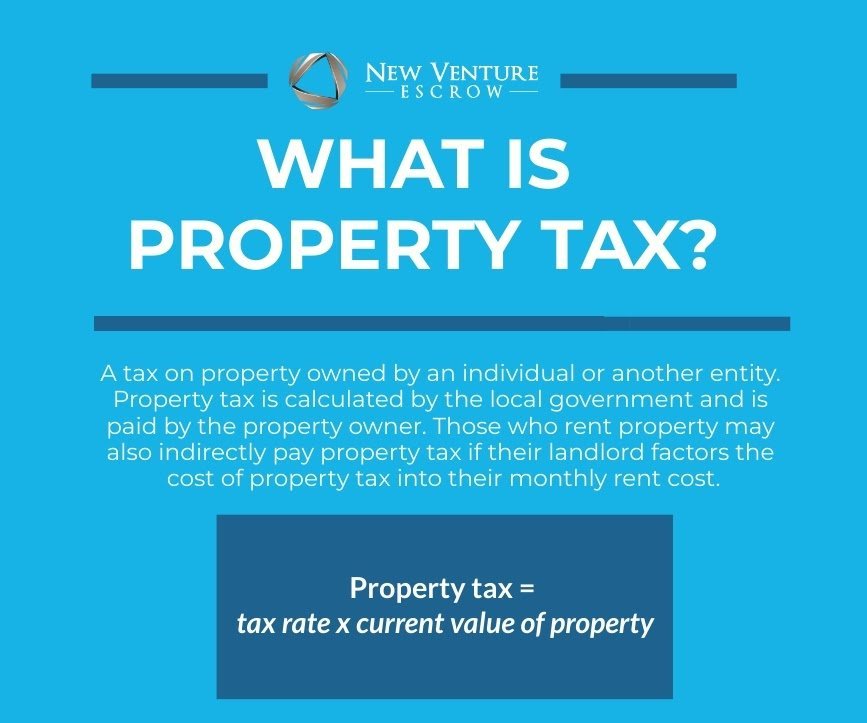
The first component is the base tax rate. Under Proposition 13, this rate is capped at 1% of the property’s assessed value. This 1% is distributed among various local government entities, including counties, cities, schools, and special districts. For example, if a home’s assessed value is $500,000, the base tax would be $5,000 annually. This relatively low base rate is often cited as a benefit for homeowners in California, especially when compared to states with significantly higher percentage rates. However, it is just one part of the equation, and the total bill often exceeds this initial 1%. Understanding this base is critical for initial budgeting when considering a move or home purchase in areas like San Francisco or Orange County, where home values are exceptionally high.
Direct Levies and Voter-Approved Bonds
In addition to the 1% base rate, California property tax bills often include “direct levies” or “voter-approved bonds.” These are additional taxes authorized by local voters to fund specific projects or services within a community. Common examples include bonds for school construction, park improvements, public safety services, or infrastructure upgrades. These levies are added on top of the 1% base tax rate and are not subject to Proposition 13’s 2% annual cap. The amount of these additional levies can vary significantly from one county or city to another, depending on local needs and voter approval. This means two homes with the same assessed value, but located in different school districts or municipal areas, could have very different total tax bills. Prospective homeowners must research these additional levies for specific neighborhoods, as they directly impact the long-term financial commitment and influence the total cost of living in that area.
Special Assessment Districts
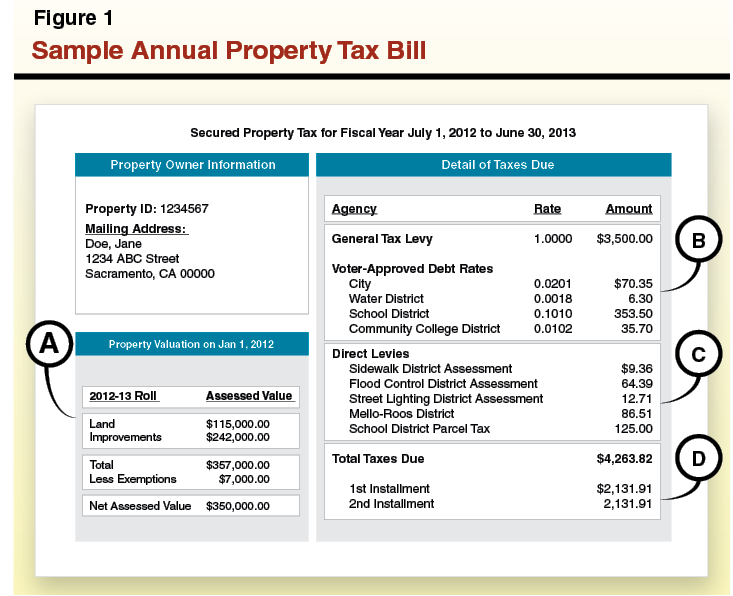
Another layer of property tax can come from “special assessment districts,” often referred to as Mello-Roos districts or Community Facilities Districts (CFDs). These districts are formed to finance public improvements or services that benefit specific areas, such as new roads, sewers, parks, or even police and fire services in newly developed communities. Properties within these districts pay an additional tax, which is typically fixed for a period or increases at a specific rate outlined in the bond documents. Mello-Roos taxes are not ad valorem (based on value) but are instead typically based on factors like square footage of the home or lot size. These assessments can add thousands of dollars to an annual property tax bill, significantly impacting the overall affordability of a home, especially in newer developments. Individuals considering purchasing a new home, particularly in growth areas of California, must meticulously investigate whether a property falls within such a district. This information is crucial for understanding the true cost of homeownership and for long-term financial planning, directly influencing whether a particular lifestyle within a new community is sustainable.
Practical Steps to Estimate Your Tax Bill
With the theoretical framework in place, calculating an estimated property tax bill for a California property becomes a practical exercise. This estimation is a critical step for budgeting, evaluating potential home purchases, and ensuring financial readiness for the responsibilities of homeownership.
Locating Your Assessed Value
The first step is to determine the property’s assessed value. If you are buying a home, this will generally be the purchase price. For existing homeowners, your county assessor’s office records the current assessed value. This information is typically available online through the county assessor’s website by searching for the property’s address or Assessor’s Parcel Number (APN). The assessed value will be the basis for calculating the 1% base tax. For prospective buyers, assuming the purchase price as the initial assessed value is the most accurate starting point. Understanding this value is paramount because it is the foundation upon which your future tax obligations, and thus a significant part of your lifestyle costs, will be built.
Applying Local Tax Rates
Once you have the assessed value, you can apply the general 1% base tax rate. So, if your assessed value is $800,000, your base tax will be $8,000. Next, you need to identify any additional direct levies and special assessments specific to that property’s location. This is often the trickiest part, as these vary by jurisdiction. Your county treasurer-tax collector’s website is the best resource for this. Many counties provide a “tax bill lookup” feature where you can enter an APN to see a breakdown of all current taxes and assessments for a specific parcel. This will show not only the 1% base tax but also school bonds, municipal bonds, and any Mello-Roos fees. This detailed breakdown is essential for painting a complete financial picture, informing whether a particular property aligns with one’s desired lifestyle and budget. For example, a home in a highly-rated school district might have higher school bonds, reflecting a community investment that aligns with a family-oriented lifestyle.
Accounting for Exemptions and Reductions
California offers several exemptions and reductions that can lower a property owner’s tax liability. The most common is the Homeowners’ Exemption, which can reduce a property’s assessed value by $7,000, leading to a small but consistent annual tax saving (typically around $70). This exemption is available for principal residences and must be applied for. Other potential exemptions include those for disabled veterans or properties undergoing reconstruction due to natural disasters. It’s crucial for eligible homeowners to apply for these exemptions, as they directly contribute to financial relief and can make a difference in managing the annual cost of living. While individually small, these exemptions collectively contribute to a more affordable living situation, helping sustain a chosen lifestyle within the state.
The Lifestyle Impact of California Property Taxes
The property tax system in California, with its unique Proposition 13 framework, has a profound and often complex impact on residents’ lifestyles, financial planning, and broader economic decisions.
Budgeting for Homeownership in High-Cost Areas
In regions like the Bay Area, Southern California, and coastal cities where home values frequently exceed a million dollars, property taxes become a significant line item in a homeowner’s budget. Even with the 1% base rate, 1.25% or 1.5% total effective rate (when including bonds and levies) on a million-dollar home still equates to $12,500 to $15,000 annually. This substantial recurring expense dictates how much disposable income families have for other lifestyle choices, such as leisure, travel, or savings. For new buyers, the high upfront cost combined with the ongoing property tax can necessitate difficult budgeting decisions, potentially limiting choices in other areas of life. Understanding the full property tax burden upfront is crucial for maintaining a desired lifestyle without undue financial strain.
Relocation and Retirement Planning
California’s property tax system heavily influences relocation and retirement planning. For long-term homeowners who bought before the surge in real estate values, their Proposition 13-protected low tax base makes staying in their homes incredibly appealing, even in an expensive state. Moving to a new home within California (unless using specific provisions like Proposition 19 for seniors or those with disabilities moving to a less expensive home) would trigger a reassessment to the new purchase price, potentially leading to a much higher tax bill. This can effectively “lock in” homeowners, influencing their decisions about downsizing, moving closer to family, or seeking a different community lifestyle. For those retiring, the stability of a low property tax base is a major financial advantage, allowing them to stretch their retirement income further. Conversely, individuals considering moving into California for retirement must account for the current market values and their associated higher property tax bills, which can be a significant barrier to entry, shaping where and if they can afford to retire in the state.
Impact on Real Estate Investment Decisions
For real estate investors, the property tax calculation in California is a critical component of pro forma analysis. The predictability of the 2% cap on annual increases in assessed value provides a degree of stability, but the initial acquisition value principle means that newer investments will face higher tax burdens compared to older, legacy properties. Investors must factor in not only the purchase price but also all local assessments and bonds to accurately project cash flow and return on investment. This system can incentivize holding properties long-term, as the tax basis grows slowly, enhancing profitability over time. Conversely, the high property tax base on newly acquired properties, especially in prime locations, can limit immediate cash flow, influencing decisions on property types, locations, and target renters. The tax structure guides investors toward specific strategies that align with the long-term financial goals inherent in a successful real estate lifestyle.
LifeOutOfTheBox is a participant in the Amazon Services LLC Associates Program, an affiliate advertising program designed to provide a means for sites to earn advertising fees by advertising and linking to Amazon.com. Amazon, the Amazon logo, AmazonSupply, and the AmazonSupply logo are trademarks of Amazon.com, Inc. or its affiliates. As an Amazon Associate we earn affiliate commissions from qualifying purchases.