
The journey between Oakland, a vibrant city nestled in California‘s Bay Area, and the sprawling metropolis of Los Angeles is a common traverse for residents and visitors alike. Whether planning a business trip, a family vacation, or simply exploring the diverse landscapes of the Golden State, understanding the distance and various travel options is paramount for a smooth and enjoyable experience. This guide delves into the specifics, offering insights into distances, travel times, and modes of transport between these two significant urban centers.
The Straightforward Distance and Travel Time
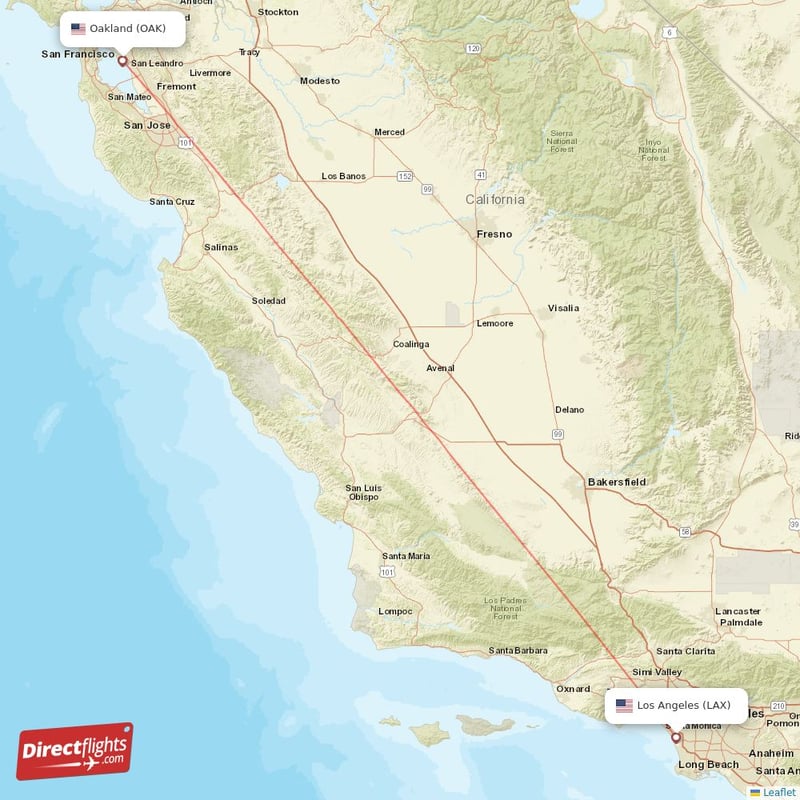
At its core, the question of “how far” between Oakland and Los Angeles boils down to geographical miles and the time it takes to cover them. The route predominantly follows the major north-south arteries of California, making it a relatively direct passage.
The Geographical Reality
The approximate driving distance from Oakland to Los Angeles is around 370 to 400 miles (approximately 595 to 644 kilometers), depending on the specific starting point in Oakland and the destination within the vast expanse of Los Angeles County. This distance places the two cities well within a day’s travel by car, though careful planning is essential to account for traffic, rest stops, and fuel. For air travel, the direct flight path is considerably shorter, as it cuts across terrain that vehicles must circumnavigate.
Driving Time Expectations
Under ideal conditions, with minimal traffic and consistent speeds, the drive between Oakland and Los Angeles typically takes between 5.5 to 7 hours. However, labeling any drive in California as “ideal” often overlooks the reality of its bustling freeway system. Factors such as rush hour congestion in either the Bay Area or Los Angeles, road construction, accidents, or even adverse weather conditions (though less common on the main route) can easily extend this travel time. It is not uncommon for the journey to stretch to 8 or even 9 hours during peak travel periods, making strategic timing a critical element of road trip planning.
Navigating the Golden State: Driving Routes
For those opting for the quintessential California road trip experience, two primary routes offer distinct advantages and scenic variations, connecting Oakland and Los Angeles.
The I-5 Corridor: The Fastest Path
The most direct and widely used route is Interstate 5 (I-5). This freeway stretches through the vast San Joaquin Valley, also known as the Central Valley, offering a relatively straight and flat journey. While less scenic than coastal alternatives, I-5 is engineered for efficiency, with fewer curves and generally higher speed limits where conditions permit. Travelers on I-5 will find amenities, gas stations, and rest stops strategically placed along the route, particularly around cities like Sacramento (though slightly off the most direct path) and through smaller towns within the valley. The drawback, for some, is the monotonous landscape of agricultural fields and occasional truck traffic. However, for those prioritizing speed and directness, I-5 is the undisputed champion.
The Scenic Coastal Alternative: Highway 101
For travelers with more time on their hands and a desire for picturesque views, U.S. Highway 101 (US-101) presents an appealing option. This route hugs much of California’s stunning coastline, passing through charming cities like San Luis Obispo and Santa Barbara. While significantly longer in terms of driving time—often adding an extra 1 to 3 hours compared to I-5, sometimes more depending on traffic and stops—the rewards are bountiful. Travelers can enjoy dramatic ocean vistas, explore quaint beach towns, and experience a different side of California. This route is less about reaching the destination quickly and more about enjoying the journey itself, with numerous opportunities for spontaneous detours to state parks, beaches, and local eateries.
Considering Traffic and Peak Hours
Regardless of the chosen route, traffic is an undeniable reality of driving in California. Departing Oakland during weekday morning rush hour (7 AM – 9 AM) or afternoon rush hour (4 PM – 7 PM) can significantly delay the start of your journey. Similarly, approaching Los Angeles during these times, especially on a Friday afternoon or Sunday evening, can lead to prolonged periods of stop-and-go traffic. Using real-time navigation apps is highly recommended to monitor conditions and adjust departure times accordingly. Weekends, particularly holiday weekends, also see increased traffic volumes on both I-5 and US-101, so planning ahead or opting for off-peak travel days can save considerable time and frustration.

Beyond the Wheel: Alternative Transportation Methods
While driving offers flexibility, several other modes of transport connect Oakland and Los Angeles, each with its own advantages regarding speed, cost, and comfort.
Taking to the Skies: Air Travel Between Oakland and Los Angeles
For speed and convenience, flying is often the preferred choice. Direct flights between Oakland International Airport (OAK) and Los Angeles International Airport (LAX), Hollywood Burbank Airport, John Wayne Airport (Orange County), or Long Beach Airport typically take about 1 hour and 15 minutes to 1 hour and 30 minutes in the air. When factoring in travel to and from airports, security checks, boarding, and baggage claim, the total travel time from downtown Oakland to a specific destination in Los Angeles can range from 3.5 to 5 hours. Despite the seemingly short flight, the logistics around air travel add significant overhead. Various airlines operate this popular route, offering a range of prices depending on booking lead time and flight demand. Oakland’s OAK airport is conveniently accessible via BART (Bay Area Rapid Transit), making it easy for Bay Area residents.
The Rails Experience: Amtrak Journeys
Train travel offers a unique blend of comfort and scenic viewing, albeit at a slower pace than flying or direct driving. Amtrak operates several services that connect the Bay Area to Los Angeles. The primary route involves a combination of the San Joaquin line and bus connections, or the long-distance Coast Starlight route, which offers breathtaking coastal views. While there isn’t a direct train from Oakland to Los Angeles without transfers or bus links, the total journey time can range from 9 to 12 hours. Despite the longer duration, train travel allows passengers to relax, enjoy dining car services, and avoid the stresses of driving or airport procedures. It’s an excellent option for those who prefer a more leisurely journey and appreciate the journey itself.
Bus Travel: An Economical Choice
For budget-conscious travelers, intercity bus services provide an economical way to travel between Oakland and Los Angeles. Companies like Greyhound and FlixBus offer multiple daily departures. The journey duration by bus is comparable to or slightly longer than driving, typically taking between 6.5 to 9 hours, depending on the number of stops and traffic conditions. While amenities vary by provider, modern buses often include Wi-Fi, power outlets, and comfortable seating, making it a viable option for those who don’t mind the extended travel time in exchange for cost savings.
Preparing for Your Journey: Essential Tips
Regardless of the chosen mode of transport, a well-prepared traveler ensures a smoother journey from Oakland to Los Angeles.
Timing Your Departure
For all modes of transport, timing is crucial. If driving, aim to depart Oakland very early in the morning (before 6 AM) or later in the evening to bypass the worst of the Bay Area rush hour. Similarly, for flights, consider mid-day flights as they sometimes have fewer delays than early morning or late-night options. For train and bus, sticking to the published schedule is key, but be mindful that road-based portions of Amtrak and all bus services are susceptible to traffic delays.
Packing Essentials
Whether driving, flying, or taking the train, pack smart. For road trips, this includes snacks, water, entertainment (podcasts, music), and a first-aid kit. Consider a cooler for drinks and perishable snacks. For air travel, ensure all liquids comply with TSA regulations and pack a portable charger for electronic devices. On longer train or bus journeys, a comfortable neck pillow, blanket, and good book can enhance the experience. Remember that California’s weather can vary significantly between the Bay Area and Southern California, so layering clothes is often a good strategy.
Making the Most of the Trip
Embrace the journey. If driving Highway 101, plan a few stops at beaches or charming towns. If flying, enjoy the convenience and speed. On the train, take in the changing landscapes. Each mode of travel offers a distinct perspective of the Golden State, making the trip between Oakland and Los Angeles more than just a means to an end, but an integral part of your overall travel experience.
LifeOutOfTheBox is a participant in the Amazon Services LLC Associates Program, an affiliate advertising program designed to provide a means for sites to earn advertising fees by advertising and linking to Amazon.com. Amazon, the Amazon logo, AmazonSupply, and the AmazonSupply logo are trademarks of Amazon.com, Inc. or its affiliates. As an Amazon Associate we earn affiliate commissions from qualifying purchases.