
The question of “how far” between San Francisco and Oakland delves beyond mere mileage, touching upon the intricate web of geography, transportation, and urban connectivity that defines the San Francisco Bay Area. These two vibrant cities, separated by a stretch of water, represent distinct yet complementary facets of California‘s cultural and economic landscape. Understanding their proximity is crucial for anyone planning to travel, live, or conduct business within this dynamic region.
The Geographic Proximity: More Than Just Miles
While seemingly close on a map, the actual distance and travel time between San Francisco and Oakland are heavily influenced by the presence of the San Francisco Bay itself. The physical separation necessitates specific infrastructure, primarily bridges and tunnels, which dictate the primary modes and efficiency of inter-city transit.
The San Francisco Bay as a Defining Feature
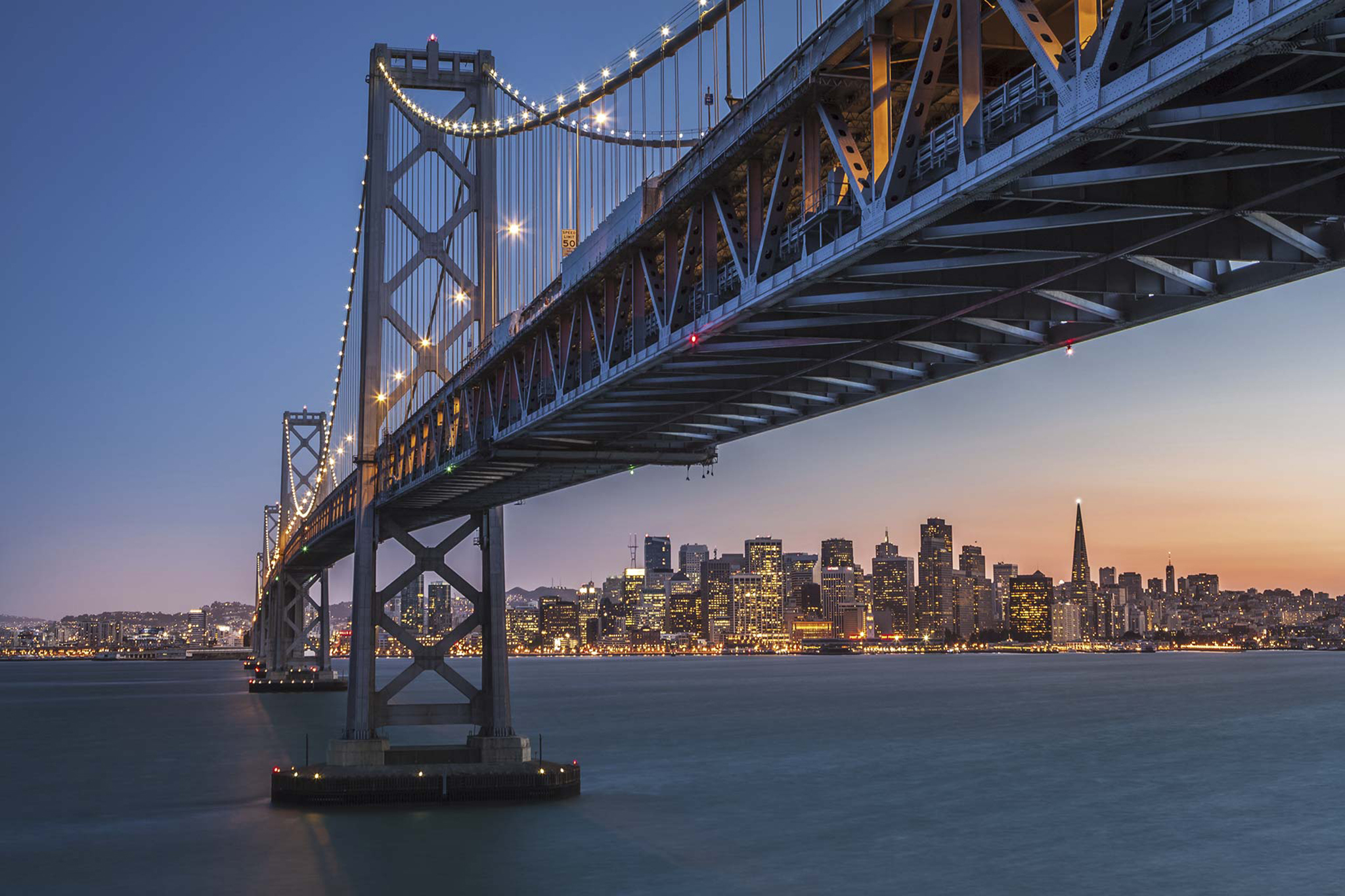
The San Francisco Bay is the geographical heart of the region, creating a natural barrier that both divides and unites the East Bay (where Oakland is located) and the Peninsula (home to San Francisco). This body of water has historically shaped settlement patterns, trade routes, and now, modern transportation networks. Its presence means that direct, straight-line travel is often impossible, requiring travelers to either go over or under the water. The iconic Bay Bridge stands as the most prominent symbol of this connection, a vital artery facilitating millions of commutes annually. Beyond its practical function, the Bay also offers unparalleled scenic beauty, impacting the experience of travel between the two cities.
Official Distances and Driving Times
The precise distance between downtown San Francisco and downtown Oakland is approximately 10 to 12 miles (16 to 19 kilometers), depending on the exact starting and ending points within each urban core. However, this modest figure belies the variability of travel times.
-
By Car: Driving across the Bay Bridge is the most common method for private vehicles. Under ideal, free-flowing traffic conditions (typically late nights or very early mornings), the drive can take as little as 15 to 20 minutes. However, during peak commute hours (morning and late afternoon/early evening), this time can easily balloon to 45 minutes to over an hour, and sometimes even longer in the event of accidents or severe congestion. Tolls are also a factor when driving westbound into San Francisco.
-
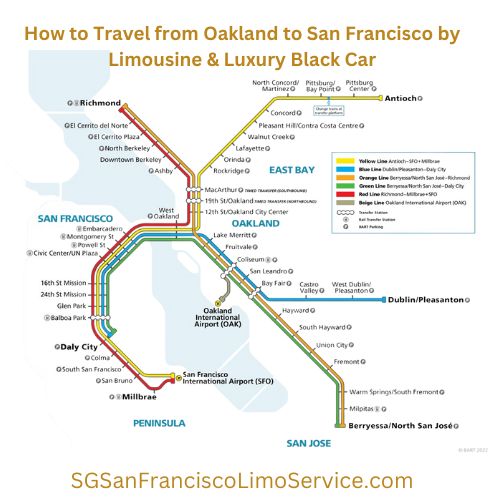
By Public Transit (BART): Bay Area Rapid Transit offers a highly efficient and predictable alternative. The transbay tube, which carries BART trains beneath the San Francisco Bay, ensures that travel times are largely immune to surface traffic. A direct train ride between downtown Oakland stations (like 12th Street/Oakland City Center) and downtown San Francisco stations (such as Montgomery Street or Powell Street) typically takes around 10 to 15 minutes for the train portion itself. Including waiting times and transfers, total journey time generally ranges from 20 to 35 minutes.
These variations underscore the importance of considering the time of day and chosen mode of transport when estimating travel between the two cities.
Navigating the Bay: Key Transportation Options
Travelers have a variety of reliable and efficient options for traversing the distance between San Francisco and Oakland, each offering distinct advantages in terms of speed, cost, and experience.
Driving Across the Bay Bridge
The San Francisco-Oakland Bay Bridge is an engineering marvel and the most direct driving route. It connects Oakland directly to San Francisco’s Rincon Hill and South of Market (SoMa) districts. While convenient for those with access to a vehicle, drivers must account for the aforementioned traffic delays, particularly during weekday commute windows. The bridge also has an eastbound toll-free policy and a westbound toll. For many, the visual spectacle of the bridge, especially at night with its “Bay Lights” installation, makes the drive a memorable part of the Bay Area experience. Parking in San Francisco can also be challenging and expensive, a factor to weigh when choosing to drive.
Public Transit: BART (Bay Area Rapid Transit)
BART is arguably the most efficient and stress-free way to travel between San Francisco and Oakland. Its extensive network connects major hubs in both cities, including San Francisco International Airport (SFO) and Oakland International Airport (OAK) via an automated connector. The trains are clean, relatively frequent, and offer a consistent journey time regardless of surface traffic. For tourists, BART provides direct access to popular San Francisco areas like Union Square and the Civic Center, as well as Oakland’s Lake Merritt, Uptown Oakland, and Jack London Square.
Ferry Services: A Scenic Alternative
For a more picturesque journey, the San Francisco Bay Ferry offers routes connecting Oakland’s Jack London Square to San Francisco’s Ferry Building and Pier 41 (near Fisherman’s Wharf). While slightly slower than BART (typically 20 to 30 minutes for the crossing), the ferry provides unparalleled views of the Bay Bridge, Alcatraz Island, and the San Francisco skyline. It’s an excellent option for leisure travelers seeking an experience in itself, offering both indoor and outdoor seating. Ferry service is less frequent than BART and primarily operates during weekday commute hours with limited weekend service, so checking schedules is essential.

Ride-Sharing and Taxis
Services like Uber and Lyft, as well as traditional taxis, are readily available on both sides of the Bay. These offer door-to-door convenience but are subject to the same traffic conditions as private cars on the Bay Bridge. Surge pricing during peak demand can also significantly increase costs. While an option for direct transport, it is generally less predictable and often more expensive than BART for cross-bay travel.
Cycling and Walking Considerations
While theoretically possible, cycling directly between San Francisco and Oakland is not straightforward. The main span of the Bay Bridge on the western side does not currently accommodate bicycles or pedestrians for the entire length to San Francisco; the bike path extends only to Yerba Buena Island and Treasure Island. Cyclists must rely on public transit (some BART trains allow bikes off-peak) or a shuttle service for the final stretch. Within each city, cycling is popular, but cross-bay bicycle commuting requires careful planning. Walking between the two cities is not a practical option due to the distance and the lack of a continuous pedestrian path across the entire Bay Bridge.
Travel Implications for Visitors and Commuters
The choice of where to stay and how to travel significantly impacts the overall Bay Area experience. The relative proximity of San Francisco and Oakland opens up numerous possibilities for both visitors and those residing in the region.
Choosing a Base: Oakland vs. San Francisco
For visitors, deciding whether to base oneself in Oakland or San Francisco often comes down to budget, preferred ambiance, and specific travel itineraries. San Francisco offers immediate access to iconic attractions like the Golden Gate Bridge, Fisherman’s Wharf, Alcatraz Island, and Golden Gate Park, but accommodation tends to be more expensive. Oakland, conversely, often provides more budget-friendly hotel options and a distinct local flavor with its vibrant arts scene, diverse culinary offerings, and neighborhoods like Uptown Oakland and Temescal. Thanks to efficient BART service, staying in Oakland and easily commuting to San Francisco for sightseeing is a viable and increasingly popular strategy for many travelers.
Day Trips and Inter-City Exploration
The short distance and excellent transportation links make day trips between San Francisco and Oakland incredibly easy. Visitors staying in San Francisco can easily spend a day exploring Oakland’s Jack London Square, visiting the Oakland Museum of California, or enjoying the diverse food scene along Piedmont Avenue or Telegraph Avenue. Conversely, those based in Oakland can swiftly reach San Francisco to experience its world-renowned landmarks, diverse neighborhoods like Chinatown or the Mission District, and bustling nightlife. The ease of movement encourages a broader exploration of the entire Bay Area.
Cost and Time Efficiency
For commuters, the balance between travel time and cost is paramount. While driving offers flexibility, the cost of gas, bridge tolls, parking, and vehicle maintenance often makes it a less economical choice than public transit, particularly for regular commutes. BART tickets, while not inexpensive, typically offer better value than daily driving expenses, especially when factoring in the time saved by avoiding traffic. The ferry, while appealing for its views, is generally chosen for its experience rather than strict cost or time efficiency for daily commutes. Careful consideration of these factors helps both residents and visitors optimize their travel plans within the Bay Area.
The Cultural and Economic Connection
Beyond the logistical aspects of distance and travel, San Francisco and Oakland share a deep, interconnected history and future, making them integral parts of the broader Bay Area identity.
A Shared Regional Identity
Despite their distinct personalities, San Francisco and Oakland are inextricably linked by the San Francisco Bay and a shared regional economy. Many residents live in one city and work in the other, forming a complex daily migration pattern facilitated by the region’s robust transportation infrastructure. This interchange fosters a sense of regional unity, where events, cultural happenings, and economic trends often ripple across the Bay, impacting both cities. The Bay Area as a whole benefits from the diverse contributions and resources of both its major urban centers.
Distinct Charms and Complementary Experiences
San Francisco is globally renowned for its iconic landmarks, Victorian architecture, and steep hills, offering a cosmopolitan, often tourist-centric experience. Oakland, on the other hand, boasts a more diverse, grassroots, and culturally rich atmosphere, known for its vibrant arts scene, historic neighborhoods, and a strong sense of community. Its food scene is rapidly gaining international recognition, and its proximity to regional parks offers easy access to nature. The complementary nature of these two cities allows visitors to experience a broader spectrum of California urban life, from San Francisco’s world-famous attractions to Oakland’s authentic local charm.
Future Developments and Connectivity
The ongoing evolution of the Bay Area continues to strengthen the ties between San Francisco and Oakland. Investments in public transit, such as enhancements to BART service and expanded ferry routes, aim to further improve connectivity and reduce reliance on private vehicles. Discussions around new transportation technologies and sustainable urban planning initiatives also underscore the region’s commitment to fostering seamless travel and interaction between its key cities. As these developments unfold, the perceived and actual “distance” between San Francisco and Oakland will continue to evolve, always emphasizing their role as interconnected hubs of innovation, culture, and community.
LifeOutOfTheBox is a participant in the Amazon Services LLC Associates Program, an affiliate advertising program designed to provide a means for sites to earn advertising fees by advertising and linking to Amazon.com. Amazon, the Amazon logo, AmazonSupply, and the AmazonSupply logo are trademarks of Amazon.com, Inc. or its affiliates. As an Amazon Associate we earn affiliate commissions from qualifying purchases.