
Understanding how alimony, officially known as spousal support, is calculated in California is crucial for anyone navigating the complexities of divorce. Beyond the legal framework, spousal support directly impacts an individual’s ability to maintain their established lifestyle post-separation, influencing everything from daily expenditures to future aspirations, including travel and leisure. This financial provision aims to ensure that both parties can uphold a reasonable standard of living after the dissolution of their marriage, recognizing the profound financial and lifestyle changes that often accompany divorce.
The Foundational Role of Alimony in Maintaining Lifestyle Post-Divorce
At its heart, alimony in California is designed to help a lower-earning spouse maintain a lifestyle similar to what they enjoyed during the marriage, or at least a reasonable approximation, while they work towards becoming self-supporting. This isn’t just about covering basic necessities; it’s about preserving a certain quality of life that has been established over years, which often includes discretionary spending on activities that define one’s personal lifestyle, such as travel, dining, and hobbies.
Understanding the Marital Standard of Living
One of the most significant factors a California court considers is the “marital standard of living.” This concept encompasses the financial and social circumstances established by the couple during their marriage. It’s not just about income; it involves the patterns of spending, saving, and accumulation of assets. For instance, if a couple regularly engaged in luxury travel, frequented high-end restaurants, or maintained multiple residences, the court will consider this as part of the marital standard of living. The goal of alimony, particularly in longer marriages, is often to allow the supported spouse to continue experiencing a lifestyle that is, to the extent possible, consistent with this established standard. This directly ties into the “Lifestyle” category by addressing the financial underpinnings that enable various forms of living, including how one travels or spends leisure time.
Alimony’s Purpose: Bridging Financial Gaps for Lifestyle Continuity
Divorce often creates a significant financial disparity, particularly when one spouse has primarily focused on domestic responsibilities or supported the other’s career advancement. Alimony serves as a bridge, mitigating the immediate economic hardship for the supported spouse. Without it, a sudden and drastic reduction in their standard of living could occur, potentially impacting their ability to pursue activities, maintain social connections, or even embark on personal journeys that were part of their life before separation. By providing financial stability, alimony allows the supported spouse to plan for their future, which might include retraining for a new career, investing in personal development, or even budgeting for new travel experiences or family trips as they rebuild their life.
Key Factors Dictating Spousal Support Awards and Lifestyle Implications
Unlike child support, which follows a strict formula, spousal support in California is determined by a judge’s discretion based on a comprehensive list of factors outlined in California Family Code Section 4320. These factors are designed to provide a holistic view of each spouse’s situation and how alimony can contribute to maintaining a reasonable lifestyle for both parties.
Income and Earning Capacity of Each Spouse
The present and future earning capacity of each spouse is paramount. The court assesses not only current income but also the ability to earn. If one spouse has significantly higher earning potential, alimony may be awarded to balance the financial playing field. This directly affects the lifestyle one can afford, from daily living to the capacity for business stays or personal travel destinations. The court considers marketable skills, the job market for those skills, and the time and expense required for a supported spouse to acquire necessary education or training.
Age, Health, and Employment History
The age and health of each spouse play a critical role, especially in longer marriages. An older spouse with limited work experience or health issues may struggle more to become self-supporting, necessitating longer or higher alimony awards to maintain their quality of life. Conversely, a younger, healthy spouse with strong career prospects might receive temporary alimony for a shorter duration. Employment history also sheds light on one’s career trajectory and potential for future income, influencing the financial stability and lifestyle they can anticipate.
Contributions to the Marriage and Career Sacrifices
California law recognizes that contributions to a marriage are not solely financial. If one spouse forewent career opportunities, such as delaying education or reducing work hours, to raise children, manage the household, or support the other spouse’s career, these sacrifices are factored into alimony calculations. Such sacrifices often directly impact a spouse’s long-term earning capacity and their ability to finance a desired lifestyle, including recreational activities or future travel.
Assets, Debts, and Separate Property
The assets and debts of each party, including their separate property, are considered to determine their overall financial resources and needs. A spouse with substantial separate assets or income-generating property might require less alimony, as their existing wealth contributes to their ability to maintain a certain lifestyle. Conversely, a spouse with significant debt may require more support to achieve financial stability and avoid a drastic reduction in their quality of life.

The Impact of Domestic Violence
In California, domestic violence perpetrated by the supported spouse against the supporting spouse creates a rebuttable presumption against awarding spousal support. Conversely, if the supporting spouse has a history of domestic violence against the supported spouse, it can be a significant factor in favor of awarding spousal support, as it acknowledges the trauma and potential economic hardship caused. This reflects a commitment to protecting the victim’s ability to live a safe and stable lifestyle.
Types of Alimony and Their Effect on Future Lifestyle Planning
The duration and type of alimony awarded significantly influence a spouse’s ability to plan for their future lifestyle, including long-term financial stability and options for travel and leisure.
Temporary Alimony: Immediate Lifestyle Support
Temporary spousal support is awarded while the divorce proceedings are ongoing. Its primary purpose is to maintain the status quo and ensure that both parties can cover their living expenses during what can be a lengthy and stressful process. This immediate financial infusion helps prevent a severe decline in one’s lifestyle during this transitional period, allowing for continued access to necessary services and the ability to maintain essential aspects of their daily routine.
Permanent Alimony: Long-Term Financial Stability and Planning
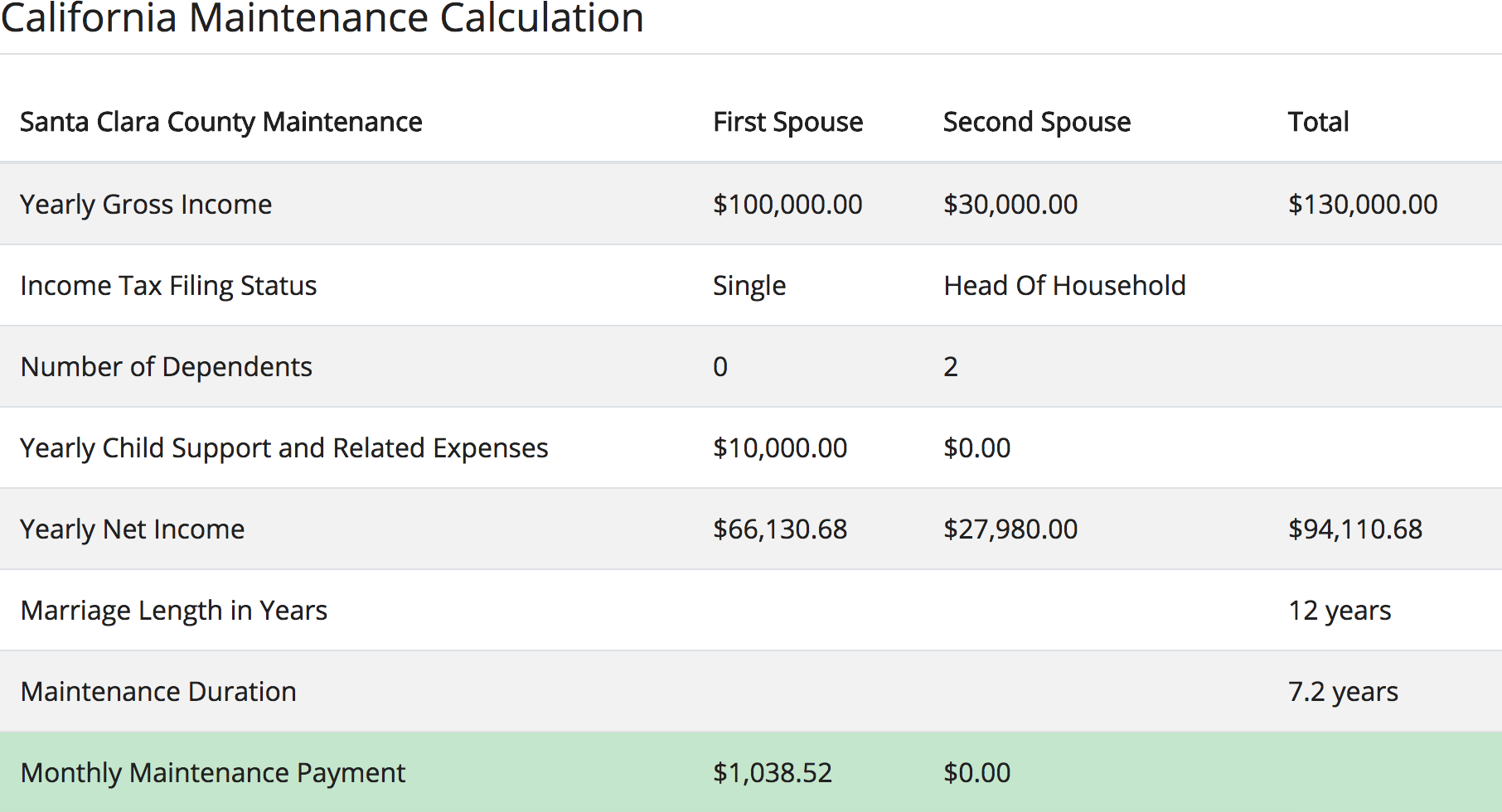
Often referred to as “long-term” or “rehabilitative” alimony (though “permanent” is a misnomer as it can be modified), this type of support is awarded at the conclusion of the divorce. For marriages lasting less than 10 years, alimony is generally awarded for half the length of the marriage. For marriages of 10 years or more (a “long-duration marriage”), there is no fixed end date, and the court retains jurisdiction indefinitely, meaning it can be modified or terminated based on changed circumstances. Long-term alimony is crucial for providing the sustained financial stability that allows a supported spouse to truly plan for their future lifestyle, whether that involves pursuing budget travel, investing in a home, or securing retirement. It provides the foundation upon which new life goals can be built.
Rehabilitative Alimony: Investing in Future Earning Capacity
While not a separate category, the concept of rehabilitative alimony is often embedded within temporary or permanent awards. It specifically aims to provide financial support while the supported spouse pursues education, training, or employment necessary to become self-supporting. This investment in future earning capacity directly impacts their long-term lifestyle prospects. By enabling skill acquisition or career development, it enhances their ability to eventually fund their desired standard of living independently, including their chosen travel experiences and leisure pursuits.
The Role of Discretion and Judicial Guidelines in California Courts
Unlike many other states that use specific formulas for long-term alimony, California courts have considerable discretion. While judges consult the factors in California Family Code Section 4320, the ultimate decision is based on a judge’s assessment of fairness and equity, tailored to the unique circumstances of each case.
California Family Code Section 4320
This section mandates that judges consider numerous factors when determining spousal support. Beyond those already mentioned, these include:
- The extent to which the earning capacity of the supported spouse is impaired by periods of unemployment during the marriage to permit the supporting spouse to acquire an education, training, a profession, or a license.
- The needs of each party based on the marital standard of living.
- The duration of the marriage.
- The ability of the supporting spouse to pay spousal support.
- The immediate and specific tax consequences to each party.
- The balance of hardships to each party.
- Any other factors the court determines are just and equitable.
Each of these factors contributes to a comprehensive picture of how alimony will affect the daily lives and long-term lifestyle choices of both parties involved.
The Judge’s Discretionary Power and Lifestyle Considerations
The discretionary nature of spousal support means that the arguments presented by legal counsel, backed by financial documentation and personal testimony, are critical. Attorneys can highlight how various factors impact a client’s ability to maintain a certain lifestyle, presenting evidence of past expenditures on travel, accommodation, and leisure activities to establish the marital standard of living. This allows the court to make a decision that best supports the financial and lifestyle needs of both individuals, ensuring a fair and equitable outcome that acknowledges the sacrifices made and the challenges ahead.
Seeking Professional Guidance for Your Financial Future and Lifestyle Choices
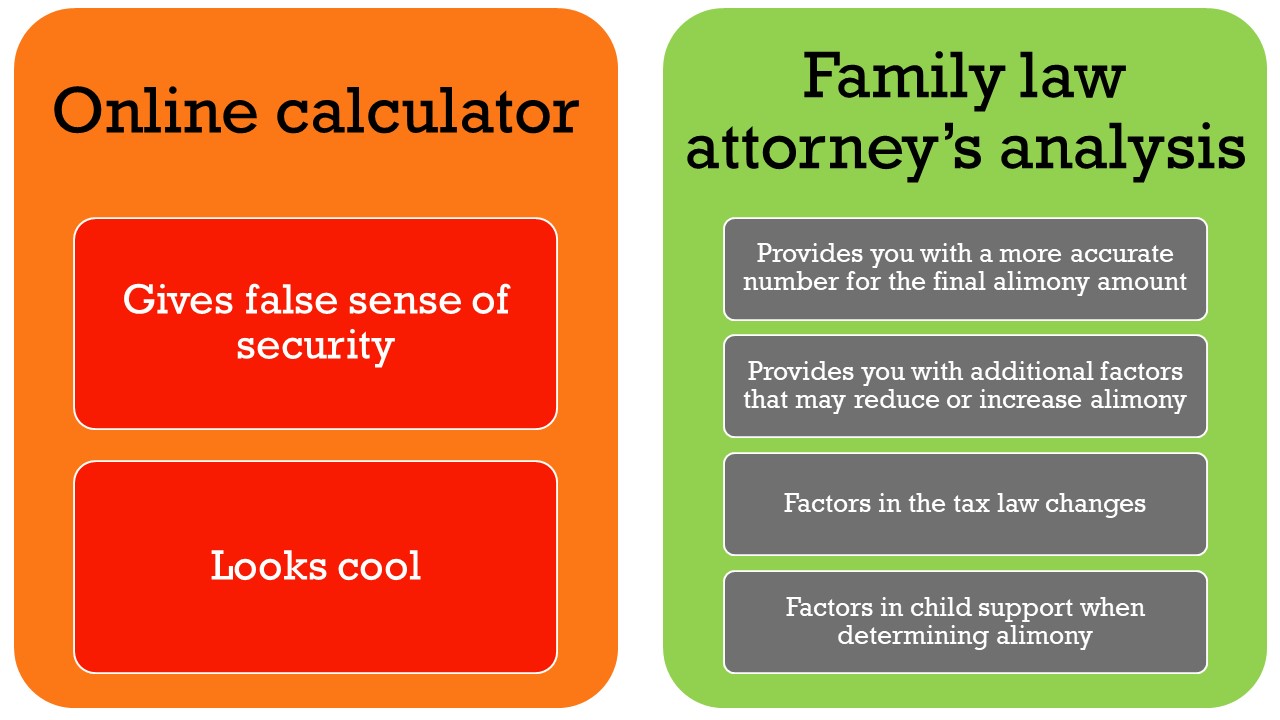
Navigating alimony calculations in California is complex and deeply personal. It’s not merely a financial transaction but a critical component that shapes one’s future lifestyle and financial independence. Given the intricate legal landscape and the subjective nature of judicial discretion, seeking advice from an experienced family law attorney is paramount. A skilled attorney can help you understand how the specific factors in your case will influence alimony calculations, advocate effectively on your behalf, and guide you towards financial decisions that support your desired post-divorce lifestyle, including your ability to pursue new experiences, explore destinations, and create a fulfilling new chapter.
LifeOutOfTheBox is a participant in the Amazon Services LLC Associates Program, an affiliate advertising program designed to provide a means for sites to earn advertising fees by advertising and linking to Amazon.com. Amazon, the Amazon logo, AmazonSupply, and the AmazonSupply logo are trademarks of Amazon.com, Inc. or its affiliates. As an Amazon Associate we earn affiliate commissions from qualifying purchases.