
Navigating the landscape of unemployment benefits in California can be a complex endeavor, especially when considering its implications for maintaining a long-term stay or securing stable accommodation within the state. For those facing job loss, understanding the duration of unemployment benefits is not merely a matter of financial planning, but a critical factor in ensuring continued residency and managing daily living expenses, particularly housing in one of the nation’s most expensive states. This guide aims to shed light on how long you can expect to receive these benefits and how that duration directly impacts your ability to sustain a comfortable, long-term stay in various California locales.
Understanding Unemployment Benefits and Your Long-Term Stay in California
The core purpose of unemployment insurance (UI) is to provide temporary financial assistance to eligible workers who are unemployed through no fault of their own. In California, these benefits are administered by the California Employment Development Department (EDD). For anyone planning or currently managing a long-term stay in cities like Los Angeles, San Francisco, or San Diego, the predictability and duration of this income stream are paramount to avoiding displacement and maintaining one’s chosen accommodation.
Initial Eligibility and Duration for Accommodation Stability
Under standard California law, eligible individuals can typically receive unemployment benefits for up to 26 weeks within a “benefit year.” A benefit year is a 52-week period starting the Sunday after you file your claim. This 26-week period is a crucial benchmark for anyone relying on these funds to cover their rent, mortgage, or other long-term accommodation costs. For many, this timeframe provides a vital bridge between employment, allowing them to continue paying for their living situation while actively seeking new work.
To qualify, an applicant must have earned sufficient wages during a “base period,” typically the first four of the last five completed calendar quarters before the claim date. They must also be unemployed through no fault of their own, be able and available for work, and be actively searching for new employment. Failing to meet these ongoing requirements can jeopardize weekly payments, directly impacting one’s capacity to maintain a long-term stay. For instance, if you’re renting an apartment in Oakland, missing even a single week of benefits due to non-compliance could create an immediate financial strain on your housing budget.
The Role of Extended Benefits in Sustaining Residency
While 26 weeks is the standard, there are circumstances under which the duration of unemployment benefits can be extended. These extensions are often triggered by economic conditions, particularly during periods of high unemployment, and can be a lifeline for individuals striving to maintain their long-term accommodation.
Historically, both state and federal programs have offered extended benefits. The most common state-level extension in California is through the Extended Duration (ED) benefits program, which can provide an additional period of payments once regular UI benefits are exhausted. Federally funded extensions, like those seen during the COVID-19 pandemic (e.g., Pandemic Emergency Unemployment Compensation – PEUC), also play a significant role. These programs are not always active and are usually implemented in response to specific economic crises. When active, they can add several weeks, sometimes even months, to the total benefit duration, offering substantial relief for those struggling to afford long-term stays in high-cost areas like Santa Monica or Palo Alto. Understanding if these extended benefits are available and how to apply for them is critical for anyone whose standard 26 weeks are nearing an end, and who still requires financial support for their housing.
Planning Your Long-Term California Accommodation While Unemployed
Effective planning is essential when relying on unemployment benefits for a long-term stay in California. The finite nature of these benefits, even with extensions, necessitates a strategic approach to managing living expenses, especially housing. The goal is to maximize the utility of these funds to maintain stable accommodation while aggressively pursuing re-employment.
Budgeting for Housing: Making Unemployment Benefits Stretch
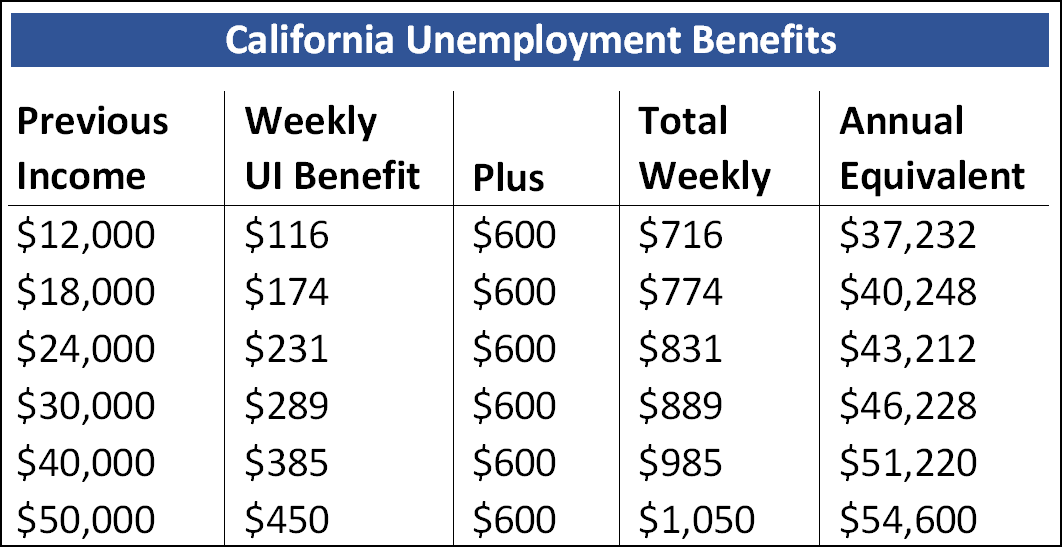
Housing is often the largest expense for residents in California. When on unemployment, a meticulous budget becomes indispensable. Your weekly benefit amount, while helpful, rarely matches a previous full-time salary. This disparity demands a re-evaluation of your accommodation expenses. Can you negotiate a temporary rent reduction with your landlord? Are there options for shared living arrangements that could reduce your monthly outlay?
Consider the typical rent for a studio or one-bedroom apartment in cities like Sacramento or Fresno versus the Bay Area. The difference in cost directly impacts how far your unemployment benefits can stretch. Budgeting not only involves tracking income and outflow but also prioritizing essential living costs. Electricity, gas, water, and internet are non-negotiable for a long-term stay, but discretionary spending on dining out or entertainment will likely need to be curtailed to ensure rent or mortgage payments are met first and foremost. Creating a detailed spreadsheet that projects your income from EDD against your monthly housing and essential utilities is a vital step in ensuring your long-term accommodation remains secure.
Exploring Affordable Long-Term Housing Options
The challenge of maintaining accommodation during unemployment often prompts a search for more affordable long-term living solutions. This might involve exploring options that weren’t considered during employment.
- Temporary Relocation: For some, it might mean temporarily relocating to a less expensive part of California or even another state if family support is available.
- Roommate Situations: For those determined to stay in their current city, finding a roommate or moving into a shared living space can dramatically reduce housing costs. Websites and local community boards often list rooms for rent.
- Subletting or Short-Term Rentals: If you own property or have a long-term lease, exploring the possibility of subletting a room or even your entire unit for a short period while you stay with family or friends could provide a financial buffer. Conversely, if your current accommodation is too expensive, seeking a short-term, month-to-month rental agreement in a more modest dwelling might be a viable interim solution.
- Affordable Housing Programs: Researching local affordable housing initiatives or rental assistance programs, especially in larger metropolitan areas like Long Beach or Riverside, could provide further relief, though these often have specific eligibility criteria and waitlists.
These strategies, while sometimes requiring significant lifestyle adjustments, are crucial for ensuring the longevity of your stay in California during a period of unemployment.
Navigating the California Employment Development Department (EDD) for Continued Accommodation Support
Successfully receiving unemployment benefits for the maximum possible duration hinges on diligent interaction with the California Employment Development Department (EDD). Understanding their requirements and utilizing available resources is paramount to ensuring an uninterrupted flow of funds for your long-term accommodation.
Key Deadlines and Reporting for Uninterrupted Benefits
The EDD requires claimants to certify their eligibility every two weeks. This involves answering a series of questions about your work search activities, any earnings received, and your availability for work. Missing these bi-weekly certifications or providing incomplete or inaccurate information can lead to delays or even disqualification of benefits, which would have an immediate and severe impact on your ability to pay for your long-term stay. Setting reminders and carefully reviewing each certification before submission is critical.
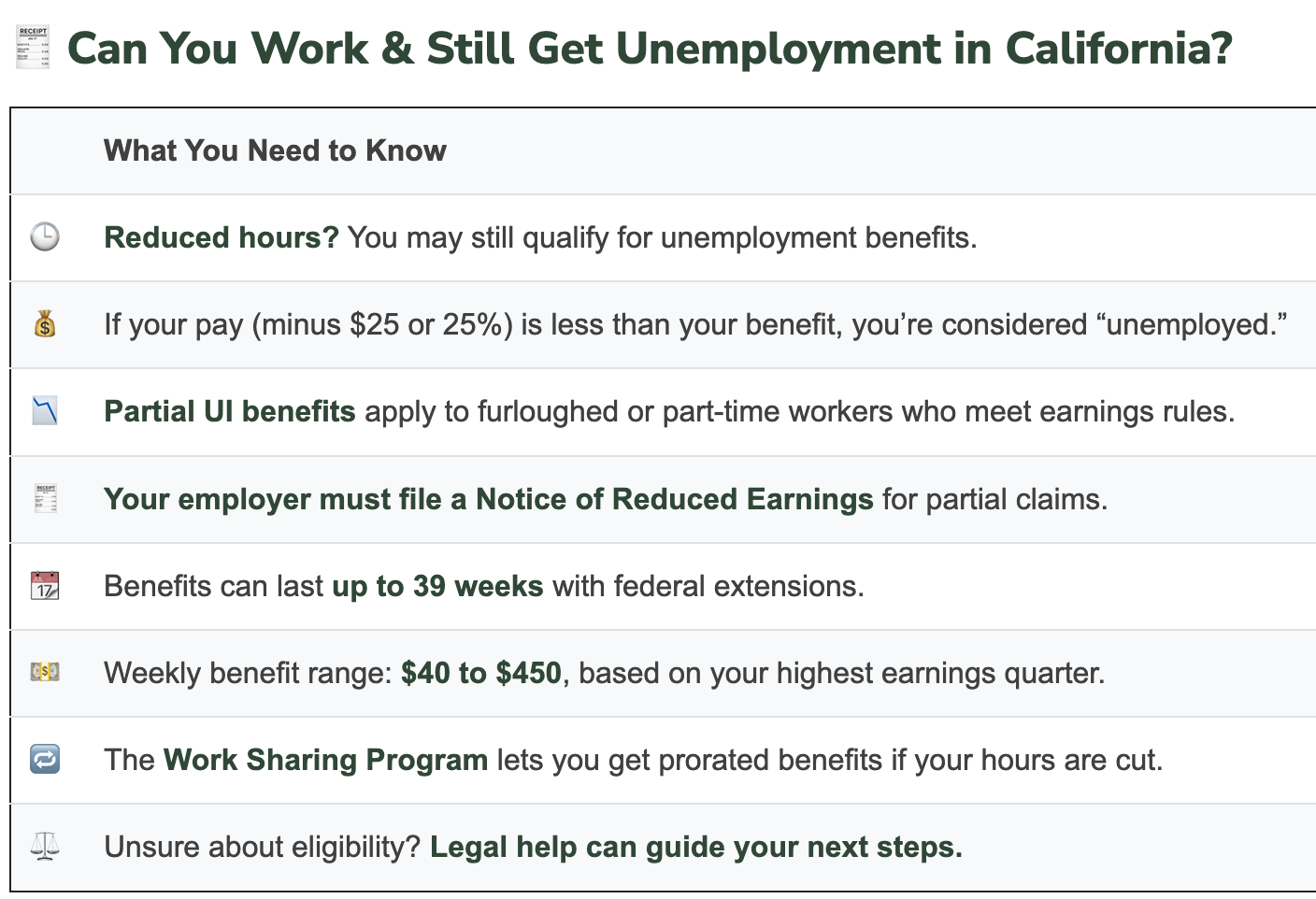
Furthermore, if you receive any part-time income while on unemployment, you must accurately report it. The EDD uses a specific formula to reduce your benefits based on earnings, but failing to report income can result in penalties, including having to repay benefits and potential fraud charges. Maintaining transparent and accurate communication with the EDD ensures that your benefits continue without interruption, providing the necessary financial stability for your accommodation.
Resources for Housing Assistance Beyond EDD Benefits
While unemployment benefits directly support your living expenses, California also offers various support systems that can indirectly or directly aid with accommodation during financial hardship. These resources can be particularly helpful if your benefits are exhausted or prove insufficient for your housing costs.
- Local Housing Authorities: Many cities and counties in California have housing authorities that offer rental assistance programs, information on subsidized housing, or emergency housing support.
- Non-Profit Organizations: Organizations specializing in homeless prevention, tenant rights, and financial literacy can provide guidance, advocacy, and sometimes direct aid. Groups like Legal Aid Societies or local community action agencies often have programs tailored to assist low-income individuals with housing.
- Utility Assistance Programs: Programs such as the Low-Income Home Energy Assistance Program (LIHEAP) or specific utility company payment plans can help reduce the burden of energy bills, thereby freeing up more of your unemployment benefits for rent.
- Food Banks and CalFresh: Reducing grocery expenses through food banks or the CalFresh program (SNAP in California) can also indirectly bolster your ability to afford accommodation by reducing other essential expenditures.
Leveraging these resources alongside your EDD benefits can create a more robust safety net, enhancing your capacity to maintain a secure long-term stay in California.
The Impact of Economic Conditions on Unemployment and Accommodation
The duration of unemployment benefits in California is not static; it is significantly influenced by broader economic conditions. Periods of economic recession or crisis often trigger federal and state interventions that extend benefit durations, directly impacting the ability of individuals to sustain long-term accommodation.
Federal Extensions and Their Influence on California Stays
Historically, when national unemployment rates rise significantly, the federal government often steps in with emergency legislation to provide additional weeks of unemployment benefits. Programs like Federal-State Extended Benefits (EB) or temporary federal programs, such as those implemented during the 2008 financial crisis or the COVID-19 pandemic, can add substantial time to the standard 26 weeks. These extensions have been critical in preventing widespread housing instability during severe economic downturns. For someone whose unemployment benefits were initially slated to run out, an unexpected federal extension can mean the difference between maintaining their apartment in Anaheim or facing eviction. Staying informed about current economic indicators and potential federal actions is therefore crucial for long-term accommodation planning. The EDD typically announces these extensions and their specific eligibility criteria on their official website.

Future Planning for Sustainable Accommodation
Given the dynamic nature of unemployment benefit durations, proactive future planning is essential for anyone aiming for a sustainable long-term stay in California. While benefits offer a temporary safety net, they are not a permanent solution. The focus should always be on re-employment, ideally before benefits are exhausted.
Consider developing a comprehensive re-employment strategy that includes networking, skill development, and targeted job applications. Exploring industries that are growing in California, even if it requires a career change, can shorten your period of unemployment. Additionally, building an emergency savings fund, even a modest one, during times of employment can provide a crucial buffer during periods of job loss, extending your ability to afford accommodation beyond the limits of unemployment benefits. Ultimately, while understanding “how long you can be on unemployment” is vital for immediate stability, the most effective long-term accommodation strategy in California involves a rapid return to stable employment and robust financial planning.
LifeOutOfTheBox is a participant in the Amazon Services LLC Associates Program, an affiliate advertising program designed to provide a means for sites to earn advertising fees by advertising and linking to Amazon.com. Amazon, the Amazon logo, AmazonSupply, and the AmazonSupply logo are trademarks of Amazon.com, Inc. or its affiliates. As an Amazon Associate we earn affiliate commissions from qualifying purchases.