
Embarking on a journey from California to Australia is an adventure that promises unparalleled experiences, from the vibrant cityscape of Sydney to the ancient landscapes of the Outback. However, one of the most common initial considerations for any traveler planning this significant trip is the sheer duration of the flight. This isn’t a quick hop across a border; it’s a major intercontinental crossing that demands preparation and an understanding of what to expect.
Understanding the Pacific Crossing: Factors Influencing Flight Duration
The journey across the vast Pacific Ocean from California to Australia is among the longest regularly scheduled commercial flights in the world. Several factors play a crucial role in determining the exact flight time, including the specific departure and arrival cities, whether the flight is direct or involves layovers, the aircraft type, and even prevailing wind conditions.
Direct vs. Connecting Flights
The most significant variable affecting your total travel time is whether you opt for a direct (non-stop) flight or one with layovers. Direct flights offer the fastest journey, minimizing the time spent in the air and eliminating the need for transfers and waiting periods in other airports. These are typically offered by major carriers from primary international hubs.
Connecting flights, while often more budget-friendly, significantly extend the total travel time. A layover could add anywhere from a few hours to an entire day or more, depending on the connection schedule and location. Common connecting hubs might include other major U.S. cities, Hawaii, or even cities in Asia or New Zealand for certain routes, though the latter options would likely be for journeys to Western Australia.
Aircraft Type and Route Efficiency
Modern aircraft, such as the Boeing 787 Dreamliner and Airbus A350, are designed for long-haul efficiency, offering greater fuel economy and often slightly faster cruise speeds than older models. Airlines like Qantas, United Airlines, and Delta Air Lines frequently deploy these state-of-the-art planes on their trans-Pacific routes. The flight path itself is optimized daily by air traffic control and airline dispatchers to take advantage of favorable jet streams and avoid adverse weather, which can subtly influence the actual flight time.
Time Zones and the International Date Line
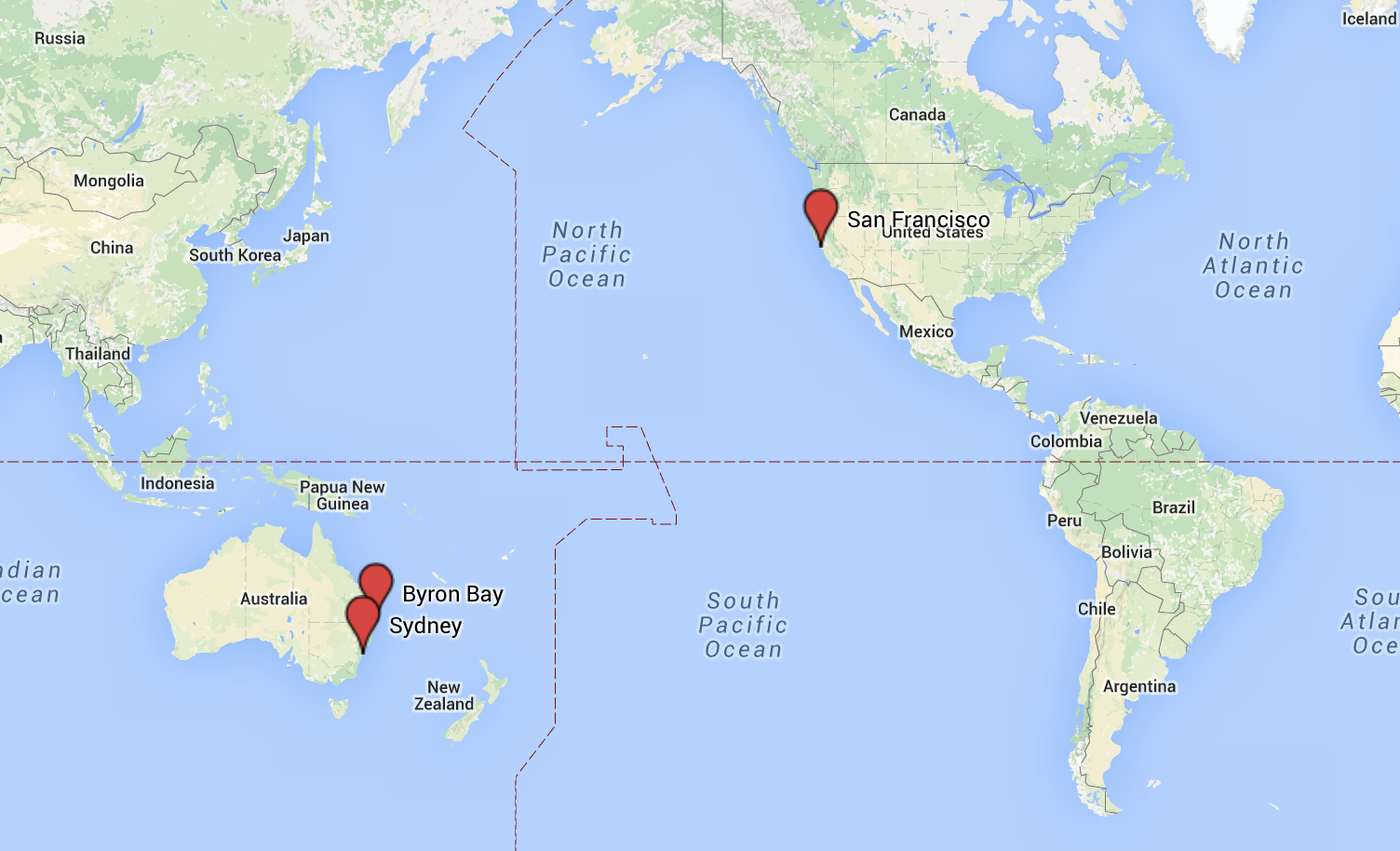
Travel to Australia from California involves crossing the International Date Line, which adds an intriguing element to the journey. When you fly west across this line, you effectively “lose” a day. For example, departing Los Angeles on a Monday morning might see you arrive in Sydney on a Wednesday morning, even though the flight itself was only around 14-15 hours. This temporal leap is crucial for planning your itinerary and managing jet lag upon arrival.
Typical Flight Durations to Major Australian Cities
While the general answer is “a long time,” specifying typical flight durations helps set realistic expectations. Most direct flights depart from major California international airports, primarily Los Angeles International Airport (LAX) and San Francisco International Airport (SFO).
Flights to Sydney, New South Wales
Sydney is often the primary gateway for travelers arriving from North America.
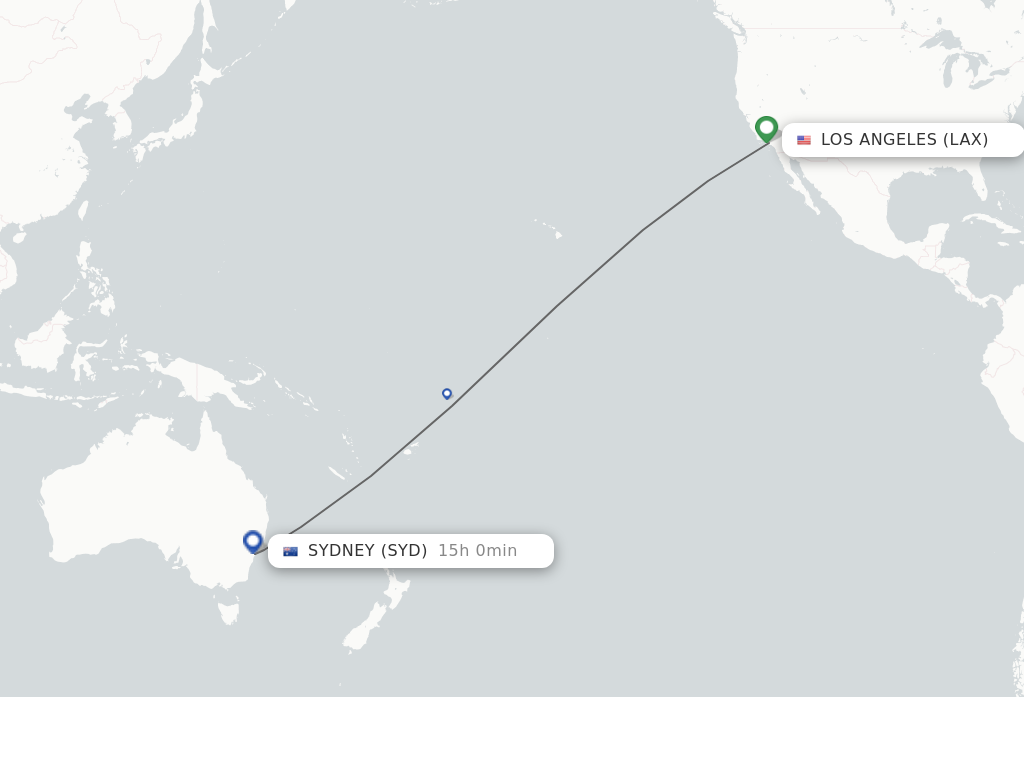
- From LAX to Sydney (SYD): Direct flights typically range from 14.5 to 15.5 hours.
- From SFO to Sydney (SYD): Direct flights are similar, usually between 14 to 15 hours.
These times are for the actual airborne duration. Add buffer time for boarding, taxiing, and deplaning.
Flights to Melbourne, Victoria
Melbourne, Australia’s cultural capital, is another popular destination, often just a slightly longer journey than Sydney due to its southerly position.
- From LAX to Melbourne (MEL): Direct flights generally take 15 to 16 hours.
- From SFO to Melbourne (MEL): Direct flights are often in the 15 to 15.5-hour range.
Flights to Brisbane, Queensland
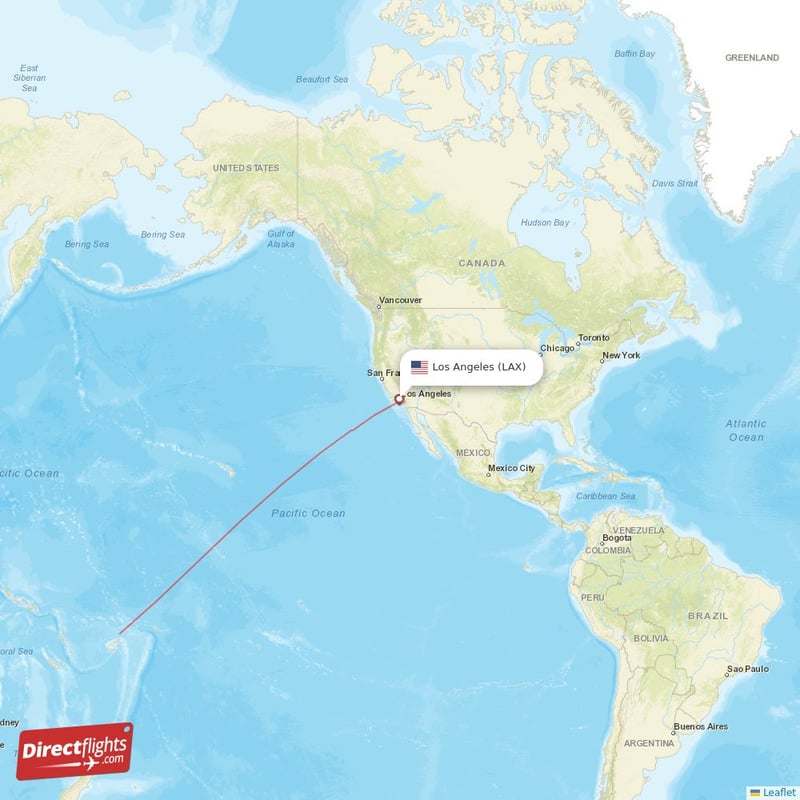
For those heading to Queensland’s sun-drenched capital, Brisbane, flight times are comparable to Sydney, sometimes marginally shorter due to its more northerly location on Australia’s east coast.
- From LAX to Brisbane (BNE): Direct flights typically clock in at 13.5 to 14.5 hours.
- From SFO to Brisbane (BNE): Direct flight options are less frequent but usually fall around 13 to 14 hours.
Flights to Perth, Western Australia
Reaching Perth on the west coast of Australia involves an even longer journey. While direct flights from California are less common, Qantas has introduced ultra-long-haul services for this route.
- From LAX to Perth (PER): Direct flights can extend to 17-18 hours, making it one of the longest commercial routes in the world. Many travelers will opt for a connecting flight via another Australian city or Asia, significantly increasing overall travel time.
Preparing for the Long Haul: Tips for a Comfortable Journey
Given the considerable duration of flights to Australia, thoughtful preparation is key to ensuring a comfortable and enjoyable journey.
In-Flight Comfort Strategies
- Choose Your Seat Wisely: If possible, select an aisle seat for easier movement, especially for frequent trips to the restroom or to stretch. Exit row or bulkhead seats offer extra legroom but may have restrictions on carry-on storage.
- Dress in Layers: Cabin temperatures can fluctuate significantly. Wearing loose, comfortable clothing and layers allows you to adjust as needed.
- Stay Hydrated: Dehydration is common on long flights. Drink plenty of water and avoid excessive alcohol and caffeine, which can exacerbate dehydration and disrupt sleep patterns.
- Move Around: Combat the risks of deep vein thrombosis (DVT) by getting up and walking the aisles every few hours. Perform simple in-seat exercises like ankle circles and leg stretches.
- Entertainment is Key: While airlines provide in-flight entertainment, having your own loaded devices with movies, podcasts, music, and e-books ensures you have options tailored to your preferences. Don’t forget noise-canceling headphones for a more immersive experience.
- Sleep Aids: An eye mask, earplugs, and a comfortable neck pillow can make a huge difference in getting some quality rest during the flight.
Managing Jet Lag
Crossing multiple time zones and the International Date Line makes jet lag almost inevitable. However, strategies can mitigate its impact:
- Adjust Before You Go: A few days before departure, try to gradually shift your sleep schedule closer to Australia’s time zone.
- Sync Immediately: Upon arrival, try to adopt the local time zone as quickly as possible. Go outside into natural light during the day to help reset your circadian rhythm.
- Prioritize Sleep: Resist the urge to power through. A short nap (20-30 minutes) can be beneficial, but avoid long naps that interfere with nighttime sleep.
- Stay Active: Gentle exercise, like a walk, can help energize you and improve sleep quality.
Essential Packing for the Long Flight
Beyond your regular travel essentials, consider these specific items for your carry-on:
- Reusable Water Bottle: Fill it after security to stay hydrated.
- Snacks: While meals are provided, having your favorite healthy snacks can be a lifesaver between services or if you have dietary restrictions.
- Moisturizer and Lip Balm: Cabin air is dry, so keeping your skin hydrated is important.
- Basic Toiletries: A small toothbrush, toothpaste, and face wipes can help you feel refreshed.
- Compression Socks: These can improve circulation and reduce swelling in your legs.
Choosing Your Departure City in California
While most direct flights originate from California’s two largest international airports, understanding your options can influence your overall travel experience and initial connection.
From Los Angeles (LAX)
LAX is the busiest gateway for flights to Australia. It offers the widest selection of airlines, including Qantas, United Airlines, and Delta Air Lines, with frequent direct services to Sydney, Melbourne, and Brisbane. For many, reaching LAX might involve a domestic connecting flight, adding to the initial journey time.
From San Francisco (SFO)
SFO also serves as a major hub for trans-Pacific travel, with direct flights to Sydney and Melbourne primarily offered by United Airlines and Qantas. While potentially offering slightly fewer options than LAX, SFO provides a convenient alternative for travelers in Northern California or those who find its airport experience preferable.
Other California Gateways
While direct flights from other California airports (like San Diego or Sacramento) to Australia are not typically available, travelers from these regions would connect through LAX or SFO. This adds an extra domestic leg to the overall itinerary, increasing total travel time but offering convenience for local departure.
Ultimately, the flight from California to Australia is a significant commitment of time, typically ranging from 13.5 to 18 hours for direct services, depending on your exact origin and destination. Understanding these durations and preparing effectively will set the stage for an incredible journey to the land Down Under, where the memories you make will undoubtedly be worth every hour spent in the air.
LifeOutOfTheBox is a participant in the Amazon Services LLC Associates Program, an affiliate advertising program designed to provide a means for sites to earn advertising fees by advertising and linking to Amazon.com. Amazon, the Amazon logo, AmazonSupply, and the AmazonSupply logo are trademarks of Amazon.com, Inc. or its affiliates. As an Amazon Associate we earn affiliate commissions from qualifying purchases.