
The question of how many homeless individuals reside in California in 2024 touches upon a critical aspect of the state’s evolving lifestyle, impacting its urban centers, community well-being, and the overall quality of life for residents and visitors alike. California, renowned globally for its innovation, vibrant culture, and stunning natural beauty, also grapples with one of the nation’s most pronounced homelessness crises. This issue profoundly shapes the everyday existence within its cities and communities, demanding a comprehensive understanding beyond mere statistics to grasp its intricate influence on the Californian lifestyle.
The Complex Landscape of California’s Homelessness Crisis in 2024
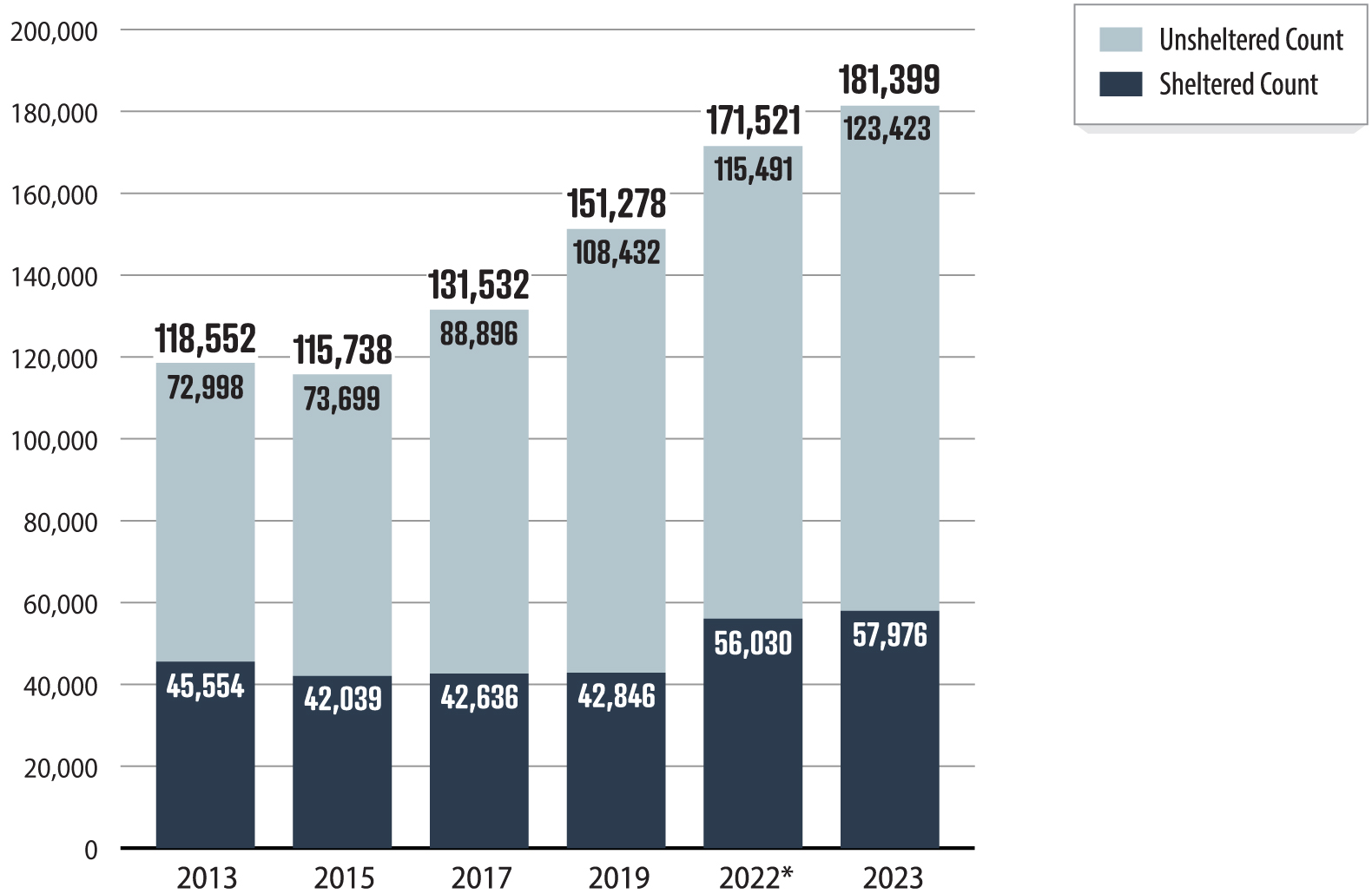
Estimating the exact number of homeless individuals at any given moment is a complex undertaking, relying heavily on data collected through Point-in-Time (PIT) counts, which are typically conducted annually in January. While 2024 figures are still being finalized and released by various counties and the federal government, projections and trends from previous years indicate a persistent, challenging situation. In 2023, for instance, California accounted for a significant portion of the homeless population in the United States, with estimates hovering around 171,521 individuals. This figure represents nearly 30% of the entire unhoused population in the nation, starkly illustrating the depth of the crisis within the Golden State.
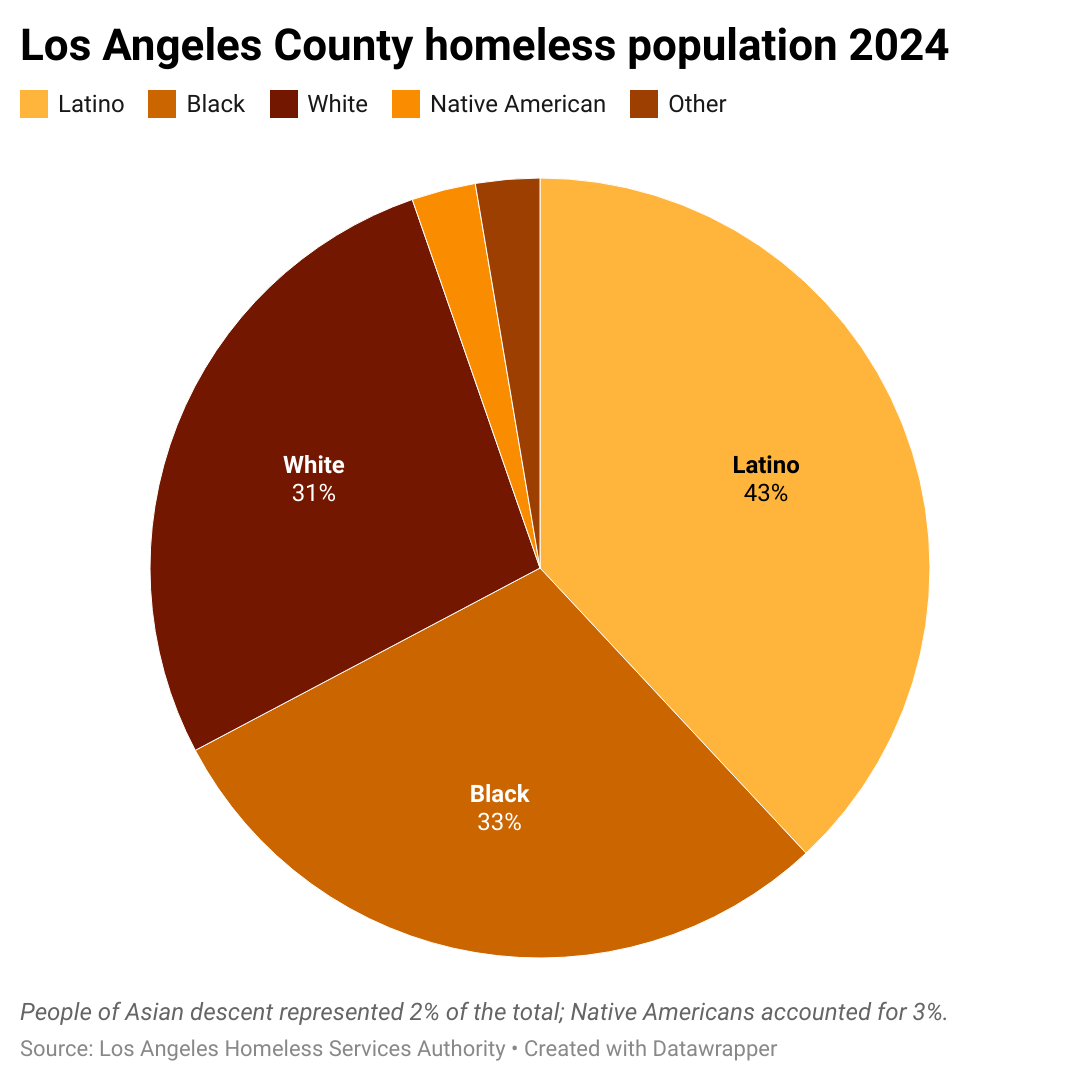
Major metropolitan areas bear the brunt of this challenge. Los Angeles County, for example, consistently reports the largest numbers, with tens of thousands of individuals experiencing homelessness. San Francisco, Oakland, San Jose, Sacramento, and San Diego also face substantial populations experiencing homelessness, each city wrestling with its unique socio-economic landscape and urban dynamics. The visibility of encampments and the presence of unhoused individuals in public spaces have become an undeniable element of the urban lifestyle in these areas, influencing everything from public safety perceptions to the allocation of city resources and the ongoing dialogue about community development.
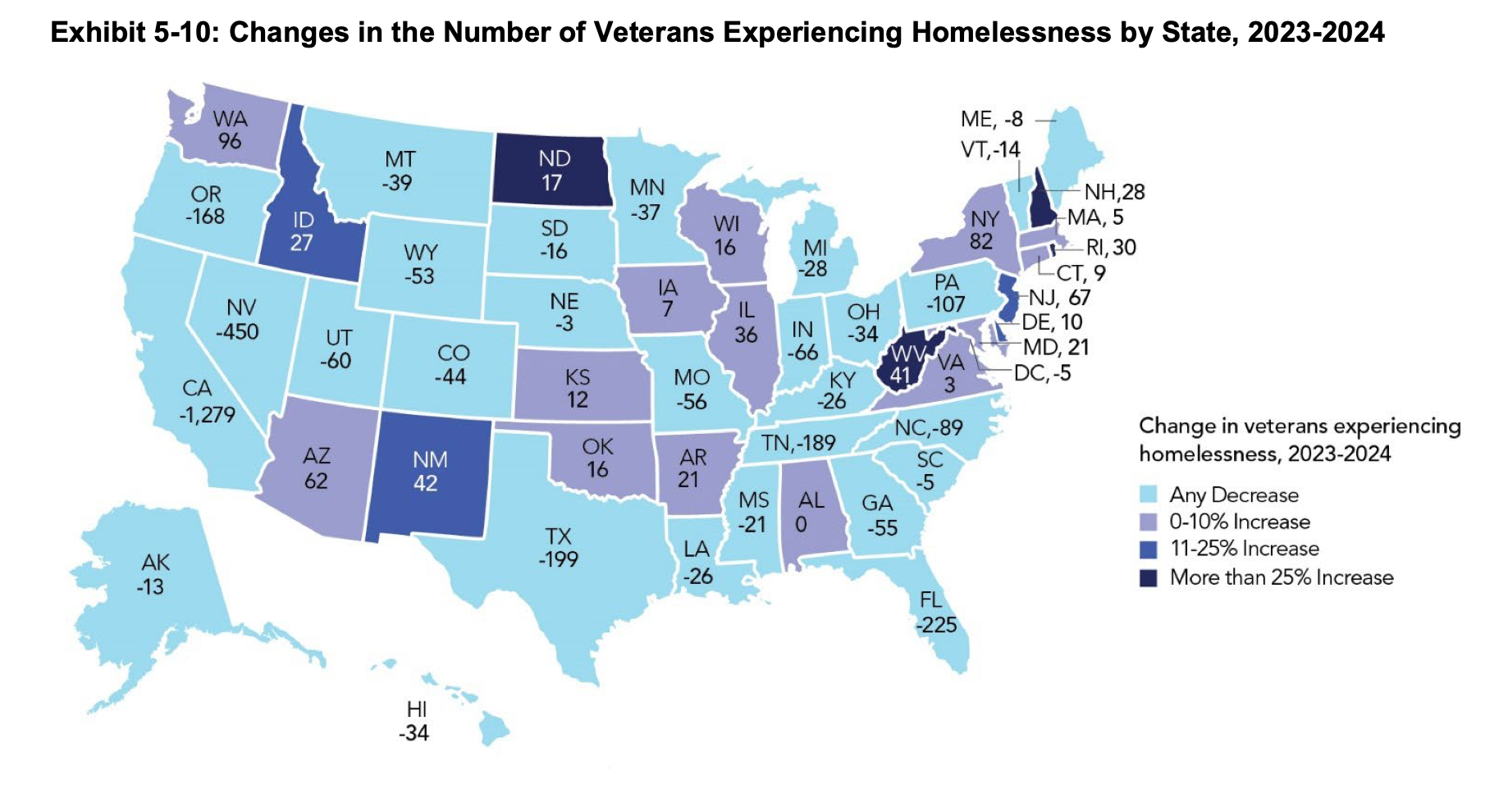
The demographics of the homeless population in California are diverse, encompassing individuals from various backgrounds, age groups, and circumstances. While single adults form the largest segment, families with children, unaccompanied youth, veterans, and individuals with chronic health conditions or disabilities are also significantly represented. The high percentage of unsheltered homelessness in California – meaning individuals living in places not meant for human habitation, such as streets, parks, and vehicles – further accentuates the severity and urgency of the situation, differentiating it from states with higher proportions of sheltered homelessness. This stark reality shapes the daily experience of urban dwellers and directly impacts the perception and practicalities of lifestyle in many Californian locales.
Underlying Factors Shaping California’s Lifestyle and Housing Dynamics
Understanding the scale of homelessness in California requires a deep dive into the complex interplay of factors that contribute to this crisis, many of which are intrinsic to the state’s unique lifestyle and economic structure.
Exorbitant Housing Costs
Perhaps the most significant driver is the prohibitively high cost of housing. California’s median home prices and rental rates consistently rank among the highest in the nation. In a state where the median rent for a one-bedroom apartment can easily exceed $2,000 in major cities, a significant portion of the population, particularly low-income earners, struggles to afford stable housing. Wage stagnation for many working-class individuals has not kept pace with these escalating costs, leading to a widening affordability gap. This economic pressure is not merely a statistical anomaly; it is a lived reality that forces many into precarious living situations, where a single job loss, medical emergency, or unexpected expense can quickly tip them into homelessness. This extreme housing market fundamentally defines a challenging aspect of the Californian lifestyle, pushing out those who cannot keep up with its economic demands.
Economic Inequality and Income Disparities
California is a state of paradoxes, home to immense wealth and technological innovation, yet also characterized by profound income disparities. While the tech industry and other high-growth sectors have created significant prosperity, the benefits have not been evenly distributed. Many essential workers, service industry employees, and individuals in sectors with lower wages find themselves on the fringes of economic stability. This inequality contributes to a bifurcated lifestyle, where opulence exists alongside acute poverty, making the path to stable housing an increasingly insurmountable challenge for many. The lack of robust social safety nets and a living wage for all workers exacerbates this issue, leaving vulnerable populations without adequate buffers against economic shocks.
Mental Health and Substance Use Challenges
A substantial portion of the homeless population experiences mental health issues, substance use disorders, or both. These challenges are often both a cause and a consequence of homelessness, creating a vicious cycle that is difficult to break without comprehensive support services. While not the sole cause, these co-occurring conditions can significantly impede an individual’s ability to maintain employment, manage finances, and navigate the complexities of securing and retaining housing. The availability and accessibility of mental health and addiction treatment services are critical components in addressing homelessness, yet these resources remain insufficient in many parts of California, further complicating efforts to improve the lifestyle of those affected.
The Visible Impact on Urban Lifestyle and Community Fabric
The presence of homelessness in California’s urban centers has a tangible and multifaceted impact on the daily lifestyle of communities, shaping public spaces, local economies, and civic discourse.
Public Spaces and Urban Aesthetics
The most immediate impact is on the aesthetics and usability of public spaces. Homeless encampments, often visible in parks, underpasses, and sidewalks, alter the perception and function of urban environments. While some view these as stark reminders of societal failure, others experience them as challenges to public health, safety, and the overall cleanliness of neighborhoods. This reality complicates the urban lifestyle, affecting how residents interact with their surroundings, from morning commutes to recreational activities. Cities like Los Angeles and San Francisco continuously grapple with how to manage these visible manifestations of the crisis while upholding the dignity of unhoused individuals.
Community Resources and Strain
Addressing homelessness places significant strain on community resources, including emergency shelters, healthcare services, and law enforcement. Local governments allocate substantial budgets to outreach, sanitation, and temporary housing solutions. This diversion of resources can impact other public services, creating a domino effect across the community. Furthermore, the issue often sparks intense local debates about how best to balance compassion for the unhoused with the concerns of housed residents, highlighting deep divisions within the community fabric and challenging the harmonious lifestyle many Californians aspire to.
Strategies and Solutions: Reimagining California’s Future Lifestyle
Amidst the challenges, California is actively pursuing various strategies to address the homelessness crisis, aiming to foster a more inclusive and stable lifestyle for all its residents.
Expanding Housing First Initiatives
A cornerstone of many strategies is the “Housing First” approach, which prioritizes providing immediate access to permanent housing without preconditions, followed by voluntary supportive services. This model has proven effective in reducing chronic homelessness by stabilizing individuals and then addressing underlying issues like mental health or substance use. State and local governments are investing in permanent supportive housing projects and rapid re-housing programs, recognizing that stable housing is the foundation for improving an individual’s lifestyle and well-being.
Increasing Affordable Housing Supply
Efforts are underway to significantly increase the supply of affordable housing across the state. This includes incentivizing developers to build low-income units, streamlining permitting processes, and utilizing state bonds and funding initiatives to finance new construction and rehabilitation projects. Addressing the housing supply deficit is seen as crucial to mitigating the high costs that push people into homelessness and creating a more equitable housing market that supports diverse lifestyles.
Enhanced Support Services
Recognizing the complex needs of the homeless population, there’s a growing emphasis on providing comprehensive supportive services. This includes expanding access to mental healthcare, substance abuse treatment, job training, and case management. Integrated service models, often delivered in conjunction with housing, aim to address the root causes of homelessness and equip individuals with the tools to maintain stable housing and reintegrate into community life, thereby fostering a more stable and productive lifestyle.
A Call for Collective Action in Preserving California’s Lifestyle
The challenge of homelessness in California is not merely a statistical problem but a profound human and societal issue that impacts the very fabric of the state’s lifestyle. It underscores the urgent need for sustained, collaborative efforts from government agencies, non-profit organizations, businesses, and individual citizens. By understanding the scope, acknowledging the underlying factors, and supporting innovative solutions, California can move towards a future where the dream of a stable and flourishing lifestyle is accessible to all, reinforcing its promise as a place of opportunity and progress. The journey to a more equitable California involves confronting these difficult realities head-on, working together to build communities where every individual has a place to call home.
LifeOutOfTheBox is a participant in the Amazon Services LLC Associates Program, an affiliate advertising program designed to provide a means for sites to earn advertising fees by advertising and linking to Amazon.com. Amazon, the Amazon logo, AmazonSupply, and the AmazonSupply logo are trademarks of Amazon.com, Inc. or its affiliates. As an Amazon Associate we earn affiliate commissions from qualifying purchases.